
Advertisement

- Updated on November 12, 2026
- IST 12:20 am
PDRN serum benefits, as brands sell them, are firmer, plumper and faster-recovering skin, but the strongest evidence for polydeoxyribonucleotide (PDRN) comes from injections and wound-healing research, not from bottles. Dermatology Times puts PDRN fragments at 50 to 1,500 kilodaltons, which is 100 to 3,000 times the roughly 500-dalton size usually treated as the limit for passing through intact skin.
That gap matters as Indian brands join the K-beauty trend: on 5 November, skincare label iSKINN announced an upcoming five-product “Vegan PDRN Collection”.

What is PDRN full form?
PDRN stands for polydeoxyribonucleotide, which is a mix of DNA fragments. A 2020 review in Advances in Wound Care by researchers at Italy’s University of Parma describes it as a mixture of double-stranded DNA pieces 80 to 2,200 base pairs long.
The review calls PDRN a prodrug: the body breaks it down and releases adenosine, which switches on A2A adenosine receptors on cells. The authors suggest this may calm inflammation and support new blood vessel growth, while the pieces may be recycled into new DNA through the salvage pathway.
Is PDRN salmon sperm?
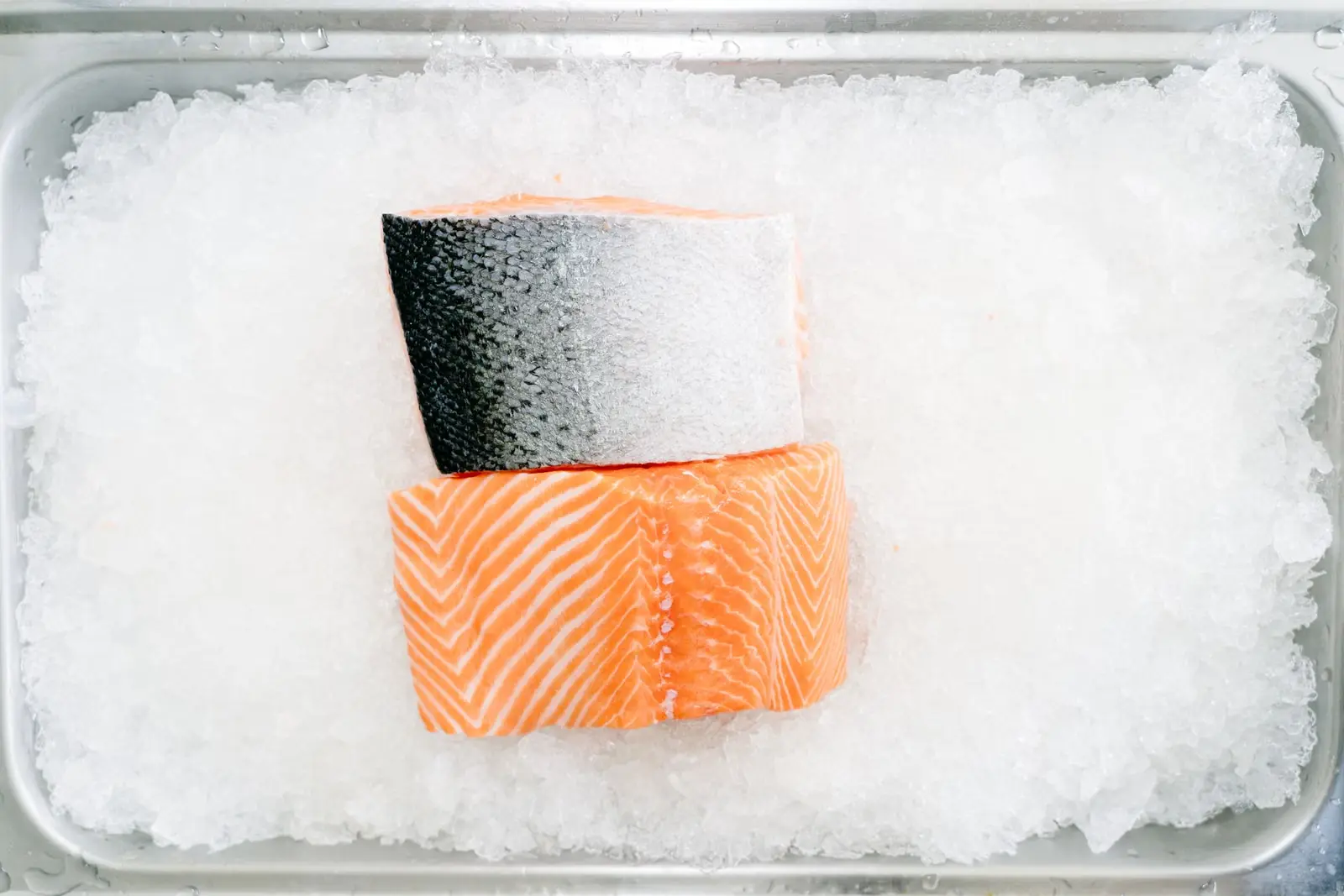
Traditionally, yes. Classic PDRN is extracted from the sperm DNA of salmon trout (Oncorhynchus mykiss), and Dermatology Times also lists chum salmon (Oncorhynchus keta) as a source. That is where the “salmon sperm facial” nickname on social media comes from.
Newer versions skip the fish. Dermatology Times notes plant-derived PDRN, with ginseng as one example, and PDRN made by microbial fermentation. A case series published in the Journal of Drugs in Dermatology (JDD) in September 2026 tested a serum whose PDRN comes from Lactobacillus sakei, a bacterium. “Vegan” is also iSKINN’s pitch: the company says its upcoming range “brings the skin recovery of Korean beauty without any animal derived sources”. It has not announced prices, a launch date or clinical data for the range.
What the evidence covers, and whether a serum delivers it
Most PDRN research is medical and involves needles. The Parma review lists injections into skin, joints and tendons for conditions such as knee osteoarthritis, tendinopathy and plantar fasciitis, plus wound-healing studies in diabetic wounds, skin flaps and burns, many in animals. Its authors flag small samples and weak designs. The topical evidence they found was thin: one rat wound study and a three-patient oral-spray series.
On the cosmetic side, Dermatology Times cites a randomised split-face trial of 27 people comparing Rejuran, an injectable polynucleotide, with a hyaluronic acid filler; the PDRN side scored higher on an aesthetic improvement scale at 16 weeks. For creams and serums, it found a late-2025 study in which low-molecular-weight peony PDRN improved under-eye elasticity after four weeks, and it describes that as a single small, preliminary finding. The JDD case series followed eight women using a bacteria-derived PDRN serum after laser, microneedling or peels. The authors concluded the serum was “safe, well-tolerated, and a clinically useful adjunct”, but eight cases is a small base.
Then there is the size problem. Dermatology Times points to the “500 Dalton rule”, under which molecules above about 500 daltons are unlikely to pass through intact skin by simple diffusion. Fragments of 50 to 1,500 kilodaltons are 50,000 to 15 lakh daltons. Without an active delivery system, the publication says, topical PDRN is unlikely to reach the deeper skin cells (fibroblasts) that make collagen, and most brands do not disclose molecular weight, encapsulation or delivery data.
Its verdict on the idea that a PDRN serum works like a PDRN injection: “Is this a myth? Yes, but there is some truth to it!”

Is retinol or PDRN better?
None of the sources reviewed here compares the two head to head, so there is no verified answer. Dermatologists quoted in the press say the evidence bases are not on the same level. London consultant dermatologist Dr Anjali Mahto told Marie Claire UK: “retinoids, niacinamide, ceramides and sunscreen still have far better data for lines, barrier repair and pigmentation.” On PDRN she said: “we don’t have robust clinical data yet, especially with regards to topical skincare, so it is still a ‘maybe’.”
She also warned against reading injectable results across to serums: “We cannot assume the same benefit, same depth of signalling or same collagen style remodelling.” Sunscreen, one ingredient on Mahto’s list, has had its own credibility test in India, as the SPF testing controversy showed.
PDRN serum in India: prices and claims
Demand for the category is not in doubt. Myntra’s “Beauty in the Age of Gen Z” data shows K-beauty demand on Myntra tripled, rising 200 per cent year on year, with searches for Korean beauty up more than 300 per cent.
Minimalist lists its Copper Peptide + PDRN 1.25% Face Serum at an MRP of ₹699 for 10 ml (₹629 on its website at the time of writing). The company describes the PDRN as “derived from marine sources” and cites consumer studies reporting a 24.3 per cent improvement in elasticity and an 18.6 per cent rise in hydration; the page gives no study size or method. Foxtale lists its Collagen-PDRN serum at ₹695 and says it “Increases skin’s natural cell renewal”; its April 2026 blog on the serum cites no PDRN study. These are company claims, not independent findings.
Claims are where Indian regulation bites. Under the Drugs and Cosmetics Act, a cosmetic is meant to cleanse, beautify or alter appearance; treating the body is drug territory. Recently, the CDSCO cancelled a Korean product’s cosmetic registration after its importer marketed it as fat-dissolving. Serums promising “DNA repair” or “cell regeneration” sit close to that line.
PDRN serum side effects
The Parma review says many clinical reports note no side effects, though most are small case series and trials. The main flag dermatologists raise is fish. “There is also a small risk of allergic reaction in those with fish sensitivities,” dermatologist Dr Nicole Y. Lee told NBC Select. For in-clinic versions, dermatologist Dr Mona Gohara said: “Any injection or microneedling with biologic material has potential for infection or allergic reaction.”
Can I use PDRN serum every day?
No study in the sources reviewed tested how often a PDRN serum should be used. Brand labels set the frequency: Minimalist’s page, for instance, directs morning and night use. NBC Select reported that the experts it spoke to said topical PDRN can be used daily, while facials and injections are done by professionals and spaced weeks apart. Any routine, especially for sensitive or allergy-prone skin, is a question for a dermatologist.
Key numbers
- 50–1,500 kDa: PDRN fragment size, per Dermatology Times, against a roughly 500-dalton skin threshold.
- 27 people: the split-face injectable trial behind many “PDRN works” claims.
- 8 cases: the September 2026 JDD serum case series.
- 200 per cent: year-on-year rise in K-beauty demand on Myntra.
- ₹695–₹699: listed prices of two Indian PDRN serums.
What to watch
Watch whether brands start publishing molecular weight and delivery data, as Dermatology Times says most do not. Also watch whether low-molecular-weight and plant or bacterial PDRN produce larger controlled trials; Dr Azza Halim told NBC Select “there’s not enough scientific evidence to support vegan PDRN yet.” And watch what iSKINN’s vegan range contains and claims at launch.
FAQ
What is PDRN full form?
Polydeoxyribonucleotide, a mix of DNA fragments traditionally taken from salmon trout sperm.
Is PDRN salmon sperm?
Classic PDRN is purified from salmon sperm DNA. Plant-derived and fermented “vegan” versions also exist.
Does a PDRN serum work like an injection?
Not on current evidence. Dermatology Times says the fragments are too large to cross intact skin without a delivery system.
Is PDRN safe for people with fish allergies?
Dermatologists quoted by NBC Select flag a small allergy risk for people with fish sensitivities. A dermatologist can advise on individual cases.
Sources
- Dermatology Times: Social Media Mythbusters: PDRN Serums (2026-07-11)
- Advances in Wound Care (PMC): Polydeoxyribonucleotide Regulation of Inflammation (2020-10-12)
- Journal of Drugs in Dermatology: Real-World Cases Using Phyto Polydeoxyribonucleotide (PDRN) Serum (2026-08-31)
- The Daily Guardian: Vegan skincare for Indian skin: meet iSKINN and the new vegan PDRN collection (2026-11-05)
- Marie Claire UK: PDRN Serums Are Everywhere—But Are They Actually Worth The Hype? Two Leading Skin Doctors Explain (2025-11-13)
- NBC Select: Salmon sperm facials? What dermatologists want you to know before trying the buzzy skin care trend (2025-08-28)
- Minimalist: Copper Peptide + PDRN 1.25% Face Serum (product page) (2026-11-12)
- Foxtale: Foxtale PDRN Serum: Benefits & How to Use It Correctly (2026-04-27)
You May Like This




Advertisement


You May Like This




Advertisement


Advertisement


Advertisement