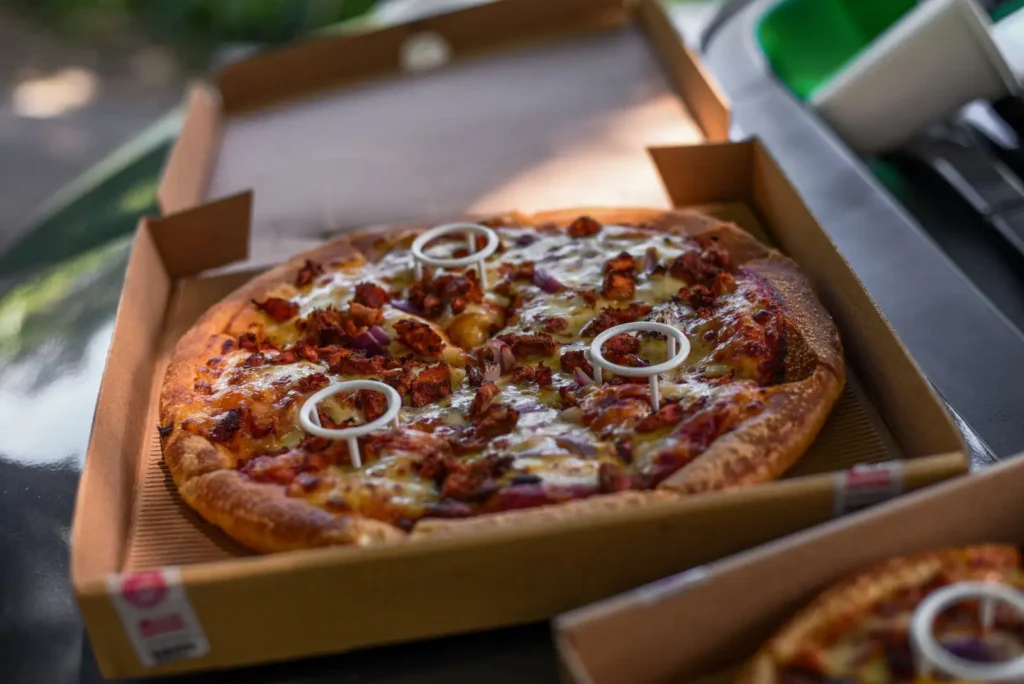
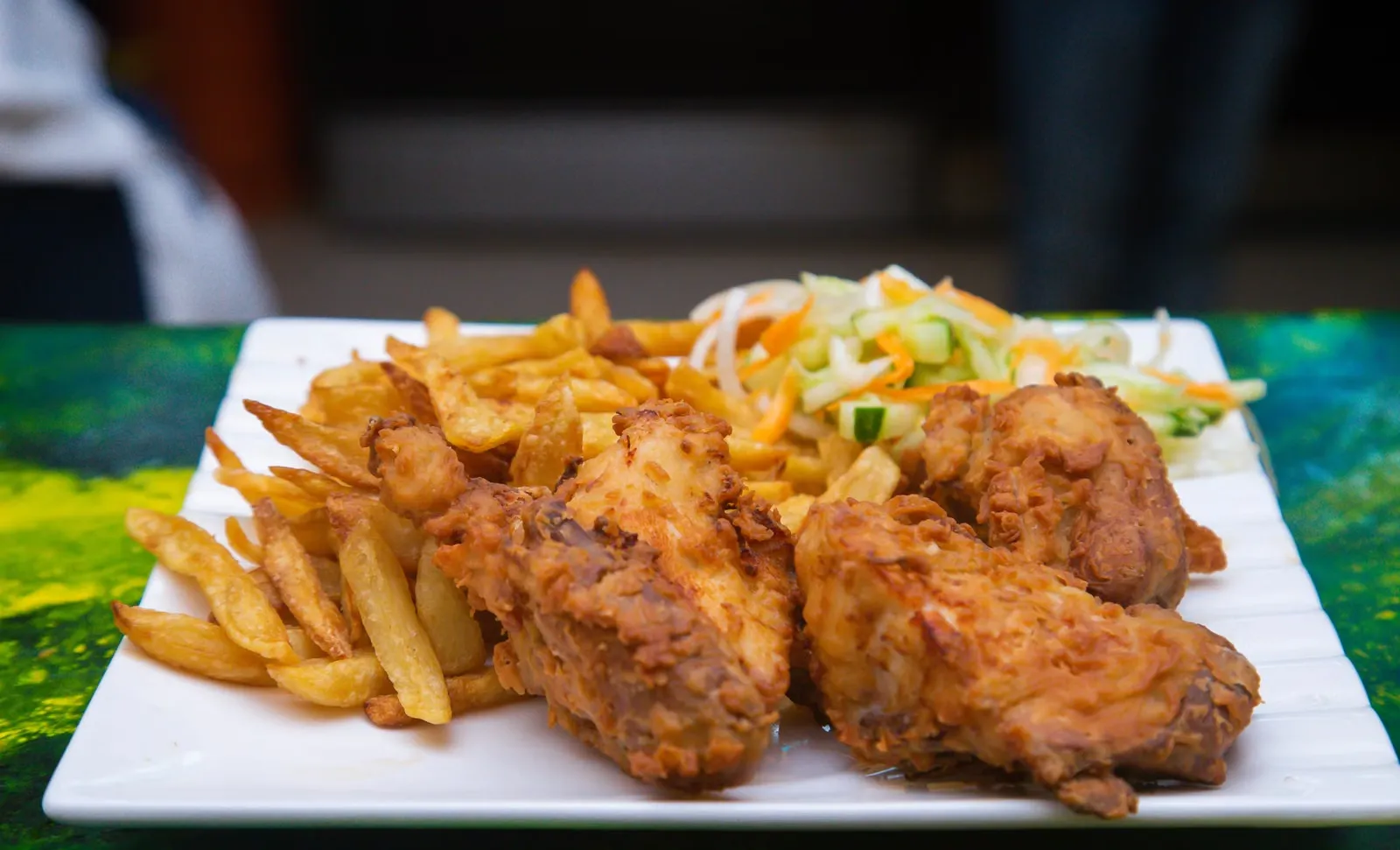
Jubilant FoodWorks, which runs Domino’s in India, reported consolidated revenue of ₹2,608 crore for the September quarter, up 11.8 per cent, in results filed on 6 November. The interesting number sits underneath: Domino’s India grew like-for-like sales by just 4.1 per cent, while its newer chicken chain Popeyes grew revenue by 122 per cent. Across the fast-food business, low-priced meals are doing most of the work of pulling customers back.
What Jubilant reported
Revenue from operations rose to ₹2,608 crore from ₹2,332 crore a year earlier, according to the company’s exchange filings. EBITDA grew 7.3 per cent to ₹513 crore, but the margin slipped to 19.7 per cent from 20.5 per cent. The company put that dip down to hyperinflation accounting at DP Eurasia, its overseas Domino’s business.
The headline profit looks worse than the business. Profit including discontinued operations fell 42.7 per cent to ₹111.6 crore from ₹194.6 crore. But last year’s figure carried about ₹81.2 crore from discontinued operations. Profit from continuing operations before exceptional items was flat at ₹113.9 crore, against ₹113.4 crore. The India-only standalone business did better: revenue rose 11.5 per cent to ₹1,885 crore and profit rose to ₹70.2 crore from ₹63.9 crore.
Investors were not impressed. The share closed 4.45 per cent lower at ₹430.95 on 9 November.
Domino’s: slow, but improving
Like-for-like growth, which compares sales at stores open in both periods, was 4.1 per cent. That is modest, but it has now risen for two quarters running: the figure was 0.2 per cent in the March quarter and 2.5 per cent in the June quarter. Orders grew 6.3 per cent and Domino’s India revenue rose 9.2 per cent.
Delivery still dominates. Delivery revenue grew 11.3 per cent and made up 75.8 per cent of Domino’s India revenue, while dine-in and takeaway grew only 2.4 per cent. To win back walk-in customers, the company has picked more than 100 stores for upgrades, of which about a fifth are done.
- New stores: 88 Domino’s outlets added, taking the total to 2,601
- Reach: 587 cities, including 47 new ones
- Late nights: over 90 per cent of the network can serve orders until 3 am
- Price point: a national “My Meal at ₹119” offer
Popeyes is the fast lane
Popeyes, the American fried-chicken brand Jubilant brought to India, is growing from a much smaller base and growing fast. Its revenue rose 122 per cent and like-for-like sales grew 53 per cent, the fourth straight quarter above 40 per cent. Jubilant added 11 Popeyes restaurants and the brand is now in 25 cities.
The company has set a target of making Popeyes a ₹1,000 crore brand within three to four years. It is leaning on Indian tastes to get there, with five paneer burger flavours added to the menu. Dunkin’, the third brand in the group, is down to nine stores and has been moved into discontinued operations.
Group-wide, Jubilant added a net 108 stores in the quarter and ended September with 3,820 outlets across its markets.
Cheap meals bring diners back
Jubilant is not alone. A Mint analysis of the September-quarter numbers found the burger chains doing best. Restaurant Brands Asia, which runs Burger King in India, reported same-store sales growth of 14 per cent, helped by “2 for 79” and “99” app deals. Westlife Foodworld, which runs McDonald’s in west and south India, posted 10.1 per cent, its strongest in 13 quarters. Pizza Hut, run by Devyani International, still saw sales at established outlets fall 1.4 per cent.
“Our everyday value platform continues to resonate strongly, helping drive guest growth and frequency,” Westlife CEO Akshay Jatia said on the earnings call, as reported by Mint.
The catch is cost. In its shareholder letter, Jubilant said dearer cooking gas, higher minimum wages and costlier raw materials hit its profit and loss account by about 2 percentage points. Rather than raise prices across the board, the company says it is pricing selectively, adjusting menus and handing out fewer discounts. Westlife told analysts it usually raises prices 3 to 4 per cent a year but has not taken any significant increase so far this year.
What to watch
For customers, the near-term signal is good: chains are fighting for footfall with ₹79 to ₹149 deals rather than raising menu prices. The question is how long they can absorb higher gas and wage bills before that changes.
- Whether Domino’s like-for-like growth keeps climbing from 4.1 per cent, or stalls
- Whether dine-in revenue picks up as more stores are upgraded
- How fast Popeyes moves towards its ₹1,000 crore target as the base gets bigger
- Margins: whether selective pricing and fewer discounts can offset the roughly 2-point cost hit