Honasa Consumer, the company behind Mamaearth, The Derma Co and Aqualogica, reported revenue of ₹731 crore for the July-September quarter, up 35.9 per cent from a year earlier. Its net profit nearly doubled to ₹73 crore. The more telling detail is where the growth came from: not the brand that made the company famous, but the newer labels around it.
A record quarter
The results, announced on 6 November, show net profit rising 86.7 per cent to ₹73.2 crore from ₹39.2 crore in the same quarter last year. Revenue from operations climbed to ₹731.2 crore from ₹538.1 crore.
EBITDA, a measure of operating profit, rose to ₹93 crore from about ₹48 crore. That lifted the EBITDA margin to 12.7 per cent from under 9 per cent a year ago. Co-founder and CEO Varun Alagh called it “our highest growth since listing”.
The quarter beat the company’s own forecast. In a business update on 6 October, Honasa had guided for revenue growth “in the early thirties” and an early double-digit operating margin. The stock rose about 10 per cent that day.
Of the roughly 390 basis points of margin gain, the company attributed 250 to 270 basis points to more efficient advertising and a better channel mix, and the rest to operating leverage as sales grew faster than fixed costs.
Who did the growing
Mamaearth, still the largest brand, grew at a high-teens rate with a mid-teens EBITDA margin, the company said. It did not disclose brand-level revenue.
The younger brands, a group that includes Aqualogica, Dr Sheth’s, BBlunt, Staze and the recently acquired BTM Ventures, grew more than 45 per cent together. The Derma Co is now sold in over 65,000 shops.
Honasa also said its “focus categories”, which include face cleansers, shampoos, face serums and sunscreens, grew more than 40 per cent and now make up over 80 per cent of the business. The company puts the size of these categories at roughly ₹50,000 crore and estimates its own share at about 5 per cent.
Co-founder Ghazal Alagh said the company was “creating room for our younger brands to experiment with new formats and consumer propositions”.
Shops over screens
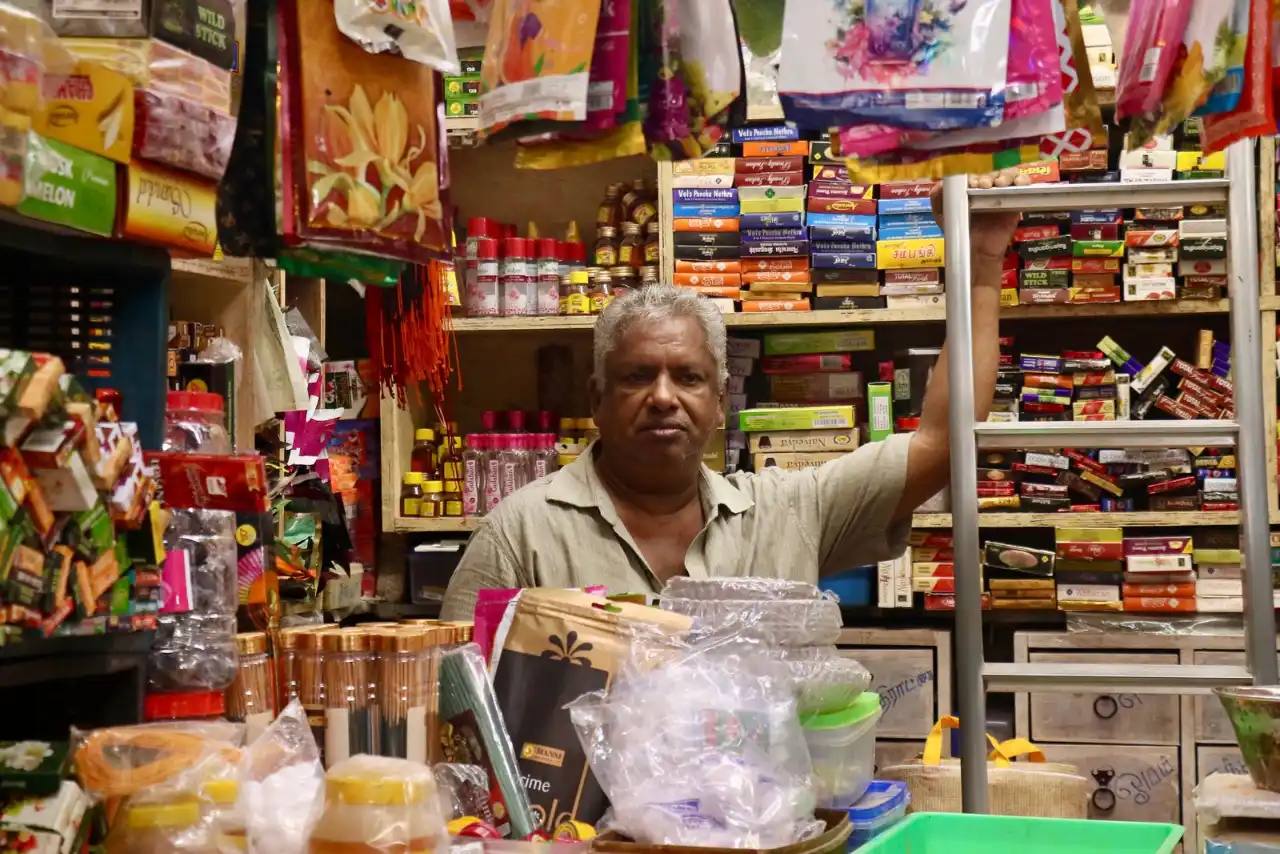
Mamaearth began as an online-first brand, but the shop counter is now growing faster than the app. Secondary sales through general trade, meaning neighbourhood stores, and offtake in modern trade outlets both rose about 40 per cent. E-commerce grew around 20 per cent.
Honasa’s products now reach about 3.2 lakh general-trade outlets. In offline sales, Mamaearth holds a 7.1 per cent value share in face cleansers, up 140 basis points, and 2.7 per cent in shampoo. The Derma Co has a 1.2 per cent offline share in face cleansers.
The company said part of the margin gain came from a channel mix tilted towards more profitable offline sales and quick-commerce-led B2B business.
Two years on
The turnaround is sharp. In November 2024, Honasa reported a net loss of ₹18.5 crore for the September quarter, with revenue down 7 per cent to ₹461.8 crore. That quarter carried a ₹63 crore inventory correction as the company reworked how it sold to distributors under a programme it called Project Neev.
Revenue for the first half of this financial year now stands at about ₹1,487 crore, up 31 per cent, with net profit of about ₹164 crore, roughly double last year’s ₹81 crore.
What to watch
Spending on advertising remains heavy. It rose to ₹245 crore from ₹180 crore, holding steady at 33.4 per cent of revenue. Gross margin slipped slightly, to 69.9 per cent from 70.5 per cent.
Compared with the April-June quarter, profit fell 19 per cent from ₹90.4 crore. The tax expense for the quarter was ₹27.6 crore, more than double the year-ago figure. Investors seemed cautious: the stock was down about 4 per cent at ₹462.30 on the BSE on results day.
Acquisitions are another thread. A proposed deal for Fluence Pharma was called off in late August after closing conditions were not met, while BTM Ventures has joined the portfolio.
The bigger question is whether Mamaearth can return to faster growth, or whether Honasa’s future rests mainly on its newer brands and its push into neighbourhood stores.