Myntra’s new report, Beauty in the Age of Gen Z, based on its platform data from August 2025 to August 2026, says demand for Korean beauty products on the app rose 200 per cent in a year. Half of its Gen Z beauty buyers live in Tier 2 and Tier 3 cities. The figures describe one platform’s shoppers, not the whole market, but they show clearly what young buyers are reaching for.
The buyer is not only in the metros
Half of Myntra’s Gen Z beauty buyers are in Tier 2 and Tier 3 cities, the report says, and those cities also account for half of its demand for international beauty brands. Coverage of the launch in Mumbai named Ludhiana, Patna, Bhopal, Indore, Guwahati, Surat, Varanasi and Imphal among the cities driving growth.
Young shoppers are also spending more. Myntra says Gen Z gives beauty and personal care a 75 per cent higher share of wallet than other age groups on the app, spend per Gen Z customer rose 1.2 times year on year, and repeat Gen Z orders rose about 70 per cent this year. Beauty now accounts for roughly one in five units ordered on Myntra, and in May 2026 alone the category brought in nearly half a million new customers.
“For Gen Z, beauty is self-expression. It’s how they show up, plan their looks and live their social lives,” said Sharon Pais, head of Myntra. The app’s tools lean into that: Myntra says shoppers who use its virtual try-on are twice as likely to buy, and its skin analyser lifts conversion by about 58 per cent.
Sunscreen became a habit
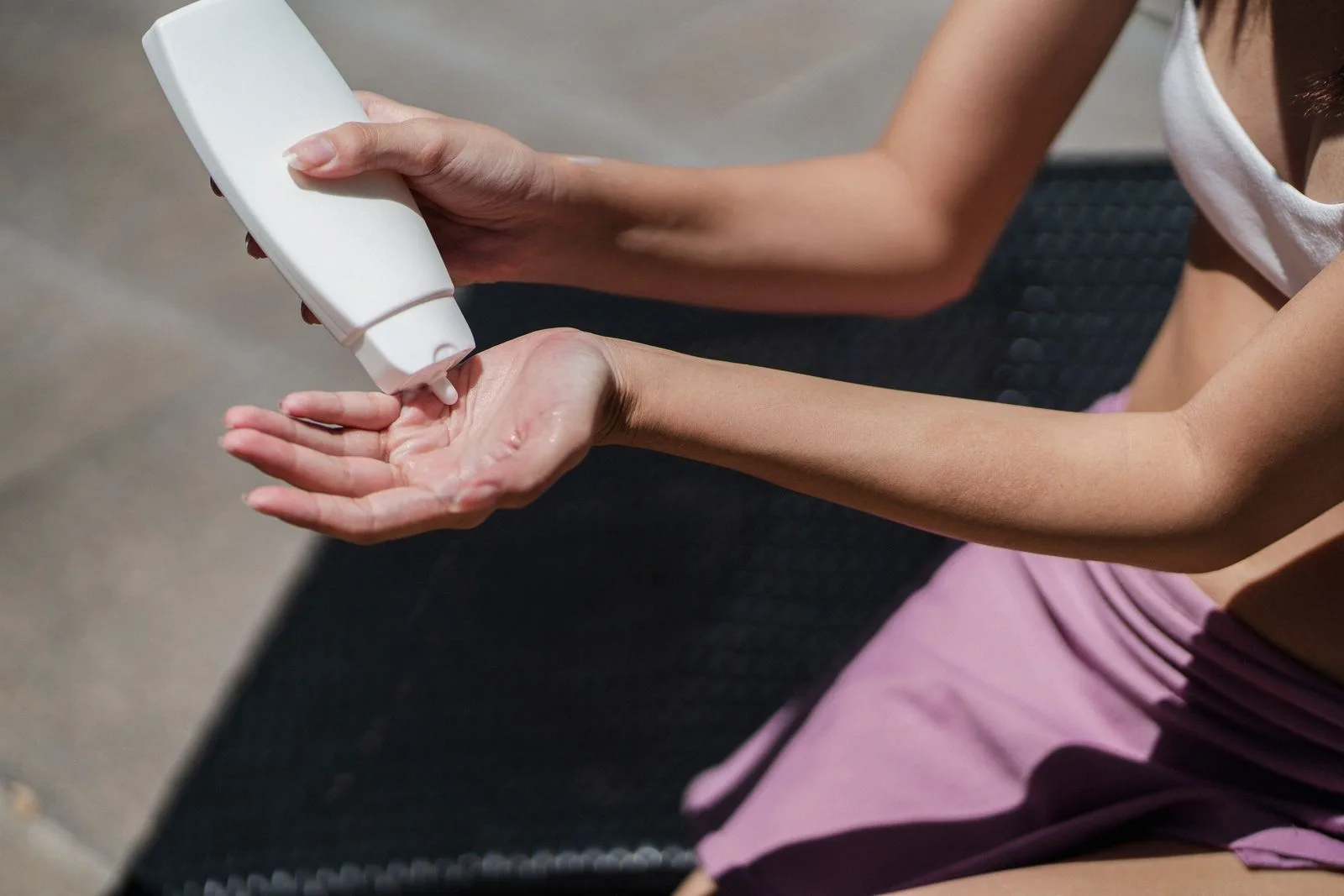
Orders of sun-protection products among Gen Z shoppers rose 60 per cent year on year. Searches for spray sunscreens rose 80 per cent, for ingredient-led sunscreens 70 per cent and for tinted sunscreens 60 per cent. “Sun protection has become a year-round habit among Gen Z shoppers,” the report says.
“This is a skin-first generation,” said Deepak Joshi, Myntra’s senior director for beauty and personal care. The report lists the ingredients drawing attention: centella asiatica, copper peptides, azelaic acid, panthenol, lactic acid and tranexamic acid, alongside gel-based and fragrance-free formulas, serums and toners.
The Korean shelf
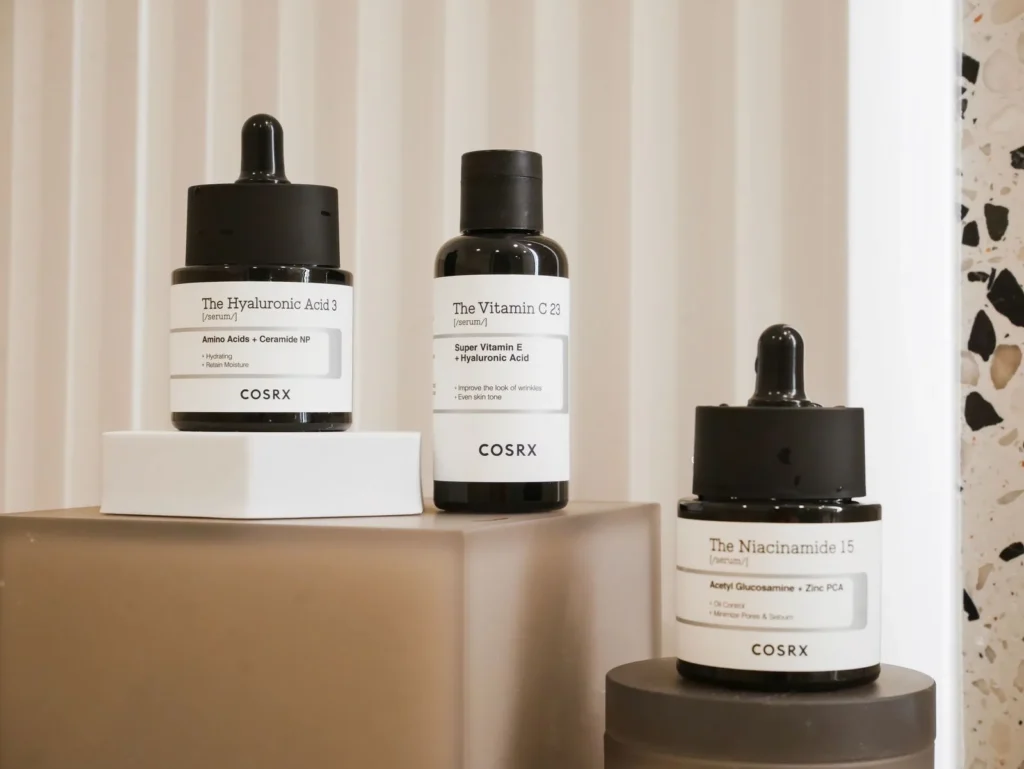
K-beauty is the report’s sharpest number. Demand rose 200 per cent year on year, which means three times last year’s level, and searches rose by more than 300 per cent. Myntra now lists over 1,000 Korean beauty products from more than 90 brands, and added over 30 of those brands in the past year.
Indian brands are not being squeezed out. The platform hosts 700 pure-play D2C beauty brands and about 3,000 emerging D2C names, says its D2C beauty segment grew 68 per cent so far in FY2026, and finds Gen Z 25 per cent more likely to try an Indian or D2C brand. Plum, Minimalist, Foxtale, The Derma Co. and Chemist at Play were among the brands it named.
Minis, men and hair masks
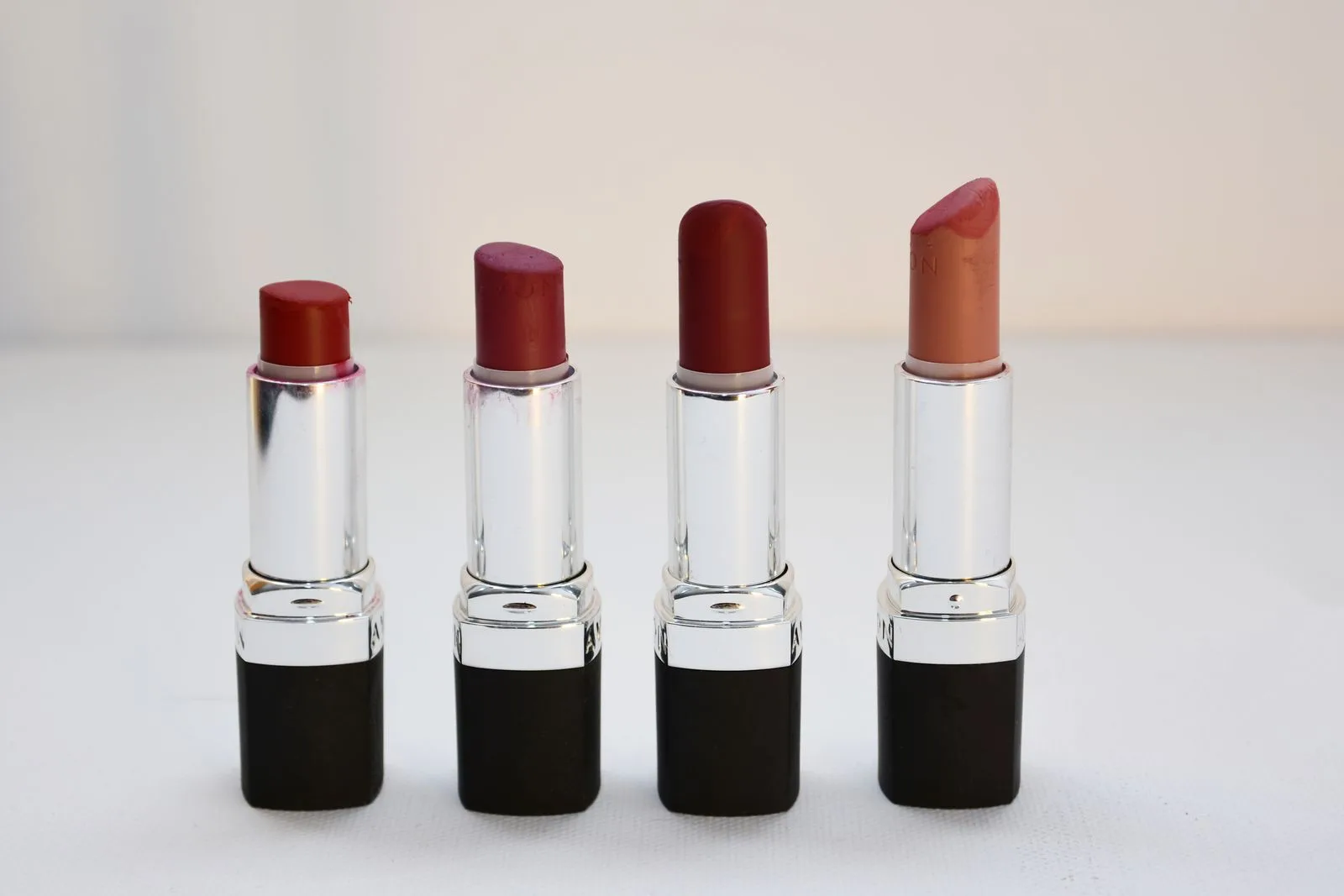
Luxury buyers are sampling before committing. Minis made up 14 per cent of luxury beauty units sold, led by lipstick, perfume and face primer, and 53 per cent of luxury make-up orders included a mini. Myntra says brands including M.A.C, Kayali, Smashbox and Salvatore Ferragamo get more than half their new customers through minis.
Two other categories moved fast. Men’s skincare orders rose 78 per cent, led by Gen Z, and hair-mask orders rose 110 per cent, against 59 per cent for conditioners. Creators are part of the engine too: Myntra counts about 82,000 active beauty creators, and says nearly two in three new beauty creator registrations over the past four months came from Gen Z. User-generated beauty content on the app is up 40 per cent. “Gen Z doesn’t search to shop, they scroll to discover,” said Deepash Jain, Myntra’s vice-president of marketing.
Read it as one platform's data
These are Myntra’s own figures, drawn from its sales, buying behaviour and search trends. They have not been independently audited, and percentage growth from a small base can look dramatic. The report was also released by the company at its own beauty event, so it naturally highlights categories it is investing in.
The market estimate in the report, from Redseer, puts India’s beauty and personal care market at about $23 billion now, rising to about $40 billion by 2030. Average annual beauty spend per person is about $15 in India, against $38 in China and $383 in the US, which is the gap every platform and brand is chasing.
What to watch
Whether the Tier 2 and Tier 3 growth holds once first-time buying settles, and whether K-beauty’s surge turns into steady repeat purchases or cools as the next trend arrives. Speed is the other variable: Myntra already sells about 600 beauty brands on M-Now, its fast-delivery service, with orders arriving in as little as nine minutes.