Medical costs in India are projected to rise 10.1 per cent in 2027, according to insurance broker Aon’s 2027 Global Medical Trend Rates Report. That is slower than the 11.5 per cent projected for 2026, but still more than twice the roughly 4 per cent inflation the report assumes for next year.
What the report says
Aon calls the headline figure the medical trend rate: its projection of how fast medical costs will grow. The numbers are drawn from its work with clients, insurers and healthcare providers across a network of more than 100 offices, and the India findings were reported by IANS on 3 November.
After stripping out projected inflation of about 4 per cent, India’s net medical trend comes down to 6.1 per cent in 2027 from 7.4 per cent in 2026. The easing is not unique to India. The Asia Pacific average falls to 9.7 per cent from 11.3 per cent, and the global rate to 9.0 per cent from 9.8 per cent. Risk & Insurance, summarising the global report, named India’s 1.4 percentage-point drop as one of the reasons the regional average fell.
“Moderation in India’s medical trend rate reflects easing cost pressures,” Ashley D’Silva, Head of Health and Wealth Solutions, India, Aon, said in the release.
How India compares
India sits in the middle of the Asian table. Business Standard’s report on the study listed these 2027 projections:
- Kazakhstan: 32 per cent
- Pakistan: 24.4 per cent
- Indonesia: 17.3 per cent
- Singapore: 14.7 per cent
- Thailand: 11.7 per cent
- India: 10.1 per cent
- Australia: 7.2 per cent
- China: 6 per cent
- Japan: 3.1 per cent
These rates measure how fast costs are climbing, not how expensive care already is. A lower figure than Singapore’s says nothing about what a hospital stay costs in either country. What matters for Indian households is the gap with prices in general. “With local medical costs still rising at more than twice the rate of inflation, benefits budgets will remain under pressure,” D’Silva said. At 10.1 per cent, a medical bill of ₹50,000 today would work out to roughly ₹55,000 a year later, by our count.
What is driving claims
Aon’s India release names cardiovascular disease as the leading driver of medical claims in the region, followed by ENT, lung and respiratory diseases, and then cancer. The risk factors it expects to push future claims higher are high blood pressure, physical inactivity and poor nutrition. D’Silva pointed to a growing chronic disease burden, rising demand for medical services and greater use of advanced treatments.
The global picture is similar. In an article on the report, Aon ranks hypertension as the top risk factor worldwide, followed by physical inactivity and obesity, which entered the top three for the first time. Hypertension tops every region except North America, and physical inactivity is in the top three in Asia Pacific. Obesity, by contrast, does not make the top five in the region. Risk & Insurance also reported that GLP-1 drugs, the newer class of weight-loss and diabetes medicines, account for roughly 1 to 10 per cent of the medical trend in many countries.
The household picture
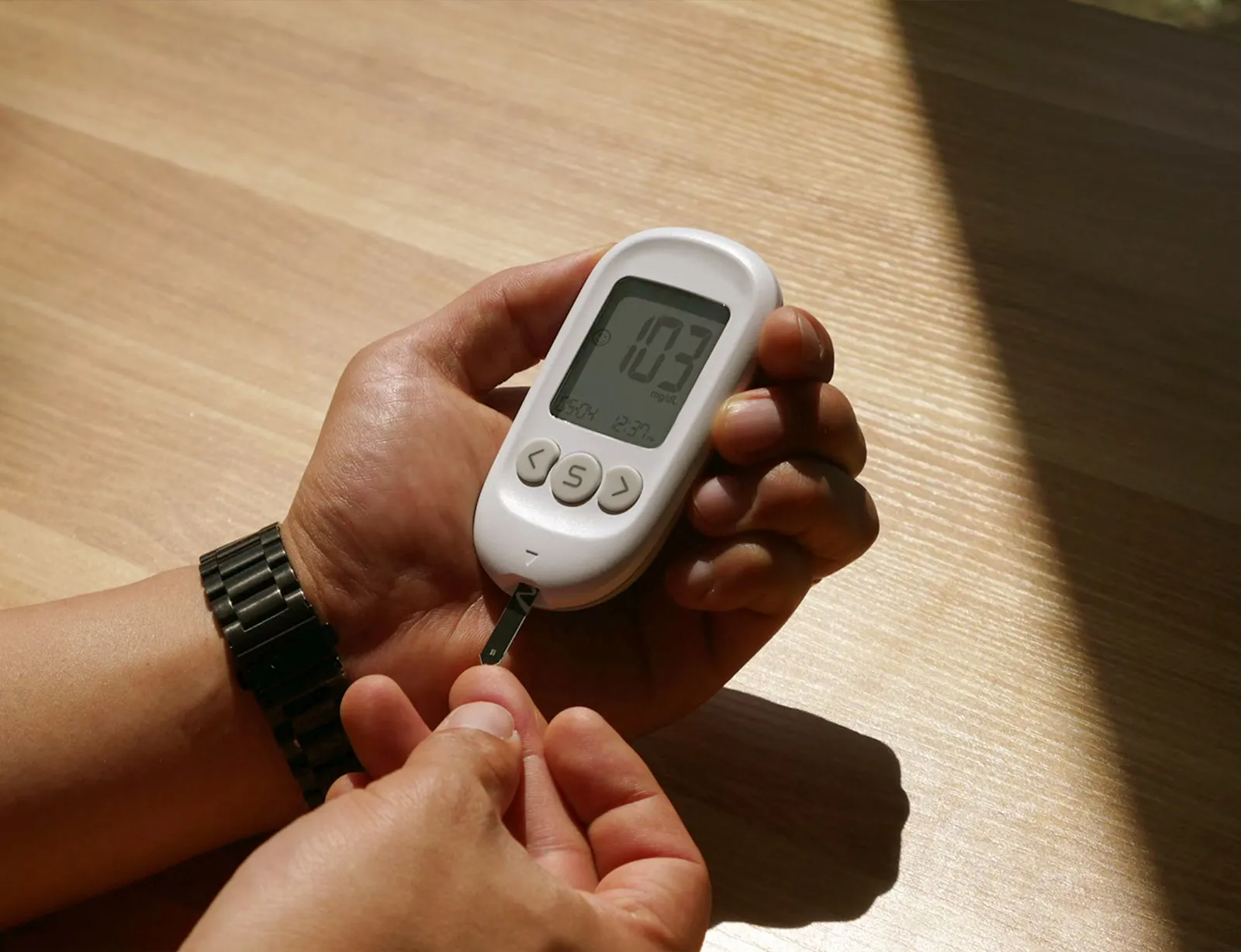
India’s own survey data points the same way. The sixth National Family Health Survey (NFHS-6, 2023-24), whose key results the Health Ministry released in July, found that 20.9 per cent of men aged 15 and above had high blood sugar or were taking medication for it, up from 15.6 per cent in NFHS-5 (2019-21). For women the share rose to 17.8 per cent from 13.5 per cent. Hypertension moved the other way, easing to 22.1 per cent among men and 19.4 per cent among women. Among those aged 15 to 49, 30.7 per cent of women and 27.3 per cent of men were overweight or obese.
For salaried readers, the cost shows up first in group health cover. Business Standard noted that employers may face higher costs for group medical insurance and employee benefits. “India’s workforce is diverse and rapidly evolving, making a one-size-fits-all approach to benefits increasingly ineffective,” said Ariz Rizvi, Head of Health Risk Management, Health Solutions, India, Aon.
What to watch
Aon’s figures are projections, not actual claims data, so the 2027 number can move. India’s projection has come down from 11.5 per cent for 2026 to 10.1 per cent for 2027, but the gap with inflation remains wide.
Watch how employers respond as they redesign group cover for 2027: Aon expects more flexible, personalised benefits rather than a single plan for everyone. On the health side, any fresh diabetes data released around World Diabetes Day on 14 November will show whether the sharp rise in high blood sugar recorded by NFHS-6 is continuing. Globally, Aon’s head of global benefits Michael Pedel summed up the problem: “While medical trend is easing, it remains more than triple the rate of inflation.”