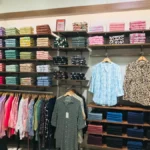
Amazon says Gen Z now makes up nearly 52 per cent of its fashion and beauty customer base in India, up from about 30 per cent two years ago. Flipkart says nearly half its festive-sale buyers this year were Gen Z. The shoppers who decide what sells online are younger, more likely to live outside the metros and, increasingly, willing to pay for premium labels.
The numbers
Nikhil Sinha, director of Amazon Fashion, told Business Standard on 19 October that Gen Z accounts for nearly 52 per cent of Amazon’s fashion and beauty customer base in India. “They are actually our largest customer base,” he said. In May, Apparel Resources reported Sinha as saying the share had risen from about 30 per cent two years earlier.
Flipkart’s data point the same way. Business Standard reported that Gen Z makes up nearly 50 per cent of Flipkart’s fashion audience, and that this cohort grew 25 per cent year on year. In Flipkart’s Big Billion Days sale, which opened on 9 October, nearly half of all buyers were Gen Z.
Myntra is in the same territory. Suman Saha, CXO for House of Brands and FWD at Myntra, has said Gen Z makes up nearly half of its customer base and contributed close to half of the new customers it added in 2025.
Mostly outside the big cities
The young shopper is not only a metro shopper. Amazon recorded 440 million customer visits in the first phase of its festive sale, and 70 per cent came from outside the top nine metros. For the first time, according to Sinha, non-metro shoppers placed more than half of fashion and beauty orders, around 51–52 per cent, and these markets are growing 1.5 to two times faster.
At Flipkart, about 60 per cent of Big Billion Days buyers came from Tier 2-plus cities. Orders, units and buyers each grew by about 20–22 per cent, and lifestyle buyers rose 12.5 per cent.
This matters for what gets stocked. Earlier this year, Sinha said browsing, visits and transactions from Gen Z had risen 2.5 times year on year, driven largely by Tier 2 and Tier 3 cities.
The sellers are changing too. Flipkart said sellers from Tier 2-plus markets grew 2.15 times during the sale, naming textile and garment towns such as Tirupur, at 2.1 times, and Panipat, at 2.5 times. On Amazon, the number of sellers crossing ₹1 crore in sales on the first day of its festive event rose 80 per cent year on year.
Cheaper is not the whole story
The easy assumption is that a younger, smaller-town shopper wants the cheapest option. The festive data complicate that. Sinha said premium brands accounted for one in five rupees spent on Amazon this festive season, up from one in ten last year. Amazon offered more than 50 premium brands this year, including Nike, Fabindia and Gap.
Bain & Company has estimated that Gen Z spends about 1.5 times more on lifestyle than other age groups, and that India’s trend-first fashion market will grow fourfold to US$8–10 billion by 2028, with more than half its revenue coming from online sales. Trend-first broadly means fast-turnover styles led by what is showing up on social media.
Volume is large. Amazon said one in three products sold in the early part of its festive event was a fashion or beauty item, and it sold about 1.5 lakh such products every hour. Four of its top five categories for attracting new customers were beauty, apparel, footwear, and jewellery and accessories.
The returns problem
Online fashion’s oldest headache is returns, and a generation that buys often makes it bigger. Amazon says its fashion return rates saw their fastest annual improvement over the past 12 months, which it credits to AI-based size and fit recommendations. It did not publish the rate itself, so the claim is hard to judge from outside.
Amazon also says one in three customers who use Rufus, its AI shopping assistant, is Gen Z. For platforms, getting the first order right is cheaper than a free pickup and refund.
What to watch
The festive figures are self-reported by the platforms and cover only the early phases of the sales. The fuller test will come in the winter end-of-season sales, when discounting is heavier and premium labels compete with their own markdowns.
Watch, too, whether the premium share holds once festive offers end. If one in five rupees keeps going to premium brands in an ordinary month, the idea that India’s young online shopper only wants the lowest price will need rethinking.