
Advertisement

- Updated on November 12, 2026
- IST 12:30 am
PJ.2.1 is a new Omicron offshoot of Covid-19, first sampled in Ontario, Canada, on 2 May 2026, and now reported in the US, Europe, Singapore, Australia and New Zealand. As of 11 November, there is no confirmed public report of it in India, and the World Health Organization (WHO) has not added it to its list of variants under monitoring.
Here is what the lab studies and health agencies actually say, and what they do not.

Is there a new strain of COVID going around?
Yes, but “new” here means a new branch of a family that has been around since late 2023. PJ.2.1 descends from the JN.1 lineage, through a sub-branch called MC.10.1.7, according to a study by researchers including Markus Hoffmann published in the Journal of Infection on 24 October, as reported by Open magazine. The first documented sample was collected in Ontario on 2 May 2026.
Its rise has been clearest in Canada. In its 2 November genome sequencing summary, Public Health Ontario reported that PJ.2.1 grew from 16.9 per cent of sequenced cases (23 August to 19 September) to 25.2 per cent (20 September to 17 October). That is 132 out of 523 sequenced cases in the latest window.
Outside Canada, it has been detected in several US states and in Spain, France, Israel, Singapore, Australia and New Zealand, according to NewsMeter and Open magazine. The WHO is “closely monitoring” it because of its growing geographical spread, Gulf News reported.
Why scientists call PJ.2.1 a ‘jump’ variant
Most Covid variants pick up mutations a few at a time. PJ.2.1 arrived with a large batch at once, which scientists call a saltation, or leap.
A preprint posted on 8 September by PeiZhuo He, Yunlong Cao and colleagues describes it as a highly mutated descendant of MC.10.1 carrying “over 25 spike mutations”. The spike is the protein the virus uses to latch on to human cells, and it is also the main target of vaccine-induced antibodies. So a big change there gets scientists’ attention early, before anyone knows if it matters in real life.
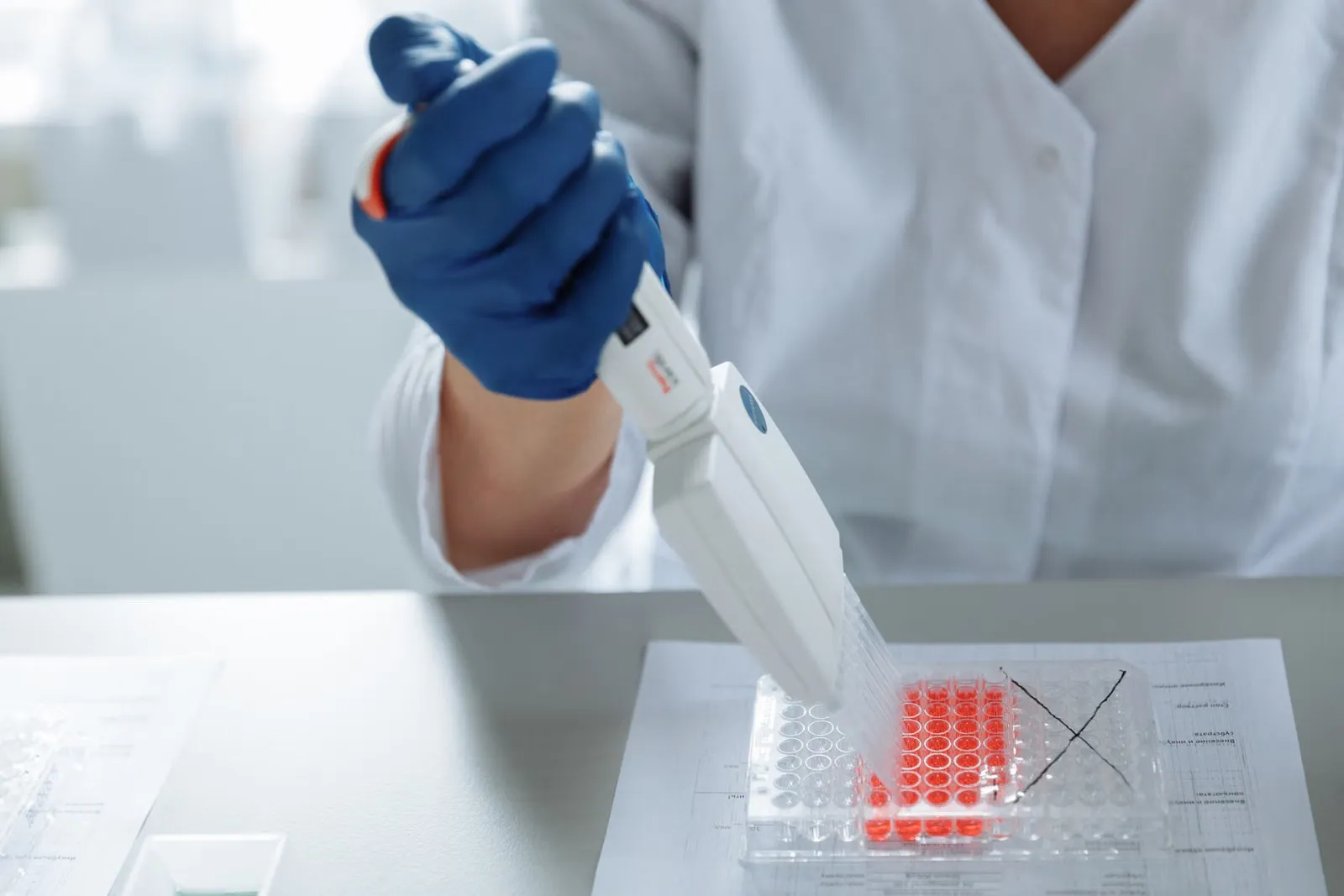
What the lab studies show, and what they don’t
Two research groups have tested PJ.2.1 in the lab so far, and they broadly agree.
It grips human cells more tightly. The He and Cao preprint reports “exceptionally high human ACE2-binding capability”, stronger than other recent variants such as NB.1.8.1, XFG and BA.3.2.2. ACE2 is the receptor the virus docks on to. Stefan Pöhlmann, whose group studied the variant, wrote in a public thread on 13 October: “We found that PJ.2.1 shows increased ACE2 binding and enhanced entry into cells expressing low levels of ACE2.”
It does not dodge vaccine antibodies much. The same thread said PJ.2.1 “did not show increased evasion of antibodies” from people who had received the LP.8.1-adapted mRNA vaccine. The Journal of Infection study found those antibodies still neutralised PJ.2.1, with sensitivity about 1.8 times lower than for LP.8.1 itself, Open magazine and NewsMeter reported. The He and Cao preprint goes further: it says the variant stays antigenically similar to the JN.1 family and does not show strong immune evasion.
What the lab cannot tell you. Cell lines and blood samples in a lab are not people. These studies do not show that PJ.2.1 spreads faster between humans, or that it makes people sicker. There is no conclusive clinical evidence that it causes more severe disease than earlier variants, NewsMeter noted. Dr Amit Saraf, director of internal medicine at Jupiter Hospital, Thane, put it plainly in remarks to The Indian Express quoted by Gulf News: “This is an important distinction: a variant spreading faster does not necessarily mean it causes more severe disease.”
The preprint authors add one caution: strong receptor binding could let the virus pick up immune-evasive mutations later, so they call for continued genomic surveillance.

What is the latest COVID variant now?
On the WHO’s official list, the answer is not PJ.2.1. The WHO variant tracking page, last updated on 28 July 2026, lists JN.1 as the only variant of interest (designated 18 December 2023). Its variants under monitoring are XFG, NB.1.8.1, BA.3.2 and PQ.16.1.1, the last added on 27 July 2026. PJ.2.1 does not appear on the page.
Globally, XFG made up 52 per cent of submitted sequences in the week ending 4 October 2026, with JN.1 at 22 per cent and NB.1.8.1 at 7 per cent, according to WHO dashboard data cited by NewsMeter. The WHO itself warns that “declining testing and sequencing in several countries” makes the picture harder to read.
What are the symptoms of the new variant of COVID?
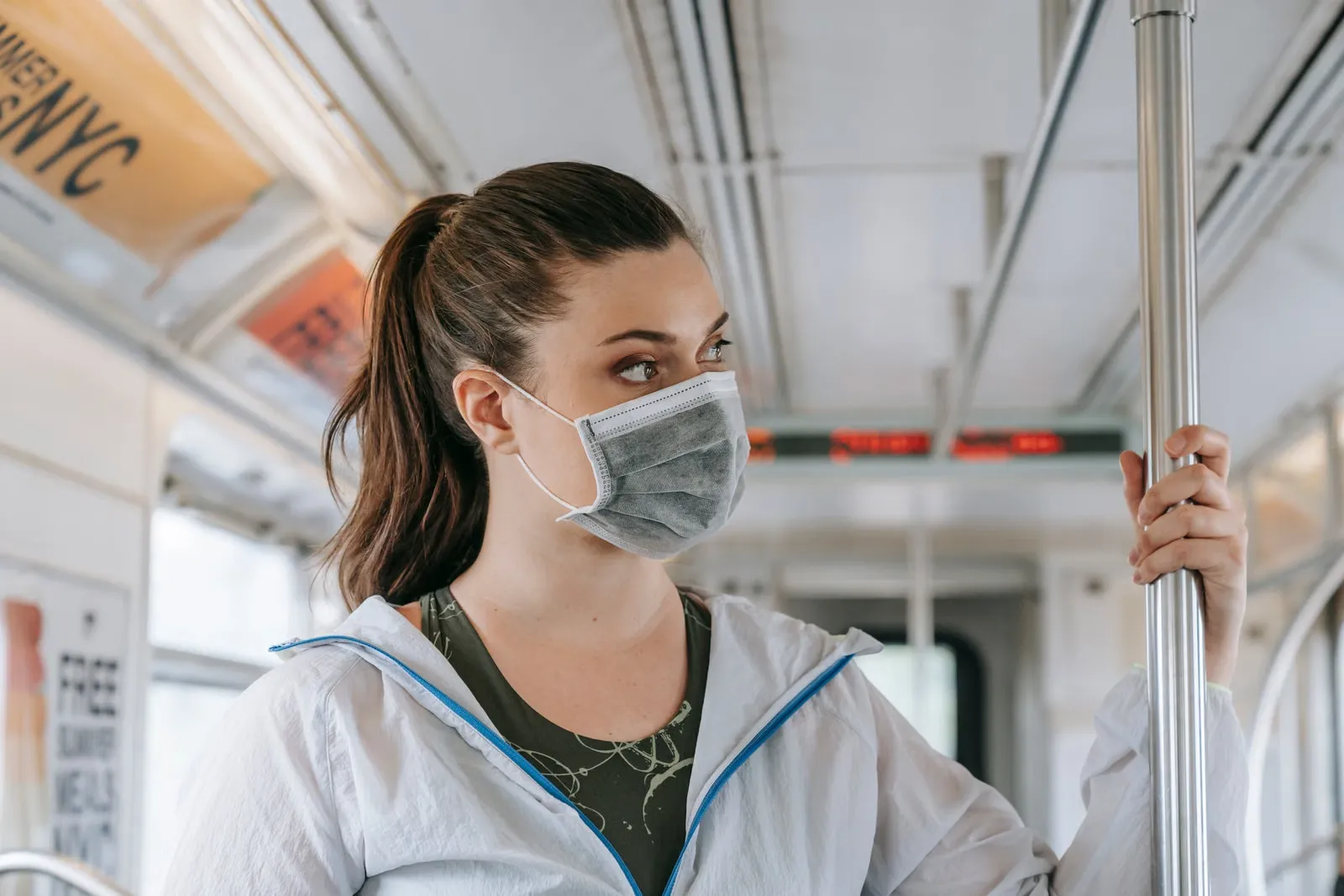
No symptom is unique to PJ.2.1. Health agencies say it looks like other Omicron infections, and like a cold or flu. According to WHO guidance reported by Gulf News, infection cannot be identified by symptoms alone, and a test is the most reliable way to tell it apart from other viruses. Only genome sequencing can name the exact variant.
The WHO’s Covid-19 fact sheet lists the most common symptoms as:
- fever
- chills
- sore throat
Less common ones include tiredness, a blocked nose, headache, a persistent cough, body aches and loss of taste or smell. The WHO says difficulty breathing, confusion and persistent chest pain or pressure need immediate medical attention.
Has PJ.2.1 been found in India?
Not as far as any public record shows. As of 10 and 11 November, Open magazine and NewsBricks both reported no verified public confirmation of PJ.2.1 in India, and Open noted that the public dashboard of INSACOG, India’s genome sequencing network, does not list it as an Indian detection. Neither the Union health ministry nor ICMR has issued a statement on PJ.2.1 that we could find.
Why this matters for readers aged 18–40
November is a confusing month for a sore throat in north India. A cough could be smog: Delhi has already moved to GRAP Stage 3 with schools going hybrid. A fever could be dengue, which has its own rise in Delhi cases this year. Or it could be flu, or Covid. That overlap is exactly why the WHO says symptoms alone cannot tell you which one you have.
The WHO’s general advice for anyone with Covid-like symptoms is to stay away from others, wear a well-fitted mask, cover coughs and sneezes, wash hands and open windows. It also urges extra care around people at higher risk, such as older parents.
To tell official news from viral rumours, check whether a claim names the WHO, INSACOG, the health ministry or ICMR, links to their page and gives a date. A forwarded “lockdown” message with none of these is not news.
Key numbers
- 2 May 2026: first documented PJ.2.1 sample, Ontario, Canada
- 25+: spike mutations, per the September preprint
- 25.2 per cent: PJ.2.1’s share of Ontario’s sequenced cases, 20 September to 17 October
- 1.8 times: lower neutralisation sensitivity than LP.8.1, yet still neutralised by LP.8.1-vaccine antibodies
- 0: confirmed public reports of PJ.2.1 in India as of 11 November
What to watch
- Whether the WHO adds PJ.2.1 as a variant under monitoring. Its tracking page has not been updated since July.
- Any INSACOG or health ministry update on Indian sequences.
- Real-world data on hospital admissions from Canada and other countries where it is growing.
FAQ
Is PJ.2.1 more dangerous than earlier variants?
There is no conclusive clinical evidence so far that it causes more severe illness. Lab studies only show it binds human cells more strongly.
Do current vaccine antibodies work against PJ.2.1?
In lab tests, antibodies from people given the LP.8.1-adapted mRNA vaccine still neutralised it, though about 1.8 times less effectively than LP.8.1.
Where do I check if PJ.2.1 reaches India?
Official updates come from INSACOG, the Union health ministry and ICMR.
Sources
- World Health Organization: Tracking SARS-CoV-2 variants (2026-07-28)
- World Health Organization: Coronavirus disease (COVID-19) fact sheet (2025-11-27)
- Public Health Ontario: COVID-19 SARS-CoV-2 Whole Genome Sequencing in Ontario (epi summary) (2026-11-02)
- bioRxiv (via Sciety): Increased receptor binding capability of the SARS-CoV-2 saltational variant PJ.2.1 (He, Cao et al., preprint) (2026-09-08)
- Thread Reader (Stefan Pöhlmann): Thread on PJ.2.1 ACE2 binding and antibody neutralisation (2026-10-13)
- Open Magazine: New COVID-19 variant PJ.2.1 spreads across countries: Symptoms, risks and what the research says (2026-11-10)
- NewsMeter: Should PJ.2.1 worry you? Here's what experts know about the new Covid variant (2026-11-11)
- Gulf News: New COVID-19 Variant PJ.2.1: What You Need to Know About Its Spread and Impact (2026-11-11)
- NewsBricks: COVID variant PJ.2.1 spreads across countries: Has it reached India? (2026-11-11)
You May Like This




Advertisement


You May Like This






Advertisement


Advertisement


Advertisement