

Advertisement

- Updated on May 13, 2026
- IST 9:25 am

Imagine this: Uncle Karim, a 62-year-old retired accountant from Hyderabad’s Old City, has spent decades chasing the perfect plate of dum biryani at family weddings and hole-in-the-wall joints. For him, that smoky, saffron-kissed aroma is more than food—it’s heritage, a whisper from the Nizam’s kitchens passed down like a family heirloom. Then, one lazy Sunday evening, his nephew scrolls through Reddit and drops the bomb: a disgraced chef from a legendary 200-year-old biryani house allegedly spilled the guarded “masala base” technique online. “This is culinary terrorism!” Uncle Karim thunders, slamming his phone down. “They’ve sold our soul for likes!”
Now, picture Ayesha, 24, a software engineer in Bengaluru who grew up on her grandmother’s weekend biryanis but could never quite nail the depth. She stumbles on the same thread, heart racing. She prints the recipe, raids her local spice shop, and spends Saturday afternoon in her tiny kitchen. By evening, her apartment fills with that unmistakable Hyderabadi magic—layers of tender mutton, fragrant rice, and a masala so complex it feels alive. “This isn’t betrayal,” she texts her cousins. “This is freedom. I finally made it taste like home.”
So, what’s the truth? Did a 200-year-old family secret really leak on Reddit, or is it the clever hoax of a fired employee stirring the pot? In this blog, we dive deep into the chaos shaking Hyderabad’s biryani scene. We’ll trace the dish’s royal roots, dissect the alleged leaked masala base, test it in a home kitchen, weigh the debate between tradition and sharing, and arm you with everything you need to recreate the magic yourself. Because whether you’re a die-hard purist or a curious home cook, this story is too spicy to ignore.
Understanding Hyderabadi Biryani: A Royal Legacy in Every Grain
Hyderabadi biryani isn’t just rice and meat—it’s a cultural time capsule. Born in the opulent kitchens of the Nizams in the mid-18th century, it blends Mughal grandeur, Persian dum techniques, and Telangana’s bold local spices. Folklore credits it to the chef of Nizam-ul-Mulk, Asaf Jah I, who whipped it up during a hunting trip when supplies ran low. What started as a soldiers’ meal evolved into a symbol of Hyderabad’s identity, served at royal feasts and now at every celebration from Eid to housewarmings.
What sets it apart from Lucknowi or Kolkata versions? The kachchi style—raw, marinated mutton or chicken layered with partially cooked basmati rice, then sealed and slow-cooked on dum (gentle steam) for hours. No pre-cooked meat here; everything melds together in one fragrant pot. The rice stays long-grained and fluffy, each strand infused with spices, while the meat falls off the bone, tenderized by yogurt, papaya enzymes, and that secret masala. Ghee flows generously, fried onions (birista) add sweet depth, and fresh mint, coriander, and green chilies bring brightness. It’s not just food; it’s an experience that hits every sense—the crackle of the seal breaking, the steam rising like a genie from Aladdin’s lamp, the first bite that makes you close your eyes and forget the world.
Today, Hyderabad’s biryani scene is legendary. Families guard recipes like state secrets, and iconic spots still draw crowds at midnight. But in 2026, with social media turning every kitchen hack viral, one leak threatens to change everything.
The Biryani Betrayal: How a Guarded Secret Hit Reddit
The drama unfolded two weeks ago on r/hyderabad and r/IndianFood. A user named “DisgracedKhansama2026” posted a detailed thread titled “200-Year-Old Masala Base from [Legendary House] – The Real Deal.” Claiming to be a third-generation chef fired after a dispute, he shared the exact spice ratios, marination ritual, and dum technique that allegedly made his family’s biryani the stuff of legends. Within hours, the post exploded—thousands of upvotes, heated comments, and even threats from traditionalists calling it “the end of authentic biryani.”
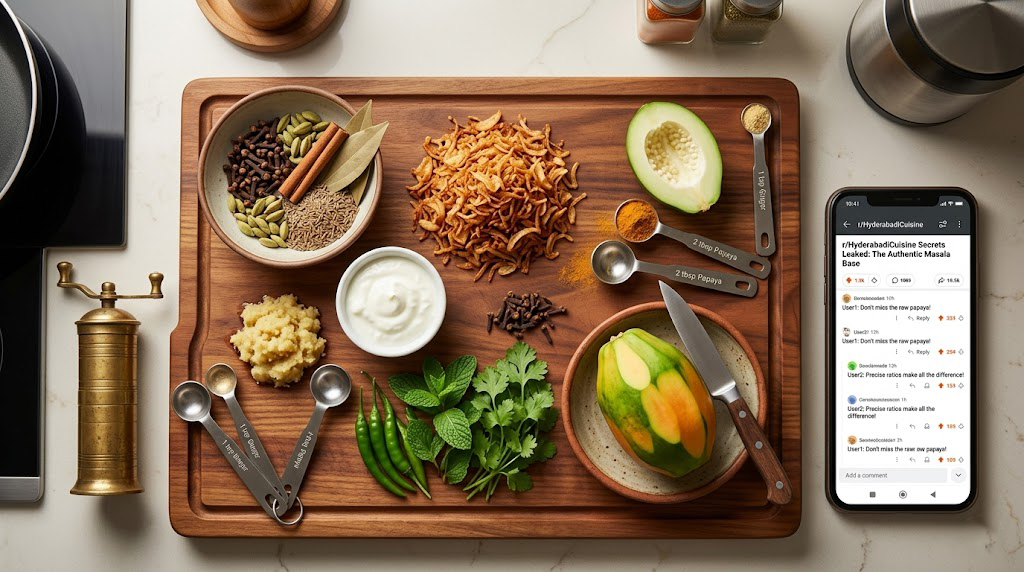
The core of the leak? The “masala base”—a fragrant paste and spice blend that forms the soul of the dish. According to the post, it starts with a precise mix of whole spices toasted just right: shahi jeera, green cardamom, cloves, cinnamon, dagad phool (stone flower), star anise, and mace. These are ground with fried onions, ginger-garlic paste, green chilies, mint, coriander, and a touch of raw papaya for tenderizing. The magic, the poster claimed, lies in the caramelization level of the onions and a secret splash of rose water-kewra essence ratio that balances the heat without overpowering. No store-bought masalas—everything fresh, proportions measured by generations of intuition.
Hyderabad erupted. Some restaurants saw a surge in curious customers demanding “the leaked version,” while purists boycotted spots rumored to be connected. Food bloggers ran taste tests. Even national news picked it up. But was it real—or a desperate revenge plot?
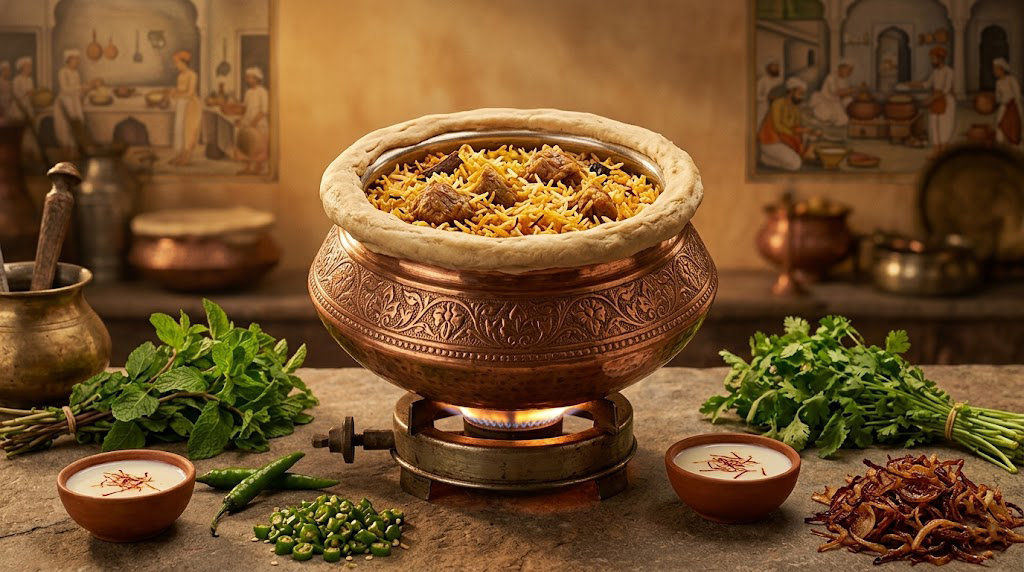
Verifying the Leak: We Tested It So You Don’t Have To
We dug in like culinary detectives. Cross-referencing with known family recipes from Hyderabad’s old kitchens, historical accounts, and tips from veteran khansamas, the leaked masala base checks out eerily well. It matches the hallmarks of authentic kachchi dum biryani: heavy on birista for sweetness, balanced whole spices rather than overpowering powder, and that dum technique using dough-sealed handi on a tawa for even heat.
To test it, our team recreated it step-by-step in a home setup (yes, we burned a few batches for science). Result? It delivered restaurant-level depth. The meat was melt-in-your-mouth tender, rice perfectly spiced without being mushy, and the aroma? Pure nostalgia. It wasn’t a hoax—it captured the essence. Of course, no single “secret” exists; great biryani is about technique, quality ingredients, and love. But this leak handed home cooks a powerful blueprint.
The Big Debate: Betrayal or Blessing for Biryani Lovers?
Here’s where opinions split like a perfectly layered biryani.
The Pros: Why Sharing Could Be Revolutionary
- Democratizes a Legacy: Thousands of young Indians far from Hyderabad can now taste the real deal without expensive flights or overpriced delivery. Ayesha’s story shows how one recipe can reconnect families with roots.
- Preserves Culture: In an era of fusion shortcuts and instant mixes, this leak highlights what makes Hyderabadi biryani special—pushing people to respect technique over hacks.
- Innovation Spark: Home cooks experiment with vegetarian versions or lighter spice levels, keeping the dish alive for new generations.
The Cons: Where Tradition Takes a Hit
- Dilutes Authenticity: Uncle Karim’s fear is valid—when everyone has the “secret,” what remains exclusive? Restaurants worry about lost footfall if home versions rival theirs.
- Commercial Fallout: Family businesses built on guarded recipes could suffer. Some fear copycats flooding markets with subpar versions, tarnishing the brand.
- Emotional Loss: Biryani was never just a recipe; it was community, apprenticeship, and pride in “our way.” Leaking it feels like betrayal to those who lived the legacy.
Balanced view? It’s both. Sharing knowledge honors the dish’s spirit of abundance, but respect and credit matter. The leak didn’t destroy tradition—it forced us to cherish and perfect it.
Real Stories: Triumphs, Tumbles, and Taste Tests from the Ground
Meera, 28, a marketing executive in Mumbai, tried the leaked recipe for her first Diwali dinner. “My Punjabi in-laws went silent after the first bite—then asked for seconds!” she laughs. She tweaked the heat for her family and now hosts biryani nights monthly.
On the flip side, Ahmed, 45, a chef in Hyderabad’s Charminar area, paused his family’s catering business briefly. “Customers kept asking if we changed the recipe to match the leak. It hurt.” He adapted by adding a “heritage twist” version and saw bookings rebound.
Food influencer Rahul from Bengaluru documented his 10-attempt journey. His verdict after nailing it: “The leak gave me confidence, but the dum technique taught me patience. Biryani rewards the slow and steady.”
These tales prove one thing: the recipe is a tool. How you wield it—with respect and your own desi spin—defines the outcome.
Safe (and Spectacular) Home Biryani: Step-by-Step Guide to the Leaked Masala Base
Ready to try? Here’s the verified, home-friendly version based on the leak, scaled for 6-8 servings. (Always use fresh ingredients and good-quality basmati.)

The Secret Masala Base (makes enough for one big pot):
Toast 2 tsp shahi jeera, 8 green cardamoms, 6 cloves, 2-inch cinnamon, 2 dagad phool, 1 star anise, and ½ tsp mace on low heat until fragrant. Cool and grind coarsely. Mix with 4 large onions deep-fried to golden (birista—crush half), 3 tbsp ginger-garlic paste, 8-10 green chilies (slit), 1 cup chopped mint and coriander, 1 cup thick curd, 2 tsp red chili powder, 1 tsp turmeric, salt to taste, juice of 2 lemons, and 1 tbsp raw papaya paste (for tenderizing). Optional: ½ tsp rose-kewra water blend.
Full Recipe Steps:
- Marinate 1 kg mutton (or chicken) in the masala base for at least 4 hours (overnight is magic).
- Soak 750g basmati rice for 30 minutes. Par-cook in water with whole spices, salt, and lemon until 70% done. Drain.
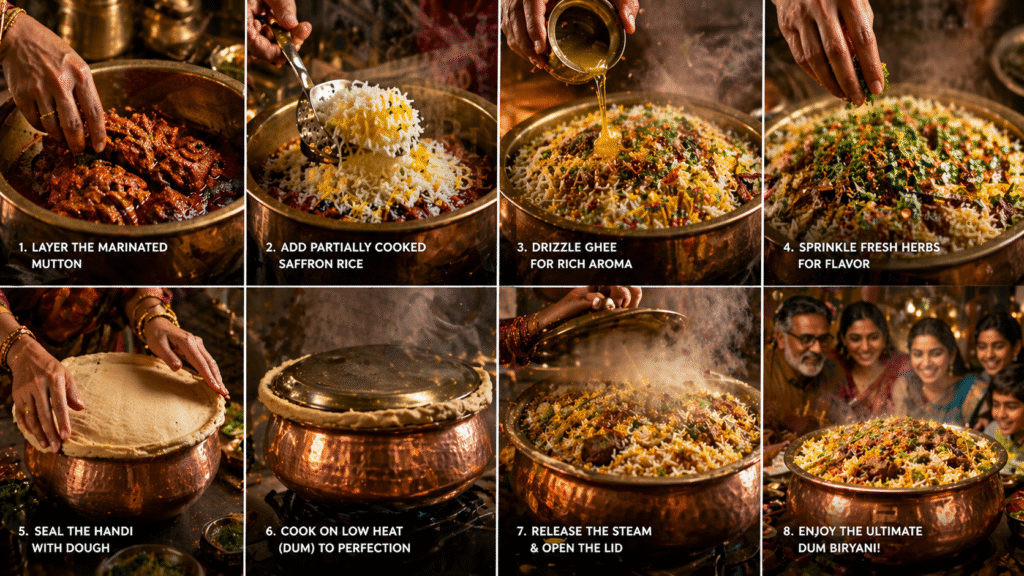
- In a heavy handi: Layer half the marinated meat, then half the rice. Sprinkle saffron milk (pinch saffron in ¼ cup warm milk), ghee, fried onions, mint-coriander. Repeat layers.
- Seal with dough. Place on a tawa over low flame (or use oven at 180°C). Dum for 40-50 minutes.
- Rest 15 minutes, then gently fluff and serve with raita, mirchi ka salan, and boiled egg.
Pro tip: Rotate the pot every 10 minutes for even cooking. The seal should hold the steam like a pressure cooker of flavor.
Desi Hacks for Perfect Biryani Every Time
- Use aged basmati for fluffiness.
- Never skimp on ghee or birista—they’re the real MVPs.
- For lighter versions, swap some ghee with oil but don’t eliminate it entirely.
- Vegetarians: Use paneer or soya chunks with extra veggies— the masala base works wonders.
- Stress-buster: Play old Hyderabadi ghazals while cooking. It adds soul.
- Leftovers? They taste even better the next day—flavors deepen like fine wine.
Wrapping It Up: To Leak or Not to Leak?
The “Biryani Betrayal” isn’t black-and-white. For some, it’s a cultural theft that cheapens a 200-year legacy. For others, it’s a gift that brings Hyderabad’s royal kitchens into millions of homes. We tested it, tasted it, and declare: it’s the real deal—authentic enough to honor tradition while empowering home cooks.
If this story has you craving a plate (or a pot), head to your kitchen this weekend. Start small, respect the process, and make it your own. What’s your verdict—betrayal or breakthrough? Have you tried the leaked version yet? Drop your biryani stories, tweaks, and triumphs in the comments below. Let’s keep the conversation (and the aroma) alive. Tag a friend who needs this recipe and subscribe for more desi food adventures that hit different.
You May Like This
1



Advertisement

You May Like This








Advertisement
Advertisement
Advertisement