

Advertisement

- Updated on May 14, 2026
- IST 4:13 am
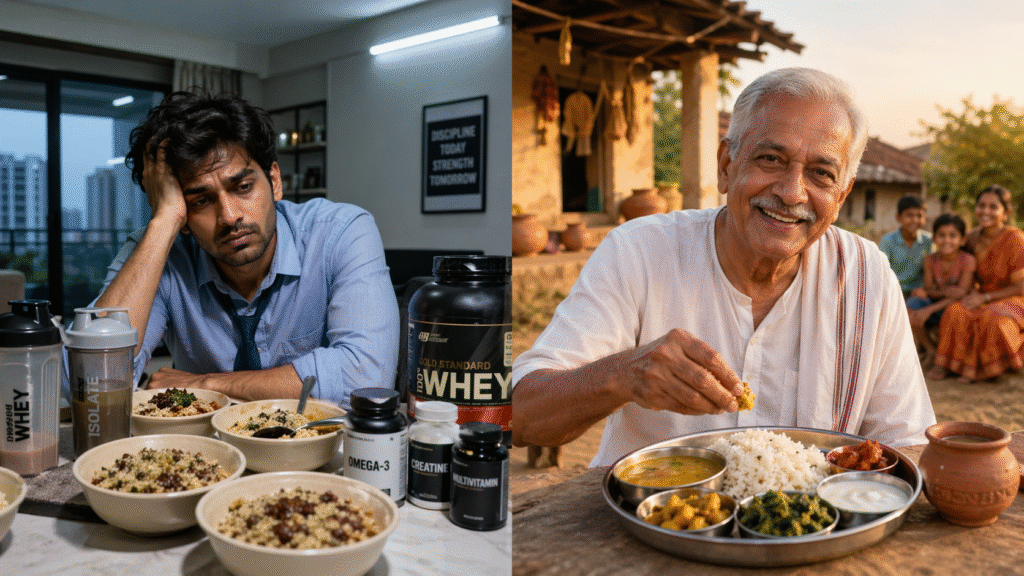
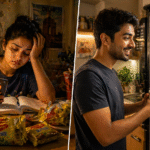
Imagine this: Rahul, a 32-year-old software engineer from Bangalore, wakes up at 6 AM, chugs a protein shake with quinoa and almond milk, snacks on kale chips at work, and orders avocado toast for lunch. By evening he’s exhausted, bloated, and scrolling through Instagram reels promising “reverse aging” with imported superfoods. His cholesterol is creeping up, sleep is patchy, and he wonders why, despite all the “healthy” apps tracking his macros, he feels older than his years. “I’m doing everything right,” he tells his doctor. “Why don’t I feel vibrant?”
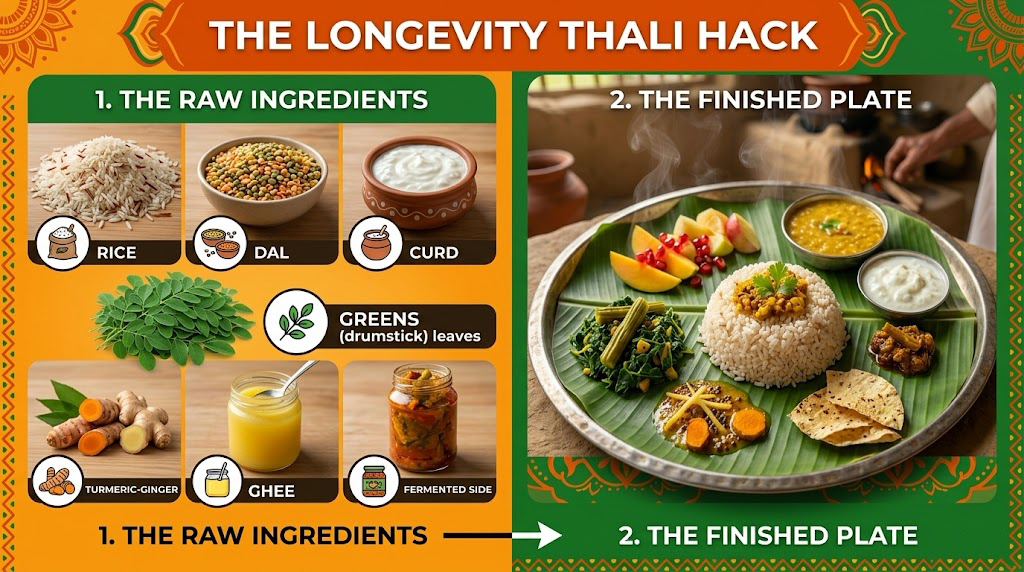
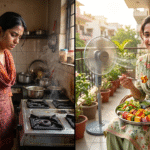
Now picture 118-year-old Thangi from a quiet village in Nagaland’s hills. Every single day, without fail, her “last meal” before sunset is the same simple plate her mother ate before her: a small mound of hand-pounded rice, a ladle of moong dal simmered with fresh greens, a bowl of homemade curd, a handful of drumstick leaves stir-fried in a whisper of ghee, turmeric-ginger tadka, a spoonful of fermented bamboo shoot pickle, and whatever seasonal fruit the tree outside offers. No supplements, no quinoa, no fancy labels. She walks to the stream, tends her garden, laughs with her great-grandchildren, and still braids her own hair at 118. “Why complicate what the earth already gives perfectly?” she chuckles when visitors ask about her secret.
So, what’s the truth? India’s last surviving centenarians across the pockets of exceptional longevity in Nagaland, Kerala, and Punjab aren’t chasing trends—they’re quietly eating a “boring” 7-food longevity plate every day that modern science is only now catching up to. Researchers who studied these Blue Zone-like communities in 2025 found one shocking common thread: the exact same seven everyday desi ingredients on their plates, meal after meal. In this blog, we’ll unpack why this humble plate keeps them thriving into their 120s, why we’ve ditched it for processed “health” foods, the real risks and rewards, and how you can bring it back to your own kitchen tonight. Plus, practical desi hacks and stories straight from the villages. Let’s discover what India’s oldest humans know that the rest of us have forgotten.
Understanding India’s Hidden Blue Zones: Where 120 Is the New Normal
First, let’s clear the air. While the world talks about Okinawa or Sardinia, India has its own quiet longevity hotspots—remote villages in Nagaland’s misty hills, Kerala’s backwater hamlets, and Punjab’s fertile countryside. These aren’t official “Blue Zones” on every map, but 2025 field studies by Indian longevity researchers found startling clusters of centenarians and super-centenarians (110+) who outlive national averages by decades.
It’s not genetics alone. It’s lifestyle—and at the heart is diet. These elders don’t count calories or pop pills. Their secret is consistency: one predictable, nutrient-dense “last meal” (usually dinner, eaten early) built around the same seven foods day in, day out. Think of it like a seesaw that never tips—balanced, anti-inflammatory, gut-friendly, and deeply rooted in the soil around them. Modern India, meanwhile, has swapped this for ultra-processed snacks, imported grains, and supplements promising miracles. The result? Rising lifestyle diseases even among the young. But these 120-year-olds? They’re laughing at our quinoa bowls while sipping buttermilk and walking to the fields.
The Last Meal Explained: The Shocking 7-Food Longevity Plate
Unlike trendy diets that change every season, the centenarians’ plate is timeless. Researchers observed the exact same seven ingredients appearing in every daily “last meal” across all three regions, adapted slightly to local availability but identical in essence. No fancy prep—just simple, seasonal, home-cooked magic.
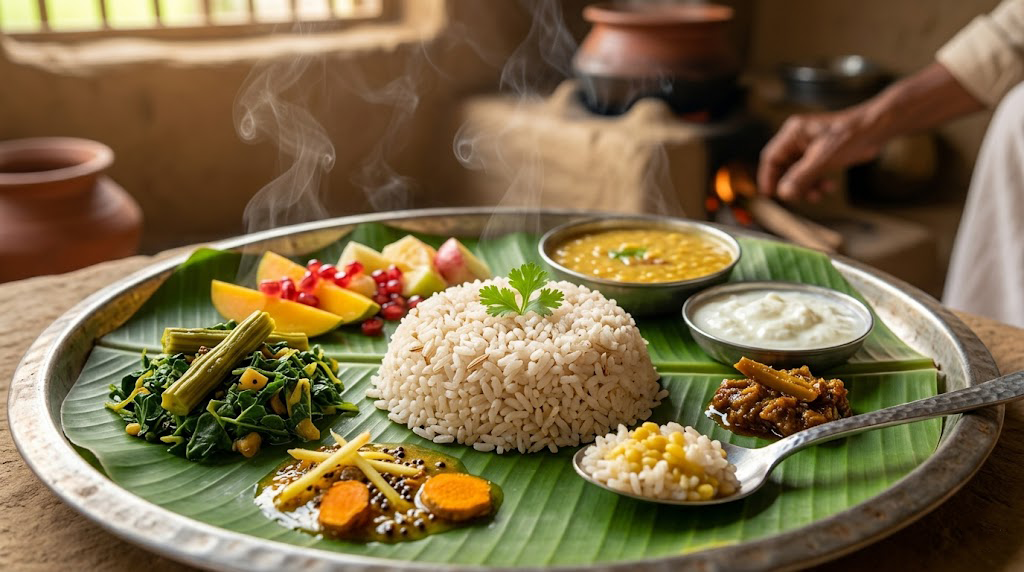
Here’s the 7-food longevity plate they all share:
- Hand-pounded whole grains (rice in Kerala/Nagaland, millet or wheat in Punjab) – slow-release energy, fiber for gut health.
- Simple lentils/dal (mostly moong or toor) – plant protein that doesn’t tax the kidneys.
- Homemade curd or buttermilk – live probiotics for immunity and digestion.
- Seasonal leafy greens (drumstick leaves, spinach, or local saag) – packed with vitamins, minerals, and antioxidants.
- Turmeric and ginger (fresh, in every tadka or paste) – nature’s anti-inflammatory duo.
- A tiny spoon of ghee or coconut oil – healthy fats for brain and hormone balance.
- Fermented local side (bamboo shoot pickle in Nagaland, coconut chutney in Kerala, or mustard greens achaar in Punjab) – gut-healing enzymes and flavor.
The pitch? This plate delivers complete nutrition in one sitting—fiber, protein, probiotics, anti-inflammatories, and micronutrients—without excess calories. Eaten mindfully before sunset, it mimics natural intermittent fasting while nourishing rather than depriving. For the average 30-something juggling deadlines and deliveries, it sounds too simple to work. But for those hitting 120, it’s the daily anchor.
The Big Debate: Grandma’s Plate vs. Modern “Health” Foods – Who’s Really Winning?
Here’s where it gets juicy—nutritionists, fitness influencers, and elders don’t see eye to eye. Let’s break it down fairly.
The Pros: Why This “Boring” Plate Powers 120+ Years
- Gut and Inflammation Mastery: Fermented sides + curd create a microbiome paradise. Chronic inflammation—the silent killer behind diabetes, heart issues, and joint pain—is kept at bay by daily turmeric-ginger and greens.
- Balanced Blood Sugar and Energy: Whole grains and dal prevent spikes that quinoa sometimes causes in sensitive stomachs. Elders report steady energy without crashes.
- Kidney and Bone Protection: Minimal processed salt/sugar, natural calcium from curd, and gentle proteins mean lower chronic disease risk. Studies link similar patterns to 4–7 extra healthy years.
- Affordable and Sustainable: Costs under ₹30 per meal. No imports, no waste—grown or made locally.
Take Thangi’s story: At 118 she still climbs hills. Her plate keeps her inflammation low and bones strong.
The Cons: Why Modern India Abandoned It (And the Hidden Cost)
- Taste Fatigue and Convenience Trap: “Boring” is the complaint. We crave variety—avocado toast, protein bars, oat lattes—because ads tell us simple dal-roti is “poor people’s food.”
- Urban Sourcing Challenges: Hand-pounded rice? Fresh drumstick leaves? City life makes it harder, pushing us toward packaged “superfoods” that look healthier on labels but lack living enzymes.
- Social Pressure: Weddings and parties push fried, sugary feasts. Elders fast or return to their plate the next day; we don’t.
Rahul learned the hard way after a health scare. “I spent ₹5,000 monthly on supplements. One month of my grandmother’s plate and my energy returned,” he admits. The difference? Tradition isn’t trendy, but it works.
The Indian Twist: Ancient Wisdom Meets Today’s Chaos
This plate isn’t new—it’s Ayurveda in action. Kerala’s coconut and turmeric echo coconut-heavy coastal traditions; Nagaland’s fermented bamboo ties to hill preservation techniques; Punjab’s ghee and greens reflect fertile land abundance. Our festivals celebrate abundance, yet daily life for centenarians is restraint and rhythm—early dinners, shared family plates, no midnight scrolling with snacks. Modern India swapped this for 24/7 delivery apps and “clean eating” that’s anything but clean. The twist? You don’t need to move to a village. These foods are still in every sabzi mandi and kirana store. It’s our heritage waiting to be reclaimed.
Real Stories: Voices from the Villages That Time Forgot
Let’s hear from those who’ve lived it.
- Ammachi, 114, Kerala Backwaters: “Rice, dal, moru (buttermilk), drumstick leaves, and coconut every evening. I never touched white sugar or packaged biscuits. My joints don’t complain because I never complained about simple food.”
- Baba Gurmeet Singh, 121, Punjab Village: “Roti from my own wheat, moong dal, lassi, sarson saag, haldi, and aachar. I laugh when city boys ask about protein powder. This is protein—straight from the soil.”
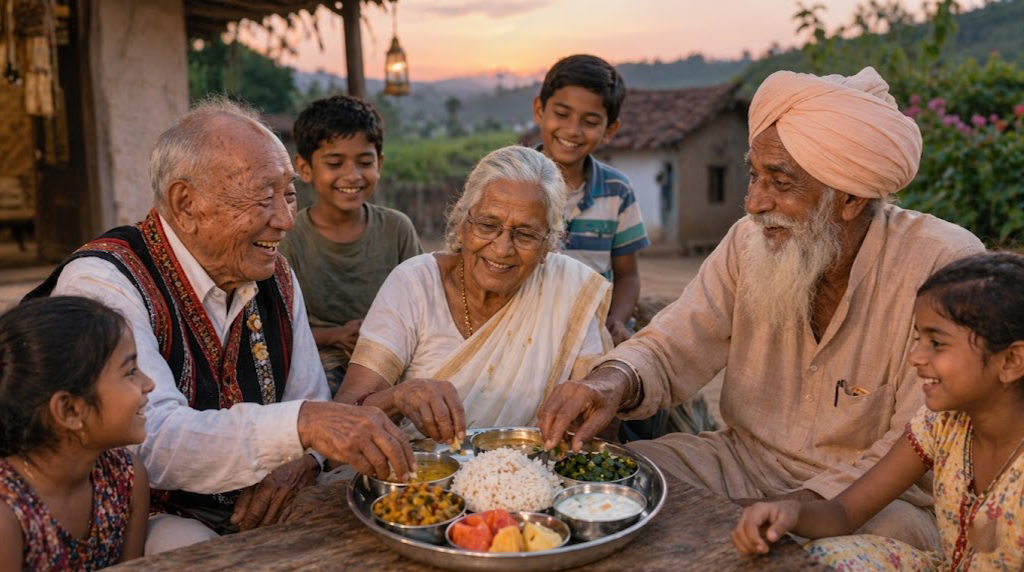
- Uncle Nungshi, 112, Nagaland: “Rice, dal with local greens, bamboo pickle, and whatever fruit falls. We eat together at dusk. No one gets sick because no one eats alone or in stress.”
These aren’t fairy tales. They’re documented cases from recent studies. The common thread? Consistency, community, and that exact 7-food plate.
Safe Longevity Tips: Bringing the 7-Food Plate Home (Even in a City Flat)
Ready to try? Here’s how to make it work without moving to the hills:
- Start Small: Begin with dinner only. One 7-food plate, eaten by 7 PM.
- Source Smart: Buy hand-pounded rice or millets online or from local mills. Grow drumstick in a pot if needed.
- Prep Once: Make turmeric-ginger paste and fermented pickle weekly.
- Portion Wisely: Fill half your plate with greens and dal, quarter with grain, rest with curd and sides. Stop at 80% full.
- Listen to Your Body: Track energy, digestion, sleep. Adjust ghee if needed.
- Family First: Eat together—no phones. It’s the secret sauce.
Consult When Needed: If you have medical conditions, chat with a doctor or Ayurvedic practitioner first.
Desi Diet Hacks: Recreating the Exact Longevity Plate in Your Kitchen
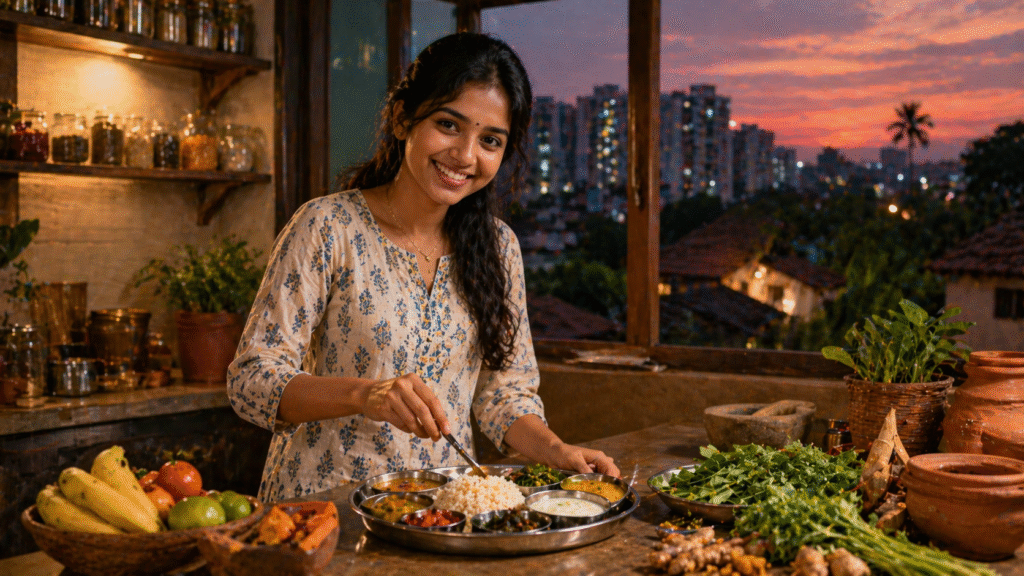
What does a real day look like? Here’s a simple, adaptable meal plan:
- Grains: ½ cup hand-pounded rice or ragi porridge.
- Dal: 1 small bowl moong dal with ginger.
- Curd: 1 cup fresh homemade curd or buttermilk.
- Greens: Stir-fried drumstick or palak sabzi.
- Spices: Turmeric-ginger tadka in 1 tsp ghee.
- Fermented: 1 tbsp bamboo/achar/coconut chutney.
- Fruit: 1 seasonal banana, guava, or papaya.
Variations: Kerala style adds grated coconut; Punjab adds a roti; Nagaland swaps in smoked local greens. Total time: 20 minutes if dal is pre-soaked. Cost: pocket-friendly. Taste: pure comfort that satisfies without heaviness.
Wrapping It Up: Your Last Meal Could Be Your First Step to 100+
India’s 120-year-olds aren’t lucky—they’re consistent. Their “boring” 7-food longevity plate isn’t a diet; it’s a way of life that modern trends forgot. We chase quinoa and collagen while they quietly thrive on dal, curd, and greens. The difference isn’t willpower. It’s remembering what our grandparents knew: food should nourish, not complicate.
If this resonates, start tonight. Swap one meal for the 7-food plate. Watch how your body thanks you. You don’t need to live to 120—just feel better tomorrow. What’s stopping you? Tried any version of this plate? Which food surprised you most? Drop your story, tweaks, or village grandma tips in the comments below. Let’s rebuild India’s real Blue Zone—one simple plate at a time. Share this with someone who needs it. Your future 100-year-old self will thank you.
You May Like This
1



Advertisement

You May Like This



Advertisement
Advertisement
Advertisement