
Advertisement

- Updated on November 22, 2026
- IST 9:00 am
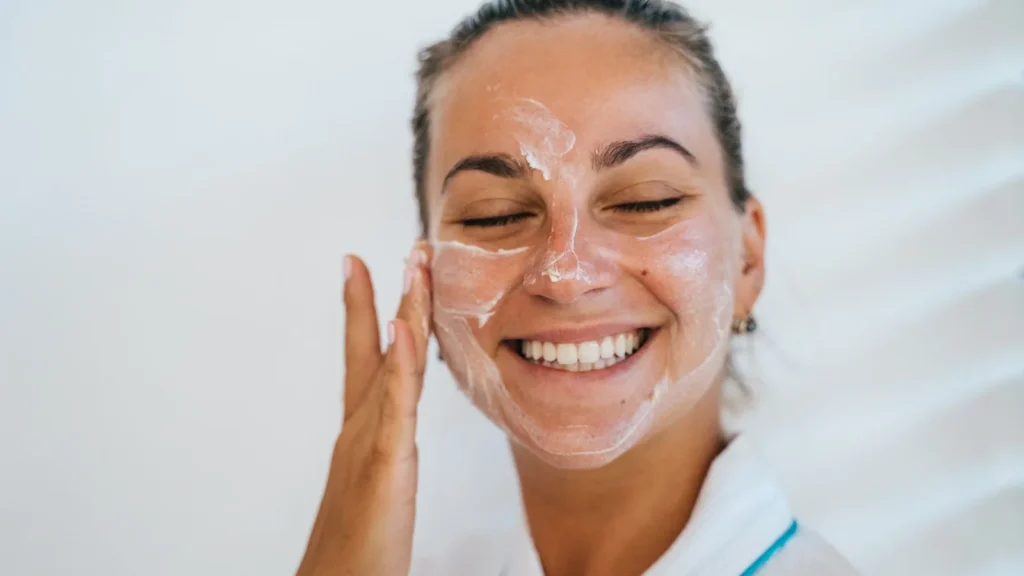
Slugging skincare means putting a thin layer of petroleum jelly on your face as the last step of a night routine, so the water in your skin cannot easily escape while you sleep. It helps dry winter skin because petroleum jelly cuts water loss from the skin by more than 98 per cent, according to a review in the Indian Journal of Dermatology. But dermatologists say it is not meant for every night or every skin type.
What is slugging in skincare?
The name comes from the shiny, slug-like look of the face once the jelly goes on. A 2022 paper in Clinics in Dermatology described slugging as a viral TikTok trend that involves “slathering a petrolatum-based ointment on the skin” as the last step of an evening routine.
Petrolatum is the technical name for petroleum jelly. The ingredient itself is not new: a journal paper was already testing whether it blocks pores in 1996.
In a typical slugging routine, a moisturiser goes on first. A thin layer of petroleum jelly then goes on top as the seal.
Why does slugging work for dry winter skin?
Skin loses water into the air all the time. Doctors call this transepidermal water loss, or TEWL. A 2016 review in the Indian Journal of Dermatology lists low temperature and low humidity among the factors that dry out skin. Both are common in winter.
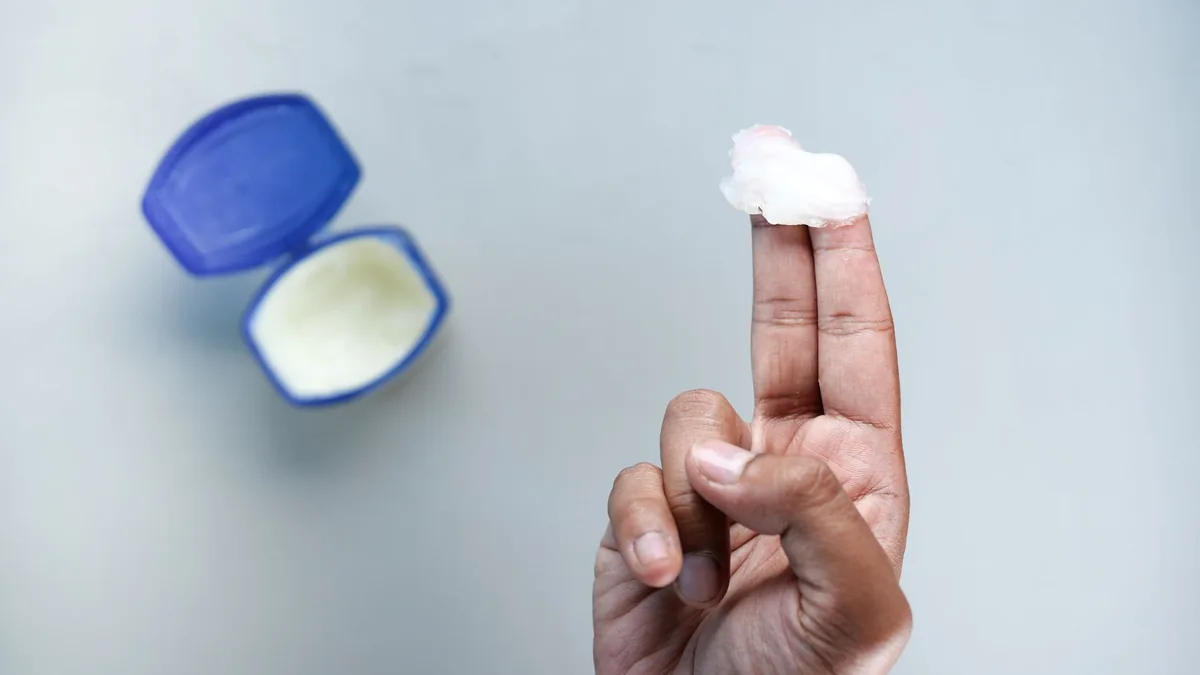
Petroleum jelly is an occlusive. It sits on top of the skin and forms a barrier that water cannot easily pass through. The same review says petrolatum, at a minimum concentration of 5 per cent, reduces TEWL by more than 98 per cent. Lanolin, mineral oil and silicones reduce it by only 20–30 per cent.
There is a limit, though. Dermatology Times notes that petrolatum does not draw water into the skin and does not replace the skin’s own fats. It only stops water from leaving. That is why slugging is usually done over a moisturiser, not on bare, dry skin.
What does the research on slugging show?
There is solid research on petroleum jelly. There is no clinical trial on the trend itself. A dermatology clinic guide published in October 2026 says that the evidence for petrolatum as a skin barrier protectant is strong, but slugging has not been tested in trials.
Here is the evidence, in the order it was published:
- 1996: A paper in the Journal of the Society of Cosmetic Chemists, titled “Petrolatum is not comedogenic in rabbits or humans”, challenged the idea that petroleum jelly clogs pores. In that study, both petrolatum and a 30 per cent petrolatum product reduced the number of pimples (papulo-pustules).
- 2004: A randomised double-blind trial compared virgin coconut oil with mineral oil on mild to moderate dry skin. People put one of the two on their legs twice a day for two weeks. The two oils had comparable effects.
- April 2016: Researchers at the Icahn School of Medicine at Mount Sinai kept petrolatum sealed on the skin for 48 hours. They did this in healthy people and in people with atopic dermatitis (eczema). Skin biopsies showed a rise in antimicrobial peptides and in genes linked to barrier repair. The study appeared in the Journal of Allergy and Clinical Immunology.
- May 2016: The Indian Journal of Dermatology review reported the “more than 98 per cent” water-loss figure for petrolatum.
- 2022: Researchers looked at the top 50 TikTok videos on slugging. Only 18 (36.7 per cent) were judged educational. Most videos by health care providers (87.5 per cent) were educational. Influencers more often posted videos about their own experience.
So the ingredient is well studied. How often to slug, on which skin type and with which other products is mostly expert opinion. This happens often with viral skincare. Our report on glass skin and misleading TikTok claims found the same gap between what videos say and what studies show.
Petroleum jelly vs coconut oil vs ghee: what the studies say
In many Indian homes, the winter jar holds coconut oil or ghee, not petroleum jelly. Here is how they compare on published evidence:
- Petroleum jelly (petrolatum): Cuts water loss by more than 98 per cent at a concentration of 5 per cent or higher (Indian Journal of Dermatology, 2016). Skin biopsies showed signs of barrier repair (JACI, 2016). It does not add water on its own.
- Mineral oil, lanolin and silicones: Cut water loss by 20–30 per cent (same 2016 review).
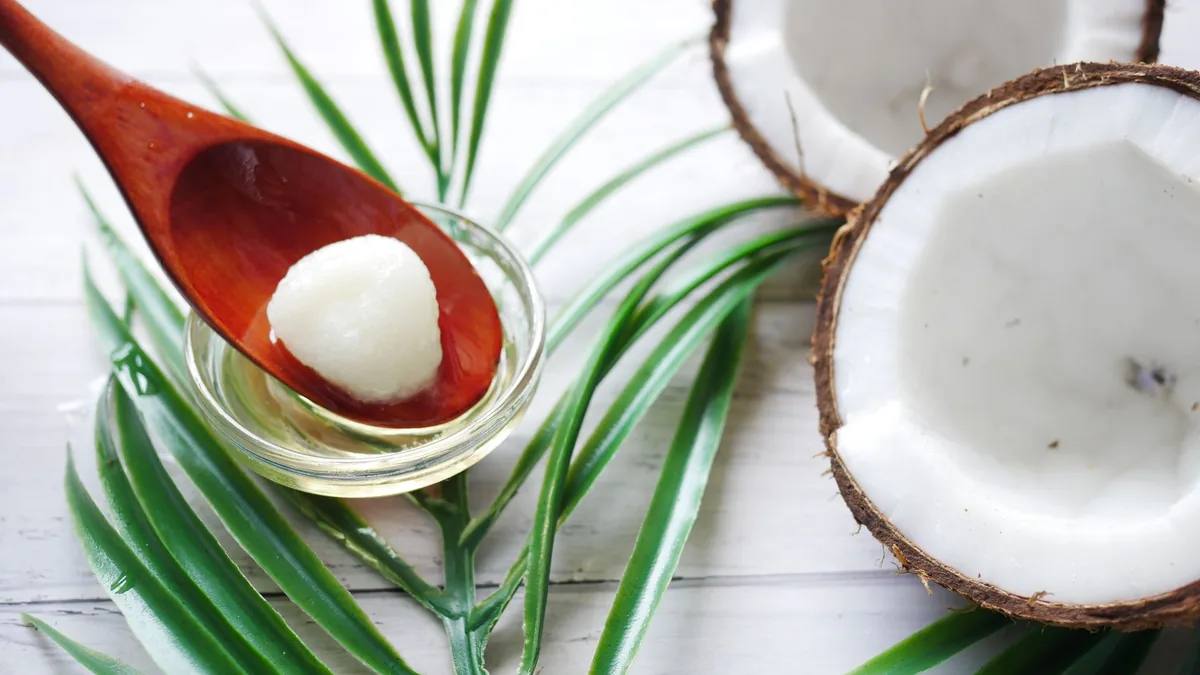
- Virgin coconut oil: As effective and safe as mineral oil for mild to moderate dry skin in the 2004 trial. A review in the Indian Journal of Dermatology, Venereology and Leprology notes that coconut oil did slightly better, but the difference was not statistically significant. Neither oil caused bad reactions or positive patch tests.
- Ghee: Widely used at home for lips and dry patches. We could not find a published clinical trial of ghee on facial skin, so there is no study-based number to compare.
The 2016 review also lists the usual drawbacks of occlusives: smell, possible allergy and a greasy feel.
Does slugging cause acne? Myths vs facts
Myth: Petroleum jelly always clogs pores
Fact: The 1996 study found that petrolatum did not clog pores in rabbits or humans. But the paper also says it is not recommending petrolatum as a treatment for inflammatory acne. A dermatology clinic guide says people with acne-prone or oily skin should check with a dermatologist before slugging.
Myth: Petroleum jelly causes cancer
Fact: Petrolatum can contain contaminants called polycyclic aromatic hydrocarbons (PAHs). The European Commission has said that highly refined petrolatum is free from such contamination. EU law bans petrolatum in cosmetics unless its full refining history is known and its source material is not a carcinogen.
Myth: The more often you slug, the better
Fact: Cleveland Clinic dermatologist Dr Amy Kassouf says slugging is more likely to help in dry winter months, and “rarely should this be an every night routine”. If skin turns red or irritated after slugging, she says it is wise to see a dermatologist.
Myth: All dermatologists say never slug over retinol
Fact: They disagree. One dermatologist told Yahoo Lifestyle she would avoid slugging over retinoids and AHA or BHA acids because the jelly “locks these strong ingredients in”. Others said it can be fine if the retinol suits the skin and has been used for at least three months without irritation.
Who should be careful with slugging?
The sources above most often name these groups:
- Acne-prone or oily skin: told to check with a dermatologist first.
- People using strong actives: retinoids and exfoliating acids. Expert advice here is split.
- Anyone whose skin turns red or irritated: Cleveland Clinic says to see a dermatologist.
- Anyone sitting close to a flame or heater: explained below.
Beauty videos rarely mention the fire risk. The UK’s Specialist Pharmacy Service (part of the NHS) says moisturiser residue can raise the risk of severe and fatal burns. This happens when the residue soaks into clothing, bedding or other fabric and the fabric catches fire. In December 2018, the UK medicines regulator, the MHRA, extended its warning to any skin product that contains liquid paraffin, in any amount.
The risk is not limited to paraffin. The NHS guidance says shea butter, cocoa butter, nut oils, mineral oil, beeswax and lanolin are also flammable. There is no evidence that low-paraffin products are safer. The MHRA says residue can stay on fabric even after a hot wash. It still advises people with long-term dry skin to keep using their moisturisers as directed. In winter homes with angithis, diyas, bonfires or room heaters, this residue on pillow covers and shawls is worth keeping in mind.

Key facts
- More than 98 per cent: drop in skin water loss with petrolatum at a concentration of 5 per cent or more (Indian Journal of Dermatology, 2016).
- 20–30 per cent: drop with lanolin, mineral oil and silicones (same review).
- 48 hours: petrolatum sealed on the skin raised antimicrobial peptides and barrier-repair genes (JACI, 2016).
- 36.7 per cent: share of top TikTok slugging videos judged educational (Clinics in Dermatology, 2022).
- Two weeks, twice a day: virgin coconut oil matched mineral oil for dry skin on the legs (2004 trial).
- None: clinical trials on slugging as a routine, according to a dermatology clinic guide, as of 19 November 2026.
- December 2018: the UK regulator MHRA widened its burn warning to products with any amount of liquid paraffin.
What to watch next
The biggest gap is a trial on slugging itself. It would need to test how many nights a week to do it, on which skin types and over which products. Until that happens, the routine rests on strong data about petroleum jelly and expert opinion on everything else.
The second gap is Indian home ingredients. Coconut oil has one small trial behind it. As far as we could find, ghee has no trial on facial skin. Winter in India also brings other skin and hair problems. Read our explainers on what studies link to Delhi’s smog and skin and on hard water and hair fall.
FAQ
What is slugging in skincare?
Slugging means putting a thin layer of a petroleum jelly-based ointment on the skin as the last step of a night routine. The layer seals in moisture, so less water escapes from the skin overnight.
Is slugging good for oily or acne-prone skin?
A 1996 study found that petrolatum did not clog pores, but the paper said it was not recommending petrolatum for acne. Dermatology guides tell people with oily or acne-prone skin to ask a dermatologist first.
How often should you do slugging?
No trial has tested this. A Cleveland Clinic dermatologist says it is most useful in dry winter months and should rarely be an every-night routine.
Is coconut oil or ghee the same as slugging?
Not quite. Petrolatum blocks more than 98 per cent of water loss, while mineral oil blocks 20–30 per cent. Coconut oil matched mineral oil in one 2004 trial, and we found no published trial of ghee on facial skin.
Sources
- Indian Journal of Dermatology: Moisturizers: The Slippery Road (Sethi, Kaur, Malhotra, Gambhir) (2016-05-01)
- Journal of Allergy and Clinical Immunology (via Semantic Scholar): Petrolatum: Barrier repair and antimicrobial responses underlying this “inert” moisturizer (2016-04-01)
- Dermatology Times: Social Media Mythbusters: Slugging (2026-08-05)
- PubMed (Clinics in Dermatology): Slugging: TikTok as a source of a viral “harmless” beauty trend (2022-08-09)
- Journal of the Society of Cosmetic Chemists: Petrolatum is not comedogenic in rabbits or humans (1996-01-01)
- Dermatitis (via Semantic Scholar): A randomized double-blind controlled trial comparing extra virgin coconut oil with mineral oil as a moisturizer for mild to moderate xerosis (2004-09-01)
- Indian Journal of Dermatology, Venereology and Leprology: Coconut oil – Nature’s own emollient (2024-12-23)
- Cleveland Clinic: Slugging: Does This Skin Care Trend Work? (2025-06-18)
- Yahoo Lifestyle: Can You Use a Retinol Product While Slugging? (2022-06-08)
- Acibadem International: Slugging: What Occlusive Skincare Does, and Who Should Skip It (2026-10-02)
- European Parliament: Joint answer given by Ms Bieńkowska on behalf of the Commission (petrolatum) (2017-03-01)
- NHS Specialist Pharmacy Service: Managing fire risk with emollients and other skin products (2026-06-25)
- Leigh Day: MHRA Drug Safety Update: severe and fatal burns risk with emollients (2023-10-17)
You May Like This


Advertisement


You May Like This





Advertisement


Advertisement


Advertisement