Food inflation in October 2026 rose to 8.94 per cent, up from 7.74 per cent in September, according to official data released by the Ministry of Statistics and Programme Implementation (MoSPI) on 12 November. Onion led the price rise with inflation of 116.22 per cent, and overall retail inflation reached 6.09 per cent, just above the top of the Reserve Bank of India’s (RBI) 2–6 per cent comfort band.
What is the food inflation rate for October 2026?
The Consumer Food Price Index (CFPI), which tracks food prices paid by households, rose 8.94 per cent in October 2026 compared with October 2025. This is a provisional figure. In September, the final figure was 7.74 per cent. Food inflation was 9.09 per cent in villages and 8.68 per cent in cities.
Headline retail inflation, measured by the Consumer Price Index (CPI), rose to 6.09 per cent from 5.54 per cent in September. Rural inflation was 6.63 per cent and urban inflation was 5.41 per cent. The RBI aims to keep inflation at 4 per cent, with a tolerance band of 2 to 6 per cent. October’s reading is above that upper limit.
MoSPI also reports a broader “food and beverages” group, which includes items such as packaged foods and drinks. That group rose 8.51 per cent in October. The CPI series now uses 2024 as its base year. Down To Earth reported that the weight of food and beverages in the CPI basket fell from 45.86 per cent to 36.75 per cent under the new series, so food now has a smaller effect on the headline number than before.
Which food items saw the highest inflation in October?
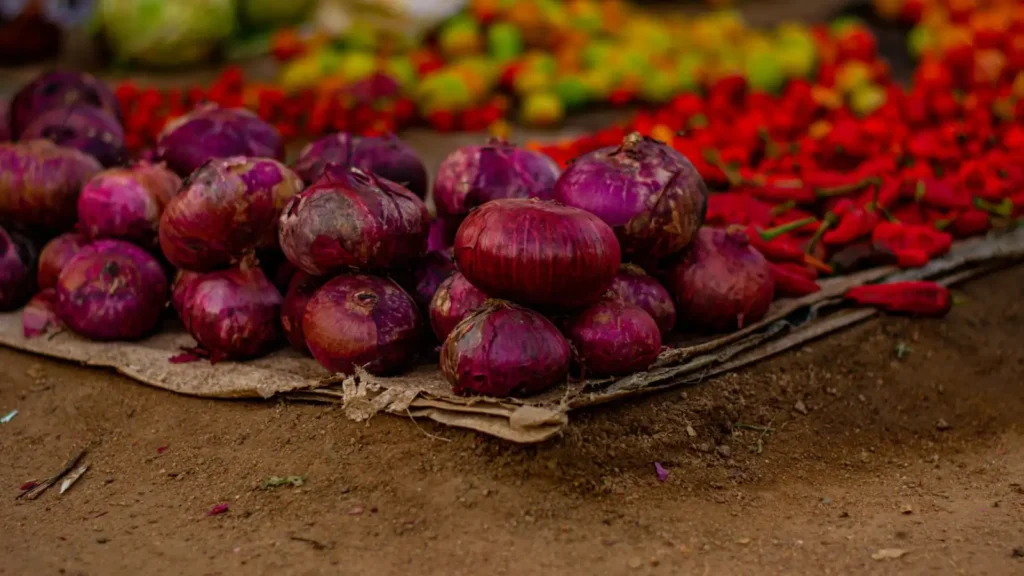
Kitchen basics that add flavour to everyday Indian cooking topped the list. MoSPI’s data shows onion inflation at 116.22 per cent in October, up from 108.13 per cent in September. In simple terms, onions cost more than double what they did a year ago.
Garlic came next at 60.74 per cent, up from 54.62 per cent. Lemon rose to 47.30 per cent from 36.41 per cent. Ginger stayed high at 48.32 per cent, though this was lower than September’s 62.85 per cent. Silver jewellery (52.39 per cent) was the only non-food item in the top five.
Key numbers from the October 2026 data:
- Food inflation (CFPI): 8.94 per cent, up from 7.74 per cent in September
- Retail inflation (CPI): 6.09 per cent, up from 5.54 per cent
- Onion: 116.22 per cent, the highest of any item
- Garlic: 60.74 per cent; ginger: 48.32 per cent; lemon: 47.30 per cent
- Restaurants and accommodation: 10.06 per cent
- Potato: minus 14.24 per cent, the steepest fall
- Prices collected from 1,407 urban markets (including online markets) and 1,465 villages
Why are onion prices so high right now?
Crisil, a ratings and research firm, says onion prices rose because rabi (winter-sown) production fell 5 to 6 per cent, stored stocks ran low, and the new kharif (monsoon-sown) crop reached markets late. Its monthly report puts the average onion price used in its thali calculation at about ₹53 a kg in October, more than double the level a year earlier.
Government price data quoted by Down To Earth shows a similar picture. The average onion price was ₹53.81 a kg on 12 November, compared with ₹26.91 on the same day last year. Sugar was ₹60.40 a kg, up from ₹46.59. Down To Earth also links the wider food price rise to uneven rainfall linked to El Niño, crop diseases, and higher costs of crude oil and fertiliser.
The government has already tried to cool onion prices. In September, the Free Press Journal reported that NAFED and NCCF were selling buffer-stock onions at ₹35 a kg in Delhi and other cities, but retail prices kept rising.
How much does a home-cooked thali cost now?
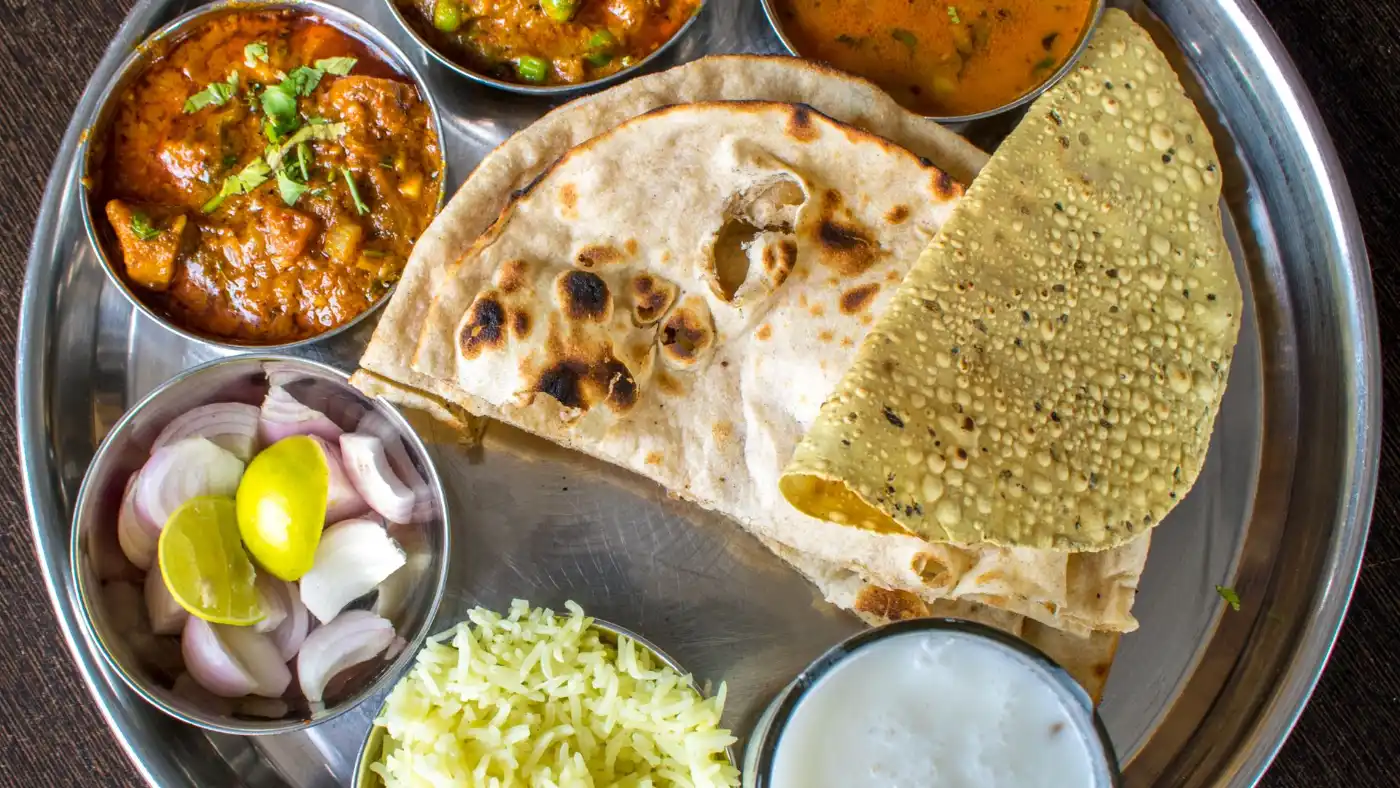
Crisil’s Roti Rice Rate report, published in November, tracks the cost of making a simple plate of food at home. A vegetarian thali cost ₹31.2 in October 2026, up 12 per cent from ₹27.8 a year earlier. It was 1 per cent higher than in September.
A non-vegetarian thali cost ₹59.2, up 9 per cent from ₹54.4 a year ago. It was 1 per cent cheaper than in September because broiler chicken prices fell 2 per cent during the festive weeks, when demand for meat usually drops.
Besides onion, Crisil found that rice rose 10 per cent from a year earlier, as rice arrivals fell 40 per cent in October because of a delayed harvest. Vegetable oil rose 13 per cent, linked to global tension and worries that El Niño may hurt palm oil output. Tomato rose 6 per cent, because the kharif crop from southern and western states came in late while festive demand stayed strong.
Eating out is also costlier. MoSPI data shows prices in the restaurants and accommodation group rose 10.06 per cent in October, faster than food bought for home.
Which foods got cheaper in October?
Some vegetables are cheaper than last year. Potato prices fell 14.24 per cent, cauliflower fell 10.57 per cent, coconut fell 5.60 per cent, brinjal fell 3.34 per cent and cabbage fell 1.92 per cent. For families planning weekly meals, potato, cauliflower and cabbage dishes cost less than they did a year ago, while onion-heavy gravies cost more.
Which states have the highest inflation?
Among states with a population of more than 50 lakh, MoSPI data shows Tamil Nadu had the highest retail inflation in October at 7.29 per cent. It was followed by Telangana (7.26 per cent), Andhra Pradesh (7.25 per cent), Madhya Pradesh (7.19 per cent) and Odisha (7.17 per cent). Among all states and union territories, Puducherry was highest at 7.96 per cent. According to DD News, Delhi was among the lowest at 3.80 per cent.
What to watch next
The November 2026 CPI data is due on 14 December. Three things will shape it. The first is how quickly fresh kharif onion and tomato crops reach mandis. The second is the rice harvest, which Crisil says was delayed. The third is edible oil, which depends on global prices and palm oil output.
The RBI is also watching. An analysis by 5paisa notes that the RBI raised its policy rate to 5.5 per cent in October, and that some economists, including Crisil’s Dipti Deshpande and Emkay Global’s Madhavi Arora, expect a further increase at the December policy meeting. Higher rates can make home and car loans more expensive, so food prices now affect more than just the kitchen budget.
FAQ
What is food inflation in India in October 2026?
It is 8.94 per cent, as measured by the Consumer Food Price Index. This is a provisional figure released by MoSPI on 12 November 2026.
What is retail inflation in October 2026?
Retail inflation (CPI) is 6.09 per cent, up from 5.54 per cent in September and above the RBI’s upper tolerance limit of 6 per cent.
Why did onion prices rise so much?
Crisil links it to a 5 to 6 per cent fall in rabi onion production, low stored stocks and a late kharif crop. Onion inflation was 116.22 per cent in October.
When will November inflation data be released?
MoSPI will release the November 2026 CPI data on 14 December 2026, or on the next working day if that date is a holiday.