
Advertisement

- Updated on November 18, 2026
- IST 4:30 am
Glass skin is a Korean beauty trend for a face so smooth and dewy that it looks almost reflective. Online, it is usually sold through long routines with many steps. Research presented at a major European dermatology congress this year checked 38 viral TikTok videos about it: almost 95 per cent made at least one misleading claim, and none was made by a dermatologist.
What is glass skin?
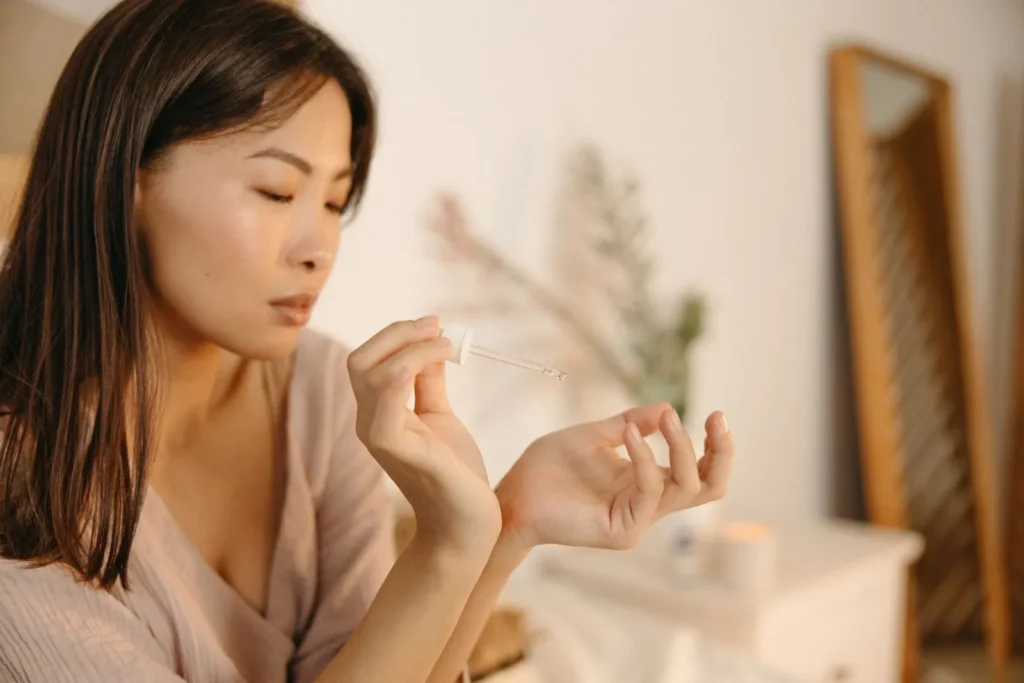
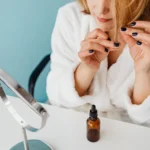
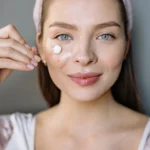
Glass skin is a Korean beauty trend for skin that looks glossy, smooth and almost reflective. CNN reports that beauty influencers film long routines on TikTok and Instagram to get this look. Celebrities including Kylie Jenner and Hailey Bieber have spread it further by posting their own regimens.
The phrase is not new. CNN, citing Google Trends, says it first appeared in the early to mid-2010s. Searches then rose sharply at the end of 2025, and the rise carried into 2026.
In India, glass skin is part of the wider K-beauty wave. PBTrendz has reported on how K-beauty demand is growing among Gen Z shoppers on Myntra, including in smaller cities. The look is easy to show on camera, which is a big reason it spreads so fast on reels.
What did the new study find?
Researchers presented the study on 30 September 2026 at the European Academy of Dermatology and Venereology (EADV) Congress 2026 in Vienna. They assessed 38 viral TikTok videos about Korean skincare and glass skin, collected in May 2026 through five search terms. According to the EADV press release, almost 95 per cent of the videos contained at least one misleading claim.
None of the videos was produced by a dermatologist. The release says nearly 82 per cent were made by non-physician influencers, 11 per cent by beauty brands and 8 per cent by other beauty content creators.
The release lists other gaps too: 84 per cent of the videos did not account for different skin types, 45 per cent promoted excessive combinations of active ingredients and 32 per cent promised instant results. Only one of the 38 mentioned the risk of irritation, only two addressed sun protection, and none cited an external source.
One limit to keep in mind: this is a congress presentation of 38 videos, not a full journal paper, so it is a small sample.
Why can a long routine hurt your skin?
Dermatologists quoted by CNN warn that complicated routines can irritate the skin and damage its protective barrier. The barrier is the outer layer of the skin. It helps hold water in and keep irritants out.
They also say the glass skin look may be unrealistic, and that the routines behind it do not suit every skin type. A routine that works on one creator’s face, under good lighting, says little about how another person’s skin will react.
The bigger risk is stacking. Each product in a long video may look gentle on its own, but experts warn about what happens when strong products are combined. An expert quoted by Yahoo made this point about spicule serums, one of the newer glow products (more on them below).
Glass skin: the promise vs the evidence
Here is what viral glass skin videos usually suggest, next to what dermatologists and researchers have actually said.
- Promise: more steps give more glow. Evidence: dermatologists quoted by CNN say complicated routines can irritate skin and damage its barrier.
- Promise: the video shows you the method. Evidence: the EADV study found that almost 95 per cent of 38 viral glass skin videos made at least one misleading claim, and none cited an external source.
- Promise: one routine works for all. Evidence: 84 per cent of the videos in the study did not account for different skin types.
- Promise: the advice comes from people who know skin. Evidence: none of the viral videos in the study was made by a dermatologist.
- Promise: the look suits everyone. Evidence: dermatologists say the look may be unrealistic and the routines do not suit every skin type.
- Promise: a “microneedling in a bottle” serum gives clinic results at home. Evidence: an expert told Yahoo that a spicule serum will not give the same results as a treatment done in a clinic, and that clinical evidence is still limited.
- Promise: a stronger tingle means it is working. Evidence: the same expert said a higher spicule count or strength is not automatically better.
Where do spicule serums fit in?
Spicule serums are one of the newer add-ons in many glow routines. They contain tiny, needle-like structures and are marketed as “microneedling in a bottle”. Yahoo reports that the idea is to help other ingredients get into the skin.
Experts quoted by CNN Underscored explain why people like them. Hovenic said spicule skincare became popular because it aims to improve texture and smoothness without a clinic visit. Board-certified dermatologist Dr Dara Spearman said the liquid is meant to exfoliate without the harsh irritation of scrubbing.
The warning comes from Garshick, the expert quoted by Yahoo. Garshick said that using a spicule product too often, or stacking it with other strong actives, could irritate or damage the skin barrier. Garshick also said more research is needed to understand its long-term risks and benefits.
This pattern is common in beauty trends. With PDRN serums too, most of the evidence comes from injections given in clinics, not from serums used at home.
Does winter in India change things?
In much of north India, winter brings cold, dry air. In cities such as Delhi, it also brings smog. PBTrendz has explained what studies link to smog and skin this season.
In an India TV report, Oscar Pereira, founder of the skincare brand CodeSkin, said over-cleansing is one of the most common winter skincare mistakes. The report explains that skin needs its natural lipids (fats) to hold moisture. It also notes that sunscreen still matters in winter, even though many people skip it.
Why are brands now selling “fewer steps”?
The move away from long routines is now showing up in Indian advertising. On 17 November 2026, NIVEA launched a new TV commercial for NIVEA Soft featuring its brand ambassador Taapsee Pannu and actor and digital creator Jannat Zubair. The details come from a company release carried by The Tribune.
In the film, Jannat Zubair plays a young viewer who feels overwhelmed by trending skincare routines. Taapsee Pannu brings the focus back to everyday moisturising, the company says.
This is a brand message, not scientific evidence, and it is selling a product. But it shows that “keep it simple” has become a selling point in India, not just a warning from dermatologists.
How to read a viral glass skin video
This is not skincare advice. It is a simple way to judge what you are watching.
- Who made it? In the EADV study, none of the 38 viral videos came from a dermatologist, and none cited an external source.
- Is a claim backed by a named study? If the only proof is the creator’s own face on camera, treat it as a personal story, not evidence.
- How many strong products are stacked? Experts quoted by CNN and Yahoo link complicated routines and stacked actives to irritation.
- Is the product being sold in the video? A creator who is paid, or who earns from sales links, has a reason to make results look bigger.
Key facts
- Glass skin means a glossy, almost reflective complexion, usually chased with long, multi-step routines.
- CNN, citing Google Trends, reports that the phrase first appeared in the early to mid-2010s and that searches rose sharply from the end of 2025 into 2026.
- Research presented on 30 September 2026 at the EADV Congress in Vienna checked 38 viral TikTok videos: almost 95 per cent made at least one misleading claim.
- None of those videos was made by a dermatologist; 45 per cent promoted excessive combinations of active ingredients.
- Dermatologists warn that complicated routines can irritate skin and damage its protective barrier.
- Spicule serums are sold as “microneedling in a bottle”, but an expert told Yahoo the clinical evidence is still limited.
- On 17 November 2026, NIVEA launched an “everyday hydration” TV commercial for NIVEA Soft with Taapsee Pannu and Jannat Zubair.
What to watch next
- The full EADV paper: whether the 38-video study appears in a journal with its full method.
- Spicule research: whether larger trials test spicule serums, since experts say the evidence so far is limited.
- Brand messaging in India: whether more brands follow NIVEA with “fewer steps” campaigns aimed at Gen Z.
FAQ
What does glass skin mean?
Glass skin is a Korean beauty trend for skin that looks smooth, dewy and almost reflective. On social media it is usually linked to long, multi-step routines.
Is the glass skin routine bad for your skin?
Dermatologists quoted by CNN say complicated routines can irritate skin and damage its protective barrier, and that they do not suit every skin type. For any specific skin problem, ask a dermatologist.
What did the EADV glass skin study find?
Research presented at the EADV Congress on 30 September 2026 assessed 38 viral TikTok videos on Korean skincare and glass skin. Almost 95 per cent contained at least one misleading claim, and none was made by a dermatologist.
Do spicule serums work like microneedling?
An expert told Yahoo that a spicule serum will not give the same results as a treatment done in a clinic, and that clinical evidence is still limited. Using it often, or with other strong actives, could irritate the skin barrier.
Sources
- EADV (PR Newswire): Almost 95% of viral Korean skincare and ‘glass skin’ TikTok videos contain misleading claims, new study shows (2026-09-30)
- CNN: The ‘glass skin’ Korean beauty trend has risks, experts warn (2026-10-08)
- Yahoo: “Microneedling in a Bottle” Is Going Viral—But Is Spicule Skincare Safe? (2026-10-12)
- CNN Underscored: What is spicule skin care? Dermatologists share the benefits of ‘microneedling in a bottle’ (2026-07-02)
- India TV: Winter skincare routine for Northern India: Beat dryness, dullness and cracked skin (2026-01-20)
- The Tribune (ANI/company release): Taapsee Pannu and Jannat Zubair Team Up with NIVEA Soft to Simplify Everyday Hydration for Gen Z (2026-11-17)
You May Like This


Advertisement


You May Like This



Advertisement


Advertisement


Advertisement