
Advertisement

- Updated on November 23, 2026
- IST 4:30 am
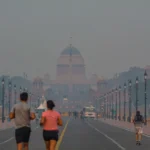
Studies do not show that a morning walk in winter is bad in itself: large research projects link physical activity at any time of day to a lower risk of early death. What they do show is that cold days strain the heart, with more heart attacks and heart deaths recorded on the coldest days in Sweden and in 567 cities around the world. With Delhi logging its coldest morning of the season so far at 10.6°C on 19 November, here is what the evidence says, and what it does not.

Is it okay to go on walks in winter?
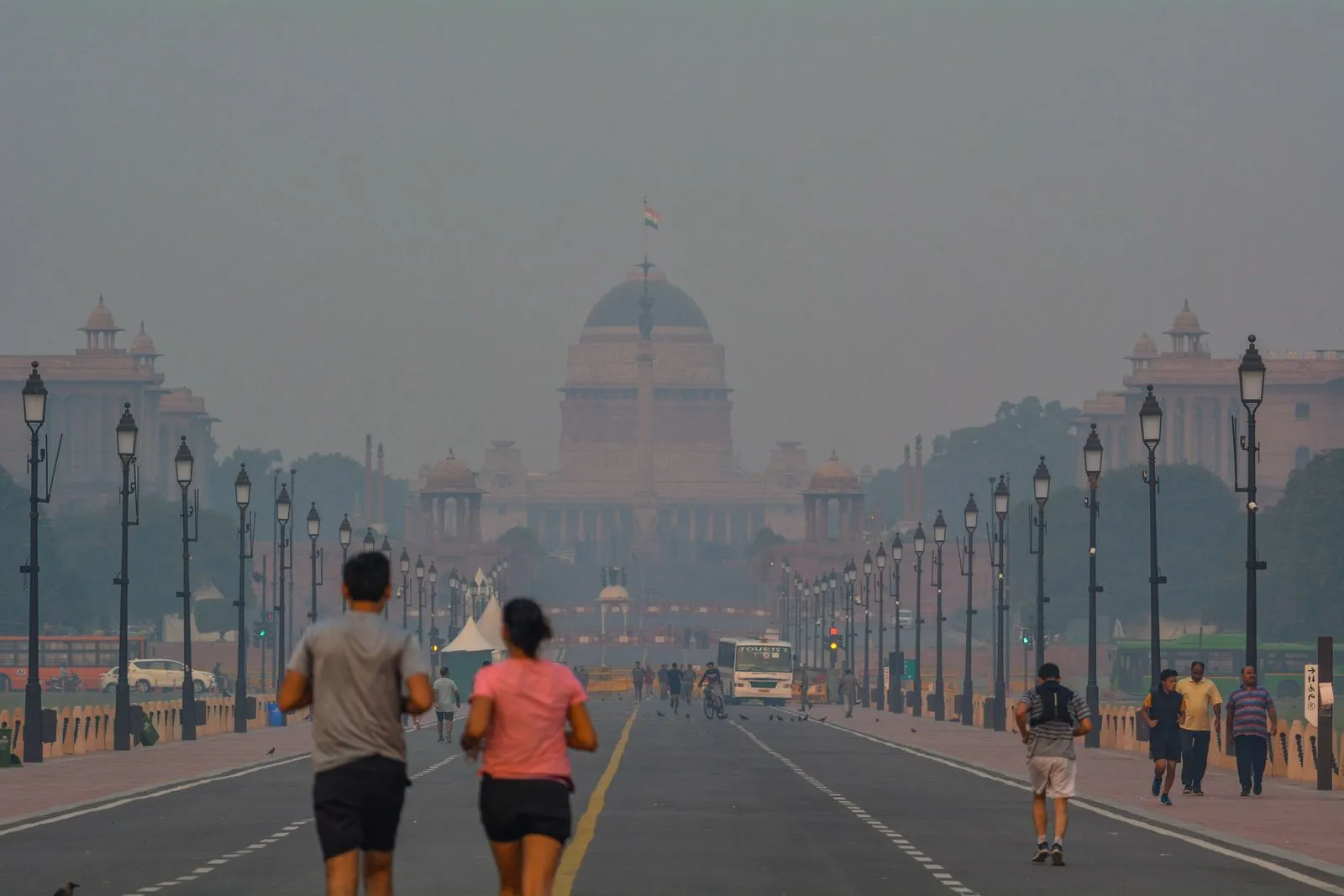
The question comes back every winter, and this year the cold arrived on time. On 18 November, Delhi’s Safdarjung station recorded 11°C, 1.3°C below normal, according to India Meteorological Department (IMD) figures reported by PTI. A day later the minimum fell to 10.6°C, 1.7°C below normal, and the air quality index stood at 289, in the “poor” band, at 9 am.
Two separate questions matter here: does cold weather raise heart risk, and does the time of day you exercise make a difference? The answers differ.
What do studies say about cold weather and heart attacks?
One of the largest studies on weather and heart attacks comes from Sweden. Published in JAMA Cardiology in October 2018, it used the national SWEDEHEART register: 274,029 heart attack patients between 1998 and 2013, matched with readings from 132 weather stations. A rise of 7.4°C in the minimum air temperature was linked to a 2.8% lower risk of a heart attack. Heart attacks were more common on days below 0°C, and the rate fell once temperatures rose above 3–4°C. The authors called the effect “moderate”, and the main figure is not adjusted for other factors.
A second study looked at deaths. Published in the American Heart Association (AHA) journal Circulation in December 2022, it covered more than 32 million cardiovascular deaths in 567 cities across 27 countries between 1979 and 2019. On each city’s coldest 2.5% of days, there were 9.1 extra cardiovascular deaths for every 1,000. On the hottest 2.5% of days, the figure was 2.2. For heart failure, the gap was wider: 12.8 extra deaths on the coldest days against 2.6 on the hottest.
Two limits matter for Indian readers. The AHA’s own release says South Asia was underrepresented in the data. And both studies measured the weather of whole days in each city. They did not record whether people went out for a walk, so they cannot tell you whether walking in the cold adds risk.
Why does cold weather strain the heart?
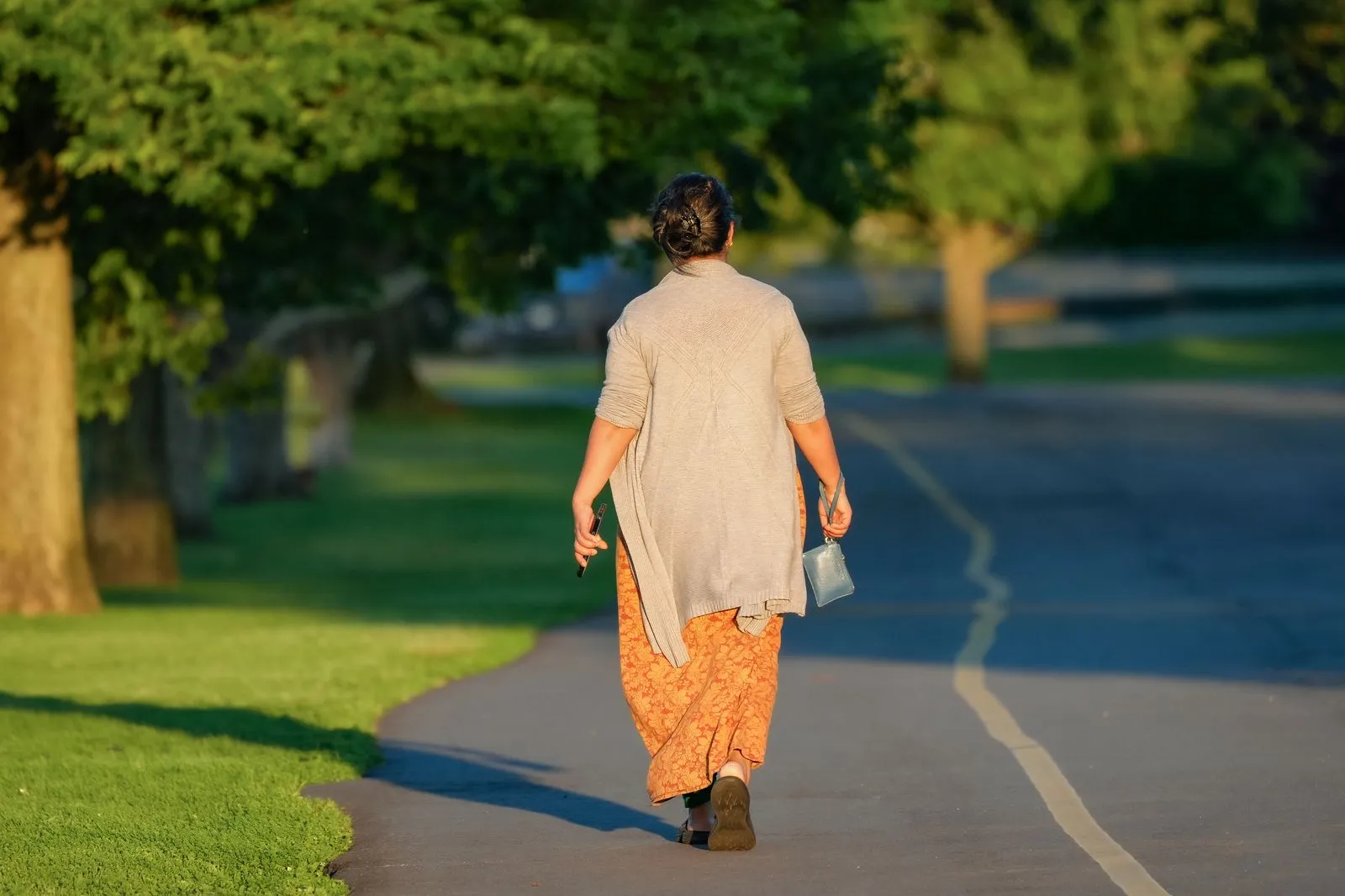
In cold air, blood vessels near the skin narrow to hold in body heat, which raises blood pressure. Dr Sherrie Khadanga, a cardiologist at the University of Vermont, told AHA News in December 2023 that this “in and of itself, can increase the risk of a heart attack or a stroke.”
Indian doctors quoted in the press make the same point, but they do not agree on timing. Dr Rajiv Narang of the cardiology department at AIIMS Delhi told ANI in January 2026: “Early mornings are high-risk,” and “Afternoons are good for a walk.” In Amritsar in December 2025, physician Dr Balbir Singh told The Tribune that “cold air makes the heart work harder to pump blood” and that people with hypertension, diabetes or a history of heart disease are particularly vulnerable. Doctors in that report suggested moving outdoor exercise to after sunrise rather than stopping it.
What is the healthiest time to walk?
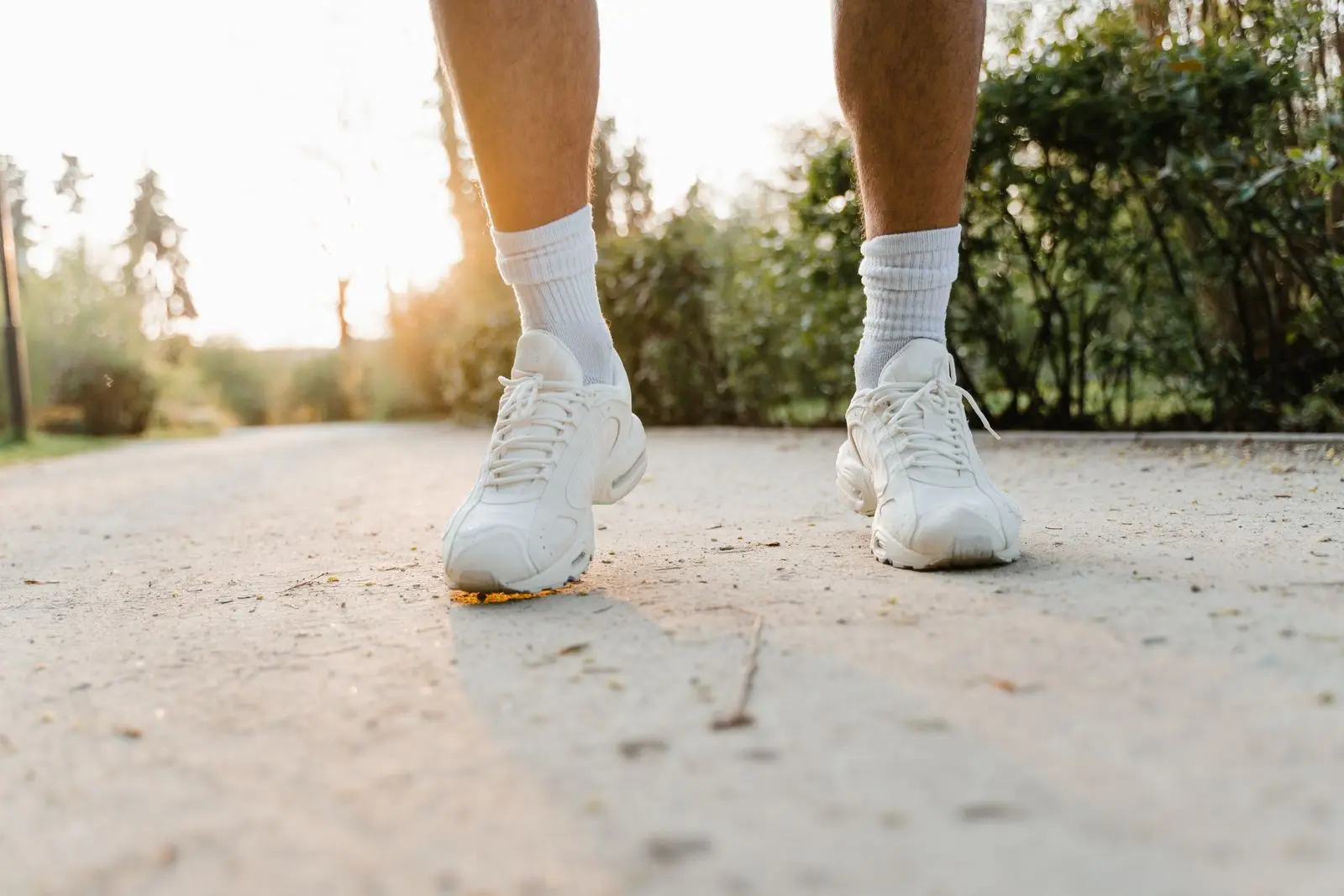
No study has settled this, but one large one has tried. Published in Nature Communications on 18 February 2023, it followed 92,139 UK Biobank participants who wore activity trackers, for a median of more than seven years. Moderate-to-vigorous activity at any time of day was linked to a lower risk of death from all causes, heart disease and cancer.
The researchers then sorted people by when they did most of their activity. Compared with the “morning” group (more than half of their activity between 5 am and 11 am), the midday-afternoon group (11 am to 5 pm) and the “mixed” group had lower risks of death from all causes and from heart disease. The evening group (5 pm to midnight) did not. The gap was larger among older people, men, the least active and those who already had heart disease.
This was an observational study in Britain’s climate, not a trial, and it did not look at cold weather. It suggests timing may matter a little. It does not suggest that morning walkers would be better off not walking.
Is Delhi in a cold wave yet?
Not by IMD’s definition. For a station in the plains, a cold wave needs the minimum temperature to be 10°C or lower and 4.5°C to 6.4°C below normal. A fall of 6.4°C or more below normal is a severe cold wave. A cold wave can also be declared when the minimum itself drops to 4°C or less (2°C or less for a severe one). The conditions must hold at two or more stations in a sub-division for two days in a row.
Delhi’s 10.6°C on 19 November was 1.7°C below normal. That makes the mornings cooler than usual, but well short of cold-wave levels.
Are winter mornings worse for pollution?
Cold mornings are not clean mornings. Delhi’s AQI was 289 on the morning it hit 10.6°C. Doctors quoted by The Tribune said temperature inversion traps pollution near the ground in the early hours, and Dr Narang told ANI that winter pollution adds to heart risk. We looked at how long Delhi’s air allows exercise before the harm outweighs the gain in our explainer on exercise in Delhi pollution.
How many steps do you actually need?
Fewer than the famous 10,000, for many people. A meta-analysis in The Lancet Public Health in March 2022 pooled 15 studies of 47,471 adults, followed for a median of 7.1 years. The risk of death fell as daily steps rose, but it levelled off at 6,000–8,000 steps a day for adults aged 60 and above, and at 8,000–10,000 steps for younger adults. People in the top quarter (a median of 10,901 steps a day) had a 53% lower risk of death than those in the bottom quarter (3,553 steps).
For many Indians, the wider issue is too little movement. WHO’s 2024 country factsheet puts 49.4% of Indian adults as not active enough: 42% of men and 57.2% of women. Building a habit that survives the season is hard, as our piece on the Winter Arc trend found.
What the evidence says
| Claim | What studies show | Source |
|---|---|---|
| Cold mornings cause heart attacks | Cold days are linked to more heart attacks and heart deaths. The studies did not track walking. | JAMA Cardiology 2018; Circulation 2022 |
| Morning is the best time to walk | Activity at any hour was linked to lower death risk. The morning group did a little worse than midday-afternoon. | Nature Communications 2023 |
| You need 10,000 steps | Benefit levelled off at 6,000–8,000 steps (60+) and 8,000–10,000 (under 60). | Lancet Public Health 2022 |
| Cold air is clean air | Delhi’s AQI was 289, “poor”, on its coldest morning so far. | CPCB via PTI |
| Delhi is in a cold wave | 10.6°C was 1.7°C below normal; a cold wave needs 4.5°C below. | IMD |
Key numbers
- 10.6°C: Delhi’s minimum on 19 November, the coldest of the season so far
- 289: Delhi’s AQI at 9 am that day
- 9.1 vs 2.2: extra cardiovascular deaths per 1,000 on the coldest vs hottest days, across 567 cities
- 2.8%: lower heart attack risk for every 7.4°C rise in minimum temperature in Sweden
- 92,139: UK adults in the study on the timing of exercise
- 6,000–8,000: daily steps at which the benefit levelled off for adults 60 and above
- 49.4%: Indian adults who are not active enough, per WHO
What to watch
- IMD’s daily bulletins in December and January, when north Indian stations are more likely to meet cold-wave thresholds.
- Morning AQI readings from CPCB as fog and calm winds set in.
- Indian data: the big temperature studies have few South Asian cities, so Indian hospital records on winter heart attacks would show whether the pattern holds here.
- Advice on timing: doctors quoted here differ between afternoons and after sunrise. Anyone with heart disease, high blood pressure or diabetes is told to ask their own doctor.
FAQ
Is a morning walk in winter good or bad?
Studies link walking and other activity at any hour to a lower risk of early death. Cold days are linked to more heart attacks, so the doctors quoted here single out people with heart disease, hypertension or diabetes.
What is the healthiest time to walk in winter?
No study has settled it. A UK study of 92,139 people found midday-afternoon and mixed timing linked to slightly lower risk than mornings, and an AIIMS cardiologist has said afternoons are good for walks in the cold.
How many steps a day are enough?
In a 15-study analysis, the benefit levelled off at 6,000–8,000 steps for adults over 60 and 8,000–10,000 for younger adults.
Is Delhi in a cold wave?
Not as of 19 November. Its 10.6°C minimum was 1.7°C below normal; IMD’s cold-wave mark is 4.5°C below normal at 10°C or less.
This article explains research and official data. It is not medical advice.
Sources
- ThePrint (PTI): Delhi records season’s lowest minimum at 10.6 degrees, AQI remains ‘poor’ (2026-11-19)
- DD India: Delhi records season’s coldest morning at 11 degrees Celsius (2026-11-18)
- JAMA Cardiology: Association of Weather With Day-to-Day Incidence of Myocardial Infarction (SWEDEHEART) (2018-10-24)
- American Heart Association: Extremely hot and cold days linked to cardiovascular deaths (Circulation study) (2022-12-12)
- American Heart Association News: Heart health tips for when the mercury dips (2023-12-15)
- New Kerala (ANI): Cases of angina, heart attack increase during winter: AIIMS expert (2026-01-13)
- The Tribune: Early morning walk in winters can affect health, warn doctors (2025-12-18)
- Nature Communications: Associations of timing of physical activity with all-cause and cause-specific mortality (2023-02-18)
- The Lancet Public Health (PubMed): Daily steps and all-cause mortality: a meta-analysis of 15 international cohorts (2022-03)
- WHO: Physical activity country factsheet, India 2024 (2024)
- India Meteorological Department: FAQ on cold waves (undated, accessed 2026-11-22)
You May Like This


Advertisement


You May Like This








Advertisement


Advertisement


Advertisement