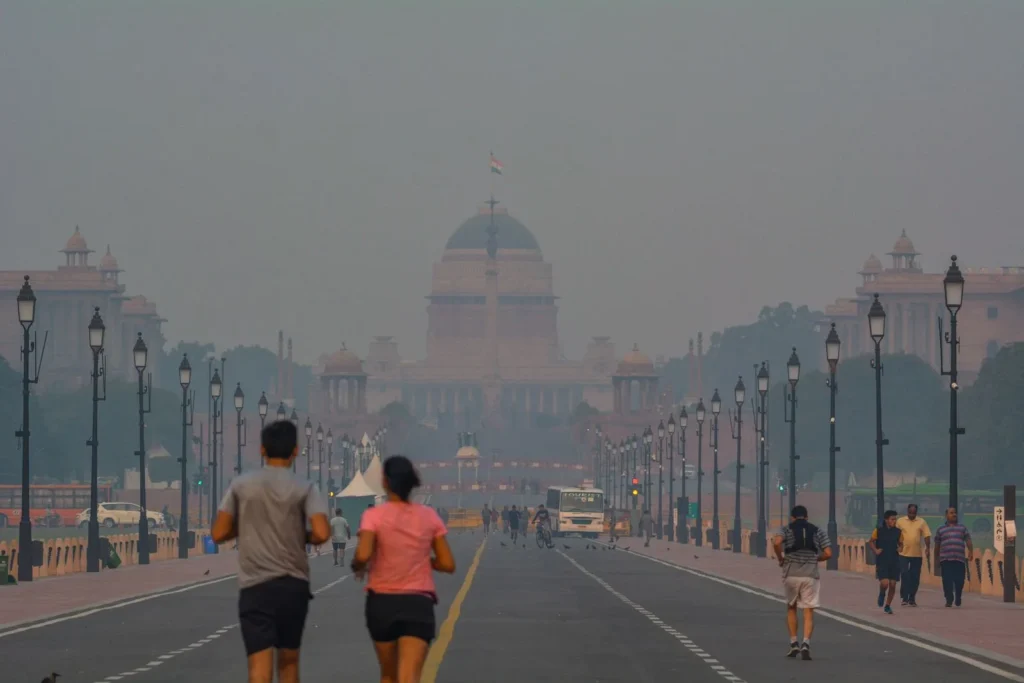
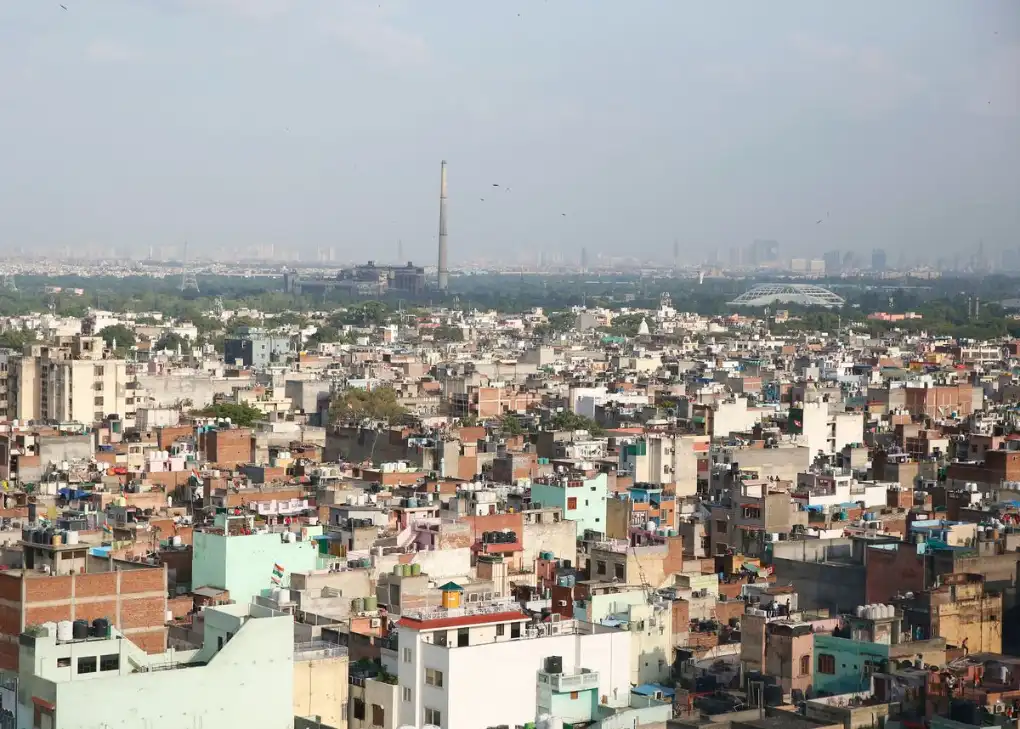
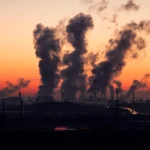
Delhi’s air quality index (AQI) stood at 382 at 4 pm on Friday 6 November, in the “very poor” band, and the Commission for Air Quality Management (CAQM) invoked Stage III of the Graded Response Action Plan (GRAP) across Delhi-NCR. For families, the most visible change came a day later: schools must now let children up to Class 5 attend either in person or online. The same day, the Supreme Court openly questioned whether such curbs work at all.
How bad the air is
CAQM’s order recorded the 382 reading on Friday afternoon. By Saturday morning the citywide figure had eased to 364, according to Central Pollution Control Board (CPCB) data, but that average hid sharper local spikes. At 8 am on 7 November, 22 monitoring stations were above 400, the start of the “severe” band, Business Today reported from CPCB data. IIT Delhi was the worst at 443, followed by Punjabi Bagh at 433.
CAQM cited forecasts from the India Meteorological Department and the Indian Institute of Tropical Meteorology (IITM), Pune, that air quality could slip into “severe” in the coming days. IITM expected “severe” air from 7 to 9 November. CAQM blamed unfavourable weather that was stopping pollutants from dispersing.
What Stage III changes
Stage III adds to the Stage I and II measures already in force. The main targets are dust and older vehicles:
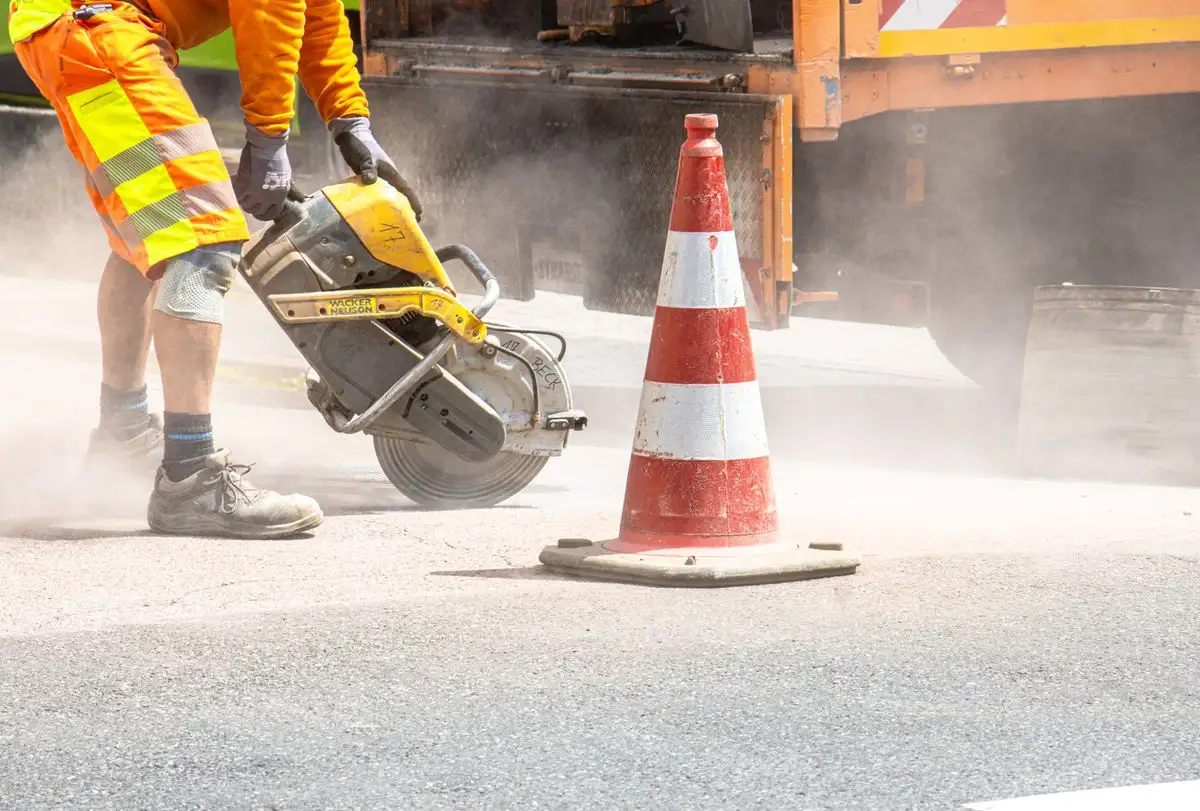
- Construction: dust-generating construction and demolition, including excavation, piling and brickwork, is banned across the NCR. Railway, metro, airport and hospital projects are exempt under set conditions.
- Older cars: BS-III petrol and BS-IV diesel four-wheelers are restricted in Delhi and in Gurugram, Faridabad, Ghaziabad, Gautam Buddha Nagar and Sonipat. Vehicles used for personal travel by persons with disabilities are exempt.
- Offices: CAQM has asked the Delhi and NCR governments to consider running offices at 50 per cent attendance, with the rest of the staff working from home. The final call rests with those governments.
Children first in line
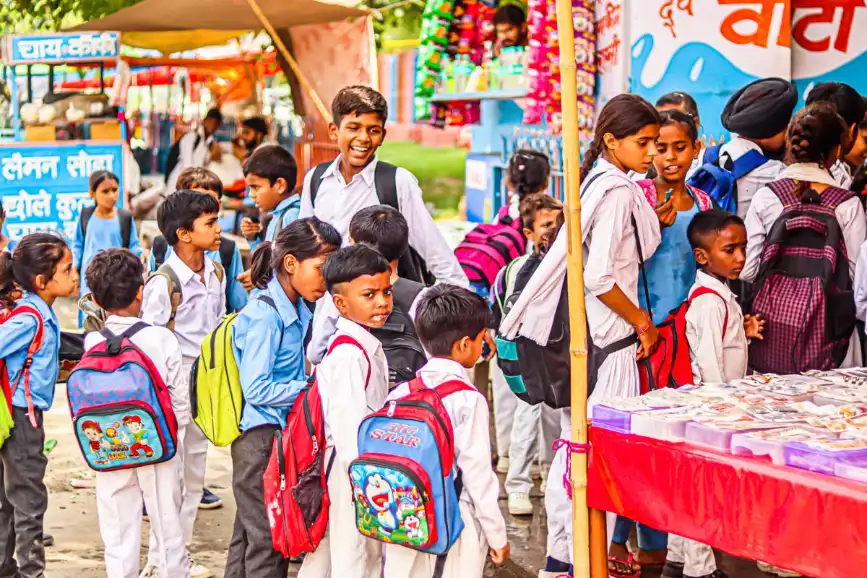
Schools are where Stage III reaches most homes. Delhi’s Directorate of Education issued a circular moving classes up to Class 5 to hybrid mode from Saturday 7 November. It covers government, government-aided and recognised private schools, as well as schools run by the MCD, NDMC and the Delhi Cantonment Board. Physical classes continue for children who attend in person, and online classes run where the facility exists. School heads must tell parents immediately, and Deputy Directors of Education must visit schools to check that the order is followed.
Outdoor activity is the sharper question. In court, amicus curiae Aparajita Singh said Delhi was hovering around Stage III while children kept taking part in outdoor activities, and argued that the citywide average could hide worse pollution near schools, the Supreme Court Observer reported. Justice Joymalya Bagchi pushed back on online schooling, asking how it would work for children who rely on school meals or lack reliable internet, and whether paediatricians had been consulted before claims were made about children’s health.
There is a precedent from last winter. On 21 November 2025, with Delhi’s average AQI at 372, the Directorate of Education and the Directorate of Sports told schools to suspend outdoor activities and sports, Business Standard reported. CAQM separately said sports competitions should be postponed, warning that the air “poses serious health risks, especially for children”.
The court's impatience
The Bench of Chief Justice Surya Kant and Justices Joymalya Bagchi and V. Mohana heard the case on 6 November. The Chief Justice called temporary restrictions “old, tried and failed measures” and asked whether the authorities had tried scientific methods beyond them. On vehicles coming in from neighbouring states, he said: “Even if a vehicle enters Delhi for just two hours and then leaves, those two hours are enough to cause damage.”
The court was told that the Ministry of Earth Sciences’ system put stubble burning’s share of Delhi’s pollution at 14 per cent on 5 November. On farm fires, the Bench favoured buying stubble from farmers at a rate fixed in advance and giving machinery to gram panchayats.
What to watch
The weekend is the first test. If IITM’s forecast of “severe” air holds, CAQM will have to decide whether Stage III is enough. Festival firecrackers add to the load: on 29 October the Supreme Court allowed certified green crackers, with their use limited to 7 and 8 November.
The second test is outdoor activity for children. Last year’s halt on school sports came only after Anand Vihar had logged readings near 420 for four straight days. Whether schools and CAQM move earlier this time, and whether the court takes up the amicus’s point about readings near schools, will show if anything has changed since last winter.