The Centre on Friday, 6 November, approved 12 more electronics component projects with proposed investment of ₹7,503 crore, which it expects to produce ₹39,045 crore worth of output and create 7,127 direct jobs. On the same day, Electronics and IT Minister Ashwini Vaishnaw opened applications for the next round of chip-making support under Semicon India 2.0, a programme with an outlay of ₹1,27,500 crore.
What got approved
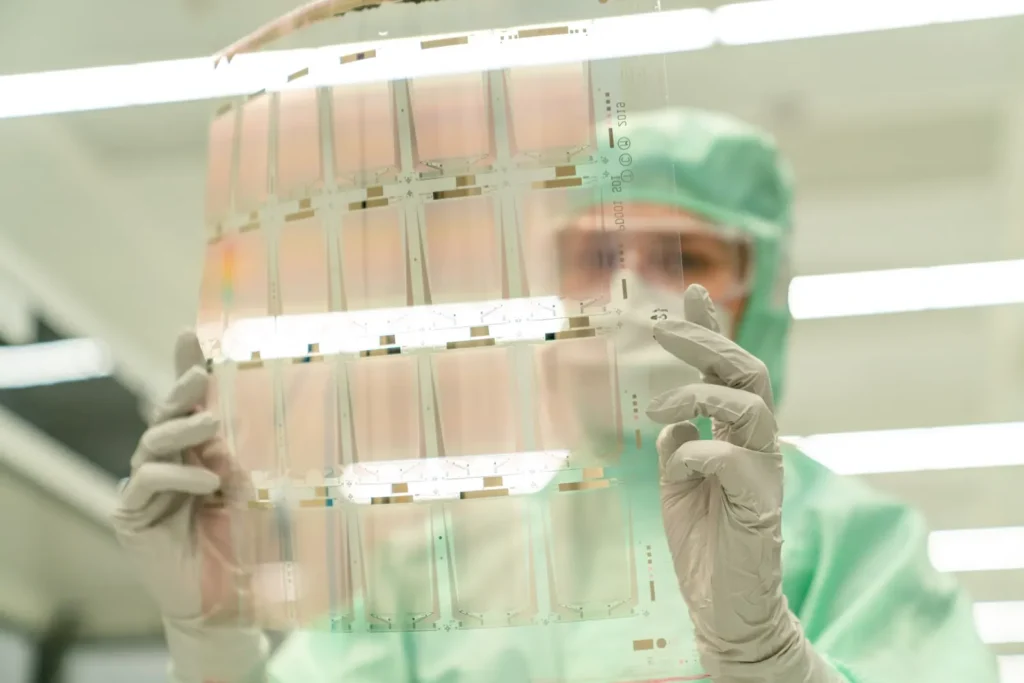
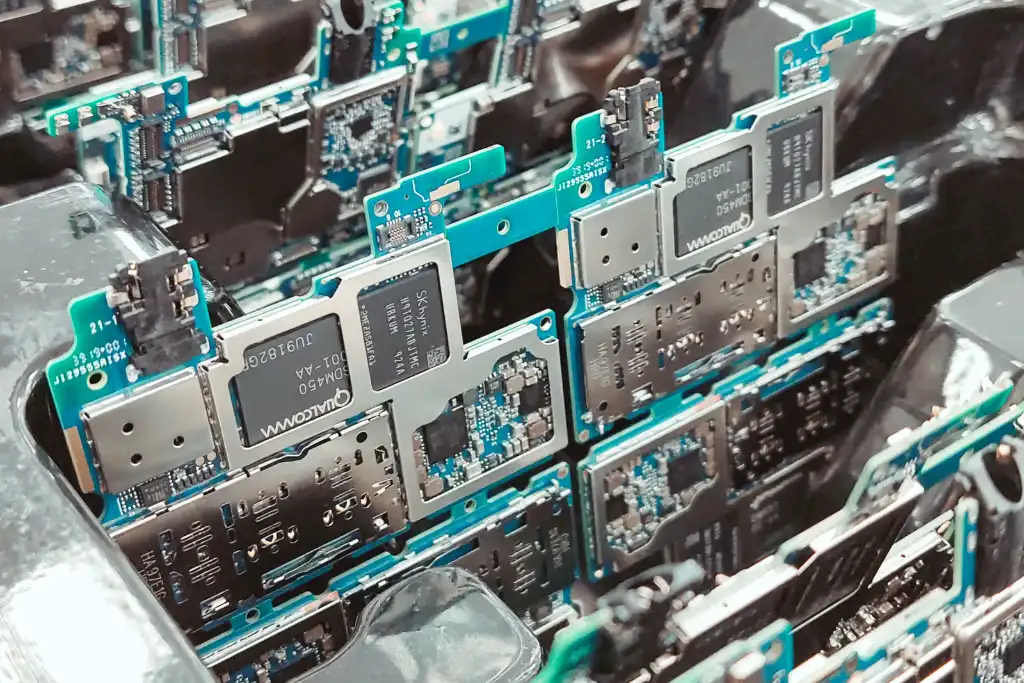
The 12 projects fall under the Electronics Component Manufacturing Scheme (ECMS), which pays companies to make in India the parts that go inside phones, laptops, cars and factory machines. According to the government’s release, carried by DD India, this round covers 10 product segments across seven states: Gujarat, Karnataka, Madhya Pradesh, Maharashtra, Punjab, Tamil Nadu and Uttar Pradesh. Spread evenly, the investment works out to roughly ₹625 crore a project by our count, though individual sizes were not given.
- Components: multi-layer circuit boards (NeST ICELR), relays (TDConnex), heat sinks (Modern Automotives), speciality ceramics (Voltix Semicon)
- Materials: copper foil (Indo Asia Copper), lithium-ion anode material (TACC), cathode active material (Vidyuta Materials), polypropylene film (Enerfolie), camera rims (Surface Modification Technologies)
- Machines: precision moulds (TDConnex), power and control systems (Rockwell Automation India), factory automation equipment (Wipro Pari Robotics)
Three firsts for the scheme
The government flagged that copper foil, cathode active material and speciality ceramics were approved under ECMS for the first time. These are not glamorous products, but they sit near the bottom of the supply chain. Copper foil goes into circuit boards and battery cells. Cathode and anode materials are the chemistry inside lithium-ion batteries, the kind that power phones, laptops and electric scooters.
Approving raw and processed materials, alongside finished components, signals that the scheme is reaching further down the chain: making more of what goes into the parts, not just the parts themselves. That is where local value addition is decided.
The scheme’s running total
With this round, ECMS has now sanctioned 118 applications. The previous 106 had committed ₹69,548 crore; the 12 new ones take total proposed investment to ₹77,051 crore. The approved units cover 34 products across 16 states, and the government projects they will produce goods worth ₹5.73 lakh crore and create 81,755 direct jobs.
Vaishnaw also said nearly half of the approved units under the scheme are MSMEs, according to PTI. All of these are projections, though. Production and job numbers are what companies have promised, not what has been built.
Semicon 2.0 opens for applications
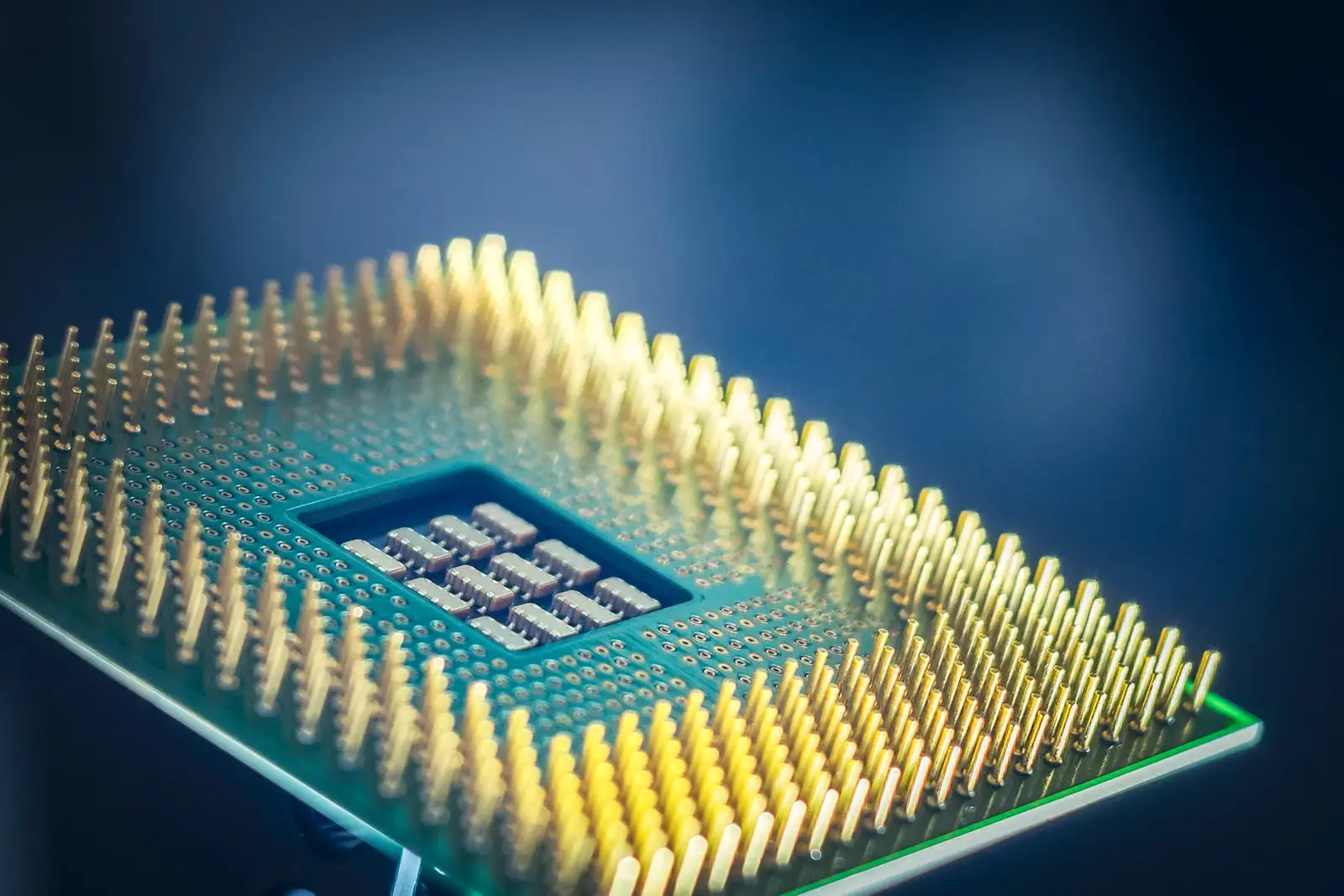
The bigger announcement for the long term was the launch of the Semicon 2.0 web application portal. Cabinet approved the second phase of the India Semiconductor Mission earlier this year with an outlay of ₹1,27,500 crore. It has six pillars: chip design, machines and materials, new fabs, assembly and testing (ATMP/OSAT), R&D and talent. Three of them are now open: machines and materials, additional fabs, and ATMP/OSAT expansion. The government wants to bring in at least three major equipment makers and five chemicals and gases companies.
The portal will only take complete applications. “We don’t want placeholders,” Vaishnaw said, according to PTI, adding there was no place for frivolous applicants. Speaking on the sidelines, he also said a roadmap for an indigenous graphics processing unit (GPU) chip is being finalised, All India Radio reported, and that India wants to be the world’s “AI application capital”.
Phase one approved 12 semiconductor projects across six states with cumulative investment above ₹1.64 lakh crore. Five had begun commercial production by October 2026, the government said.
What to watch
The first thing to track is who applies. A new fab or a global equipment maker filing under Semicon 2.0 would be a much bigger signal than another component approval, and the minister has made clear weak bids will not be entertained. The second is delivery: of the 12 phase-one chip projects, five are producing so far, and ECMS output and job figures remain targets until plants open.
The talent pipeline is the third. Under the Chips to Startup programme, 332 institutions have been given chip design tools and about 70,000 students have been trained, while 105 startups have access to design software and 15 have raised venture capital. When Semicon 2.0 was notified in August, the government set a target of training 1 lakh more semiconductor engineers, Inc42 reported. For students choosing between software and hardware careers, that is the number to follow.