
Advertisement

- Updated on November 5, 2026
- IST 11:39 am
India’s smartphone market had its weakest July–September quarter in a decade, and the pain is concentrated at the bottom. Counterpoint Research estimates shipments of phones under ₹20,000 fell 47 per cent year-on-year, as record memory prices push budget models up the price ladder. If you have been planning an upgrade, the numbers explain why your money now buys less.

What the trackers found
Two market trackers published their July–September figures within days of each other, and both found a steep fall. Counterpoint Research’s preliminary estimates, released on 23 October, put the drop at 20 per cent year-on-year, taking shipments to their lowest level in a decade. Omdia, two days earlier, put India’s shipments at 35.8 million units, down 26 per cent, and called it the lowest third-quarter volume since 2016. The two firms measure slightly differently, but they agree on the direction and the scale.
This is not a one-quarter dip. IDC had already reported that April–June shipments fell 11.1 per cent to 33.2 million units, and that the first half of 2026 was the weakest in five years. Counterpoint now expects the Indian market to shrink about 13 per cent across 2026.
Why the cheap phone is disappearing
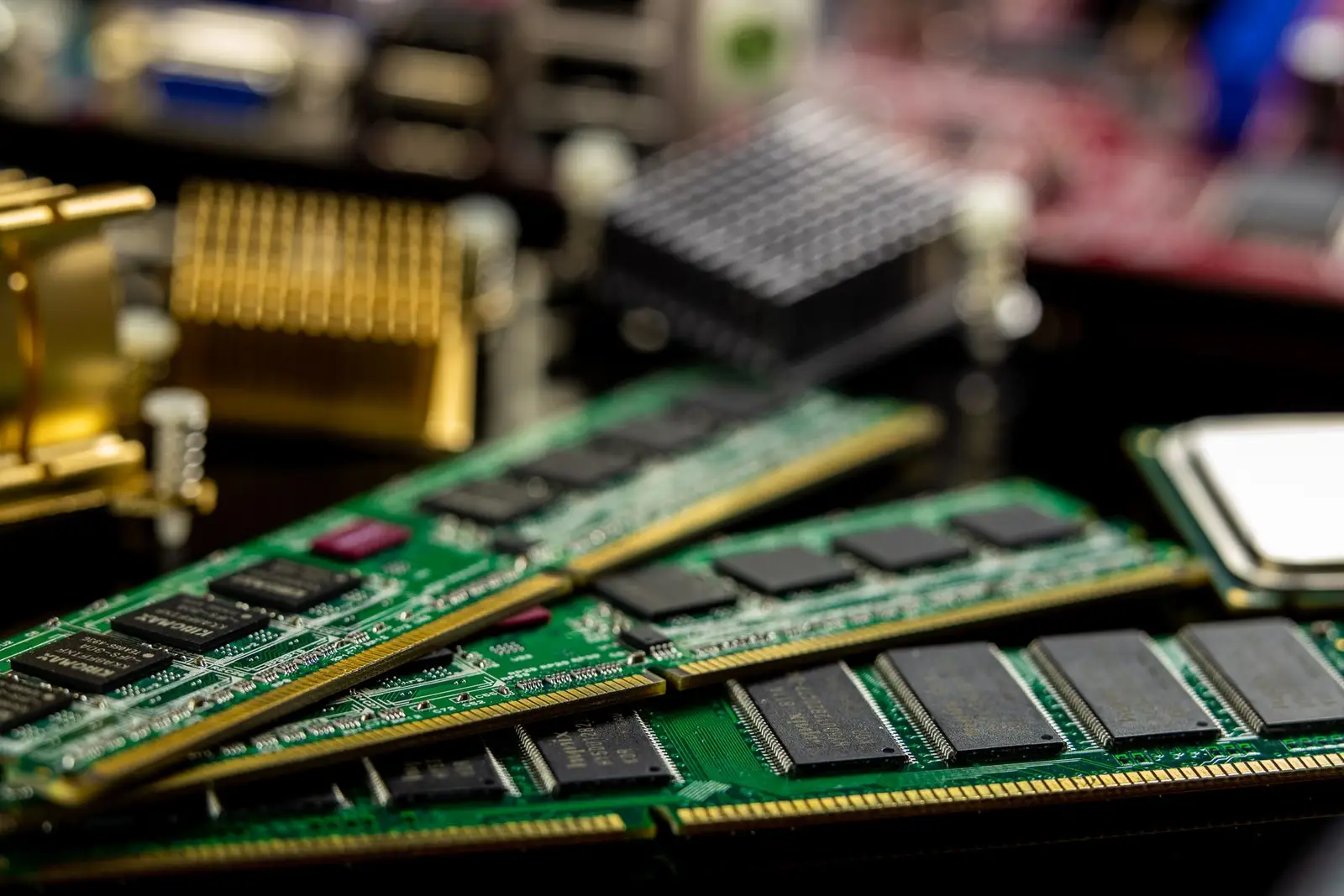
The main cause sits far from Indian retail counters. Reuters, reporting Counterpoint’s global numbers on 12 October, said demand from AI infrastructure projects has absorbed memory chip supply and raised production costs for phone makers. Global shipments fell 20 per cent in July–September, the lowest third quarter since 2012.
Counterpoint links record-high memory prices directly to the collapse below ₹20,000: as costs rose, brands raised prices and many models were pushed into higher price bands. It says the mass-market base below ₹15,000 weakened the most. Counterpoint research analyst Shubham Singh said: “Q3 marked a realignment for India’s smartphone market, as a memory-led cost squeeze compounded softer consumer demand.”
IDC’s data shows how far this has gone. In April–June, shipments of phones under US$100 fell 74.3 per cent, and their share of the market dropped from 15.6 per cent to 4.5 per cent. Over the same period the average selling price rose 14.4 per cent to a record US$315. “Rising prices are now touching every corner of India’s smartphone market,” said Upasana Joshi, senior research manager at IDC Asia/Pacific.

Who is winning a shrinking market
Samsung is back at number one for the first time in nine quarters, with a 17 per cent share by Counterpoint’s count. It was the only top-five brand whose shipments grew year-on-year. Counterpoint credits strong Galaxy A series volumes and relatively measured price increases. Vivo (excluding iQOO) followed with 16 per cent, then OPPO with 12 per cent, while Xiaomi and Apple each held 8 per cent.
Omdia’s figures show how hard the Chinese brands were hit: vivo shipments fell 34 per cent, Xiaomi’s 28 per cent and OPPO’s 24 per cent. By Omdia’s estimate, Chinese brands’ combined share slipped to about 68 per cent, from 75 per cent a year earlier.
At the top of the market, demand held up. Counterpoint says initial iPhone 18 Pro sales in India ran nearly 20 per cent above the iPhone 17 Pro’s, and OPPO’s shipments above ₹20,000 grew by triple digits. A few smaller brands grew fast from a low base, including Ai+ Smartphone (up 306 per cent) and Transsion’s itel (up 88 per cent), which was helped by 4G phones under ₹15,000.

What this means if you are buying
To hold prices, brands are cutting specifications. Counterpoint says manufacturers are launching more 4G and lower-spec models and trimming features in some segments. Omdia notes that rising component costs forced Xiaomi into hard choices on pricing, RAM and storage. In practice, a phone at the same price as last year may come with less memory or no 5G.
Buyers are also keeping their phones for longer. “Consumers are holding on to their devices longer than estimated,” Counterpoint senior analyst Shilpi Jain told Reuters, adding that more people are considering refurbished devices. The festive season is unlikely to change this much. Counterpoint expects festive volumes between 8 October and 8 November to fall about 12 per cent, even as their value rises 5 per cent. In other words, fewer phones are being sold, but each one costs more.
What to watch
Watch prices after the festive sales. Counterpoint research director Tarun Pathak said “elevated component costs are likely to drive another round of price hikes after the festive season sale.” Omdia says part of the festive stock-building moved into October because Diwali fell later this year, so October–December figures will show whether that demand was real or simply delayed.
The outlook for next year is not much better. Counterpoint expects higher prices to stretch replacement cycles into 2027, and Omdia forecasts another low-single-digit decline that year. For the many Indians who buy a phone under ₹15,000, the deciding factor is memory chip prices, which are set by the global AI build-out rather than by anything in the Indian market.
Sources
- Business Today: Samsung leads India's smartphone market again, but phones under Rs 20,000 face a 47% slump (2026-10-23)
- The Telegraph (t2 Online): Samsung outperforms India's falling smartphone market to reclaim first place, says Counterpoint (2026-10-23)
- Digit: India smartphone shipments fall 26 pct in Q3 2026 as Samsung regains top spot: Report (Omdia data) (2026-10-21)
- IDC: India smartphone shipments decline in Q2 2026 (Worldwide Quarterly Mobile Phone Tracker) (2026-08-11)
- Outlook Business: India's Smartphone Market Is Shrinking, But Why Are Phone Prices Still Rising? (2026-08-11)
- Reuters (via TimesLIVE): Global smartphone shipments record worst third quarter in 14 years (2026-10-12)
- Open Magazine: Why Are Smartphones Getting Costlier When Fewer Indians Are Buying Them? (2026-10-23)
You May Like This
1




Advertisement


You May Like This







Advertisement


Advertisement


Advertisement