World Diabetes Day 2026 was marked on 14 November with a new survey from the International Diabetes Federation (IDF) showing that 35 per cent of at-risk Indian adults see fear of the result as a barrier to getting a diabetes check. Nearly half (48 per cent) said they would not feel confident arranging a test, and only 14 per cent believed they were likely to develop diabetes at all.
The findings matter because India already has an estimated 89.8 million adults with diabetes, and about 43 per cent of them do not know they have it, according to the IDF Diabetes Atlas.
What did the IDF survey find about India?
The IDF released the survey on 10 November, ahead of World Diabetes Day. It covered adults aged 25 to 64 in six countries: Brazil, India, Kenya, Saudi Arabia, Spain and the United States. Everyone surveyed had at least one known risk factor for type 2 diabetes and no diagnosis so far.
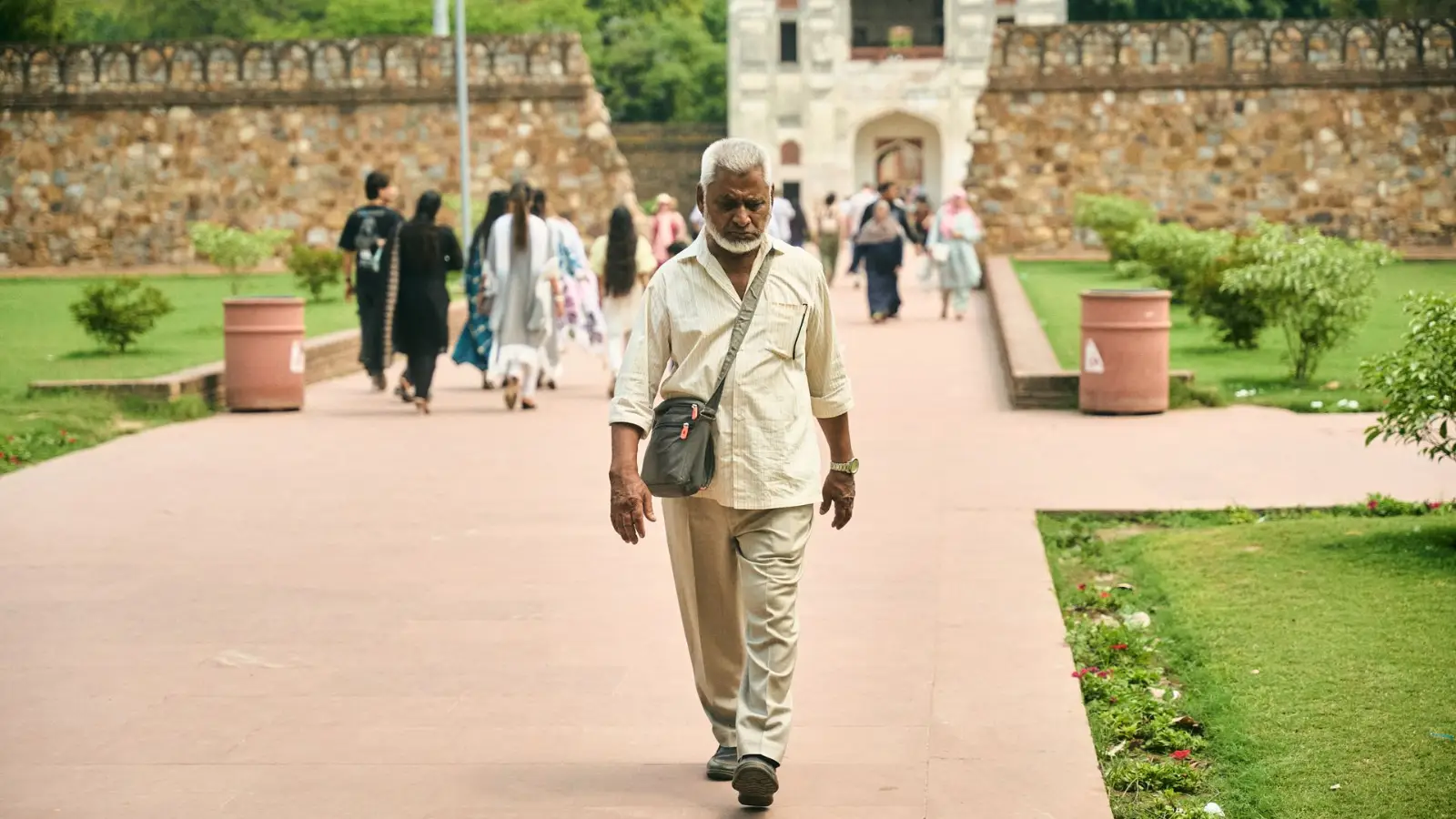
The Indian results point to a gap between risk and belief. Only 14 per cent of at-risk Indians thought they were likely to get diabetes. Some 48 per cent said they would not feel confident arranging a check, and 35 per cent named fear of the result as a reason they hold back.
“Our research shows that many people at risk know diabetes is a problem. They just don’t believe it applies to them,” said Professor Schwarz, President of the IDF, in the federation’s press release.
How many Indians have diabetes without knowing it?
The IDF Diabetes Atlas (11th edition, released in April 2025) estimates that 89.8 million Indian adults aged 20 to 79 were living with diabetes in 2024. It says 43 per cent of them, about 38.6 million people, are undiagnosed. The Atlas projects the number with diabetes will rise to 156.7 million by 2050.
A separate Indian study gives a higher figure. The ICMR-INDIAB study, published in The Lancet Diabetes & Endocrinology in June 2023, estimated 101 million people with diabetes and 136 million with prediabetes in 2021. It surveyed 1,13,043 people across 31 states and Union Territories. The two estimates use different methods, age groups and years, which is why the numbers do not match.
Key numbers
- 89.8 million: Indian adults (20–79) with diabetes in 2024, per the IDF Diabetes Atlas.
- 43 per cent: share of them who are undiagnosed, about 38.6 million people.
- 156.7 million: projected Indian adults with diabetes by 2050.
- About 3.35 lakh: deaths linked to diabetes among Indian adults aged 20–79 in 2024.
- 11.4 per cent and 15.3 per cent: diabetes and prediabetes prevalence in the ICMR-INDIAB study.
- US$9.8 billion: India’s diabetes-related health spending in 2024, per the IDF Atlas.
Why does fear stop people from getting tested?
The survey did not ask Indians to explain their fear in detail, but the global results give some clues. Across all six countries, 28 per cent named fear of the result, 26 per cent named cost, 20 per cent said it was hard to get an appointment, and 17 per cent said they lacked time.
India’s figure on fear (35 per cent) is higher than the six-country average. The IDF said the main barriers “varied by country”, even though the gap between real risk and felt risk was the same everywhere.
People also said what would help. Across the sample, 46 per cent wanted walk-in checks at pharmacies or supermarkets, 45 per cent wanted community awareness activities, and 38 per cent wanted evening or weekend appointments. About one in four said a personal invitation would help.
“The message to governments is simple: stop waiting for people to come forward,” Professor Schwarz said.
Why is prediabetes so easy to miss?
Many people expect warning signs. In the global survey, 67 per cent wrongly believed that prediabetes usually causes noticeable symptoms. In reality, high blood sugar often has no clear signs in the early stages.
“People continue with their daily routines while their blood sugar levels may be steadily increasing,” Dr Sandeep Julka, Senior Consultant in Endocrinology in Indore, told ETV Bharat. He also said type 2 diabetes is now seen in adolescents, which was uncommon about two decades ago.
The IDF Atlas also estimates that about 127.3 million Indian adults had impaired glucose tolerance in 2024. This is a stage where blood sugar is above normal but below the level used to diagnose diabetes.
Why does an early diagnosis make a difference?
The IDF points to the UK Prospective Diabetes Study, a long-running trial. In that trial, better blood sugar control after diagnosis cut small blood vessel complications (such as eye and kidney damage) by about a quarter. A 15 per cent drop in heart attacks appeared over the following decade.
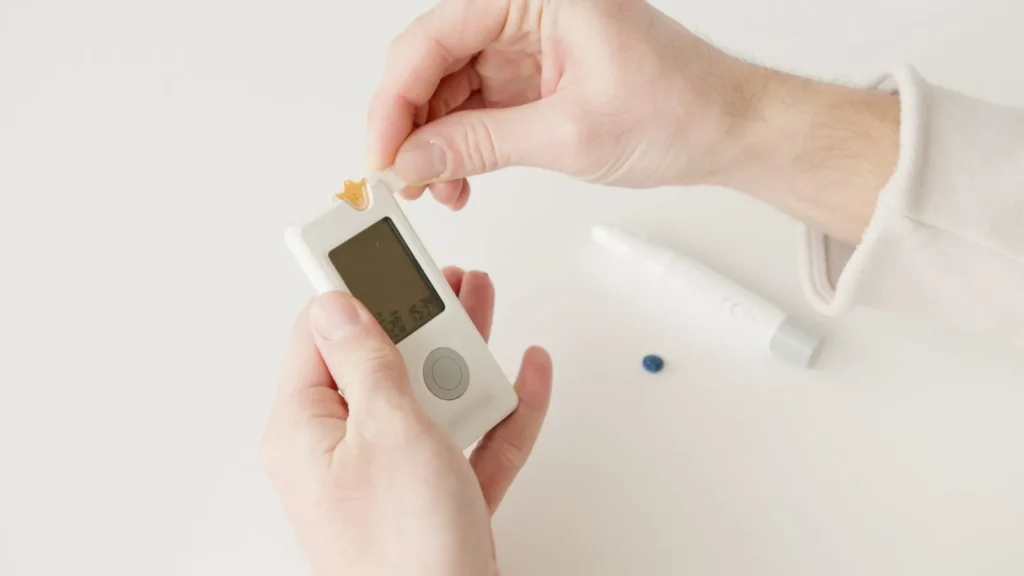
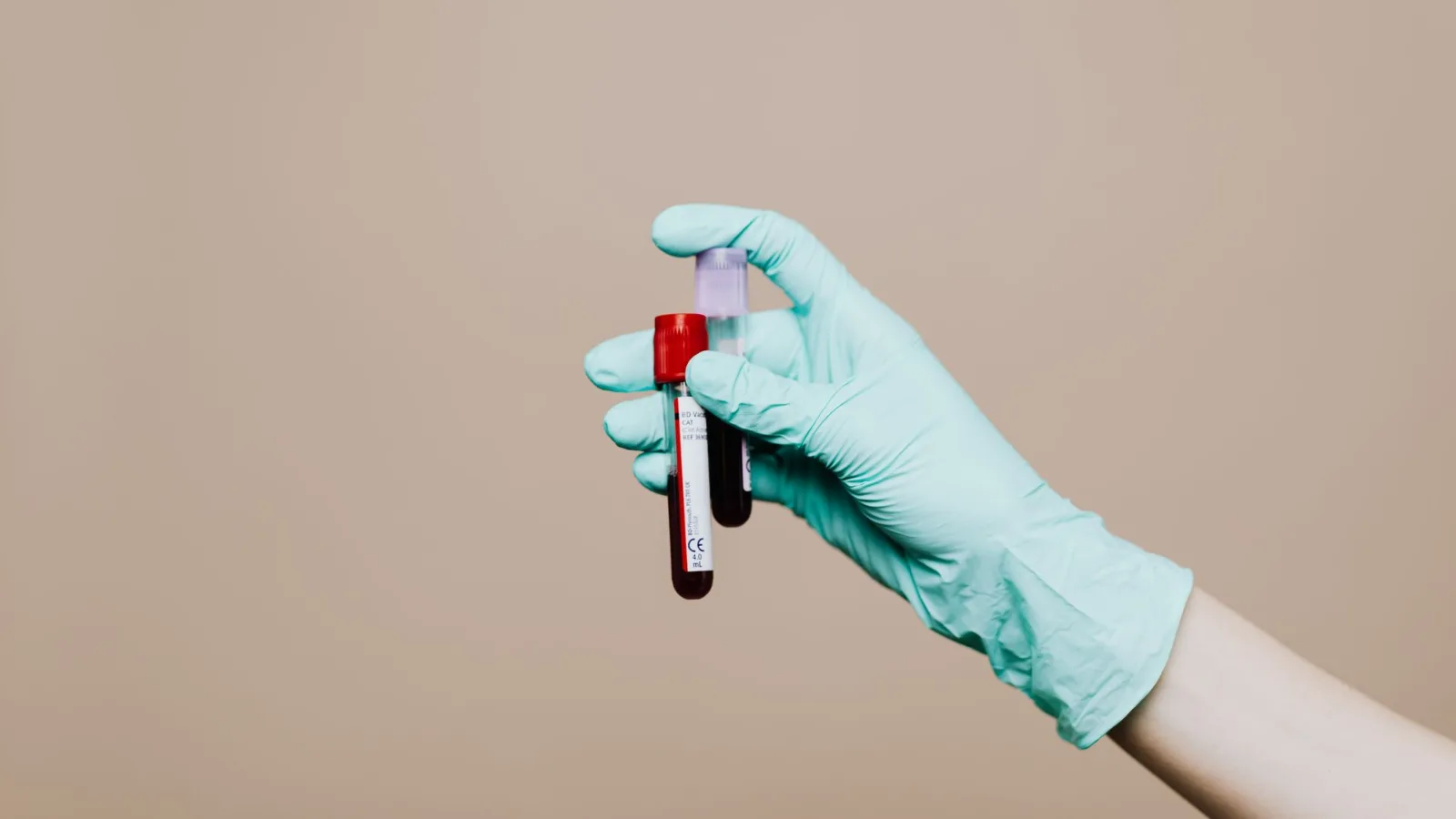
Doctors quoted by ETV Bharat said early detection and timely treatment lower the risk of complications in the heart, kidneys, eyes and nerves. Two common blood tests are used to detect diabetes: fasting blood glucose and HbA1c. The HbA1c test shows a person’s average blood sugar over the previous two to three months. Anyone with questions about their own risk should speak to a doctor.
What to watch next
The World Health Organization has set a target for 80 per cent of people with diabetes worldwide to be diagnosed by 2030. The IDF says only 57 per cent know they have the condition today. It estimates about 134 million more diagnoses are needed worldwide to reach the target, or about 89,000 every day until 2030.
For India, the next signals to watch are whether screening moves closer to where people already go, such as pharmacies and community camps, as survey respondents asked. Updated national numbers from future rounds of the National Family Health Survey and ICMR studies will also show whether the share of undiagnosed Indians is falling.
FAQ
When is World Diabetes Day?
World Diabetes Day is marked every year on 14 November. In 2026 it fell on a Saturday. The date is the birthday of Sir Frederick Banting, who co-discovered insulin.
How many people in India have diabetes?
The IDF Diabetes Atlas estimates 89.8 million adults aged 20 to 79 in 2024. The ICMR-INDIAB study estimated 101 million people in 2021. The figures differ because the studies use different methods.
What share of Indians with diabetes are undiagnosed?
About 43 per cent, or roughly 38.6 million adults, according to the IDF Diabetes Atlas.
Is the IDF survey representative of all Indians?
No. The IDF says it was a 15-minute online survey of 2,411 adults across six countries, all with type 2 risk factors. The samples were screened and unweighted, and are not nationally representative.