

Advertisement
- Updated on May 10, 2026
- IST 1:12 pm
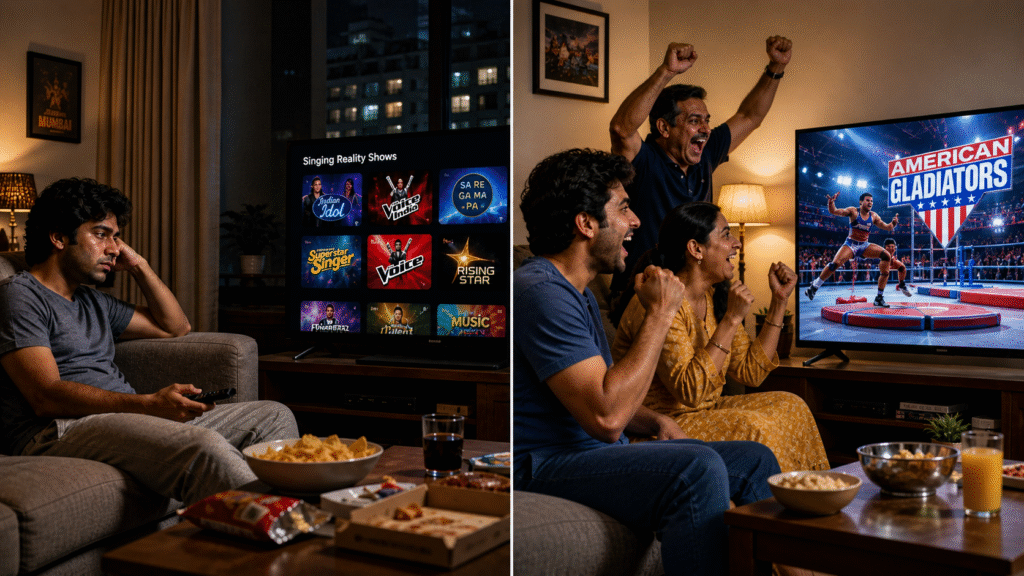
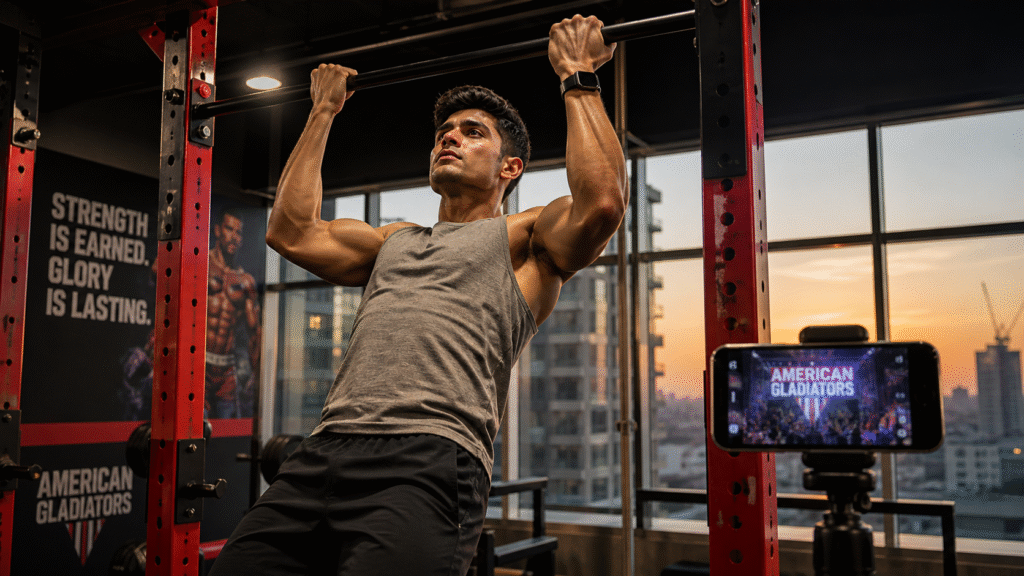
Imagine this: Arjun, a 24-year-old gym trainer from Delhi, slumps on his sofa after a long day of coaching clients. He flips through Prime Video, hoping for something that gets his blood pumping. Singing competitions? Been there. Dance reality shows? Seen enough dramatic tears. Then he stumbles upon the American Gladiators remake. Within minutes, he’s hooked—contenders slamming into gladiators in epic jousts, sweat flying, crowds roaring. Two hours later, he’s still glued to the screen, fist-pumping like it’s the IPL finals. “Finally, something real,” he texts his buddies. “No more fake drama—this is pure power!”
Now picture Priya, a 31-year-old marketing executive from Hyderabad. She’s the queen of family binge nights. Every weekend, it’s the same debate: another emotional singing showdown or a celebrity dance-off? But when her younger brother insists on trying the new American Gladiators on Prime Video, she rolls her eyes at first. “Physical fights? Sounds too American.” Yet by the second episode, she’s cheering louder than anyone, dragging her parents in too. “This isn’t just entertainment—it’s inspiring!” she admits later. For the first time in years, the whole family is united, hyped, and actually finishing episodes together.
So, what’s the truth? Forget singing and dancing; the ultimate test of strength, speed, and grit is back. The American Gladiators remake on Prime Video is finding a surprising audience in India, sparking fresh excitement around high-stakes physical reality competitions. With its brutal arena battles and everyday heroes taking on super-fit gladiators, this reboot is proving that raw competition still thrills like nothing else. In this blog, we’ll unpack the show’s high-energy format, explore why physical reality TV is making a massive comeback on Indian screens, dive into the psychology behind its appeal, share real Indian viewer stories, and discuss the huge potential for a desi version. Plus, we’ll give you practical tips to enjoy it fully and even some fitness hacks inspired by the arena. Let’s step into the arena and figure this out together!
Understanding the American Gladiators Remake: From 80s Icon to 2026 Reboot
First, let’s rewind a bit. The original American Gladiators exploded onto US TV screens in 1989, turning living rooms into coliseums. Everyday contenders—teachers, firefighters, students—faced off against larger-than-life “Gladiators” in over-the-top physical challenges. It wasn’t about sob stories or vote-outs; it was raw athleticism, strategy, and heart. The show ran successfully for years, spawned international versions, and became a pop culture phenomenon before fading away.
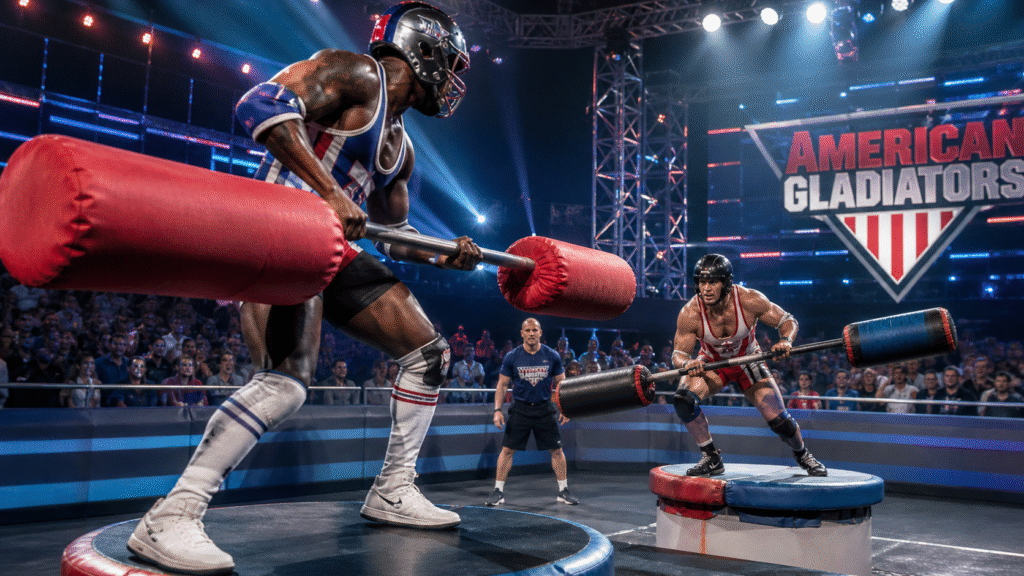
Fast-forward to April 17, 2026. Prime Video drops the highly anticipated remake, and it hits differently in 2026. Hosted by WWE superstar Mike “The Miz” Mizanin and TV personality Rocsi Diaz, the 10-episode season features 24 contenders battling 16 fierce new Gladiators. Classic events like Joust (pugil sticks on platforms), Powerball (football-style chaos), Hang Tough (swinging ropes), and The Wall (climbing race) are back, joined by fresh twists like The Ring and Collision. Each episode builds to the Eliminator—an obstacle course finale that separates champions from the pack. Winners take home $100,000 and bragging rights.
What makes this reboot stand out? It’s not scripted drama. It’s unfiltered adrenaline. In a world drowning in polished talent shows, American Gladiators reminds us why we fell in love with competition TV in the first place: real people pushing human limits. For Indian viewers aged 15-45—raised on cricket rivalries, kabaddi leagues, and wrestling akharas—this format feels familiar yet fresh. It taps into our deep love for physical prowess while delivering Hollywood-level production on our smartphones and smart TVs.
American Gladiators Explained: The Arena Rules and High-Octane Format
Unlike singing reality shows where judges decide fates, or Bigg Boss-style house dramas full of arguments, American Gladiators is straightforward: pure contest. Contenders train hard, enter the arena, and face Gladiators who are basically pro athletes with nicknames that scream power—think Nitro, Titan, or Blaze.
Popular events include:
- Joust: Two warriors on elevated platforms swinging padded sticks. Knock your opponent off to score.
- Powerball: Contenders scramble to score goals while gladiators tackle and block.
- Hang Tough: Swinging across the arena on ropes while gladiators try to pull you down.
- The Wall: A climbing race against the clock and a pursuing gladiator.
- New additions like The Ring and Collision crank up the intensity with innovative obstacles and head-to-head clashes.
The pitch? It’s not about who can cry the hardest on camera—it’s about who can dig deepest when the pressure hits. For the average viewer, it’s a metabolic reset for boredom. But for Indian audiences juggling IIT dreams, startup hustles, or family responsibilities, watching someone like you conquer impossible challenges hits different. It’s escapism with a side of motivation. No wonder the show is trending across Prime Video in India.
The Big Debate: Why Physical Reality Competition is Making a Comeback
Here’s where it gets exciting—experts, streamers, and desi viewers are buzzing. Is this just nostalgia, or is something bigger happening?
The Pros: Why It’s Hitting Hard in 2026
- Raw Excitement Over Scripted Drama: After years of emotional manipulation in talent shows, audiences crave authenticity. Physical competitions deliver instant thrills—heart-pounding action, genuine sweat, and unpredictable outcomes.
- Inspiration Factor: In post-pandemic India, fitness culture is booming. With gym culture exploding in cities like Bengaluru, Mumbai, and Gurugram, American Gladiators motivates viewers to hit the gym or playground. Studies and viewer feedback show such shows boost dopamine and encourage healthier habits.
- Universal Appeal: No language barriers in action. Whether you’re a Tamil engineering student or a Punjabi homemaker, the language of strength is universal. It unites families who were previously split between cricket and serials.
- High Production Value: Prime Video’s budget means stunning visuals, slow-mo replays, and immersive sound that make your TV feel like the arena.
Take Arjun’s story—he started skipping evening scrolls and instead does push-ups during commercial breaks. “One episode, and I’m ready to train like a gladiator,” he laughs.
The Cons: Where It Might Miss the Mark
- Potential for Over-the-Top Machismo: Some critics worry it glorifies aggression or sets unrealistic body standards. In a diverse country like India, not everyone relates to ultra-muscular gladiators.
- Safety and Editing Concerns: Injuries happen in real competitions. Viewers question how much is real versus edited for drama.
- Niche vs Mass Appeal: While youth love it, older generations might still prefer emotional family dramas or singing shows they grew up with.
Priya initially worried it was “too violent,” but after watching, she saw the respect, strategy, and sportsmanship. “It’s tough love, not senseless fighting,” she notes.
The truth? Like any trend, it’s not perfect—but when done right, physical competition revives the joy of watching humans achieve the impossible.
The Indian Twist: From Roadies to Arena Battles – Reality TV’s Evolution
Reality competition isn’t new to us Indians. We invented high-stakes TV with Khatron Ke Khiladi, MTV Roadies, and wrestling-inspired formats. But OTT has supercharged it. Shows like Battleground (fitness clashes) and Rise & Fall (India’s take on class warfare competitions) prove audiences are hungry for more than just votes and sob stories.
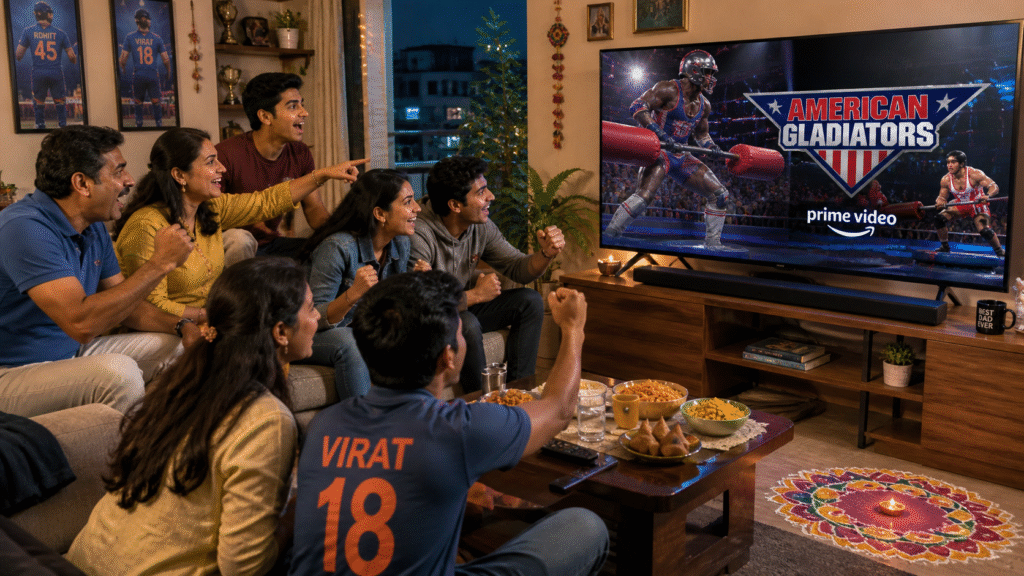
Our culture is built on physicality—think dangal wrestling pits, kabaddi’s raw aggression, or even Holi’s playful chaos. The American Gladiators remake slots perfectly into this. Cheap data and Prime Video’s reach mean even small-town viewers in Rajasthan or Kerala can cheer contenders in real-time. Family viewing is changing too: no more everyone fighting over the remote for the same saas-bahu serial. Now, dads, sons, and daughters bond over “who can survive The Eliminator?”
Social media amplifies the buzz. Instagram reels of Indian gym bros recreating Joust moves rack up millions of views. Fitness influencers are already pitching “Gladiator Workouts.” The stage is set for a full-blown Indian version—imagine desi gladiators in saffron, tricolor, or regional warrior outfits taking on local athletes in events inspired by traditional sports. Prime Video or JioCinema could make it massive.
Real Stories: Triumphs, Tumbles, and Arena Cheers from Indian Viewers
Let’s hear from the people living it.
- Vikram, 27, Bengaluru: A software engineer who used to doom-scroll through endless web series. “American Gladiators reminded me why I loved sports growing up. I finished the entire drop in one weekend and signed up for a local obstacle race the next day. Best decision ever!”
- Meena, 38, Kolkata: A working mom who watches with her teenage sons. “We used to argue over dance shows. Now everyone is motivated. My boys started practicing pull-ups, and I feel fitter just watching. It’s brought us closer than any family drama could.”
These tales prove one thing: American Gladiators isn’t just a show—it’s a movement that’s reigniting our competitive spirit.
Why It Works for Indian Screens: Practical Tips to Get the Most Out of It
Thinking of diving into the arena? Here’s how to make it epic:
- Watch in Batches: Prime Video drops episodes weekly—plan family viewings around the Friday drops to build anticipation.
- Turn It Into a Game: Predict winners with friends or family. Award points for correct guesses—desi-style “Gladiator Kaun?”
- Pair with Real Action: Use commercial breaks for quick workouts. Try 10 push-ups during Joust or wall sits during The Wall.
- No Spoilers Mode: Avoid social media until you’ve watched. The surprise makes it addictive.
- Discuss the Lessons: Talk about resilience, strategy, and teamwork after each episode—great for kids and motivation.
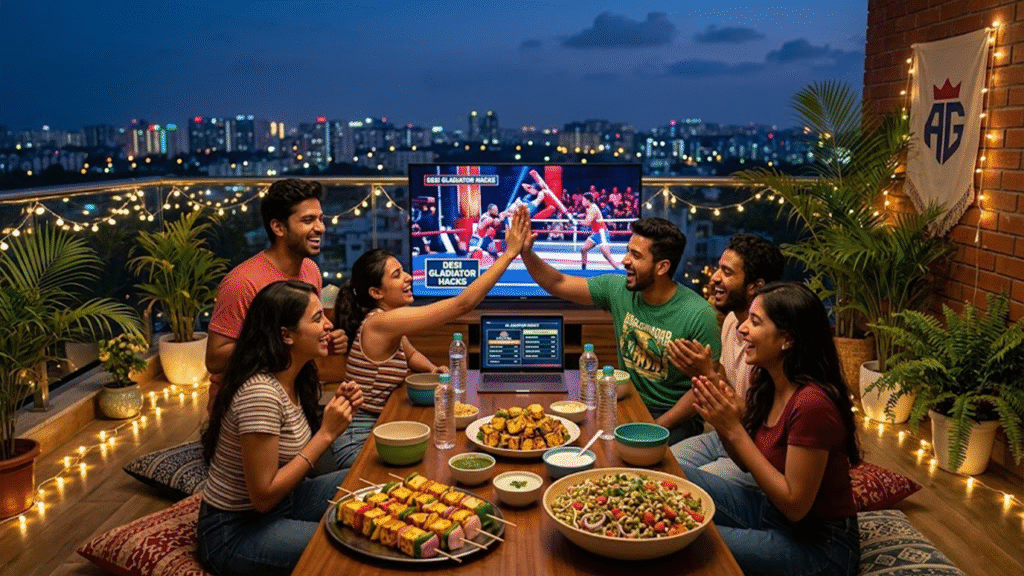
- Host Gladiator Nights: Invite friends over, cook high-protein desi snacks (paneer tikka, anyone?), and cheer like it’s a live match.
Desi Gladiator Hacks: Inspired Challenges and Viewing Rituals
Make the experience truly Indian:
- Home Arena Workouts: Recreate simple events—use broomsticks for “Joust” practice or park walls for climbing drills.
- Family Viewing Menu: Fuel up with protein-packed snacks like roasted chana, sprouts chaat, or grilled tandoori paneer instead of chips.
- Local Twist Ideas: If an Indian version happens, suggest events like “Kabaddi Clash” or “Dangal Duel.” Who wouldn’t watch that?
- Track Your Progress: Start a group challenge—see who improves their fitness most while following the season.
These hacks turn passive watching into active fun.
Wrapping It Up: Ready for the Ultimate Showdown?
So, does the American Gladiators remake prove reality competition is making a massive comeback on Indian screens? Absolutely. In an era of short attention spans and endless scrolling, this high-octane physical series delivers what we’ve been missing: genuine thrills, inspiration, and family bonding without the usual drama overload. It’s not replacing our beloved singing or dance shows—it’s adding a powerful new chapter to Indian OTT entertainment.
If you haven’t started yet, hit play on Prime Video today. Whether you’re a fitness freak, a family viewer, or just someone craving real excitement, this show will leave you pumped. The arena is calling—what are you waiting for?
What’s your take? Have you watched the American Gladiators remake? Does it beat the old talent shows for you? Would you love to see a full Indian version? Drop your stories, favorite events, and predictions in the comments below—let’s build the ultimate desi gladiator community and cheer each other on!
You May Like This
1



Advertisement
You May Like This








Advertisement
Advertisement
Advertisement