

Advertisement

- Updated on May 10, 2026
- IST 1:35 pm
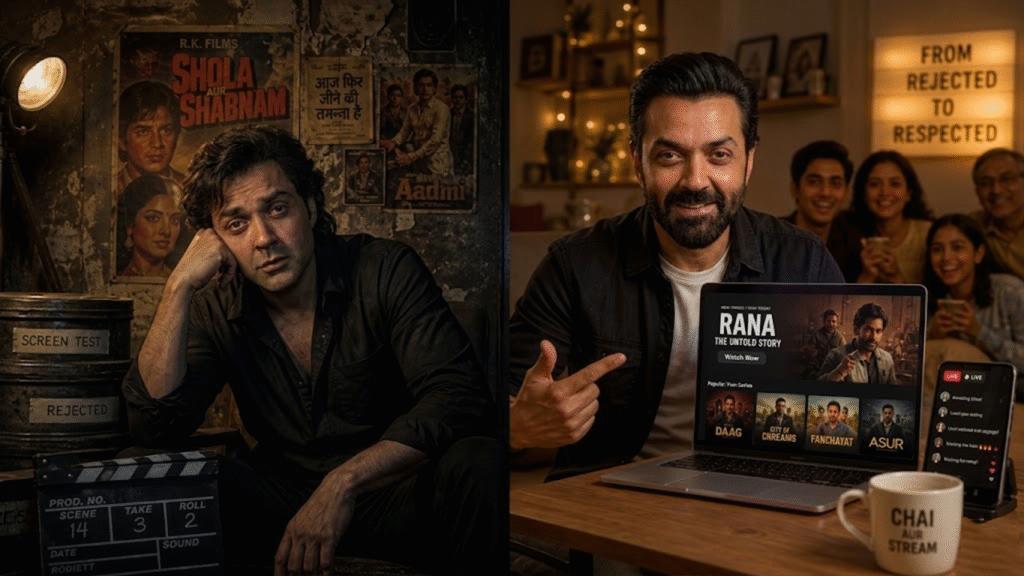
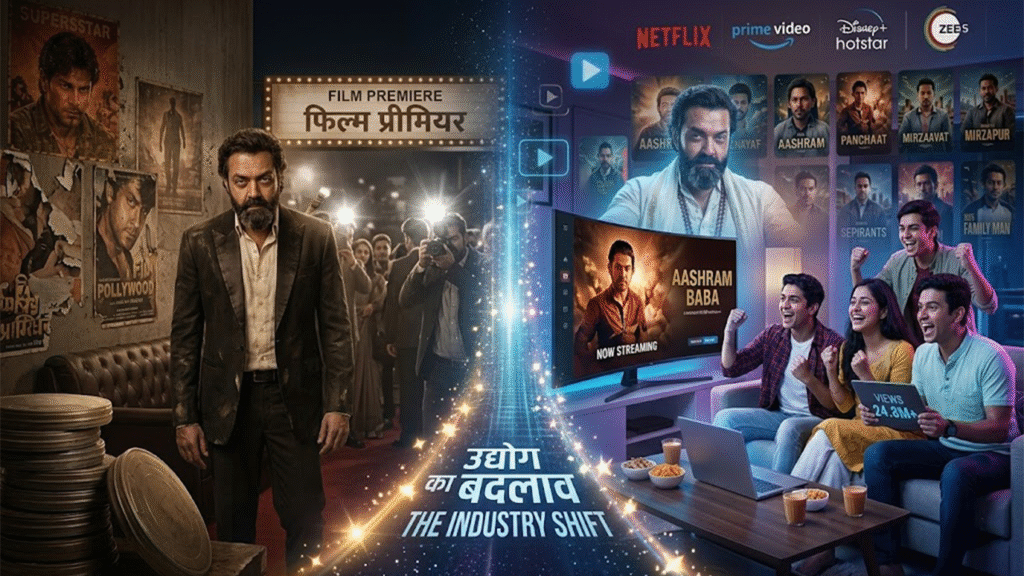
Imagine this: Bobby Deol, once the charming heartthrob of the ’90s whose big-screen glory had dimmed after a string of underwhelming films, steps into the role of a charismatic godman in Aashram. Overnight, the internet explodes. Fans who had forgotten him suddenly can’t stop talking about his magnetic screen presence. His career, written off by many as “over,” roars back to life—not through a theatrical blockbuster, but through a streaming series that reached millions across India and beyond. He’s not just working again; he’s redefining what a comeback looks like in the digital age. “OTT gave me a second chance when the big screen had moved on,” he’s said in interviews that went viral.
Now, picture another side of the coin. Take an actor like Zayed Khan or similar talents from the early 2000s who delivered solid performances in a few hits but faded as the industry shifted. Multiple theatrical flops, no major OTT pivot that clicked, and suddenly the offers dried up. No viral web series, no algorithm-fueled resurgence—just quiet disappearance from the spotlight. “The big screen is no longer the only path to superstardom,” as the hook goes. We expose the actors saved by OTT and the ones left behind in the streaming revolution. In this investigative deep dive, we unpack how Over-The-Top (OTT) platforms like Netflix, Amazon Prime Video, Disney+ Hotstar, and others are rewriting the rules of stardom in Bollywood. From spectacular career resets to silent endings, we’ll explore real stories, the data behind the shift, and what it means for the future of Indian entertainment. Let’s dive in and figure this out together!
Understanding Bollywood: The Traditional Stardom Model
For decades, Bollywood operated like a tightly guarded kingdom. Stardom was built on theatrical releases, larger-than-life heroes, item numbers, and box-office numbers that made or broke careers. Think Shah Rukh Khan or Salman Khan dominating single screens across small towns with their charisma. Success meant massive opening weekends, fan clubs, and endorsements. Failure? A few flops and you risked being labeled “finished.”
This model rewarded star power, nepotism debates aside, and formulaic masala films. Audiences flocked to theaters for escapist entertainment—dancing, romance, action. But it left little room for nuanced storytelling or mid-career reinvention. Character actors often got sidelined, and female leads faced shorter shelf lives. The industry was gatekept by producers, directors, and a handful of big banners. If your face didn’t fit the “hero” mold or you didn’t have the right connections, doors stayed shut.
Enter the streaming era around 2018-2020, accelerated by the pandemic. Suddenly, content wasn’t limited to two-hour theatrical slots or censor board approvals. OTT platforms democratized access. Anyone with talent, a good script, and the right fit could shine—without needing a Rs 100 crore budget or a star kid tag. But this shift isn’t all sunshine. It’s a double-edged sword, as we’ll see. For many, it’s a lifeline; for others, it’s the final nail in the coffin of their big-screen dreams.
OTT Explained: Timing, Talent, and Algorithms Over Star Power
Unlike traditional Bollywood, where “what you eat” (the formula) mattered as much as timing, OTT is about when and how audiences consume stories. It’s like setting a personal viewing window: binge at midnight, pause for chai, or watch in one go. Platforms release full seasons at once, letting data—viewership hours, completion rates, search trends—dictate renewals and future casts.
Popular formats include:
- Original Series: Multi-episode dramas like Paatal Lok or Sacred Games that allow deep character arcs.
- Web Films: Standalone movies like Jaane Jaan tailored for home viewing.
- Short-Form Content: Quick hits that test new talent fast.
The pitch? Creative freedom. No CBFC cuts for bold themes, global reach (pan-India and international audiences), and casting based on “fit” rather than box-office pull. Algorithms analyze what works—strong writing, relatability, binge-worthiness—and push it to the right viewers. For the average actor, it’s a meritocracy. But with Bollywood’s hormonal imbalances (read: star system ego), does it sync or throw everything off balance? That’s the big debate.
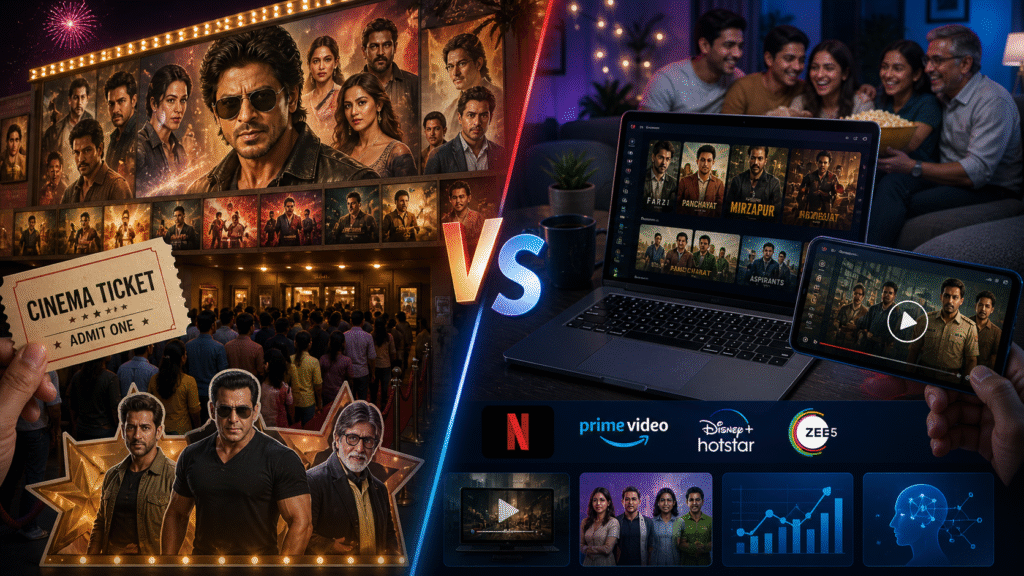
The Big Debate: Does OTT Save Careers or End Them?
Here’s where it gets juicy—experts, insiders, and fans don’t always agree. Let’s break it down with evidence from real careers.
The Pros: Why OTT Might Save (and Supercharge) Careers
- Career Revival for Veterans: Many faded stars found fresh life. Sushmita Sen’s fierce comeback in Aarya (2020 onwards) as a protective mother in the underworld not only won hearts but opened doors to more projects. Bobby Deol’s Aashram turned him into a sensation, proving age is just a number when talent meets the right platform. Akshaye Khanna and Raveena Tandon have seen similar resurgences through nuanced roles.
- Breakthrough for Character Actors and New Talent: Pankaj Tripathi went from supporting roles to household name via Mirzapur and Sacred Games. Pratik Gandhi’s Scam 1992 transformed him into a bankable lead, landing him pan-India films. Jaideep Ahlawat’s Paatal Lok gave him a “second life,” leading to lead roles everywhere.
- Creative Freedom and Global Exposure: OTT allows experimentation—bold stories, gray characters, female-centric narratives. Actors like Manoj Bajpayee (The Family Man) and Saif Ali Khan (Sacred Games) explored depths impossible in formulaic cinema. Data shows OTT reaches 500+ million users in India, creating digital fame that translates to brand deals and theatrical offers.
- Financial and Professional Stability: Even with recent budget corrections, consistent work means steady income. Actors report higher fees for top roles now, with some earning crores per season.
Take the “Anjali” equivalent here: An actor who eased into a 12-episode series with balanced prep and doctor-like guidance from agents. Six months later? Steady work, glowing reviews, and a loyal fanbase.
The Cons: Where OTT Might Backfire or Leave Actors Behind
- Algorithm Dependency and Data-Driven Endings: Not every show clicks. Low viewership? Canceled seasons, no renewals. Some actors invest months only to see projects shelved amid 2025’s 13% drop in originals (post-2024 slowdown).
- Typecasting and Star System Resistance: Traditional heroes who relied on theatrical masala struggled if OTT roles didn’t match their “image.” Budget cuts (down 40% in some reports) hit mid-tier actors hard, leading to joblessness for writers, technicians, and performers.
- Oversaturation and Fading Relevance: With fewer originals in 2025, competition is fierce. Actors who didn’t adapt—skipping OTT or underperforming—faced quiet exits. TV stars transitioning to OTT sometimes hit Bollywood bias, struggling for lead film roles despite digital success.
- Loss of Theatrical Magic: For some A-listers, OTT feels like a “step down” in prestige. Those who bet only on big screens without digital backup risked irrelevance as audiences shifted to streaming.
The “Priya” parallel: A star who jumped into a mismatched project, saw symptoms (flops, no buzz) spiral, and admitted, “I thought the big screen would save me, but my body of work disagreed.”
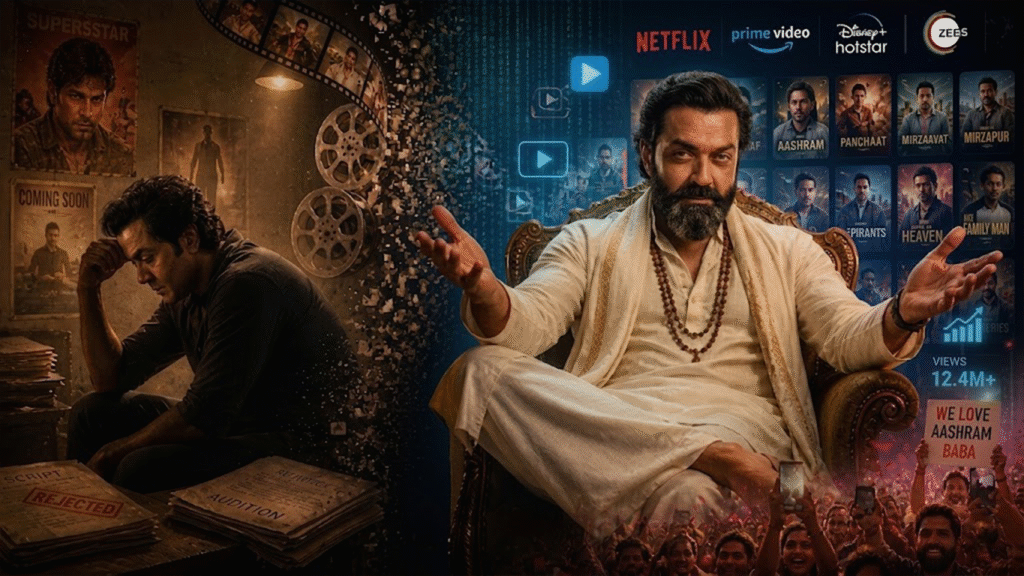
The Bollywood Twist: Tradition Meets Streaming Algorithms
Fasting (or big-screen exclusivity) isn’t new to Bollywood—it’s been our cultural heirloom. Single-screen releases, Diwali blockbusters, fan wars. But like Karva Chauth feasts ending in sugar spikes, old formulas now clash with modern realities. Our love for drama, emotion, and star power meets OTT’s carb-heavy data diets: binge metrics, retention graphs, global appeal.
The twist? Pan-India reach via regional dubs and subtitles. A Mumbai actor can now go viral in Tamil Nadu or even abroad without theatrical prints. Yet, desi audiences still crave emotional connect—family sagas, social issues, rooted stories. Platforms like Hotstar leverage cricket and reality for hybrid success. The trick: Blend star power with substance. Skip the “junk” (predictable plots) and nourish with fresh angles.
Real Stories: Triumphs and Tumbles
Let’s hear from those who’ve lived it.
- Bobby Deol (Revival King): Post-Aashram, he’s everywhere—films, memes, inspiration for dreamers. “It’s never too late,” fans echo.
- Sushmita Sen: Aarya proved maturity and range trump youth. She’s redefined comebacks for women.
- Pratik Gandhi: From theater to national sensation via Scam 1992. Now balancing OTT and cinema.
- The Struggling Side: Actors like certain 2000s stars who had early hits but multiple flops without a viral OTT break. Or those affected by 2025 slowdowns—reports of job losses, career switches. One insider noted, “OTT was supposed to save everyone, but the correction hit mid-level talent hardest.”
These tales prove one thing: OTT isn’t a magic wand. It’s a tool—how you wield it (preparation, adaptability, collaboration) matters.
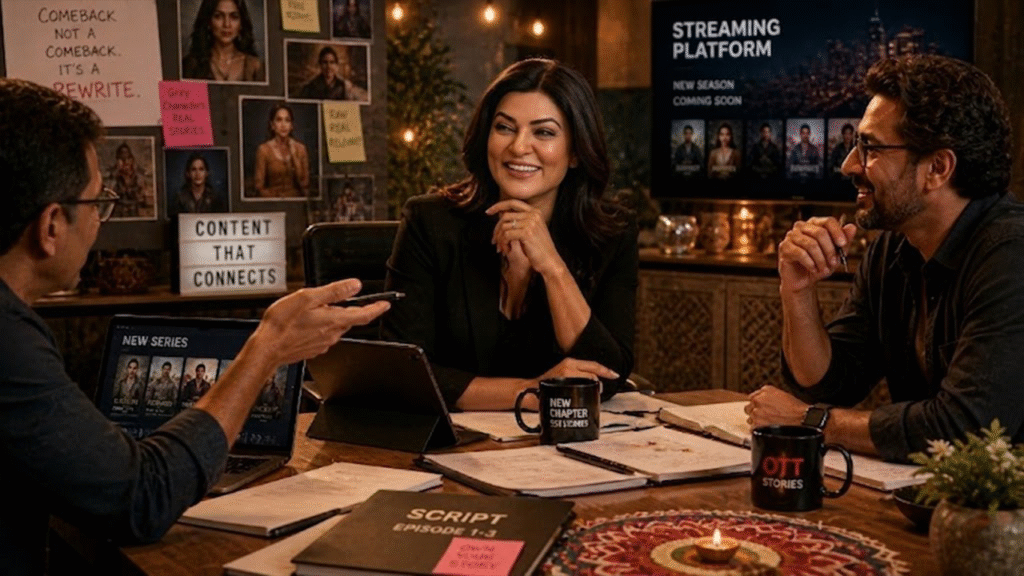
Navigating OTT Safely: Tips for Actors in the Streaming Era
Thinking of giving OTT a shot? Here’s how to keep it smart:
- Ease In: Start with guest roles or supporting parts to test the waters before leading a series.
- Fuel Up Right: Choose scripts with substance—strong characters, diverse genres. Pair with acting workshops for digital nuances (intimacy, long takes).
- Track Metrics: Monitor audience feedback, not just box-office. Use socials for personal branding.
- Listen to Your Team: Consult agents, mentors. Understand contracts, data rights.
- Balance with Theatrical: Hybrid careers win—OTT for depth, films for scale.
- Chill and Evolve: Stress from algorithms? Yoga, skill upgrades, and mental health breaks keep creativity flowing.
Desi Streaming Hacks: Thriving in the New Bollywood
What “you consume” in your career window matters. Build a personal brand like a balanced thali: Mix talent (protein), networking (veggies), and digital presence (grains). Avoid over-reliance on one platform or formula. Roast opportunities through auditions, but season with authenticity. Steer clear of toxic industry politics or unverified “quick fame” schemes.
Wrapping It Up: To Stream or Not to Stream?
So, does OTT save Bollywood careers or end them? It’s not black-and-white. For talents like Bobby Deol, Sushmita Sen, and Pratik Gandhi, it’s a game-changer—slimming egos, taming irrelevance, and taming new audiences. For others stuck in old mindsets or hit by market corrections, it’s a harsh reset. The difference lies in adaptability: slow and smart pivots, data awareness, and talent-first mindset.
If you’re an aspiring actor, dip your toes in. Start small, watch the signals (feedback, opportunities), and lean on pros. Bollywood is a marathon, not a sprint—and you’re tougher than any algorithm. The big screen and stream can coexist; the future belongs to those who bridge them.
What’s your take? Seen an OTT-fueled comeback or a career fade? Drop your story in the comments—let’s swap notes and lift each other up! Share this if it resonated, and subscribe for more deep dives into Indian entertainment shifts.
You May Like This
1



Advertisement

You May Like This








Advertisement
Advertisement
Advertisement