India finished the 2026 Asian Para Games in Aichi-Nagoya, Japan, with 114 medals (30 gold, 35 silver, 49 bronze), its best tally at the event. It did so with 168 athletes, down from 309 at Hangzhou three years ago. The numbers show Indian para-sport getting more out of a smaller squad, and they also show how far it still trails Asia’s top three.
More medals from a squad nearly half the size
India’s 114 medals beat its previous best of 108, set at Hangzhou in 2023. India originally won 111 there, but three medals were later withdrawn after doping cases, according to DD News. The gold count rose from 27 to 30. India saved its best for last: nine golds on 23 October, the final day of its campaign and its best single day of the edition, Outlook reported.
The bigger change is the size of the team. DD News reports that India sent 168 athletes this time, against 309 at Hangzhou. That is 141 fewer, or a little over half the earlier squad. As a rough measure, India won about 0.68 medals for every athlete it sent, against about 0.35 last time. The ratio is crude, because doubles and team events share medals and some athletes won more than one, but the direction is clear. None of the reports we read explain why the squad was smaller.
Athletics did most of the lifting
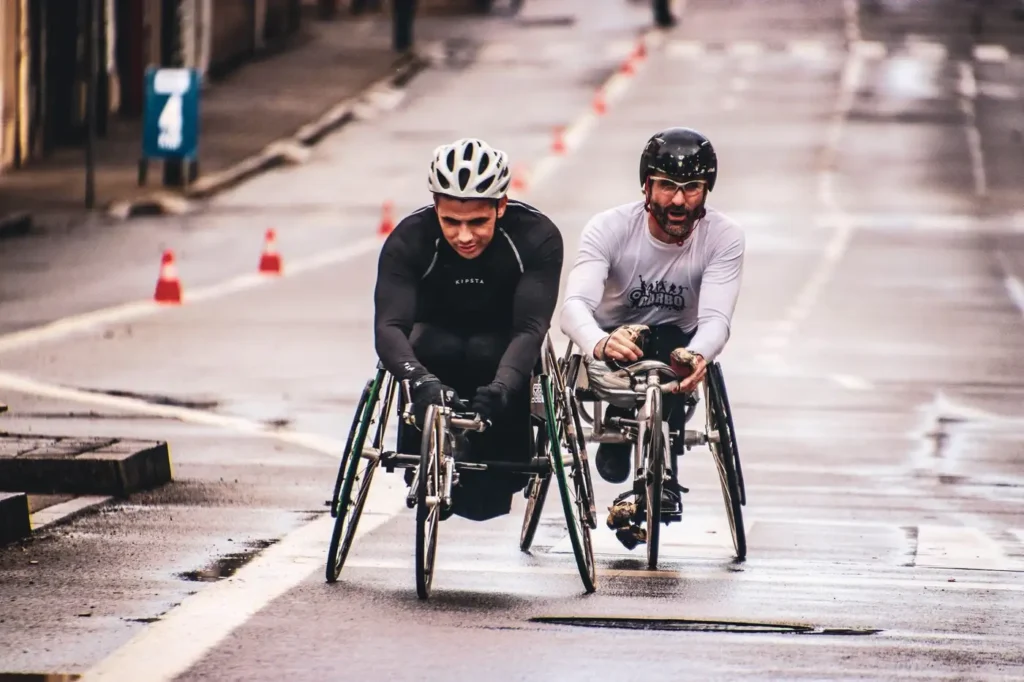
Para-athletics brought in 65 medals, more than half of India’s total and 12 more than at Hangzhou, according to Outlook. Para-badminton added 16 and para-swimming 11. Those three sports account for 92 of the 114 medals. The other 22 came from shooting, archery, table tennis and the rest of the programme.
The track produced two world records. Sandeep won the men’s 400m T64 in 52.28 seconds, and Haney won the men’s javelin F37/38 with 60.49m. Sumit Antil, India’s best-known para-thrower, won the combined-class javelin F42-44/61-64 with 72.46m, and two other Indians, Mahendra Gurjar and Sargar, completed an all-Indian podium. In combined-class events, medals are decided by points adjusted for each athlete’s impairment class rather than by raw distance. That is why Gurjar’s 59.03m took silver ahead of a 64.48m bronze. Pranav Soorma added a Games record of 32.87m in the men’s club throw F51.
Shooting, badminton and archery supplied the big moments
Para-shooter Mona Agarwal won two golds. She set a world record of 357.5 in the women’s 50m rifle 3 positions SH1, and earlier won the 10m air rifle standing SH1 with a Games record of 250.0, edging Avani Lekhara (249.6). Outlook reports that her result also secured India’s first quota place for the 2028 Paralympics.
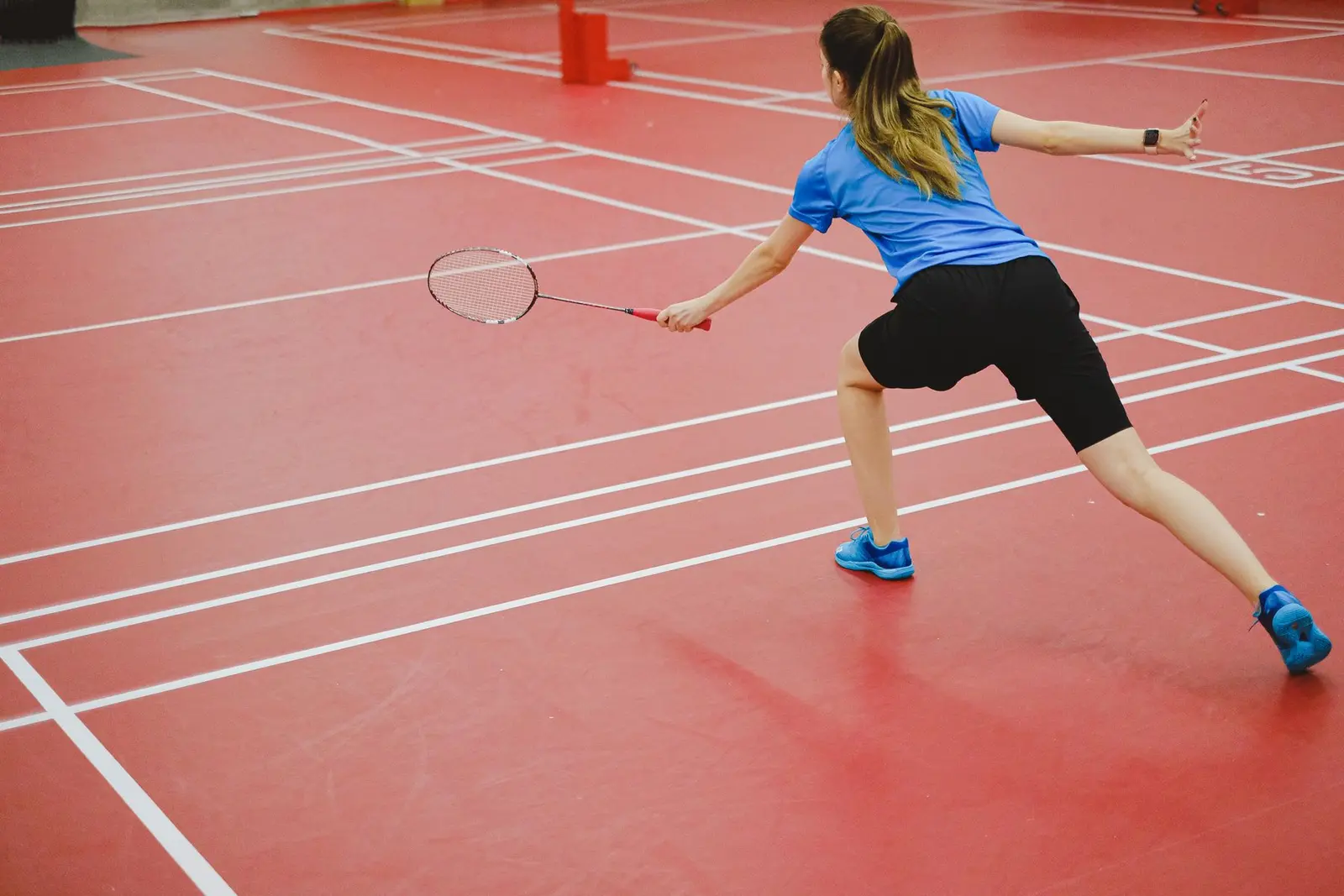
In badminton, Nitesh Kumar beat compatriot Pramod Bhagat 21-18, 21-16 in the men’s singles SL3 final, and Naveen Sivakumar won another singles title. Thulasimathi Murugesan and Manasi Joshi took gold in women’s doubles SL3-SU5. In archery, Harvinder Singh and Vijay Sundi won the men’s recurve doubles. Pooja Jatyan and Bhawna Choudhary’s silver in the women’s recurve doubles was India’s first medal in that event at the Asian Para Games, DD News noted. In table tennis, 50-year-old Jehan Dorab Madan won a men’s doubles MD4 bronze with Shubham Wadhwa, making him India’s oldest medallist of the Games.
Fourth, but a long way from third
In Khel Now’s final medal table, China finished first with 207 golds and more than 420 medals overall. Hosts Japan were second with 64 golds and 186 medals, and Uzbekistan third with 45 golds and 145 medals. India placed fourth on 30 golds, one ahead of South Korea’s 29. Iran finished sixth with 26 golds but 102 medals in all.
India’s fourth place therefore rests on a single gold. Japan won more than twice as many golds as India, and China nearly seven times as many. Uzbekistan, third, won 31 more medals than India. A record haul is real progress, but the gap to the podium of the medal table is still wide.
Paralympic Committee of India president Devendra Jhajharia called it “a proud moment for Indian para-sports”, in remarks carried by DD News.
What to watch
The real test is the Paralympics, where the field covers the whole world rather than one continent. At Paris 2024, a then-record 84 Indian athletes won 29 medals (7 gold, 9 silver, 13 bronze) and India finished 18th, up from 19 medals at Tokyo, according to the sports ministry. Los Angeles 2028 is the next benchmark, and Mona Agarwal’s quota is the first place India has secured.
Two things will show whether Aichi-Nagoya was a step up or a high point. First, whether sports beyond athletics, badminton and swimming start to win medals in numbers. Second, whether the leaner squad keeps converting at this rate once Paralympic qualification begins in earnest.