

Advertisement

- Updated on April 18, 2026
- IST 3:50 am
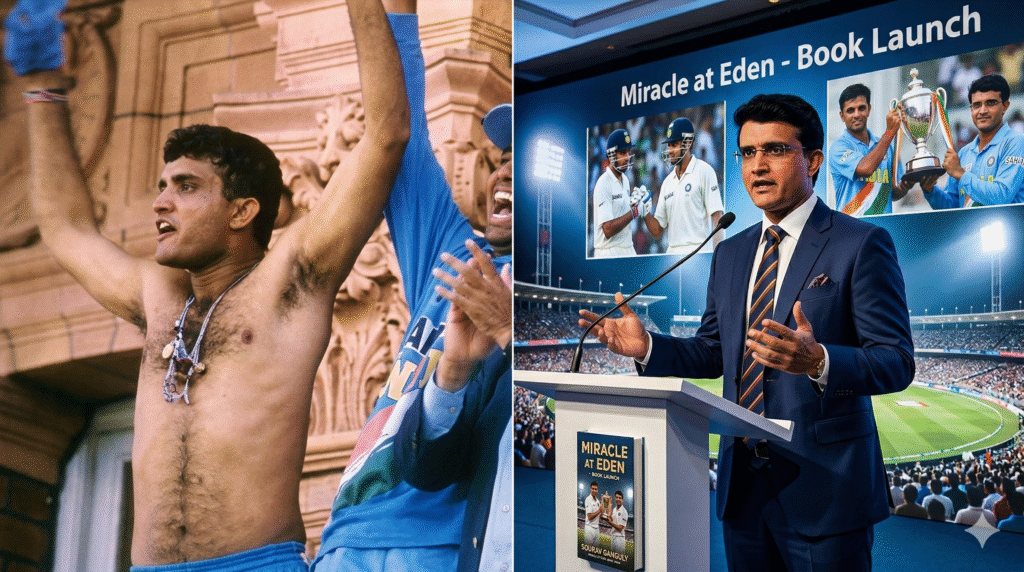
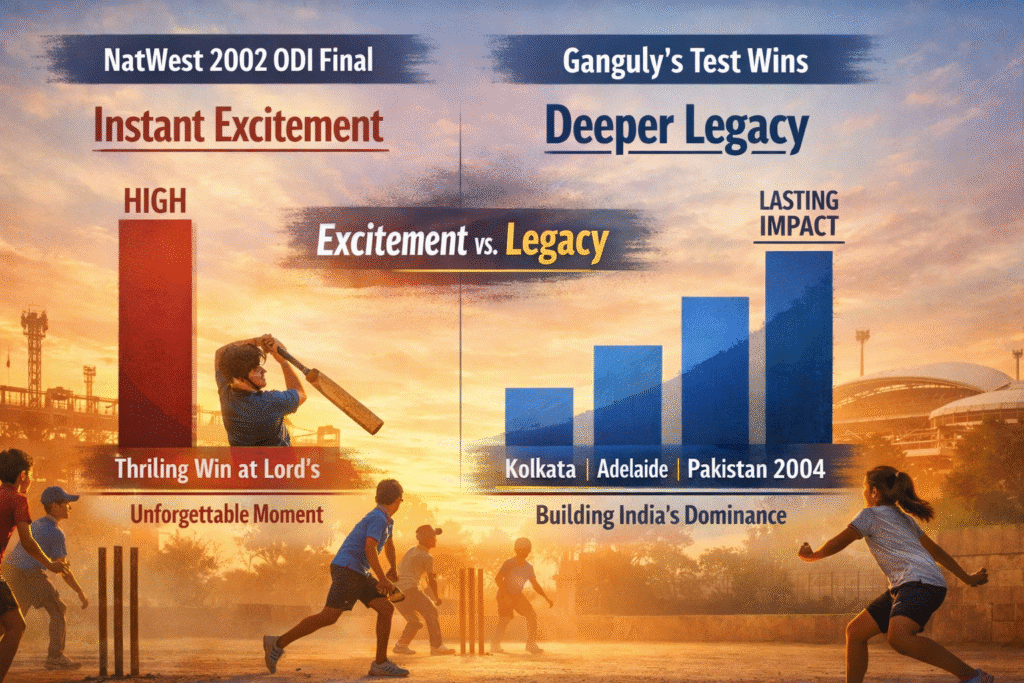
Imagine this: It’s July 2002 at Lord’s, the NatWest final. India is chasing 326 against England. Yuvraj Singh and Mohammad Kaif are at the crease, the score reads 146 for 6. A nation glued to TVs holds its breath as the duo scripts one of the greatest chases in ODI history. Fireworks, hugs, and Sourav Ganguly waving his jersey from the balcony—pure magic. Young Arjun, a 14-year-old from Kolkata’s Salt Lake, jumps on his sofa screaming, “Dada did it! We can chase anything now!” For him, that moment defined Indian cricket forever.
Now, fast-forward to March 30, 2026, at the launch of Miracle at Eden, celebrating 25 years of the iconic 2001 Kolkata Test. Sourav Ganguly, the same Dada, stands on stage and drops a bombshell. He rates the 2001 Kolkata comeback, the 2003 Adelaide Test victory, and the historic 2004 series win in Pakistan far higher than that NatWest thrill. “I would rate my NatWest win on a much lower pedestal,” he says calmly, naming those Test triumphs as the real heart of his captaincy legacy. Arjun, now 38 and a father himself, watches the clip on his phone in stunned silence. “Wait… Tests meant more to him?” he whispers, suddenly seeing his childhood hero in a whole new light.
So, what’s the truth? Was the NatWest final India’s emotional high or just one glittering chapter in a deeper story of grit? With the golden era of Indian cricket still inspiring millions, why does Ganguly place these three Test wins—Kolkata 2001, Adelaide 2003, and Pakistan 2004—above the famous Lord’s chase? In this blog, we unpack the drama, the heartbreak, the comebacks, and the real-life impact on Indian cricket. We’ll hear from fans, relive those epic moments, and even dive into Ganguly’s cheeky Sehwag anecdote from Multan. Rooted in our desi passion for the longer format, this is more than nostalgia—it’s a masterclass in leadership, resilience, and what truly builds a legacy. Let’s dive in and figure this out together!
The NatWest Final 2002: The Moment That Made India Believe
First, let’s set the scene for why NatWest felt like pure electricity. India had arrived in England under Ganguly’s captaincy with a point to prove after years of overseas struggles. The final at Lord’s: England posted 325/5. India slumped to 146/6. Enter Yuvraj and Kaif—two young guns who turned the script upside down. Kaif’s calm 87 not out and Yuvraj’s fiery 69 sealed a stunning 2-wicket win. Ganguly’s shirt-waving celebration became iconic, symbolizing a fearless new India.
For a generation of fans aged 15-45 today, that match was their first big “we can do this” moment in white-ball cricket. It wasn’t just a trophy; it planted seeds of confidence for future World Cups. Ganguly himself called it special because it showed the world India could chase big totals under pressure. Yet, in his 2026 reflection at the Miracle at Eden launch, he placed it lower. Why? Because Test cricket, he believes, reveals character over five long days, not 50 overs. It’s like comparing a sprint to a marathon—both thrilling, but only one tests every muscle and every ounce of willpower.
Understanding the 2001 Kolkata Miracle: From Follow-On Heartbreak to Historic Glory
Rewind to March 2001 at Eden Gardens. Australia, fresh off 16 straight Test wins, had thrashed India in the first Test at Wankhede. In Kolkata, Steve Waugh’s men piled up 445 in the first innings. India managed just 171 and were asked to follow on—only the third time in Test history a team had been forced to do so and gone on to win. What followed was pure folklore.
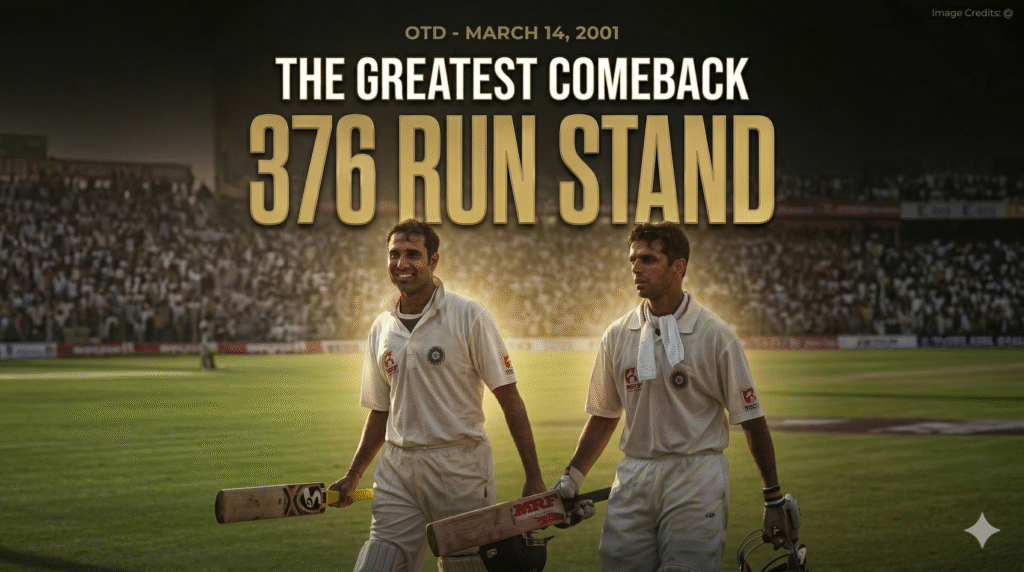
VVS Laxman walked in at 109/4 in the second innings (after following on) and crafted a majestic 281. Rahul Dravid joined him for a 376-run partnership that lasted over a day. India declared at 657/7, setting Australia 384 to win. The visitors crumbled for 212. India won by 171 runs. The Eden crowd went wild—fans invaded the pitch, carrying Laxman and Dravid on their shoulders. Ganguly, the captain, later called it destiny, a fairytale scripted in Kolkata’s humid air.
Think of it like a seesaw stuck in Australia’s favor for days, then suddenly tipping dramatically because two Mumbai and Hyderabad lads refused to blink. This win didn’t just break Australia’s streak; it announced India as a serious Test force at home and planted the flag for overseas ambitions. Ganguly’s calm leadership—backing his batters, trusting spinners like Harbhajan—turned potential embarrassment into immortality. No wonder he ranks it higher than NatWest. Tests demand patience; this match had it in spades.
Adelaide 2003: The Down Under Conquest That Shook Australia
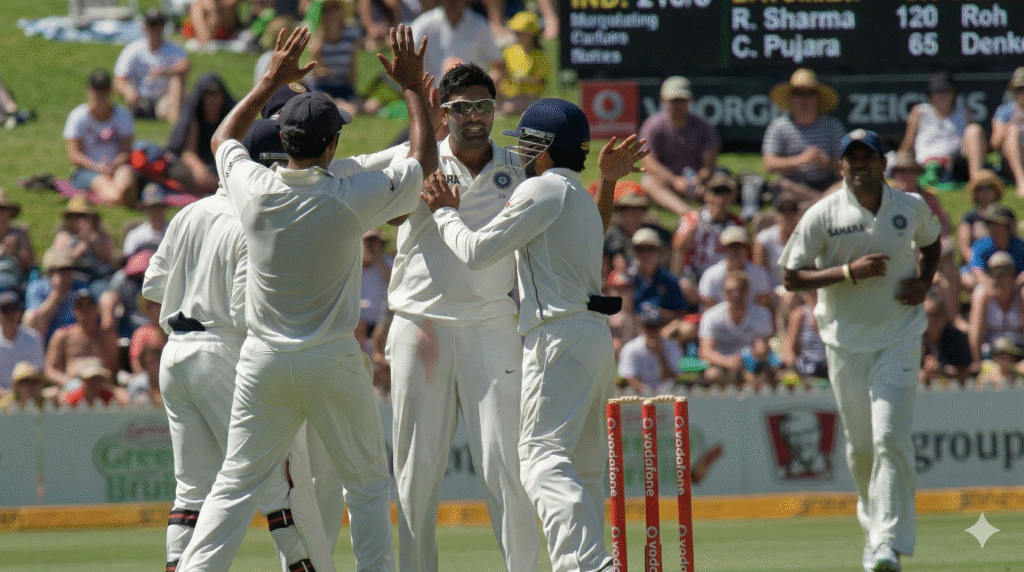
Cut to December 2003 at Adelaide Oval. Australia, still the undisputed kings, posted 556 in the first innings. India replied with 523, led by Rahul Dravid’s marathon 233. Then Australia collapsed to 196 in their second dig. India needed 230 to win in the fourth innings on a wearing pitch—against McGrath, Warne, and company.
What happened next? Pure Indian grit. Dravid and Sachin Tendulkar steadied the ship, but it was the lower order and calm chasing that sealed a 4-wicket victory. Ganguly wasn’t even on the field for every moment due to injury concerns earlier in the tour, but his tactical blueprint—aggressive yet calculated—shone through. India led the Border-Gavaskar series 1-0 on Australian soil. The dressing room erupted; back home, streets lit up with celebratory honks.
Ganguly later revealed how this win proved his team could compete away from home’s comforts. Unlike the high-octane NatWest chase, Adelaide tested endurance, strategy, and mental steel over five days. For him, it was redemption after years of overseas criticism. Picture a young cricketer from a small town in Rajasthan watching this on a grainy TV—suddenly believing he too could one day stare down the best in their backyard. That’s the power Ganguly cherishes more than any one-day trophy.
The Historic Pakistan 2004 Series: Crossing Borders, Making History
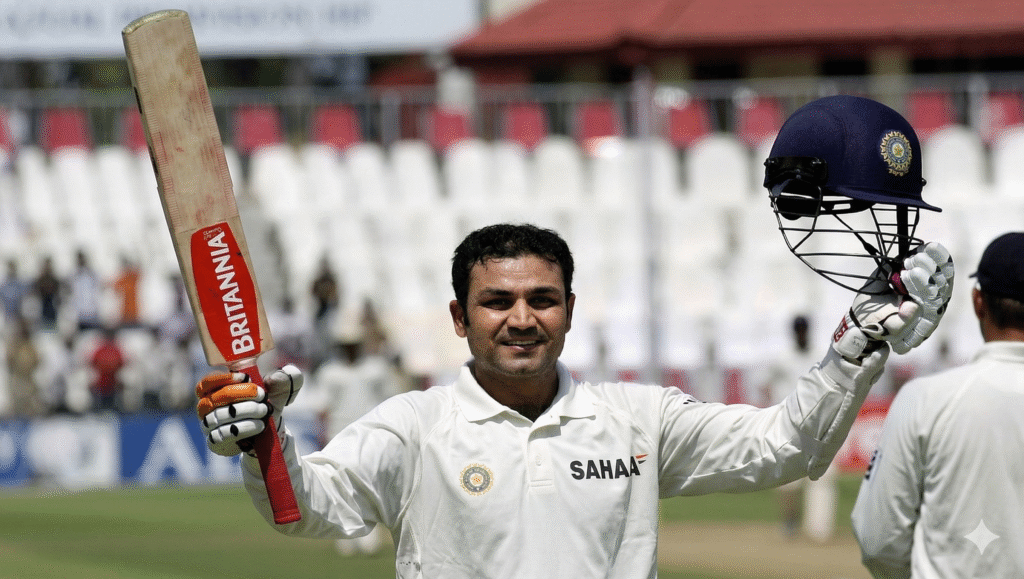
Now, the big one—India’s tour of Pakistan in 2004, the first full series in 14 years. Tensions were high, but cricket bridged divides. Ganguly’s men won the Test series 2-1, a landmark achievement on hostile soil. The Multan Test stands out: Virender Sehwag’s epic 309, the first triple century by an Indian, powered India to 675/5 declared. Pakistan couldn’t recover.
Ganguly shared a delightful anecdote at the 2026 book launch. Sehwag had casually told him before batting that he would hit a six on 94, 194, and 294—and he delivered exactly that! Even though Ganguly missed parts of the series due to injury, his captaincy vision set the tone. India’s spinners and batters dominated, turning a diplomatic tour into a cricketing conquest. The series win wasn’t just about runs; it was about breaking psychological barriers between two nations.
For Indian fans, this felt personal—pride mixed with hope for peace. Ganguly rates it high because it combined skill, courage, and cultural significance. Tests on foreign soil against arch-rivals? That’s legacy-defining stuff, far beyond a single ODI final, no matter how magical.
The Big Debate: Why These Test Wins Meant More to Ganguly Than NatWest
Here’s where it gets juicy—experts, fans, and even former players don’t fully agree. Traditionalists argue the NatWest final was the emotional spark that ignited India’s white-ball revolution. It made chasing cool and gave millions their first taste of victory. But Ganguly’s perspective flips the script. Tests, he believes, build character. They expose weaknesses over days, not hours.
Pros of his view: Kolkata taught India never to give up. Adelaide proved they could win abroad. Pakistan showed diplomacy through dominance. These built the foundation for future successes, from the 2007 T20 World Cup to modern Test dominance. Cons? Some say downplaying NatWest diminishes its role in popularizing cricket among the youth. Yet, multiple perspectives from the 2026 launch show fans nodding in agreement—Tests are the “real” format, as Ganguly called it.
Real stories echo this. Take Priya, 32, from Mumbai: “NatWest made me fall in love with cricket as a teen. But hearing Dada say Tests meant more made me revisit those 2001 highlights—Laxman’s 281 still gives me goosebumps.” Or Rohan, 22, from Delhi: “As a U-19 hopeful, Ganguly’s words remind me patience beats flash every time.”
The Indian Twist: How Ganguly’s Captaincy Reflected Our Desi Spirit
Fasting isn’t new to us Indians—wait, wrong metaphor. Ganguly’s style was pure desi: bold yet rooted, aggressive like a street-side gully cricket match but strategic like a chess game on a Kolkata rooftop. He incorporated mental toughness chats, family-like team bonds, and even light moments amid pressure, much like our festivals where emotion runs high but unity wins.
These wins resonated because they mirrored Indian resilience—whether battling monsoons or life’s curveballs. Ganguly’s leadership felt personal to every middle-class kid grinding for dreams.
Real Voices: Triumphs, Lessons, and Fan Reflections
Players and fans have spoken volumes. Harbhajan Singh called the Kolkata win “Dada’s gift to us.” Sehwag’s Multan story adds that cheeky human touch Ganguly loves. Fans on social media flooded timelines with #DadaLegacy after the 2026 event, sharing how these Tests inspired careers in coaching, playing, or even just supporting women’s cricket.
Timeless Lessons from Ganguly’s Leadership: What Every Young Indian Can Take Away
- Process Over Flash: NatWest was flashy; Tests built the foundation. Focus on the grind.
- Back Your Team: Ganguly trusted Laxman, Dravid, Sehwag—believe in people around you.
- Embrace Pressure: From follow-on to foreign soil, turn adversity into fuel.
- Lead with Heart: His shirt-wave was emotion; his captaincy was soul.
- Legacy Beyond Trophies: What you stand for matters more than one win.
- Keep Evolving: Even in 2026, Ganguly reassesses—stay humble and reflective.
These apply to exams, startups, or sports—pure inspiration for our 15-45 audience.
Wrapping It Up: Tests That Built an Era
So, does Sourav Ganguly’s candid reassessment prove that some victories run deeper than the spotlight? Absolutely. The 2001 Kolkata miracle, Adelaide 2003 conquest, and 2004 Pakistan series triumph weren’t just wins—they forged a fearless Indian team that changed cricket forever. NatWest lit the spark, but these Tests kept the fire burning.
If Ganguly’s story moved you, pick up a bat, watch those classic highlights, or simply share your favorite memory. What’s your take—NatWest or the Tests? Which Ganguly moment defined Indian cricket for you? Drop your story in the comments below—let’s relive the glory, swap notes, and keep the legacy alive. Dada would approve!
You May Like This
1



Advertisement

You May Like This





Advertisement
Advertisement
Advertisement