The standard line on Indian sport is that cricket’s dominance is finally easing — that kabaddi, football, badminton and a widening set of leagues are pulling audiences and sponsors away from it.
India’s sports economy is worth about ₹18,864 crore. Cricket’s share of it did not fall.
It rose, from about 85 per cent to 89 per cent.
What 89 per cent actually looks like
Take the figure apart and the concentration is starker than the headline.
Roughly ₹16,800 crore of an ₹18,864 crore market sits with one sport. Everything else — every football league, every kabaddi season, every badminton and kho kho and athletics property in the country — shares about ₹2,000 crore between them.
And the gap widened in a year when non-cricket sport had, on paper, a good run: new leagues launched, kabaddi viewership held up, and Indian athletes had a strong international season.
Growth in absolute terms happened almost everywhere. Cricket simply grew faster than all of it combined.
Why the diversification story took hold anyway
It is not invented. It is measuring something different.
Participation in non-cricket sport is genuinely up — more organised football, more structured athletics, more school-level infrastructure than a decade ago. Viewership for the bigger non-cricket properties is real and, for kabaddi, large by any international standard.
What has not followed is money. Sponsors renew cricket inventory first and buy other sport with what is left. Broadcasters price non-cricket rights off cricket’s floor, not off their own audience data.
So both statements are true at once: more Indians play and watch non-cricket sport than ever, and non-cricket sport is a smaller share of the money than it was. Confusing the first for the second is how the narrative got ahead of the economics.
Football lost a year and almost nobody noticed
The clearest evidence of how fragile non-cricket sport remains is what happened to the Indian Super League.
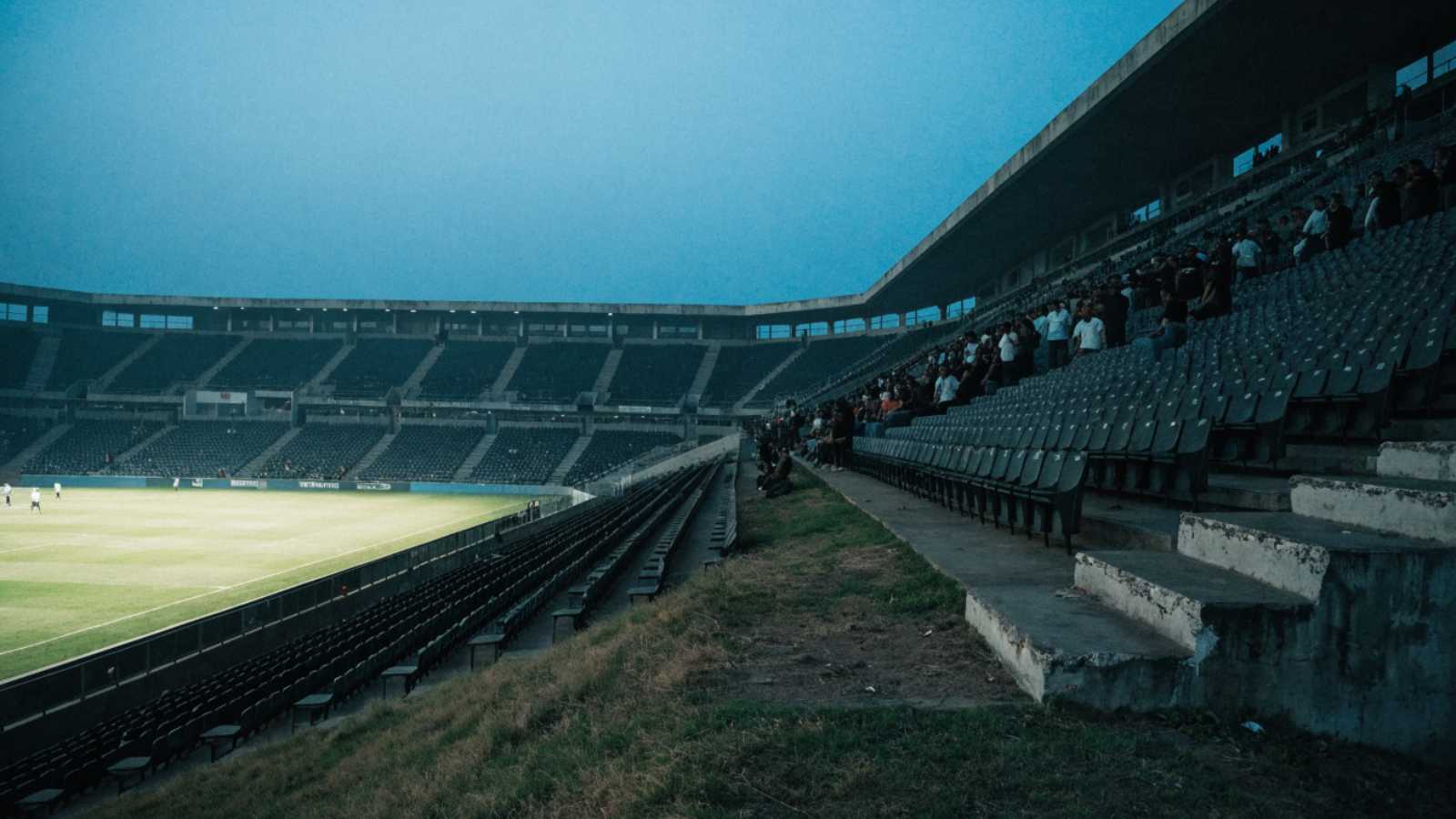
The ISL was suspended in July 2025 amid the dispute over the All India Football Federation’s commercial agreement, and did not return until February 2026.
Seven months with no top-flight domestic football. Players out of contract or unpaid, academies without a pathway, broadcasters with a hole in the schedule, sponsors with nothing to activate against.
The league is back. But a competition that can stop for most of a year because of a rights dispute is not a durable commercial property, and the sponsor market has priced that in.
Kabaddi is the real second sport
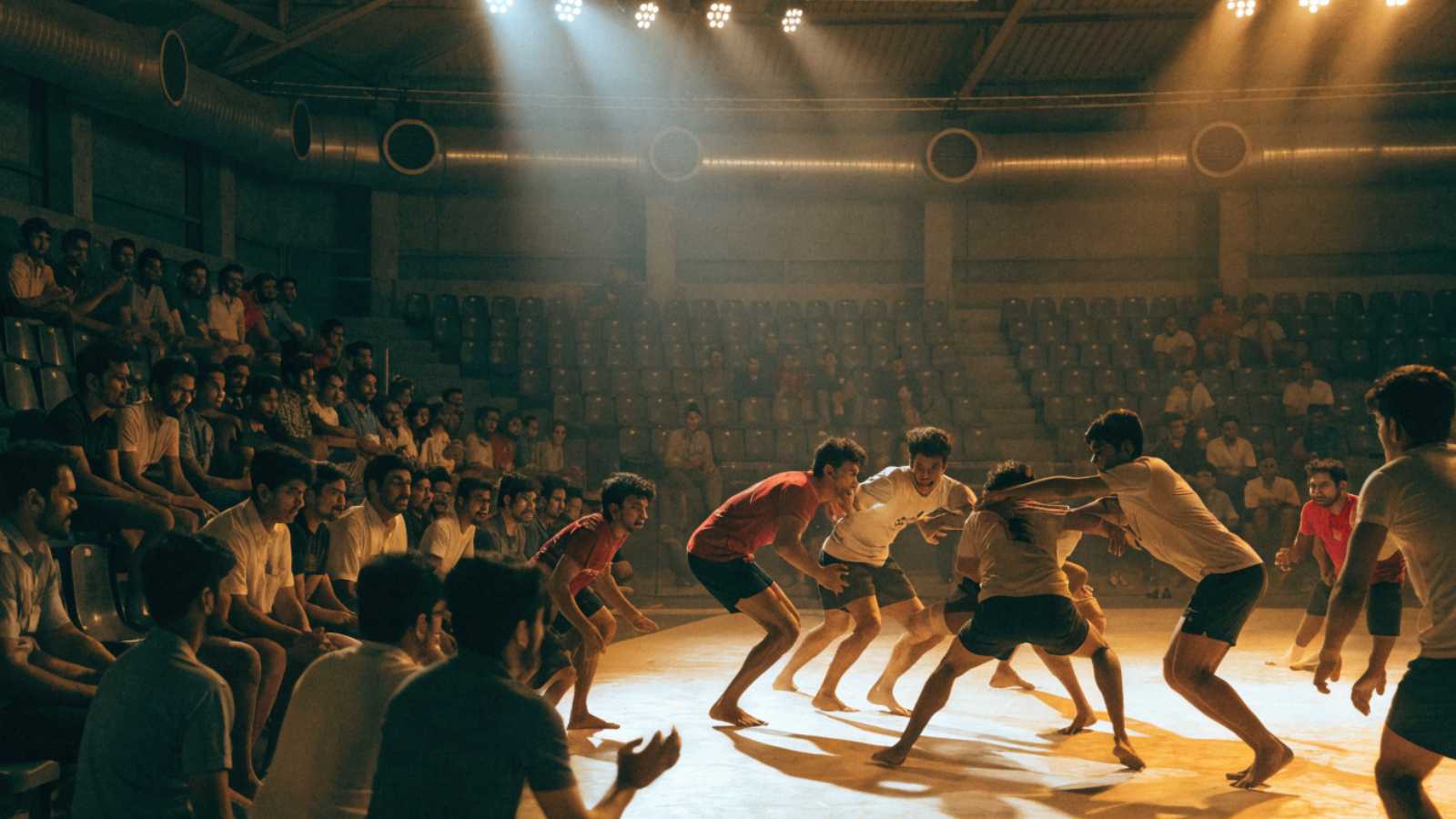
If you rank Indian sports by commercial reality rather than by aspiration, kabaddi — not football — is second, and it has been for a while.
The Pro Kabaddi League has run without a lost season, built genuine regional loyalties, and delivers audience numbers that most European domestic football leagues would recognise as healthy.
It also did something none of the other leagues managed: it took a sport that already existed in village India, with its own supporters and its own idiom, and televised it — rather than importing a format and hoping an audience would assemble around it.
Its ceiling is lower than football’s theoretical one. Its floor is dramatically higher, which in this market matters more.
The one number moving genuinely fast
Women’s cricket viewership is up roughly five times on 2022.
That is the steepest sustained increase anywhere in Indian sport, and it is not a rounding artefact of a low base — the absolute audience is now large enough that broadcasters treat women’s fixtures as standalone inventory rather than as filler.
It is also, note, still cricket. The fastest-growing segment of Indian sport is a subdivision of the sport that already holds 89 per cent of the money.
If you were designing a strategy to diversify Indian sport away from cricket, the most successful growth story of the past four years would be evidence against you.
What non-cricket sport actually needs
The diagnosis usually offered is exposure — more broadcast hours, more highlights, more celebrity. The leagues that have tried this have mostly found that attention without continuity does not convert.
Three things separate the properties that survived from the ones that did not.
Calendar certainty. A season that runs at the same time every year, without exception. Sponsors buy predictability before they buy reach.
Club economics that do not depend on a single owner’s patience. Most Indian non-cricket clubs are loss-making vanity assets. When the owner tires, the club goes.
A domestic talent pipeline the league itself pays for. Cricket has this. Almost nothing else does, which is why the ISL suspension immediately damaged the age-group system beneath it.
The uncomfortable version
India does not have a sports market with a dominant sport. It has a cricket market with some other sport around the edges, and the edges got proportionally thinner this year.
That is not an argument against investing in non-cricket sport. It is an argument for being accurate about what that investment is: long-horizon, largely unprofitable for now, and dependent on institutional stability that Indian sport outside cricket has not yet demonstrated it can provide.
The leagues that internalise this — budget for a decade, protect the calendar, build the pipeline — have a real chance. The ones still telling sponsors that the cricket monopoly is about to break will keep discovering it is not.
Market sizing figures refer to India’s commercial sports economy — sponsorship, media rights and ground revenue — and exclude sporting-goods retail and government expenditure.