
Advertisement

- Updated on November 5, 2026
- IST 11:39 am
Retail inflation in India rose to 5.54 per cent in September, the highest reading of 2026 so far, and food did most of the lifting. Onions were up 108.09 per cent on a year earlier. Mandi rates have started to soften, but the bill has already reached the kitchen, the restaurant menu and the Reserve Bank’s rate decision.
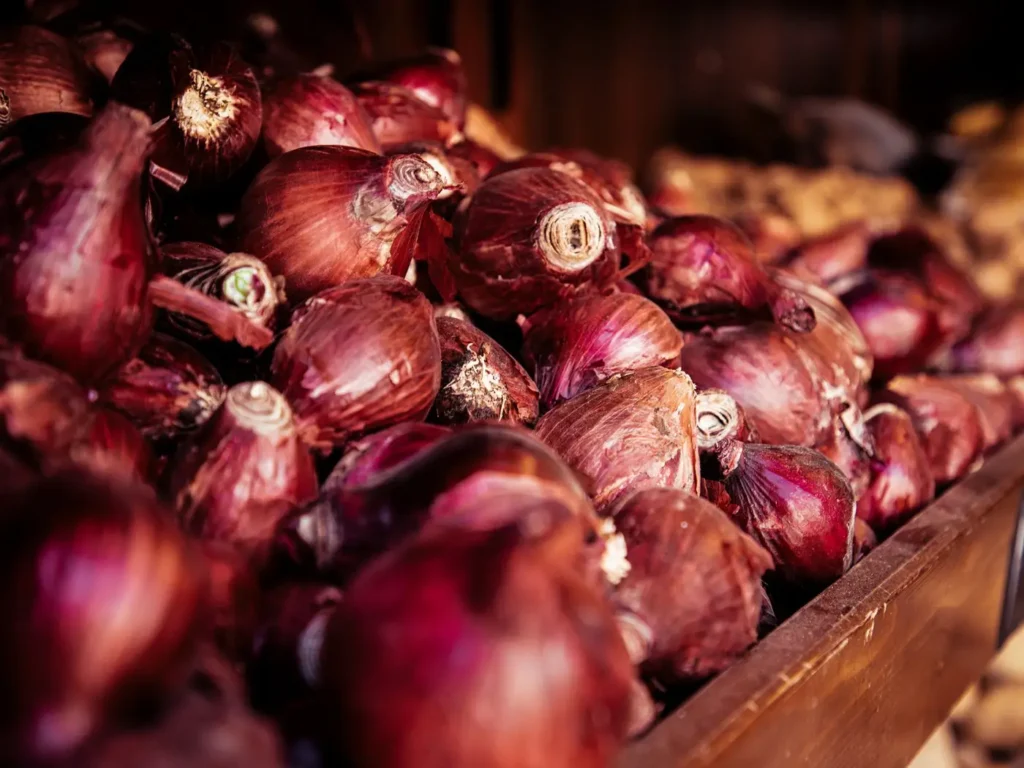
What the September numbers show
Data released by the Ministry of Statistics and Programme Implementation (MoSPI) on 12 October put headline consumer price inflation at 5.54 per cent for September, up from 4.83 per cent in August and 2.74 per cent in January. The series now uses 2024 as its base year. Food inflation, measured by the Consumer Food Price Index, jumped to 7.74 per cent from 5.97 per cent a month earlier.
The pressure was sharper in villages than in cities: rural food inflation stood at 8.06 per cent against 7.18 per cent in urban India. Eating out also got costlier. Prices for restaurants and accommodation rose 9.36 per cent, faster than food and beverages as a whole at 7.36 per cent.
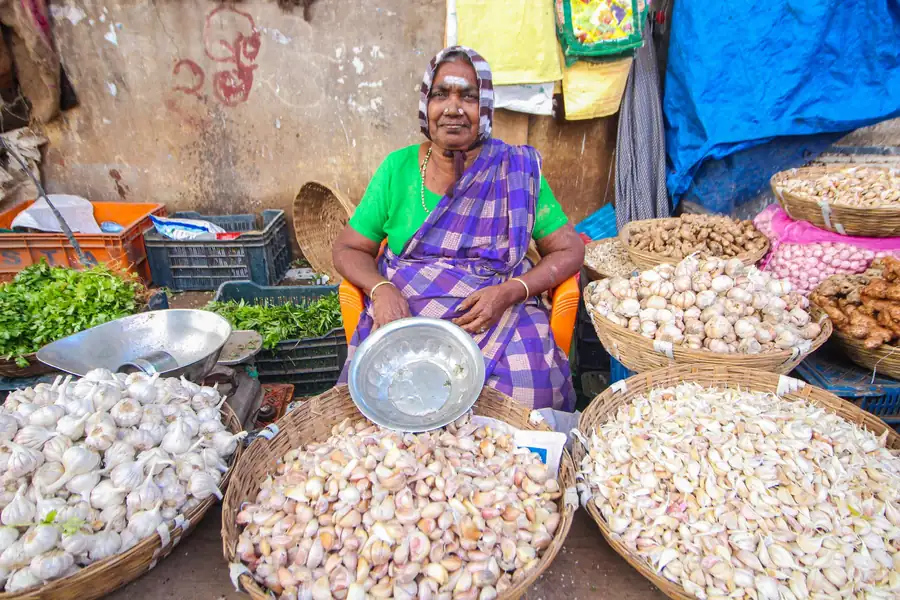
The item list explains where it hurts. Onion inflation was 108.09 per cent, more than double August’s 48.78 per cent. Garlic was up 54.62 per cent, ginger 62.85 per cent and lemon 36.41 per cent. Not everything rose: potatoes were 11.50 per cent cheaper than a year ago and tomatoes 8.62 per cent cheaper. The everyday tadka, in other words, is where the inflation sits.
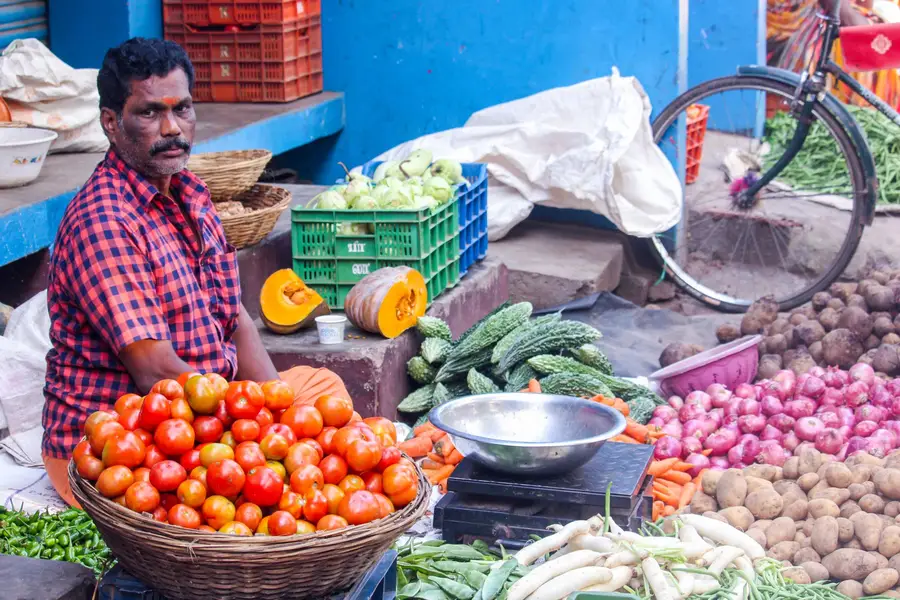
Why onions, and why now
On 14 October, Onmanorama reported retail onion prices of ₹50 to ₹65 a kg, roughly double the level at the same time last year. It pointed to a fresh harvest that had not yet picked up, higher temperatures that raised demand and drained stored stock faster, and lower output. Imports from countries including Egypt were not enough to close the gap.
At the wholesale end, prices had already begun to slip. The Free Press Journal reported on 5 October that good-quality onions at Lasalgaon in Nashik had fallen to ₹49 a kg from about ₹55 a month earlier, with an average of ₹4,200 a quintal. Urban retail, however, was still around ₹65 a kg.
Part of that gap is wastage. Traders cited in the same report estimated that 20 to 30 per cent of retail onions may spoil, and sellers pass those losses on to shoppers. Lasalgaon APMC director Pravin Kadam said “a sharp fall in Lasalgaon’s onion prices is unlikely at present”, citing strong demand for Nashik onions from the hotel industry.

The ₹35 onion and its limits
The Centre began selling buffer onions at a subsidised ₹35 a kg on 28 August through the cooperatives NCCF and Nafed, drawing on a 2026 buffer of 1.21 lakh tonnes. By 6 September, Consumer Affairs Secretary Nidhi Khare told PTI that about 4,000 tonnes had been sold in 17 cities. Yet the all-India average retail price had risen in that period, to ₹50.79 a kg from ₹48.5 on launch day, according to Business Today’s report.
The programme has since widened. In a release on 7 October, the consumer affairs ministry said more than 2 lakh quintals of buffer onions had reached 123 cities through eight Onion Express trains and 467 trucks, and that retail prices had fallen by up to ₹20 a kg in 126 cities over two weeks. Two lakh quintals is 20,000 tonnes, roughly a sixth of the buffer. It can cool prices in the cities it reaches; it cannot replace a full harvest.
From the kitchen to the RBI
Wholesale data show the pressure is not limited to onions. Wholesale price inflation rose to 11.39 per cent in September from 9.92 per cent in August, according to Ministry of Commerce and Industry figures released on 14 October. The WPI food index rose 8.66 per cent, and fuel and power 25.85 per cent.
The Reserve Bank of India had already acted. On 7 October its Monetary Policy Committee unanimously raised the repo rate by 25 basis points to 5.50 per cent and changed its stance from “neutral” to “calibrated tightening”. The policy statement said “food and fuel inflation have become more broad-based” and flagged deficient monsoon conditions and El Nino-related weather disruptions as risks. The RBI now projects CPI inflation of 5.2 per cent for 2026-27, and 6.0 per cent for the October-December quarter.
For younger households, that is a double squeeze: a costlier grocery bill and, on loans linked to the repo rate, higher interest costs.
What to watch
October inflation data, due on 12 November. Mandi prices fell in early October: the Maharashtra average dropped from ₹4,451 a quintal on 1 October to ₹3,900 on 6 October, and the ministry estimates the kharif onion area at about 5 per cent above last year. If retail prices follow, onion inflation should ease from its September peak.
The festive stretch. The Free Press Journal’s 5 October market report expected onion prices to stay volatile until Diwali, with prices depending on arrivals, exports and domestic demand.
Growers’ returns. Falling wholesale rates help shoppers but have raised concerns about what onion farmers earn, which shapes how much they plant and store for next year’s lean months.
Sources
- DD India: Retail inflation rises to 5.54% in September (2026-10-12)
- Onmanorama: Onion prices sting across India during festive season; fresh arrivals may ease rates (2026-10-14)
- Free Press Journal: Nashik: Onion Market Under Pressure As Lasalgaon Rates Fall To ₹49 Per Kg (2026-10-05)
- Business Today (PTI): Centre sells 4,000 tonnes of buffer onions across 17 cities as onion prices remain elevated (2026-09-06)
- Free Press Journal: Nashik: Fresh Kharif Onion Arrivals Push Average Prices Down 14% In Six Days (2026-10-08)
- Devdiscourse (ANI): WPI inflation climbs to 11.39% in September from 9.92% in August (2026-10-14)
- SCC Online: RBI hikes repo rate to 5.50%; shifts policy stance to 'calibrated tightening' (2026-10-09)
You May Like This
1




Advertisement


You May Like This








Advertisement


Advertisement


Advertisement