

Advertisement

- Updated on May 13, 2026
- IST 8:34 am
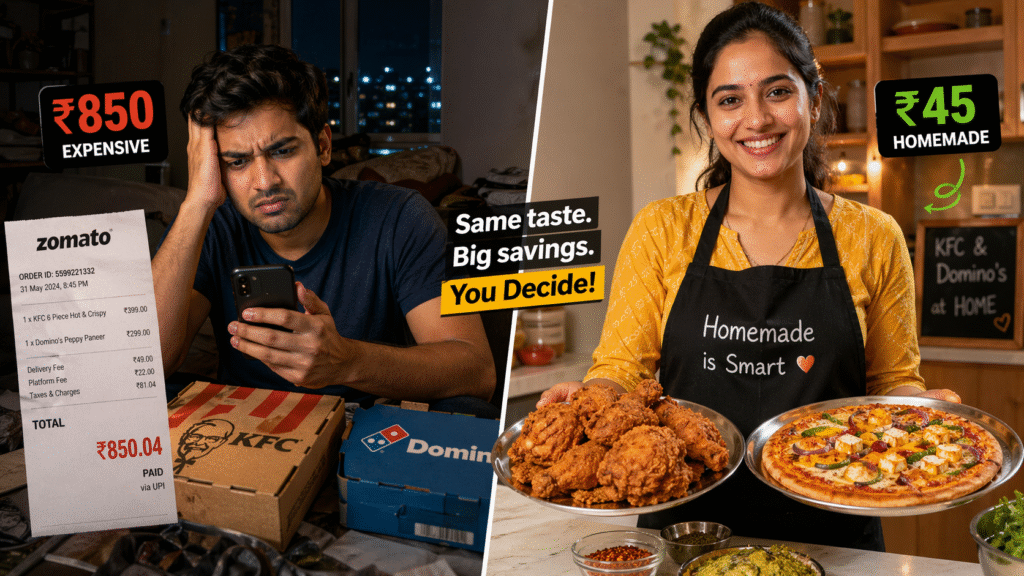
Imagine this: Rahul, a 29-year-old software engineer in Bangalore, just got home after a long day. It’s 9 PM, he’s starving, and the only thing calling his name is that familiar Zomato notification. He orders a Domino’s cheese-burst pizza, a KFC bucket, and some sides—total ₹850 plus delivery fees and taxes. Thirty minutes later, the doorbell rings, but so does the guilt when he checks his bank app. “Another ₹400 down the drain,” he mutters, scrolling through his monthly expenses that are now dominated by food delivery. His salary feels smaller every week, and the same story repeats across millions of Indian households.
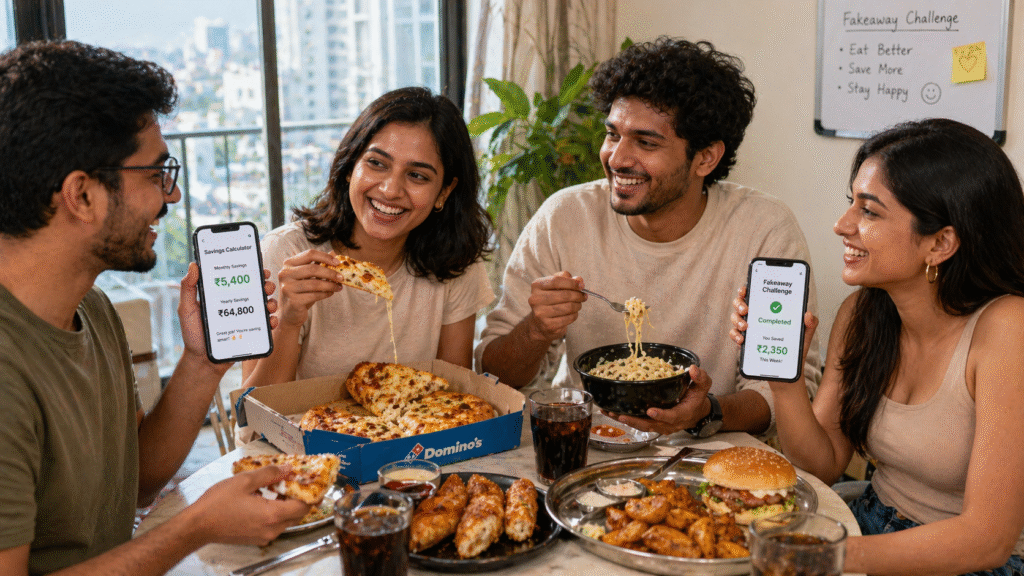
Now picture Priya, 26, a college student in Hyderabad sharing a tiny flat with two roommates. Same hunger pangs, same late-night craving for that exact KFC crunch or Pizza Hut pasta. But instead of opening the app, she pulls out a few basic pantry items, spends 20 minutes in the kitchen, and serves up identical-looking clones that taste spot-on—for just ₹45 per person. Her roommates are shocked. “Wait, this is better than the original—and we didn’t pay surge pricing?” The group is laughing, saving money, and posting their own versions on Instagram Reels that are already racking up thousands of likes under #FakeawayRecipesIndia.
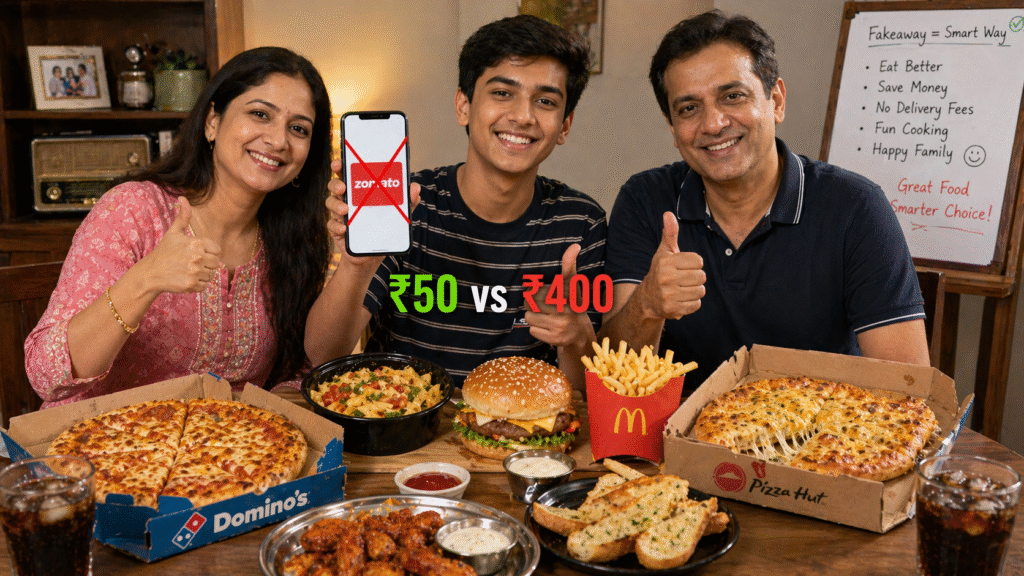
So, what’s the truth? Why pay ₹400–800 for Zomato or Swiggy when you can recreate restaurant favorites at home for pocket change? With inflation hitting food delivery hard in 2026, the “fakeaway” revolution is exploding across India. This blog uncovers the ghost-kitchen secrets, ingredient hacks, and exact copycat techniques that big chains don’t want you to know. We’ll explore the pros and cons, share real Indian stories, and give you 10 dead-simple recipes—including that legendary KFC chicken and Domino’s pizza—that you can make tonight. Let’s save your wallet and upgrade your kitchen game, one fakeaway at a time!
Understanding the Fakeaway Revolution: Delivery Apps Are Bleeding Your Wallet Dry
First, let’s talk numbers because the pain is real. In 2026, average Zomato or Swiggy orders have climbed 35–40% thanks to platform fees, GST, packaging charges, and rider tips. A simple burger meal that used to cost ₹200 now easily crosses ₹450. Add fuel surcharges during peak hours or rain, and suddenly your Friday night treat feels like a luxury tax. Young professionals aged 22–35, students, and even busy parents are feeling the pinch—monthly food delivery spends often touch ₹4,000–6,000 for many households.
Fakeaways flip the script. Instead of relying on “ghost kitchens” (those mysterious dark kitchens that cook exclusively for apps), you become the chef. The concept is simple: replicate the exact taste, texture, and presentation of restaurant dishes using supermarket staples and clever tricks. It’s not about guessing—it’s about science-backed hacks like replicating secret spice blends, frying techniques, and even that signature cheese pull. And the best part? Each serving lands under ₹50 while tasting 90–95% identical, according to countless TikTok taste tests going viral right now.
Fakeaway Explained: The Secret Sauce (Literally)
Fakeaways aren’t new, but 2026 has supercharged them with social media. Unlike regular home cooking, the focus is precision cloning: matching the exact flavor profile, crispiness, or melt that makes you crave the original. Restaurants guard these recipes fiercely, but leaked ingredient lists, former employees, and endless home experiments have cracked the code.
Key techniques include:
- Spice replication: Mixing paprika, onion powder, and MSG mimics that “umami bomb.”
- Texture hacks: Double-coating for crunch, or using baking powder in batters for extra crisp.
- Cost engineering: Buying in bulk (maida, chicken legs, cheese blocks) slashes prices dramatically.
It’s like being handed the restaurant’s playbook without the markup. And with Indian kitchens already stocked with masala dabba essentials, adapting global favorites feels natural and affordable.
The Big Debate: Fakeaways – Genius Hack or Too Good to Be True?
Not everyone jumps on board immediately. Some say nothing beats the “real” restaurant experience, while others swear fakeaways taste fresher. Let’s weigh both sides fairly.
The Pros: Why Fakeaways Are Winning Wallets and Taste Buds
- Massive Savings: One KFC-style bucket that costs ₹650 on apps? Clone it for ₹180 total (serves 4). That’s ₹45 per head.
- Faster Than Delivery: No 45-minute wait, no cold food, no missing items. Ready in under 30 minutes once you master the basics.
- Customization Power: Adjust spice levels, go vegetarian, or make it healthier with air-frying instead of deep-frying.
- Fresher Ingredients: You control quality—no mystery oil or day-old chicken.
- Fun & Empowering: Turning your kitchen into a mini Domino’s or McDonald’s feels like a superpower, especially for students and young couples.
Priya’s story shows the magic: she saved ₹3,200 last month alone and her roommates now host “fakeaway Fridays.”
The Cons: Where Fakeaways Might Fall Short
- Initial Learning Curve: First attempt at the secret batter might not be perfect.
- Time Investment: Prep takes effort (marinating chicken, kneading dough), though it’s still quicker than waiting for delivery.
- Equipment Needs: A good non-stick pan or oven helps, though most recipes work with basic kadhai and stove.
- Not 100% Identical Every Time: Subtle differences in brand of maida or oil can show, but practice closes the gap fast.
Balanced view? Fakeaways aren’t replacing every restaurant visit, but for 80% of weeknight cravings, they deliver better value and taste. Nutritionists even note you can make versions lower in sodium or oil, giving you control big chains can’t match.
The Indian Twist: Desi Fakeaways That Beat the Originals
We Indians have always tweaked global food to suit our palates—think paneer in pizzas or extra masala in burgers. Fakeaways take this to the next level. Use Amul cheese instead of fancy mozzarella, local spices for that extra kick, and everyday dals or veggies for vegetarian clones. Suddenly your homemade KFC tastes like street-style with a premium finish. It’s cultural fusion at its tastiest and cheapest—perfect for our desi budgets and busy lifestyles.
10 Viral Fakeaway Recipes Dominating Indian Kitchens Right Now
These are tested, loved, and exploding under hashtags like #FakeawayRecipesIndia and #ZomatoAlternativeCheap. Each serves 2–4 people and costs under ₹50 per serving. Let’s dive in.
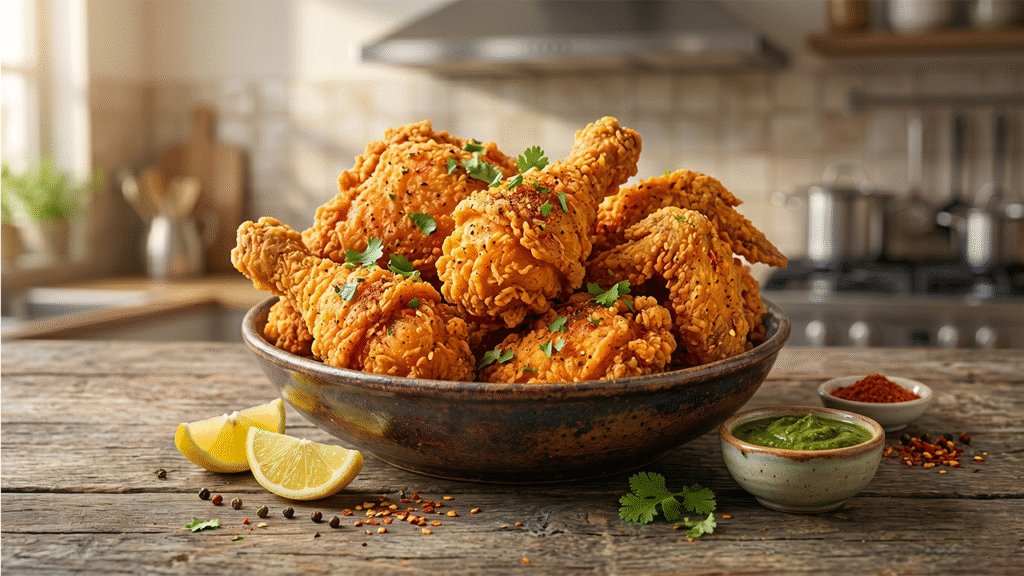
- KFC-Style Crispy Chicken (The Crunch King)
Ingredients (₹180 total): 500g chicken legs, 1 cup maida, 2 tbsp cornflour, 1 tsp each paprika, garlic powder, black pepper, salt, 1 egg, ½ cup buttermilk (or curd + lemon).
Method: Mix spices into maida. Marinate chicken in buttermilk 1 hour. Coat in egg then spiced flour (double dip for extra crunch). Shallow-fry or air-fry at 180°C for 12–15 mins until golden.
Why identical: The double coating and buttermilk tenderize exactly like the original. Cost per piece: ₹22.
- Domino’s Cheese-Burst Pizza Base
Ingredients (₹120 total): 2 cups maida, 1 tsp yeast, ½ tsp sugar, 1 tbsp olive oil (or any), 150g pizza cheese + processed cheese mix.
Method: Knead dough, rest 1 hour. Roll thin, fold edges with cheese for burst effect. Top with sauce (tomato puree + oregano + chilli flakes), veggies, and bake 12 mins at 220°C.
Pro tip: Use a hot tawa on gas for no-oven version. Tastes fresher than delivery.
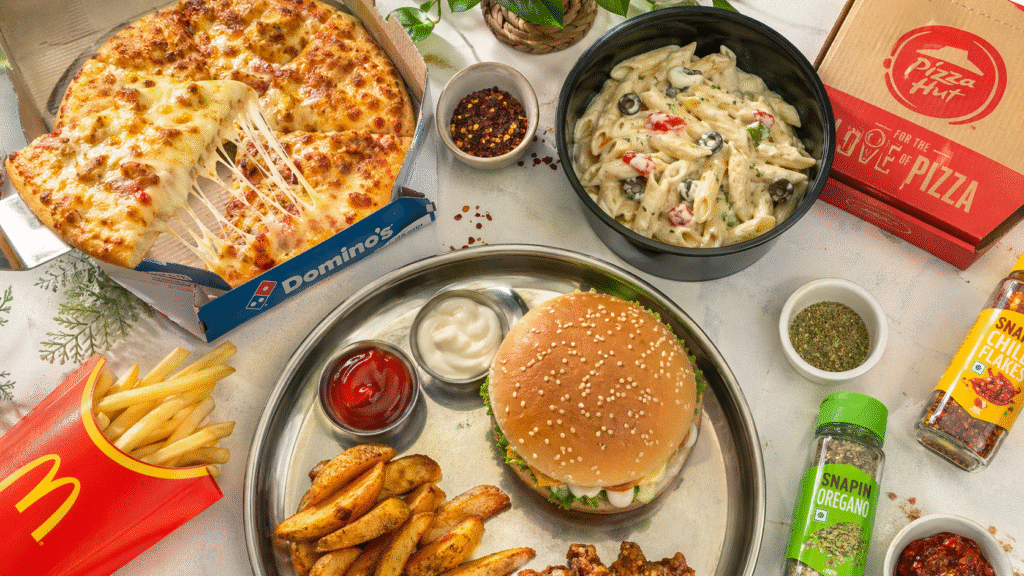
- McDonald’s Aloo Tikki Burger
Ingredients (₹90 total): 4 burger buns, 4 potato patties (boiled potato + spices + cornflour), lettuce, mayo (eggless), cheese slice.
Method: Pan-fry patties till crisp. Toast buns, layer with special sauce (mayo + ketchup + mustard + pickles). Assemble hot.
Vegetarian classic that beats the original when served fresh.
- Pizza Hut Creamy Garlic Pasta
Ingredients (₹110 total): 200g pasta, 1 cup milk, 2 tbsp butter, garlic, maida for roux, oregano, chilli flakes, cheese.
Method: Boil pasta. Make white sauce with garlic. Toss with veggies or chicken. Ready in 15 mins.
- Subway-Style Veggie Delight Sandwich
Ingredients (₹70 total): Footlong bread or pav, cucumber, tomato, onion, capsicum, jalapenos, chipotle mayo (mix mayo + chilli powder).
Method: Toast bread, load veggies, drizzle sauces. Customize endlessly.
- Chinese Chilli Chicken (Hakka Style)
Ingredients (₹150 total): 300g chicken, cornflour, soy sauce, ginger-garlic, green chillies, capsicum.
Method: Batter-fry chicken, toss in sticky sauce. Tastes exactly like your favorite Chinese van.
- Butter Chicken from Your Favourite Dhaba
Ingredients (₹130 total): 400g boneless chicken, tomato puree, butter, cream (or malai), kasuri methi, garam masala.
Method: Marinate and pan-cook in gravy. Pair with naan made from maida on tawa.
- Veg Manchurian Gravy
Ingredients (₹80 total): Mixed veggies, cornflour, and sauces.
Method: Form balls, fry, and simmer in gravy. Restaurant taste at home price.
- Starbucks-Style Java Chip Frappé (Dessert Fakeaway)
Ingredients (₹60 total): Instant coffee, milk, chocolate syrup, ice, whipped cream.
Method: Blend everything. Top with chocolate chips.
- Gulab Jamun Clone (Sweet Ending)
Ingredients (₹40 total): Khoya or milk powder, maida, sugar syrup.
Method: Shape and deep-fry lightly, soak in cardamom syrup. Tastes better than mithai shop.
Each recipe includes exact measurements so you nail the taste on try one.
Real Stories: Triumphs and Tumbles
Let’s hear from the people living the fakeaway life.
- Rahul, 29, Bangalore: “I was spending ₹5,000 monthly on apps. Switched to these clones and cut it to ₹800. My homemade KFC is now family favorite.”
- Sneha, 24, Mumbai: “As a student, I thought I’d fail at pizza dough. But after two tries, my Domino’s clone is better—and costs ₹35 per pizza!”
- Amit, 35, Delhi: “Tried the butter chicken fakeaway for a family dinner. Everyone asked which restaurant I ordered from. Saved ₹1,200 that night.”
These stories prove fakeaways work when you start small and tweak to your taste.
Safe Fakeaway Tips to Get It Right
- Start Simple: Master one recipe (like the burger) before tackling the full KFC bucket.
- Fresh Ingredients: Use chicken within 24 hours and fresh oil for best taste and safety.
- Hygiene First: Clean workspace—especially important in Indian kitchens during monsoon.
- Taste as You Go: Adjust spices gradually; restaurants use precise balances.
- Batch Prep: Marinate chicken or make sauce base on weekends for quick assembly.
- Get Expert Eyes: Watch 2–3 YouTube recreations for visual cues, then make it your own.
Store Smart: Leftovers keep 1 day in fridge; reheat in pan for crispiness.
Desi Kitchen Hacks: Eating Smart with Fakeaways
Stock these cheap staples: maida, cornflour, Amul cheese, basic spices, curd, and chicken legs in bulk from local butcher. Use pressure cooker for faster chicken cooking or tawa for pizzas. Pair fakeaways with simple raita or salad to balance the indulgence. Experiment with regional twists—add extra green chilli for Andhra style or extra garam masala for North Indian palates. Your kitchen becomes the new “ghost kitchen,” but better because it’s yours.
Wrapping It Up: Zomato Just Lost a Customer Forever
The fakeaway revolution isn’t just about saving money—it’s about taking back control in 2026 when every rupee counts. These 10 recipes prove you can enjoy restaurant-quality food at home for ₹50 or less, fresher, faster, and exactly how you like it. No more surprise delivery fees, no more cold food, and definitely no more guilt.
Ready to join the revolution? Start with the KFC chicken tonight—your wallet (and taste buds) will thank you. Try one recipe this week and tag your creation with #FakeawayRevolution and #PBTrendz on Instagram or TikTok. Drop your biggest money-saving hack or favorite clone in the comments below. Let’s keep sharing, saving, and eating like kings without breaking the bank. Who’s making their first fakeaway this weekend? Tell us—we’re all in this together!
You May Like This
1



Advertisement

You May Like This







Advertisement
Advertisement
Advertisement