

Advertisement

- Updated on April 17, 2026
- IST 6:56 am
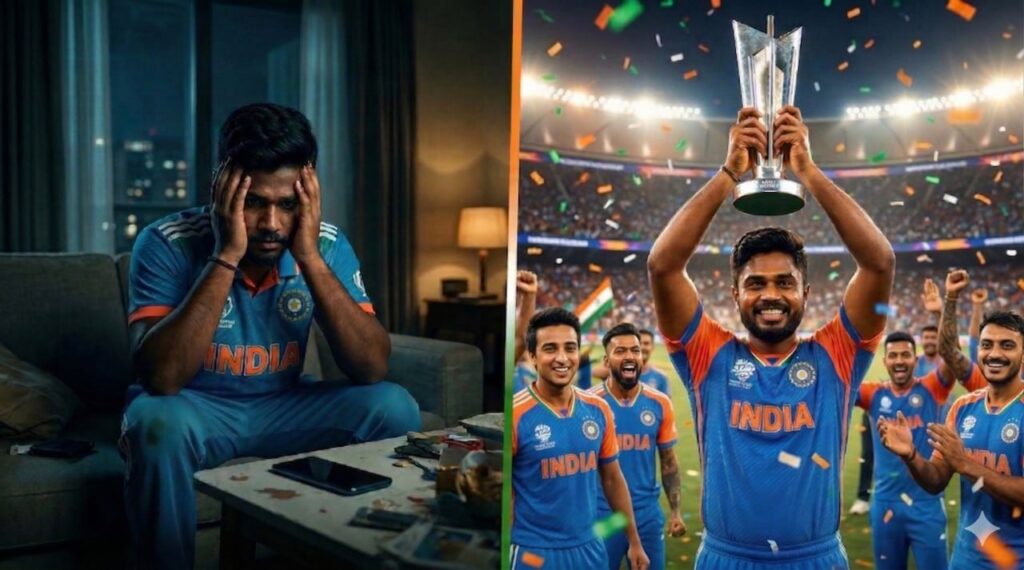
Imagine this: It’s late January 2026, and Sanju Samson is sitting alone in his Mumbai apartment, phone switched off, staring at the ceiling. The New Zealand series had just ended in heartbreak. Dropped from the playing XI, booed by a few sections of the crowd, and hammered by critics calling him “talent without temperament.” At 31, the man who once lit up the IPL with 500-plus runs in a season felt completely broken. “I was done,” he would later admit in an emotional post-World Cup chat. Tears welled up as he questioned everything—his technique, his place in the team, even his love for the game that had been his escape since childhood in Kerala.
Now, fast-forward to March 9, 2026. Narendra Modi Stadium in Ahmedabad is roaring. India has just demolished New Zealand by 96 runs to retain the T20 World Cup title. Sanju Samson, Player of the Tournament with 321 runs at a blistering strike rate, lifts the trophy alongside his teammates. His 89 off 46 in the final? Pure poetry. The same man who was “finished” weeks ago is now the toast of the nation. And the secret weapon behind this phoenix-like rise? A series of late-night phone calls from none other than Sachin Tendulkar.
So, what’s the real story here? Is Sanju Samson’s World Cup heroics just another feel-good cricket tale, or does it reveal deeper truths about mental battles, mentorship, and the unforgiving pressure cooker of Indian cricket? In this exclusive deep dive, we unpack the lows that nearly ended his career, the Sachin Sir guidance that rebuilt him from the inside out, the knockout fireworks that silenced doubters, and the lessons every young Indian dreamer can carry into their own battles. Whether you’re a 15-year-old aspiring cricketer in a small-town maidan or a 40-year-old fan reliving glory days, Sanju’s journey hits home. Let’s step into the world of India’s silent assassin and see how belief turned the tide.
Sanju Samson: The Enigma Who Always Had the Talent
Born in Kozhikode, Kerala, on November 11, 1994, Sanju Samson was never your typical cricket factory product from Mumbai or Delhi. His father, Samson Viswanath, a police constable, and mother, Lakshmi, nurtured a boy who could flick sixes with the grace of a dancer. By 17, he was smashing records in the U-19 World Cup. IPL stardom followed—captaining Rajasthan Royals, racking up 3,934 runs before switching to Chennai Super Kings in 2026. His T20I debut came in 2015, yet for a decade, it was a rollercoaster: flashes of brilliance (like that 77 against Ireland) mixed with frustrating inconsistency.
Think of Sanju as that gifted artist who paints masterpieces one day and stares at a blank canvas the next. His wristy flicks, the way he makes the ball disappear into the stands, scream pure talent. But Indian cricket demands more—consistency under the microscope of 1.4 billion fans. Between 2015 and 2024, he played 11 T20Is post a strong Ireland knock and managed just 123 runs at a dismal 17.53 average. Critics labeled him “inconsistent,” selectors dropped him repeatedly. Yet in domestic cricket and IPL, the runs kept flowing. He was like a Ferrari stuck in traffic—engine roaring, but nowhere to go full throttle.
The Dark Days: Feeling “Completely Broken” After New Zealand
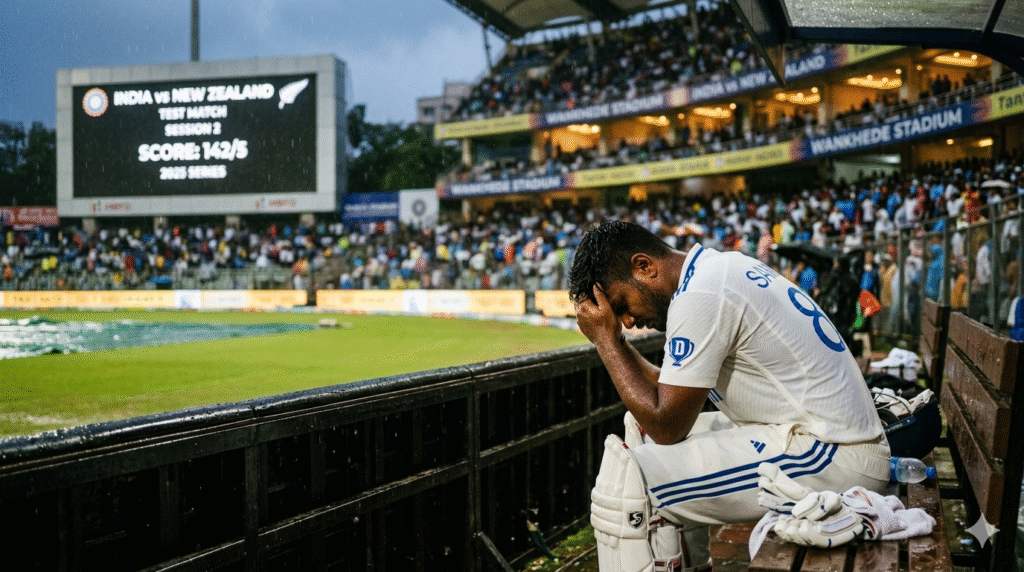
Let’s rewind to late 2025. India’s series against New Zealand exposed the cracks. Sanju, expected to anchor the top order as opener and wicketkeeper, struggled. Modest scores, a few dropped catches, and suddenly Ishan Kishan edged him out. The booing in the stands cut deep. “I shut down my phone for days,” Sanju revealed later. “Messages from well-wishers felt like pity. I was questioning if I belonged.”
This wasn’t new. Sanju’s career had been a cycle of selection, benching, and dropping. Post-2024 T20 World Cup (where he didn’t play a game despite India’s win), form dipped again. The 2025 Champions Trophy? Missed out. Childhood struggles—growing up in a modest Kerala home, balancing studies with cricket—had built resilience, but the constant scrutiny chipped away. “It felt like the world was moving on without me,” he shared. For Indian fans who’ve seen stars like Yuvraj Singh battle injuries or Rishabh Pant fight comebacks, this hit hard. Pressure in cricket isn’t just about runs; it’s about identity. One bad series, and social media turns into a battlefield.
The Turning Point: Sachin Sir’s Calls That Rebuilt Everything
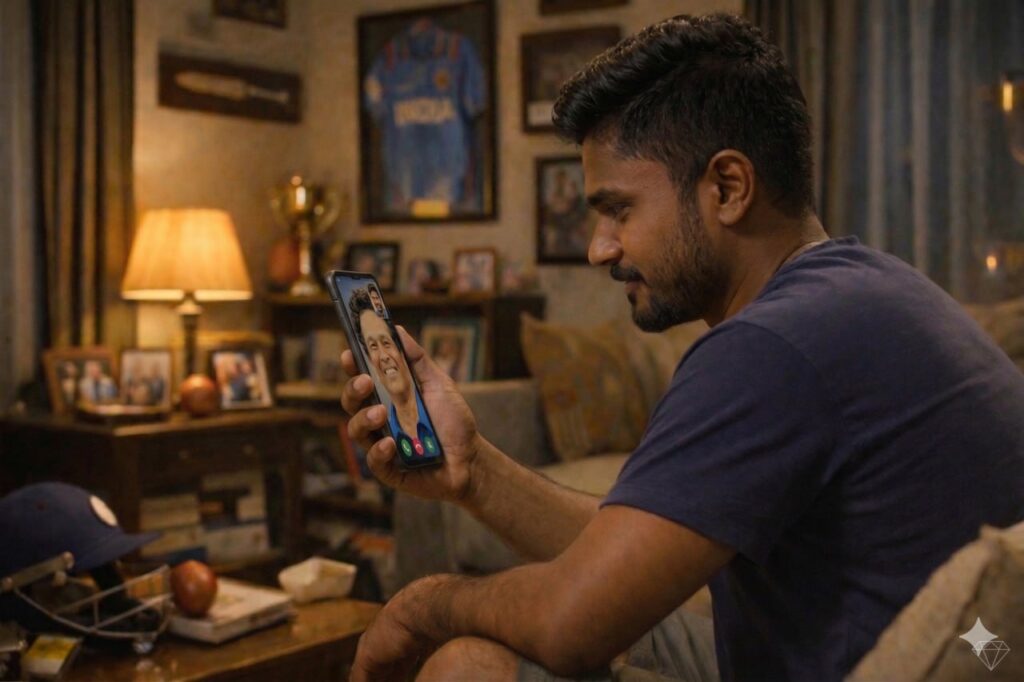
Here’s where the story gets magical. In his lowest moment, Sanju reached out to Sachin Tendulkar. “I wasn’t playing a game, I thought about what mindset is required,” Sanju recalled. “I reached out to ‘Sir’ and had long conversations with him.”
Sachin, the ultimate mentor to a generation (from helping Virat Kohli to countless others), didn’t offer quick fixes. No technical overhaul overnight. Instead, it was deep, personal chats—sometimes lasting hours—focusing on mental clarity, game awareness, and preparation. “Even yesterday he called to check how I was feeling,” Sanju said after the final. “Getting guidance from someone like him—what more can I ask for? It gave me clarity.”
Picture this: Late nights in Mumbai, Sanju on one end, Sachin on the other, dissecting not just shots but self-doubt. Sachin emphasized “process over result,” reminding Sanju of his natural gifts—the straight lines in his batting that Wisden later praised. Those calls weren’t just pep talks; they were life rafts. Sanju started visualizing success again. He tweaked his routine: more yoga for calm, shadow practice for rhythm, and a renewed focus on starting innings aggressively yet smartly.
This mentorship echoed Sachin’s own philosophy: cricket is 90% mental. For Sanju, it flipped the script. From “broken” to unbreakable in weeks.
Inside the World Cup: From Benchwarmer to Unstoppable Force
Fast-forward to February 2026 in the Caribbean and India. Sanju wasn’t even a guaranteed starter. Group stages saw him warming benches. But knockouts? That’s when legends are born.
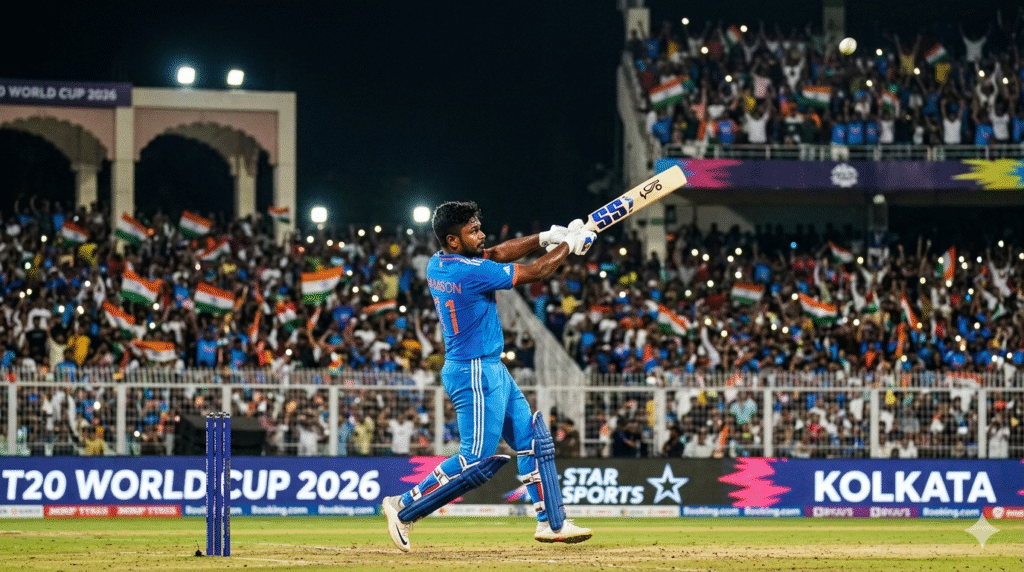
Super Eights against West Indies in Kolkata: 97 not out off 50 balls. Explosive, match-winning. Then semi-final vs England at Wankhede: another 89 off 42. Final vs New Zealand in Ahmedabad: 89 off 46. Total: 321 runs in just five innings, third on the tournament chart despite limited games. Strike rate over 175 in key phases—unmatched.
What changed? Sachin’s wisdom shone through. Sanju played with freedom, not fear. He rotated strike intelligently, punished bad balls, and kept wickets safely. India’s batting clicked around him. As ESPNcricinfo noted, in knockouts, he outscored everyone with a 167% edge over the next best. No batter had struck harder at 175+ SR in World Cup history (cut-off 75 balls).
The Indian Twist: Cricket, Culture, and Comeback Dreams
In India, cricket isn’t sport—it’s emotion. From Kerala’s beaches where young Sanju honed skills to packed stadiums echoing “Sachin! Sachin!”, the pressure is cultural. Our festivals, our streets, everything pauses for a match. Sanju’s story resonated because it mirrored millions: the middle-class kid chasing big dreams amid setbacks.
Remember Karva Chauth-like fasting for luck or Navratri prayers for players? Fans did the same for Sanju. Social media exploded with #SanjuSamsonComeback. In Bangalore cafes and Delhi mohallas, uncles debated: “Talent was always there; only belief was missing.” His Kerala roots added flavor—simple, grounded, like idli-sambar fueling a champion.
Real Stories: Echoes from Teammates and Fans
Rohit Sharma, post-final: “Sanju’s belief after Sachin sir’s calls was contagious. He showed us what mental strength looks like.” Virat Kohli echoed similar support in chats. Fans shared their own tales: a 22-year-old from Pune who quit his job after failures, inspired by Sanju to restart. Or a 35-year-old coach in Chennai who uses Sanju’s story in youth camps: “One call, one belief shift—game over for doubts.”
Even Sachin himself hinted in interviews: “Sanju’s journey reminds me of my early struggles. Persistence wins.”
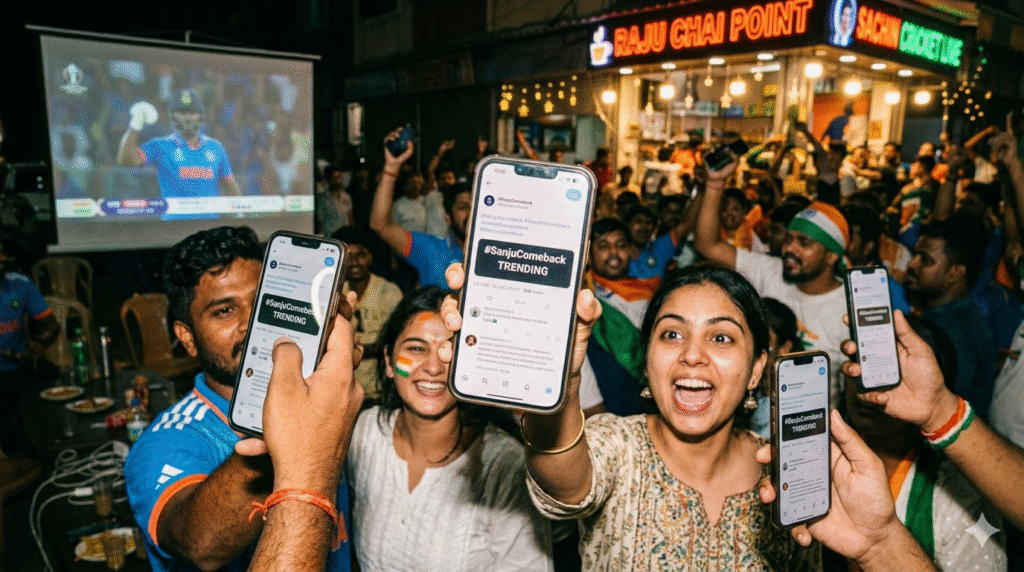
The Big Debate: Talent vs. Temperament in Modern Cricket
Experts argue endlessly. Is raw talent enough, or does mentorship bridge the gap? Sanju proves both. Pros of such comebacks: renewed confidence boosts team morale, inspires next-gen. Cons? The system’s drop culture can crush spirits—how many talents slip through?
Stats back it: Sanju’s three T20I hundreds in 2024 (fastest by Indian) showed glimpses. Post-Sachin calls, consistency soared. For Indian cricket, this highlights the need for mental health support—yoga, counseling, beyond nets.
Safe Comeback Strategies: Lessons Sanju Teaches Us
Thinking of your own “comeback”? Here’s how Sanju did it right:
- Reach Out: Don’t isolate—seek mentors like family, coaches, or icons.
- Focus on Process: Visualize, not obsess over outcomes.
- Small Wins Daily: Shadow practice, fitness tweaks, mental journaling.
- Stay Grounded: Sanju kept Kerala simplicity—home food, no flashy distractions.
- Track Progress: Review videos, not just scores.
- Give Back: Sanju now mentors young Kerala talents, closing the loop.
These aren’t just cricket tips—they apply to exams, jobs, life.
What the Future Holds: Sanju’s Legacy and Team India
At 31, Sanju isn’t done. Traded to CSK for IPL 2026, he eyes more trophies. India’s white-ball future looks brighter with him anchoring. Sachin’s calls? They might become annual rituals. As one headline screamed: “From ephemeral exuberance to enduring brilliance.”
For aspiring stars: Sanju’s not a one-off. He’s proof that Indian cricket rewards fighters.
Wrapping It Up: Belief Is the Real Game-Changer
So, does one mentor’s guidance turn a “broken” player into World Cup hero? Absolutely. Sanju Samson’s story isn’t just about runs or trophies—it’s about rediscovering self-belief when the world writes you off. From Kerala maidan to Ahmedabad glory, his journey screams: talent gets you in the door, but resilience and right voices keep you shining.
If you’re battling your own New Zealand series moment—whether in cricket, studies, or career—remember Sanju. Pick up that “phone,” talk it out, and swing again. What’s your comeback story? Have Sachin-like mentors changed your path? Drop it in the comments below—we’d love to hear and cheer you on. Share this with a friend chasing dreams. Let’s keep the conversation going, because in India, every underdog story fuels the next champion.
Stay inspired, keep believing, and play your shots fearlessly. See you in the next blog—until then, Har Har Mahadev on the field!
You May Like This
1



Advertisement

You May Like This





Advertisement
Advertisement
Advertisement