

Advertisement

- Updated on April 16, 2026
- IST 6:37 am
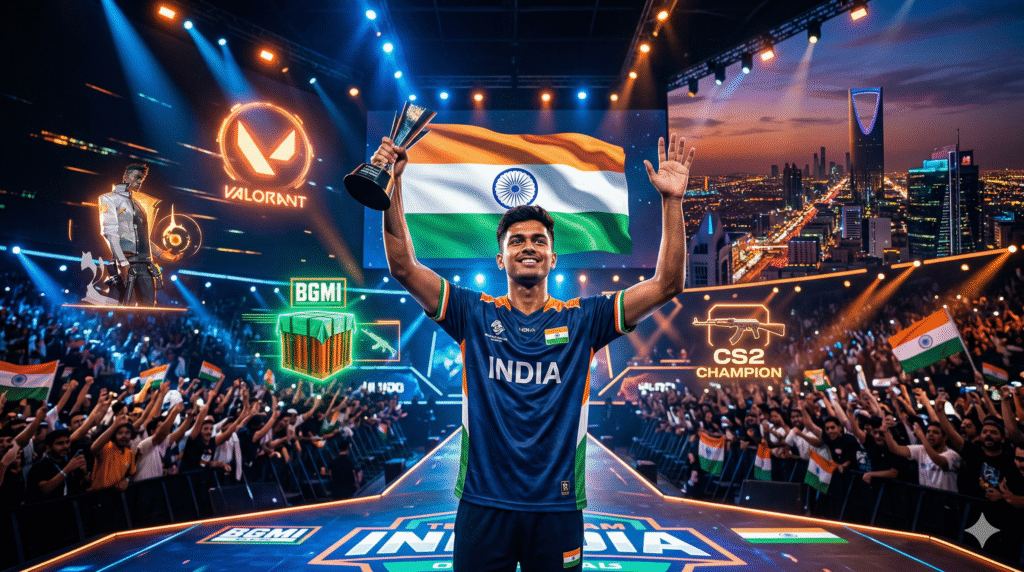
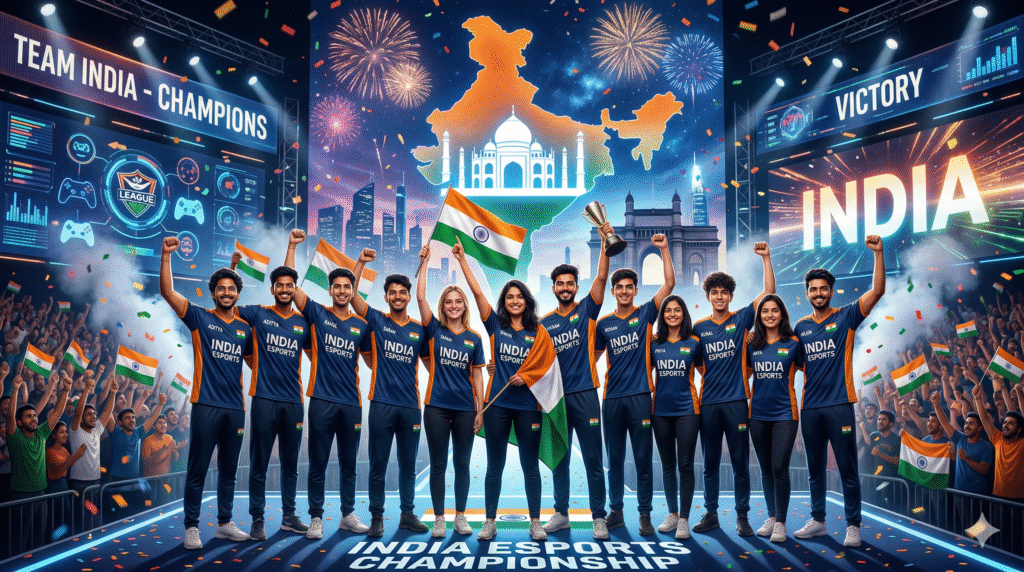
Imagine this: Rahul, a 21-year-old from Bengaluru, has been grinding VALORANT till 3 AM, perfecting his agent plays and team calls in local scrims. The moment NODWIN Gaming dropped the news that VALORANT is one of India’s 11 titles at the Esports Nations Cup 2026, his squad group chat exploded. “Bro, we’re carrying the tricolor in Riyadh! This is our Olympics,” he messaged back, eyes lit up with hope. For Rahul, it’s not just a tournament—it’s the validation of countless late nights and keyboard clicks.
Now picture Aarav, 23, from Hyderabad, a die-hard League of Legends player who’s spent years mastering macro rotations and champion pools. When he saw the lineup and realised LoL was conspicuously missing—despite India’s esports presence at the 2026 Asian Games—his excitement turned to frustration. “We’re fielding 11 titles but skipping one of the biggest global giants? It feels like benching our strongest player right before the finals,” he posted online, sparking heated debates across Discord servers and X threads.
So, what’s the truth? Is India’s decision to compete in 11 titles at the Esports Nations Cup 2026 a calculated masterstroke or a puzzling oversight? With NODWIN Gaming steering the ship as the official National Team Partner, this announcement isn’t just about picking games—it’s a window into India’s evolving esports strategy. In this deep dive, we’ll break down the Esports Nations Cup, the selected lineup (including VALORANT), the notable absence of League of Legends, real community reactions, and what it all means for the next generation of desi gamers. Let’s unpack the risks, rewards, and roadmap together!
Understanding the Esports Nations Cup: Nation vs Nation on the Global Stage
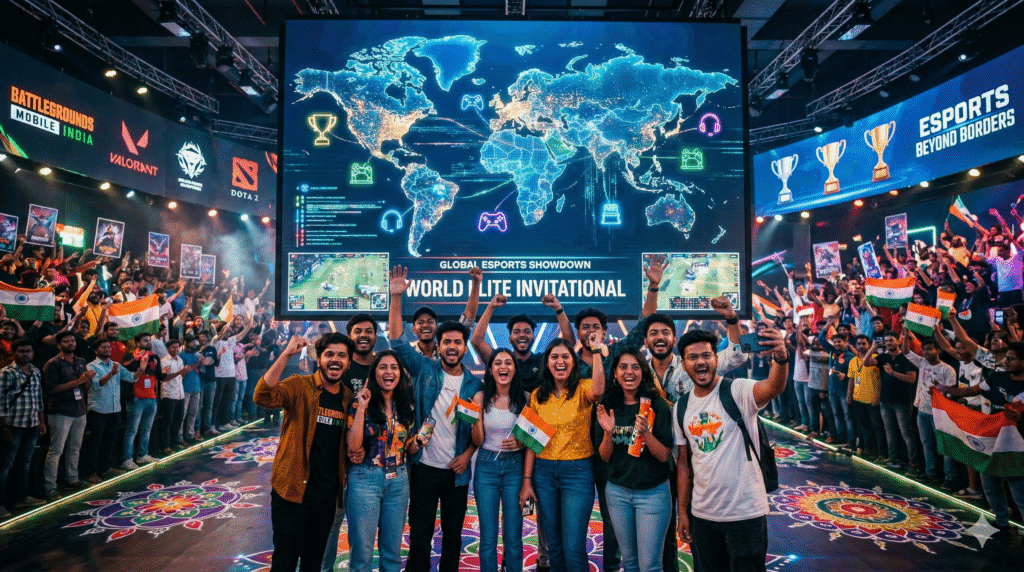
The Esports Nations Cup 2026 marks a historic first: a true country-versus-country esports showdown hosted in Riyadh, Saudi Arabia, running from November 2 to 29, 2026. Organised by the Esports Foundation under the Esports World Cup umbrella, this multi-title event features national teams from around the world battling in 16 different games. Think of it as the esports equivalent of the Olympics—national pride on the line, massive prize pools (part of a broader $45 million ecosystem investment), and a platform that puts entire countries on the map.
Unlike club-based leagues, the Esports Nations Cup emphasises national representation. Each country selects its best talent, builds dedicated rosters, and competes under its flag. The format includes everything from individual titles like Chess to team-heavy shooters and MOBAs, creating a truly diverse battlefield. For a gaming-mad nation like India—home to over 500 million gamers, many in the 15-35 age group—this is more than competition. It’s a chance to showcase the talent that’s been bubbling under the surface in cyber cafes, college hostels, and living rooms across Tier-2 and Tier-3 cities.
The stakes are high. With global viewership projected in the millions, success here could open doors to sponsorships, government recognition, and even policy support for esports as a serious career. But with limited resources and a young ecosystem, every title choice matters. Enter NODWIN Gaming.
NODWIN Gaming Takes the Helm: Building Team India for Esports Nations Cup 2026
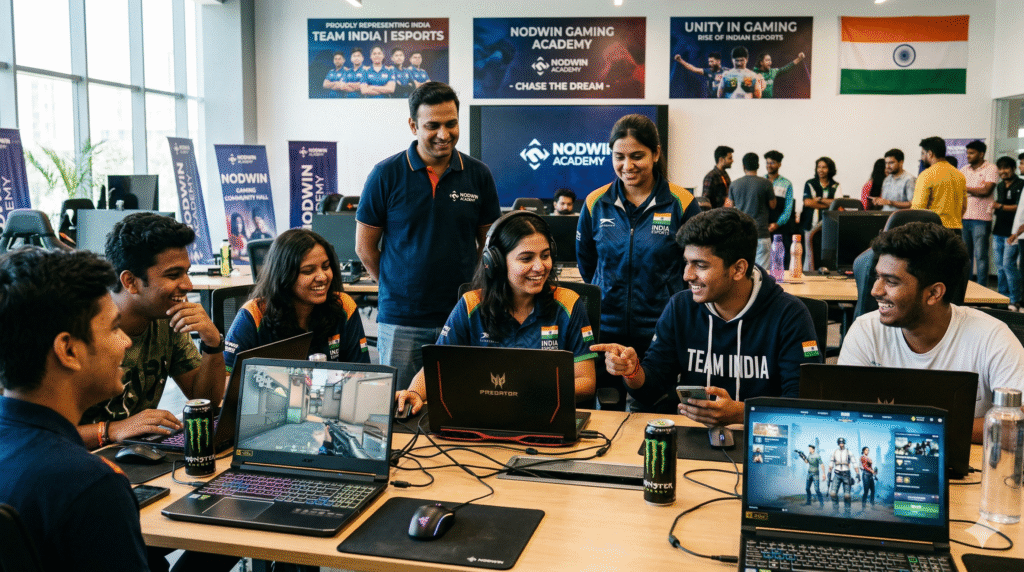
In late March 2026, the Esports Foundation officially appointed NODWIN Gaming as India’s National Team Partner. This isn’t just a title—it’s a full mandate. NODWIN will handle everything from scouting raw talent at grassroots levels to training national squads, coordinating with game publishers, and creating structured pathways for players to wear the India jersey.
The company, already a powerhouse behind events like the BGIS and VALORANT Challengers South Asia, brings proven expertise. Their role includes mobilising communities, supporting coaches across titles, and building sustainable infrastructure. The announcement quickly clarified India’s participation: 11 titles out of 16, a focused yet ambitious lineup designed to maximise medal chances and long-term growth.
This strategic approach reflects India’s esports reality—explosive growth in mobile and shooter scenes, but uneven depth across all genres. By concentrating resources, NODWIN aims to create competitive, well-prepared teams rather than spreading thin across every possible title.
The 11 Titles India Will Field: A Lineup Built on Strengths
India’s official roster for the Esports Nations Cup 2026 includes:
- Dota 2 – A long-standing PC MOBA with dedicated Indian pros and a passionate community.
- Chess – Showcasing individual brilliance; India already produces world-class players who can translate chess skills to strategic esports thinking.
- PUBG Mobile (BGMI) – India’s undisputed battle royale king. With millions of daily players and proven international success, this is a medal contender.
- VALORANT – The tactical shooter that’s exploding in India thanks to NODWIN-Riot partnerships. Fast-paced, skill-based, and perfectly suited to India’s young, adaptable talent pool.
- Counter-Strike 2 – The classic FPS with a growing Indian scene; precision and teamwork align well with our players’ strengths.
- PUBG Battlegrounds – The PC counterpart to the mobile version, allowing cross-format depth.
- EA Sports FC – Football gaming at its finest; taps into India’s massive sports-loving audience.
- Rainbow Six Siege – Tactical, high-stakes operator play that rewards strategy and quick thinking.
- Mobile Legends: Bang Bang – Another mobile MOBA powerhouse in Asia, where India has shown strong regional performance.
- Honor of Kings – Global MOBA with deep strategic layers and massive Asian player base.
- Apex Legends – Battle royale with movement and legend-based teamwork—another area where Indian squads have shone in recent events.
VALORANT stands out as a smart inclusion. Its growing ecosystem in India, combined with NODWIN’s direct involvement in Challengers circuits, gives Team India a genuine shot at podium finishes. Mobile titles like PUBG Mobile and Mobile Legends play to India’s massive smartphone gaming demographic, where latency and accessibility challenges have already forged incredibly resilient players.
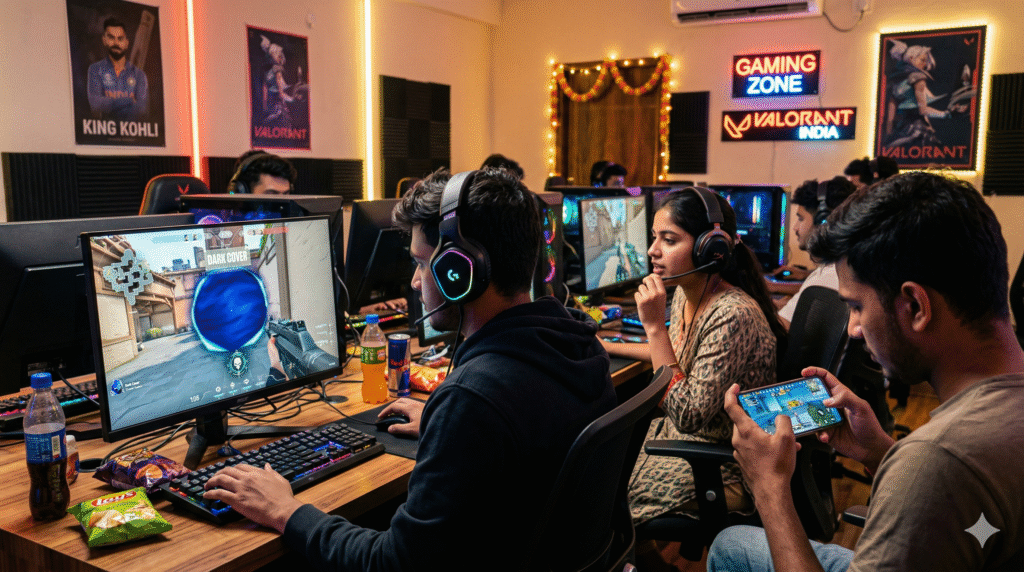
The Big Debate: Why VALORANT Yes, But League of Legends No?
The absence of League of Legends has been the biggest talking point. LoL is a global esports juggernaut with deep lore, massive prize pools, and a dedicated (if smaller) Indian fanbase. India has competed in LoL at the Asian Games, so why the exclusion here?
Pros of the Focused Selection
- Resource Optimisation: Building competitive teams takes time, money, and infrastructure. Spreading across all 16 titles could dilute quality. By prioritising 11, NODWIN can invest deeply in scouting, training camps, and coaching.
- Strength Alignment: India’s esports boom is rooted in mobile battle royales and shooters. VALORANT and BGMI have thriving domestic scenes with clear pathways. LoL’s PC-heavy, highly competitive nature requires different infrastructure that India is still developing.
- Long-Term Ecosystem Building: This isn’t just about 2026—it’s about creating pipelines. Success in VALORANT and PUBG Mobile can inspire millions and attract sponsorships, gradually lifting the entire scene.
- Realistic Medal Chances: Focusing on titles where Indian players already compete at high levels increases the likelihood of strong performances and national pride moments.
Cons and Alternative Perspectives
Some fans argue the exclusion misses a chance to grow LoL domestically and signal seriousness across all major titles. Others point to different governing bodies or publisher priorities as possible factors. A few community voices worry it sends a mixed message when India is pushing esports at the Asian Games.
Yet most balanced voices see it as pragmatic. As one former Indian esports organiser noted in community discussions, “It’s better to win gold in 11 than struggle in 16.” NODWIN has hinted at potential expansion to more titles in future iterations, suggesting this 11-title start is a foundation, not a ceiling.
The Indian Twist: Esports Meets Desi Passion, Challenges, and Culture
Fasting isn’t new to Indians—wait, wrong metaphor. Gaming marathons during festivals, late-night LAN parties in hostels, and the rise of BGMI after the PUBG Mobile ban show how deeply gaming is woven into our culture. From rural cyber cafes to urban high-rises, esports represents aspiration, hustle, and a modern take on “desh ke liye khelna.”
Challenges remain real: inconsistent high-speed internet in smaller cities, parental skepticism about gaming careers, and the need for better coaching and mental health support. NODWIN’s grassroots push addresses these head-on—scouting from colleges, creating structured academies, and partnering with brands to professionalise the space. It’s like turning scattered talent into a national squad, much like how cricket academies shaped India’s dominance.
This selection also highlights India’s unique edge: adaptability. Mobile-first titles play to our smartphone-heavy population, while PC shooters reward the raw mechanical skill honed in budget setups.
Real Stories: Triumphs, Setbacks, and the Grind
Take Rohan from Delhi, a VALORANT hopeful who climbed from unrated to Immortal through sheer consistency. “The announcement gave me purpose,” he shared in a community AMA. “Now I know there’s a clear path—scrims, tryouts, national camps.”
Contrast that with Meera, a LoL enthusiast from Chennai who felt the exclusion sting. “I switched to Mobile Legends for now, but LoL was my first love. Still, seeing India invest seriously motivates me to grind harder in whatever title opens doors.”
These stories echo across forums: initial disappointment for some, renewed motivation for many. The common thread? India’s esports community is resilient, passionate, and ready to adapt.
Smart Strategies for Aspiring Indian Gamers: Your Path to Representing the Nation
Thinking of chasing that India jersey? Here’s how to position yourself:
- Master Your Game: Focus on one or two titles from the 11. Grind ranked, analyse pro VODs, and join community tournaments.
- Build Consistency: Treat gaming like a sport—daily practice, VOD reviews, and team play.
- Develop Soft Skills: Communication, leadership, and adaptability are as crucial as aim or macro.
- Stay Healthy: Balance screen time with exercise, nutrition, and sleep. Mental resilience wins tournaments.
- Network Early: Join Discord servers, attend offline events, and follow NODWIN’s pathways for tryouts.
- Document Your Journey: Share highlights on social media—visibility helps scouts find you.
- Seek Guidance: Connect with coaches or mentors through gaming academies.
Remember, the road to Riyadh starts in your local setup today.
Wrapping It Up: A Strategic Step Forward for Indian Esports
India fielding 11 titles at the Esports Nations Cup 2026—with VALORANT leading the charge and League of Legends sitting this one out—is neither a complete victory nor a defeat. It’s a calculated, forward-looking move that prioritises strengths, builds sustainable systems, and sets the stage for long-term dominance. For Rahul and thousands like him, it’s hope. For Aarav and the LoL community, it’s a call to keep pushing boundaries.
Esports in India is no longer a hobby—it’s a national movement. Whether you’re a player, fan, or parent, this is our moment to rally behind Team India. What’s your take? Which title are you most excited to see India dominate? Have you tried out for any national pathways? Drop your stories and opinions in the comments below—let’s build the conversation and cheer for our squad together. Desh ke liye, game on!
You May Like This
1


Advertisement
You May Like This




Advertisement
Advertisement
Advertisement