

Advertisement
- Updated on April 16, 2026
- IST 7:41 am
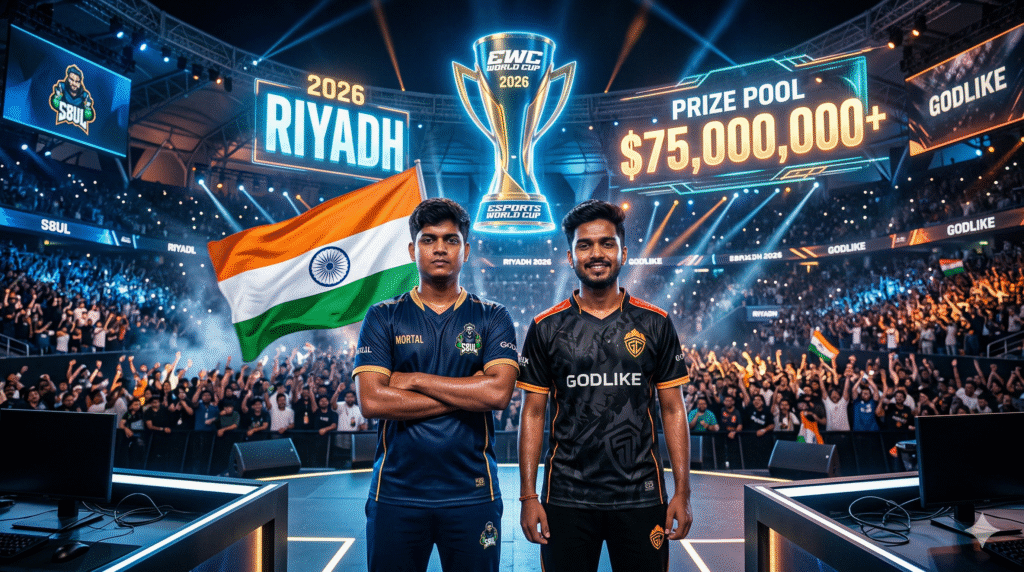
Imagine this: Vikram, a 19-year-old from Mumbai’s bustling suburbs, has been glued to his screen for years, cheering S8UL’s every clutch in BGMI and Valorant scrims. He’s part of that die-hard fanbase that turns late-night matches into family gatherings with chai and samosas. When the news dropped that S8UL is officially representing India at the Esports World Cup 2026 as a Club Partner, his group chat lit up like Diwali fireworks. “Bhai, our boys are going to Riyadh with a shot at ₹710 crore in prizes! This is bigger than IPL for us gamers,” he typed excitedly, already dreaming of wearing the S8UL jersey in global highlights.
Now picture Arjun, 22, from Delhi, a loyal GodLike supporter who grinds Free Fire and mobile legends till his eyes burn. For him, GodLike isn’t just a team—it’s the underdog story of raw Indian talent rising through sheer hustle. The announcement that GodLike Esports is joining the Club Partner Program alongside S8UL felt like a personal victory. “Two Indian giants on the world stage? Finally, the world will see what desi grind looks like,” he posted on his Instagram story, tagging friends and sparking a wave of pride across college WhatsApp groups.
So, what’s the truth? Is this selection of S8UL and GodLike as India’s representatives at the Esports World Cup 2026 a game-changing moment for our booming esports scene—or just another shiny announcement in a crowded field? With a staggering USD 75 million (roughly ₹710 crore) prize pool on the line and over 2,000 players from 100+ countries battling across 24 titles in Riyadh, this isn’t just another tournament. In this blog, we’ll unpack the massive stakes, the powerhouses behind Team India’s global push, the opportunities this unlocks, real community reactions, and what it means for every young gamer grinding in cyber cafes and hostels across the country. Plus, we’ll share practical tips for aspiring pros and how this desi dominance could reshape the future. Let’s dive deep and figure this out together!
Understanding the Esports World Cup 2026: The World’s Biggest Gaming Battlefield
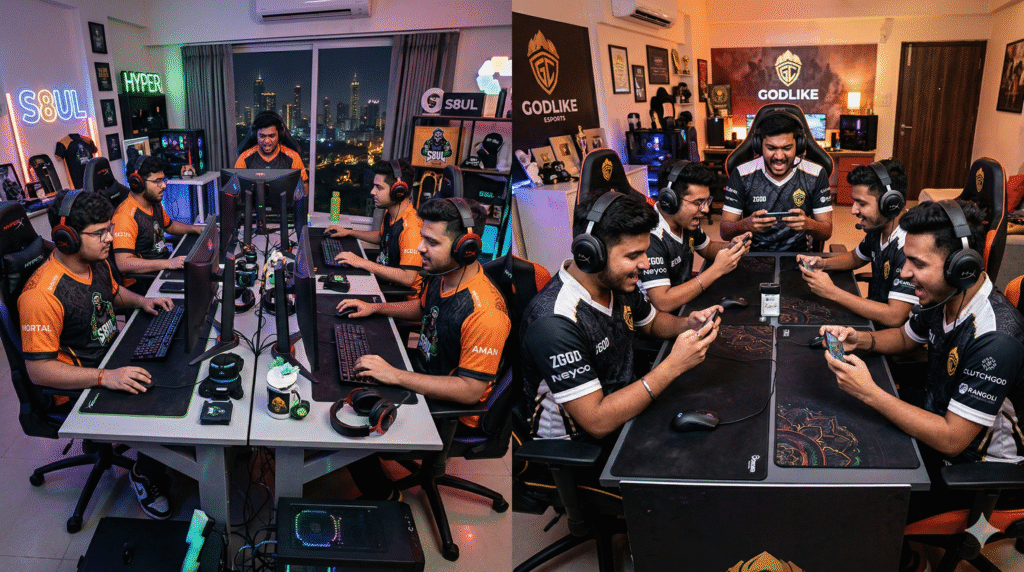
The Esports World Cup 2026, set to unfold in Riyadh, Saudi Arabia, from July 6 to August 23, is no ordinary event—it’s being hailed as the Olympics of esports. Organised by the Esports Foundation, this mega-tournament brings together clubs, players, and fans in a celebration of skill, strategy, and spectacle. With a record-breaking total prize pool of USD 75 million (approximately ₹710 crore), it dwarfs most traditional sports events and puts serious money where the mouse clicks.
Over 2,000 elite players and 200 clubs from more than 100 countries will compete across 24 diverse titles, ranging from shooters and MOBAs to battle royales and even chess. At its heart is the Club Championship, which alone dishes out USD 30 million to the top-performing organisations based on multi-title excellence. Think of it as a points-based league where consistency across games crowns the ultimate champion club.
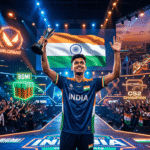
For India, this isn’t just about watching from the sidelines anymore. The selection of S8UL and GodLike Esports as official Club Partners signals our country’s rapid ascent into the global elite. Unlike national team events, this Club Partner Program focuses on organisations that drive ecosystem growth, fan engagement, and sustainable competition. It’s a smart evolution that rewards clubs with proven track records and massive Indian followings.
The Club Partner Program Explained: Funding, Fame, and a Global Platform
Here’s where things get exciting. The Esports Foundation’s Club Partner Program, now in its third year, comes with a USD 20 million (about ₹189 crore) annual budget. Each of the 40 selected clubs—including our two Indian powerhouses—can receive up to USD 1 million in direct funding, plus strategic support for branding, content creation, fan campaigns, watch parties, and live events.
This isn’t charity—it’s an investment in building a connected, thriving esports world. Clubs must commit to year-round initiatives that grow the sport: think creator collaborations, community tournaments, and turning their gaming houses into fan hubs. S8UL already proved the model in 2025 by competing in titles like Apex Legends, Chess, and EA Sports FC while hosting watch parties in 12 cities and transforming their Mumbai base into an EWC hotspot. GodLike, making its debut, brings its massive mobile-first fanbase and proven success in titles that resonate deeply with Indian players.
The program ensures these clubs aren’t just showing up—they’re building legacies. For India, having two seats at this high-stakes table means more resources flow back home: better training facilities, scouting programs, and pathways for raw talent from Tier-2 and Tier-3 cities.
India’s Powerhouses: S8UL and GodLike Esports – The Desi Giants Taking Center Stage
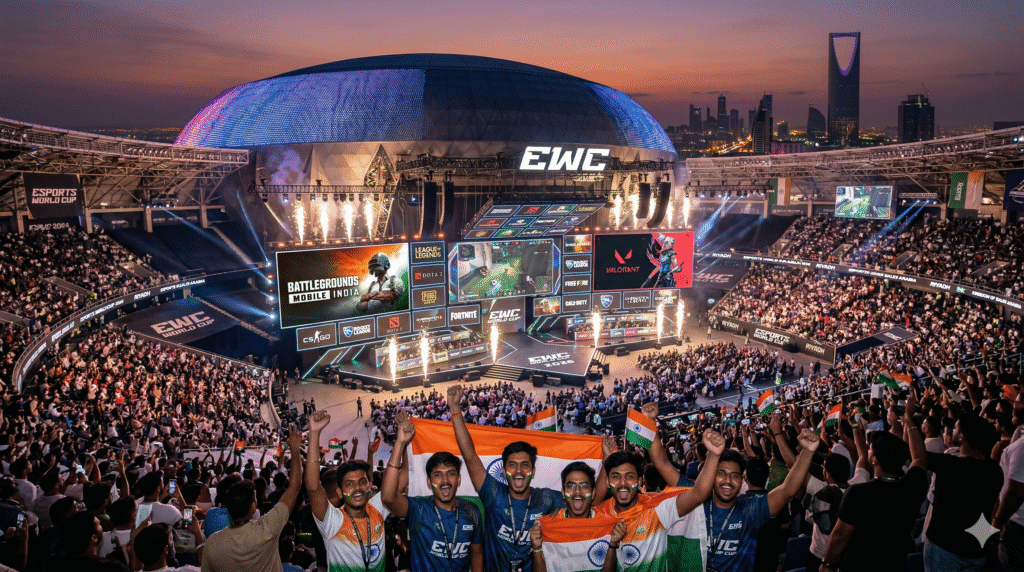
Let’s meet the teams carrying the tricolor.
S8UL Esports has been a trailblazer. As the first Indian organisation selected for the Club Partner Program in 2025, they’ve already made history with four Esports Awards wins and a global footprint. Their roster shines in BGMI, Valorant, and beyond, but it’s their fan-first approach—massive content drops, creator ecosystems, and community events—that sets them apart. Returning for a second year, S8UL is poised to expand even further with fresh funding and international exposure.
GodLike Esports, on the other hand, represents the explosive mobile esports wave that defines India’s gaming culture. Known for dominating Free Fire circuits and building one of the largest fanbases in the country, GodLike brings fearless ambition and a community that feels like family. CEO and Founder Chetan Sanjay Chandgude called this “a pivotal moment for us, not just as a team but as a community that has evolved with Indian esports.” Their debut in the program is a nod to how far mobile-first Indian clubs have come.
Together, these two aren’t just competing—they’re elevating the entire Indian esports narrative from “emerging market” to “global force.”
The Big Debate: Game-Changer for India or High-Pressure Spotlight?
Not everyone is popping champagne yet. While most celebrate this as validation of India’s 500+ million gamers, some voices in the community raise valid questions.
The Pros: Why This Is a Massive Win
- Funding and Infrastructure Boost: Up to $1 million per club can fund better academies, mental health support, and high-end training—critical gaps in our scene.
- Global Visibility: Competing under the EWC banner means Indian players get spotlight time that attracts sponsors, brands, and even government attention.
- Talent Pipeline: Watch parties, fan campaigns, and grassroots initiatives will inspire millions of kids in small towns to dream big.
- Ecosystem Growth: Success here could lead to more Indian clubs getting recognised, creating a virtuous cycle of investment.
Take S8UL’s 2025 run—they didn’t just play; they built a movement that turned casual fans into lifelong supporters.
The Cons and Challenges
- Intense Global Competition: Facing giants like T1, Fnatic, and Gen.G isn’t easy. India still grapples with inconsistent high-speed internet in many areas and shorter professional career spans due to societal pressures.
- Expectation Overload: With national pride on the line, any early exits could spark backlash on social media.
- Focus on Clubs vs National Teams: Some argue resources should also build pure national squads for events like the Asian Games.
Yet the balanced view? This is exactly the pragmatic step India needs. As one esports analyst put it in community discussions, “It’s better to send proven powerhouses with resources than spread thin and struggle.” The program rewards excellence while building long-term depth.
The Indian Twist: Esports Meets Desi Hustle, Culture, and Realities
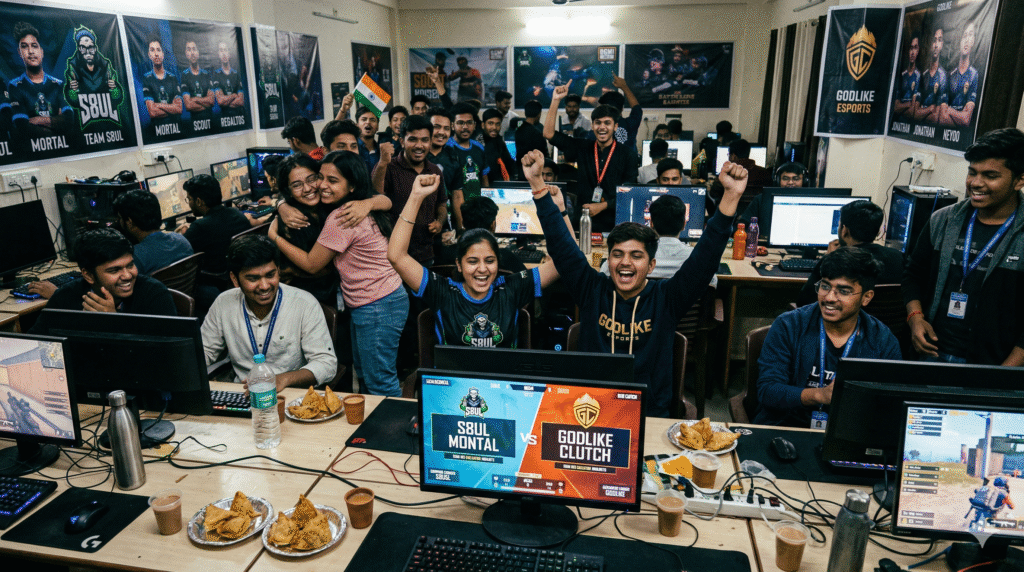
Esports in India isn’t played in fancy arenas yet—it’s born in noisy cyber cafes, cramped hostels during JEE prep breaks, and living rooms where moms shout “beta, padhai karo!” between rounds. Our culture of “jugaad” and relentless grind gives Indian players an edge in adaptability and come-from-behind victories. Festivals turn into LAN parties, and cricket’s competitive spirit translates perfectly to team-based titles.
But challenges are real: power cuts, data costs, parental skepticism about “gaming as career,” and the need for better coaching ecosystems. S8UL and GodLike are changing that narrative by professionalising the space—offering salaries, structured training, and role models who prove you can turn clicks into crores.
This partnership feels like our very own “cricket World Cup moment” for gaming. It’s not just about Riyadh; it’s about showing the world that desi talent, fuelled by spicy biryani and unbreakable spirit, belongs at the top table.
Real Stories: Triumphs, Grind, and Community Pride
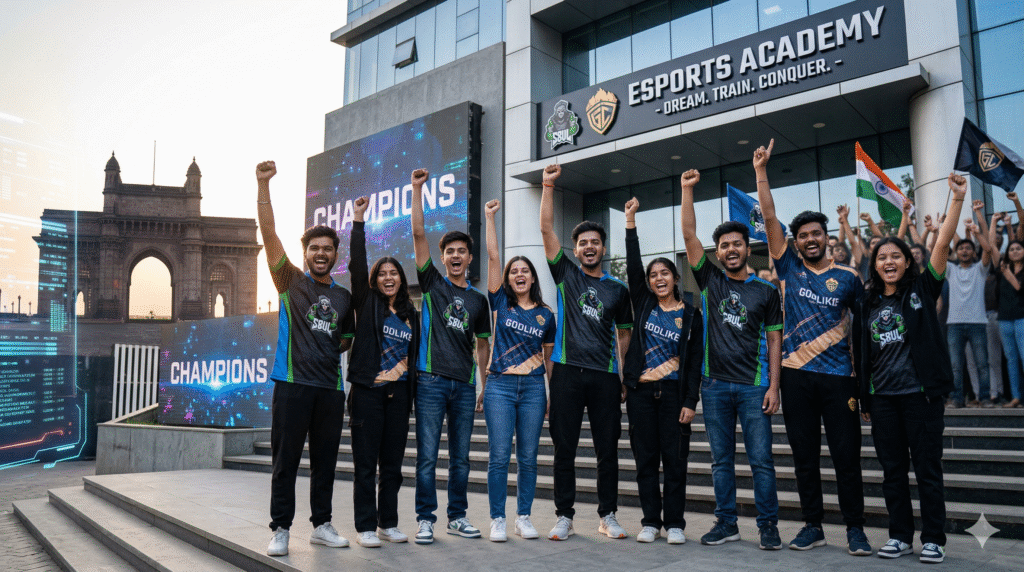
The streets (and Discord servers) are buzzing. Rahul, a 17-year-old aspiring pro from Lucknow who follows GodLike religiously, said the news “gave me hope that my parents might finally understand gaming isn’t wasting time.” He’s already practicing extra hours, inspired by the funding that could create more pathways.
On the other side, S8UL veteran fans like Priya from Bengaluru recall how the organisation’s 2025 EWC journey turned her college group into a full-blown esports fan club. “We hosted our own watch party with 50 people—pure goosebumps when they won rounds,” she shared.
Founders and players echo the sentiment. S8UL’s leadership has talked about using this platform for deeper fan connections, while GodLike’s team sees it as validation of years of grassroots work. These stories prove one thing: this isn’t just about two clubs—it’s about thousands of Indian dreams levelling up.
Your Path to the Global Stage: Tips for Aspiring Indian Gamers
Dreaming of joining S8UL or GodLike one day? Here’s how to start building your own esports story:
- Pick Your Game Wisely: Focus on titles where India shines—BGMI, Valorant, Free Fire, or whatever EWC features. Master one deeply before branching out.
- Build Consistency: Treat practice like a job—daily VOD reviews, team scrims, and fitness routines. Mental toughness wins tournaments.
- Engage the Community: Join Discord servers, participate in local tournaments, and create content. Visibility matters.
- Stay Healthy and Balanced: Screen time is real—pair it with exercise, proper sleep, and family time to avoid burnout.
- Network Smartly: Follow S8UL and GodLike’s pathways, attend offline events, and reach out to academies.
- Document Your Journey: Share highlights on socials—scouts notice dedicated creators.
- Seek Mentorship: Connect with coaches through emerging esports academies and learn from pros who’ve walked the path.
The road to Riyadh starts in your room today—with discipline and that unbeatable Indian fire.
Wrapping It Up: A New Chapter for Indian Esports Glory
S8UL and GodLike representing India at the Esports World Cup 2026 isn’t just big news—it’s a historic leap that puts our gaming talent on the global map with serious resources and prestige. With a ₹710 crore prize pool and the world watching, these powerhouses are ready to show what desi hustle can achieve.
For Vikram, Arjun, and every young gamer out there, this is proof that late nights and keyboard dreams can lead to something massive. The future isn’t coming—it’s already here, and India is ready to dominate it.
What’s your take? Are you team S8UL, GodLike, or both? Which title do you think they’ll crush hardest? Drop your predictions, stories, and support in the comments below—let’s rally behind our boys and build the conversation that takes Indian esports to the next level. Game on, India!
You May Like This
1


Advertisement
You May Like This




Advertisement
Advertisement
Advertisement