

Advertisement
- Updated on May 12, 2026
- IST 5:29 am
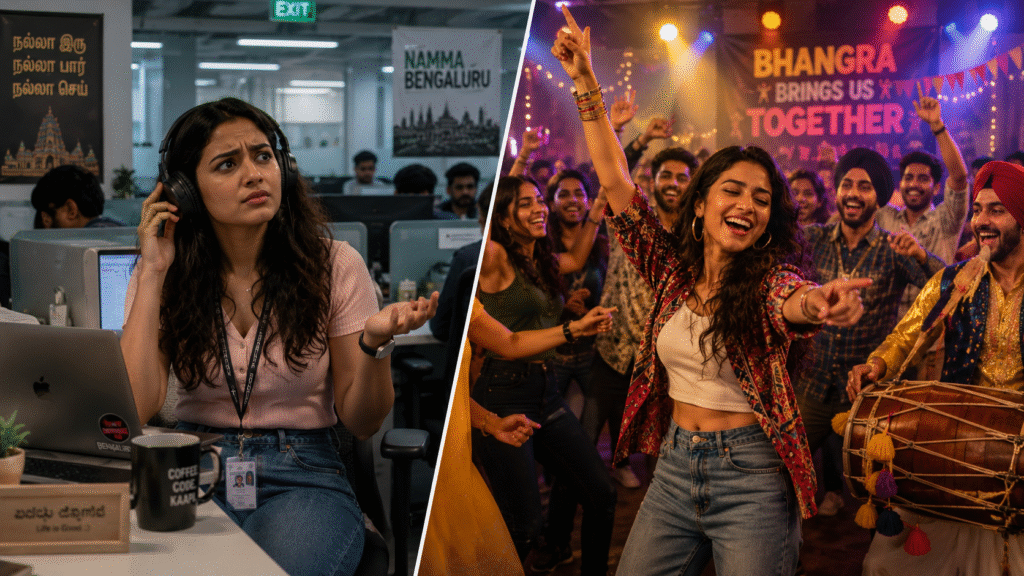
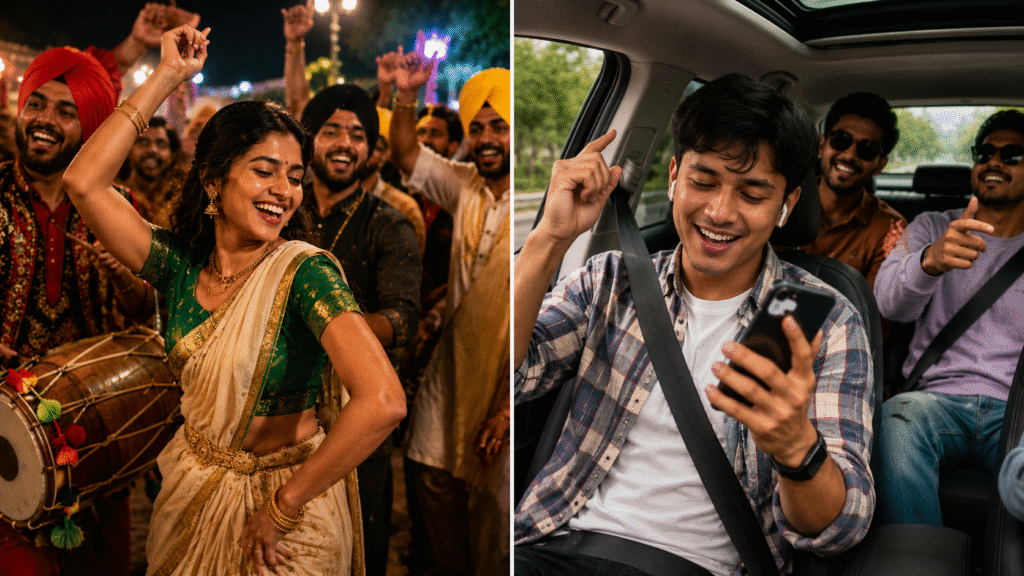
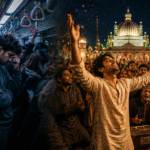
Imagine this: Priya, a 24-year-old software engineer from Bengaluru, is at her office Diwali party. The playlist hits “Wavy” by Karan Aujla, and suddenly the entire room—Tamils, Kannadigas, Malayalis—erupts into coordinated bhangra moves. Priya, who grew up on Ilaiyaraaja classics and doesn’t understand a single Punjabi word, is leading the circle, laughing, sweat flying. “I have no clue what they’re saying, but this beat just hits different,” she tells her colleagues later. The song ends, and everyone cheers like they just won a cricket match.
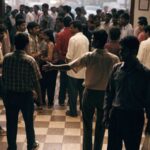
Now, picture Arjun, a 22-year-old college student from Kolkata. Raised on Rabindra Sangeet and Bengali folk, he once rolled his eyes at “those loud Punjabi songs” blaring from every wedding baraat. Then, during his cousin’s big fat wedding in Delhi, the dhol kicked in with Sidhu Moose Wala’s “295.” Arjun found himself on the dance floor, arms in the air, belting the chorus phonetically with zero clue about the lyrics. Months later, his Spotify Wrapped is 70% Punjabi. “It’s like the music speaks straight to your soul, not your ears,” he admits sheepishly to friends.
So, what’s the truth? You don’t need to understand the words to feel the beat. Punjabi pop has quietly become the default party anthem for young Indians from Mumbai to Guwahati, Chennai to Lucknow—regardless of mother tongue. With billions of streams, sold-out concerts, and a cultural ripple that’s reshaping playlists nationwide, this isn’t just a trend. It’s a takeover. In this blog, we’ll unpack the musical magic, the cultural crossover, the real stories from non-Punjabi fans, and why language has finally stopped being a barrier. Plus, we’ll share party hacks rooted in our desi DNA to help you ride the wave. Let’s crank up the volume and figure this out together!
Understanding Punjabi Pop: From Folk Fields to National Fire
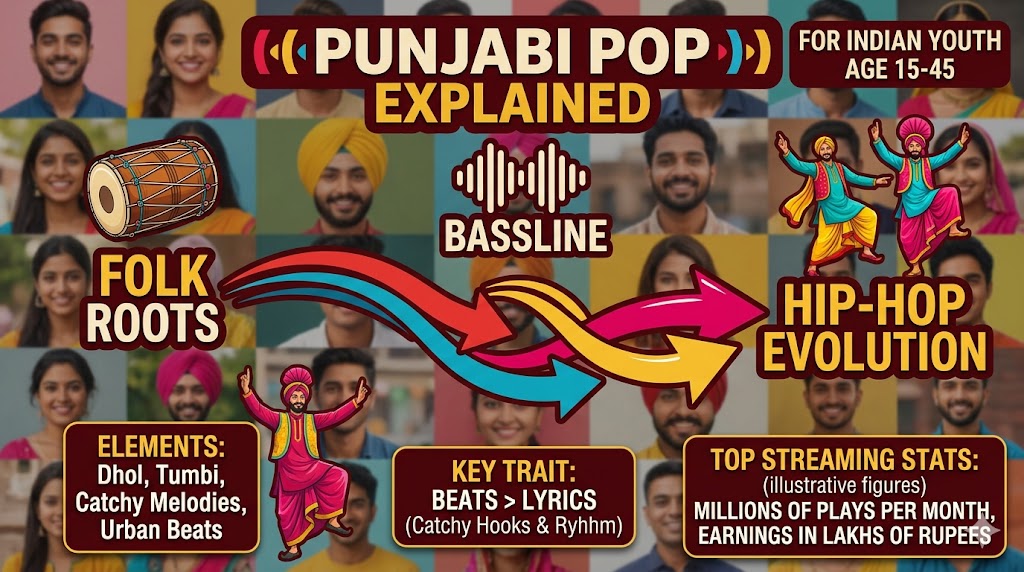
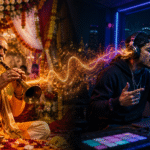
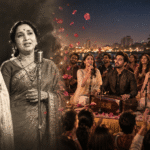
First, let’s get the basics down. Punjabi pop isn’t some overnight viral sensation—it’s the modern evolution of Punjab’s rich folk traditions. Think dhol beats, tumbi twangs, and algoza flutes that once echoed through mustard fields and village melas. Bhangra, the high-energy dance form, was always about celebration, harvest, and pure joy. But in the 1990s and 2000s, artists like Daler Mehndi and Bally Sagoo fused these roots with Western pop, hip-hop, and electronic sounds, creating a genre that was impossible to sit still to.
Fast-forward to 2025-2026: Punjabi pop dominates India’s streaming charts. On Apple Music’s year-end lists, Karan Aujla’s tracks frequently top the charts. Diljit Dosanjh, AP Dhillon, Shubh, and Guru Randhawa rack up billions of streams across Spotify, JioSaavn, and YouTube. Regional music now makes up nearly 30% of total streams in India, with Punjabi leading the pack even outside Punjab. It’s no longer “Punjabi music for Punjabis”—it’s the soundtrack of Gen Z and millennial parties, college fests, gym sessions, and road trips nationwide.
What changed? Smart production, catchy hooks, relatable themes of love, hustle, heartbreak, and swag, plus killer music videos that feel like mini-movies. Add in the diaspora magic—Canadian Punjabi artists bringing polished, global vibes—and you have a sound that travels. Algorithms on streaming platforms push these bangers into “Viral Hits” and “Party Anthems” playlists, exposing them to millions who’ve never stepped foot in Amritsar or Ludhiana.
Punjabi Pop Explained: Beats Over Words – The Universal Groove
Unlike classical ragas or even many Bollywood ballads that lean heavily on poetic lyrics, Punjabi pop is all about vibe. It’s timing over translation. The thumping basslines, rapid percussion, and infectious energy make your body move before your brain can process the language. It’s like setting a clock for your mood—drop the beat, and the dance floor fills instantly.
Popular elements include:
- Bhangra Fusion: Traditional folk rhythms mixed with EDM drops, trap beats, and R&B melodies.
- Catchy Hooks: Short, repetitive choruses that stick in your head even if you mumble the words.
- High-Energy Production: Layered vocals, auto-tune flair, and collaborations that blend Punjabi folk with global pop.
The pitch? This music gives you permission to let loose. For the average Indian youth juggling JEE prep, IT jobs, or startup stress, Punjabi pop is the ultimate release valve. But for non-Punjabi listeners whose mother tongues are Tamil, Telugu, Bengali, or Marathi, does it really connect—or is it just background noise? The answer lies in the rhythm: it syncs with our desi heartbeat, turning strangers into dance partners in seconds.
The Big Debate: Cultural Celebration or Dominance?
Here’s where it gets juicy—music lovers, critics, and artists don’t always agree. Let’s break it down.
The Pros: Why Punjabi Pop is Uniting India
- Universal Accessibility: The beat transcends language. Non-Punjabi fans across South India, East India, and beyond vibe to the energy, making music a true unifier in our diverse nation.
- Boost for Regional Pride: It’s put Indian music on the global map—Coachella performances, Tonight Show appearances, and collabs with Ed Sheeran prove that “desi sound” can conquer the world.
- Economic and Career Opportunities: Indie artists and producers thrive; streaming revenue and live gigs have skyrocketed for Punjabi talent, inspiring creators everywhere.
Take Priya’s Bengaluru party: the song sparked conversations, friendships, and even a group bhangra class. It’s cultural exchange at its funnest.
The Cons: Where It Might Feel Overwhelming
- ** overshadowing Other Voices**: Some worry Punjabi dominance crowds out Tamil, Bengali, or Odia artists on national playlists.
- Commercial Pressure: The formula (hook + beat + swag) can feel repetitive, leading to “same-sounding” tracks.
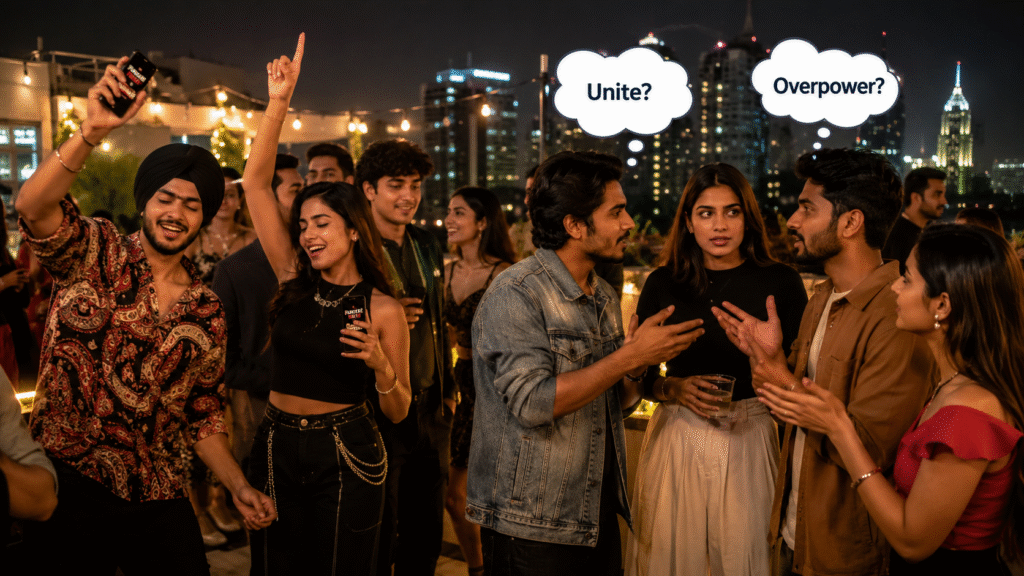
- Identity Questions: Is non-Punjabi adoption appreciation or appropriation? Most fans say it’s love—but it sparks healthy debates about representation.
Arjun from Kolkata experienced both sides: initial eye-rolls from his Bengali circle, then full embrace once they hit the dance floor. These tales prove one thing: Punjabi pop isn’t erasing cultures—it’s remixing them.
The Indian Twist: Punjabi Vibes Meet Every Desi Corner
Punjabi music isn’t new to India—it’s practically woven into our wedding DNA. Big fat Punjabi weddings with dhol, baraat, and non-stop dancing have long influenced celebrations nationwide. But today, it’s everywhere: Chennai college freshers’ parties blasting AP Dhillon, Mumbai gym playlists with Diljit, Kolkata street food joints humming Karan Aujla.
Our everyday lives lean into the energy—festivals, road trips, even gym motivation. Diwali, Holi, or just a random Friday night? Punjabi pop fits seamlessly. The trick? It adapts. Artists drop regional collabs, South Indian producers add Carnatic touches, and social media challenges turn local flavours into viral dances. A 12-second Reels hook from a Punjabi track can unite a nation scrolling in 15 languages.
Real Stories: Triumphs, Tumbles, and Dance Floor Confessions
Let’s hear from the fans who’ve lived the takeover.
- Meera, 26, Chennai: A Tamil cinephile who swore by AR Rahman. “I started with ‘Brown Munde’ at a friend’s wedding. Now my ‘Made for Each Other’ playlist is 60% Punjabi. The beats make me forget work stress—it’s therapy with bass!”
- Rohan, 29, Guwahati: Assamese guy who once preferred local Bihu songs. “First time at a Delhi club, I was the only one not knowing the words. By the third song, I was in the middle of the circle. Punjabi pop taught me joy has no language.”
These stories echo across India. From Hyderabad techies to Jaipur students, the common thread? “It just makes you happy.” No magic wand—just pure, unfiltered groove.
How to Fully Embrace Punjabi Pop: Tips to Get It Right
Thinking of diving deeper? Here’s how to ride the wave without feeling lost:
- Start Slow: Begin with crossover hits like Diljit’s global anthems or Karan Aujla’s chart-toppers. No pressure to learn lyrics—feel the rhythm first.
- Pair with Movement: Learn basic bhangra steps via YouTube. It amplifies the joy tenfold.
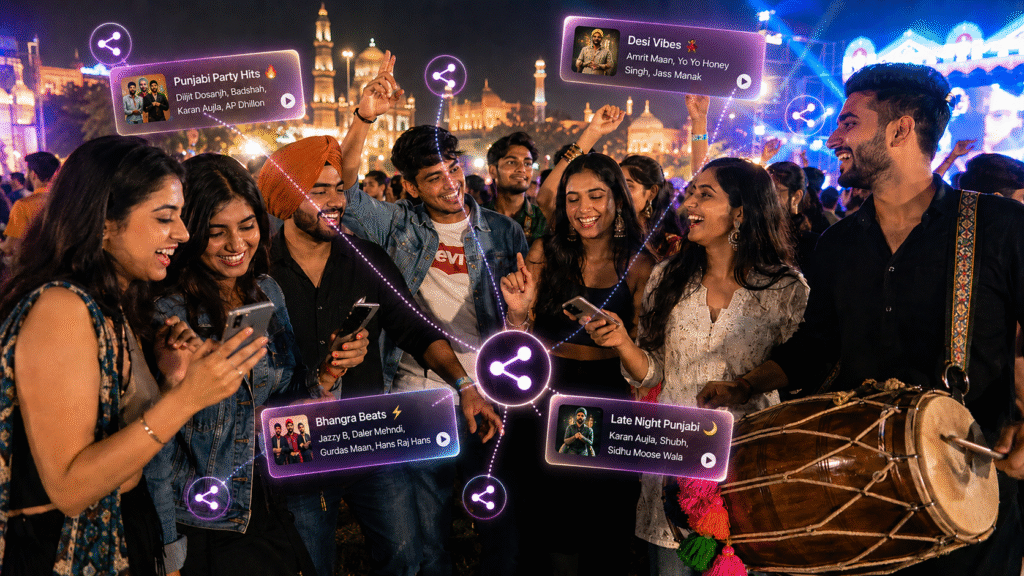
- Curate Smart: Use Spotify/JioSaavn “Punjabi Party” or “Viral Hits” playlists. Mix with your local favourites for a personal fusion.
- Listen Actively: Watch music videos—visuals tell the story even if words don’t.
- Join the Community: Attend college fests or local gigs. Live energy is unbeatable.
Chill and Connect: Share with friends. Host a “Punjabi Night” potluck—food, beats, and laughter guaranteed.
Desi Party Hacks: Playlists and Vibes for Every Occasion
What you play can make or break the mood. Here’s a beginner-friendly Punjabi pop party blueprint tailored for pan-India crowds:
- Icebreaker Tracks: Upbeat openers like “Lehanga” or “Do You Know” by Diljit—guaranteed to get everyone moving.
- Peak Energy: Karan Aujla or AP Dhillon bangers for the main dance session.
- Chill Vibes: Softer tracks with emotional depth for late-night wind-down.
- Fusion Bonus: Mix in South remixes or Bengali-Punjabi mashups trending on Reels.
Steer clear of over-repeating the same five songs. Keep it fresh, inclusive, and full of surprises. Celebrate the culture—don’t just consume it.
Wrapping It Up: One Beat, One India
So, has Punjabi pop truly broken the language barrier forever? Absolutely. It’s not black-and-white—some see pure celebration, others note the need for more balance across India’s musical tapestry. But for millions of young Indians, it’s a game-changer: a shared language of joy that turns strangers into dance partners and playlists into cultural bridges.
If this resonated, crank up a Punjabi banger today. Host a playlist swap with friends from different states. Support live gigs when artists tour your city. Drop your story below—What’s your “I don’t speak Punjabi, but I love this song” moment? Which track got you hooked? Let’s swap notes, share playlists, and keep the dhol beating. Because in the end, great music doesn’t need translation—it just needs you on the dance floor. Tune in, turn up, and let’s keep this takeover alive!
You May Like This
1



Advertisement
You May Like This



Advertisement
Advertisement
Advertisement