

Advertisement

- Updated on May 12, 2026
- IST 6:44 am

Imagine this: Rahul, a 26-year-old software engineer from Bengaluru, is stuck in yet another late-night coding sprint. His playlist blasts the latest EDM drops and auto-tuned chart-toppers, but something feels missing. The beats are loud, the hooks catchy, yet his heart stays untouched. One rainy evening, scrolling through old family reels, he stumbles upon a grainy video of Lata Mangeshkar singing “Lag Jaa Gale.” The pure, soaring notes hit him like a warm hug from his grandmother. Tears well up. For the first time in years, he feels truly seen—nostalgic, grounded, alive. “How did we forget this kind of music?” he wonders aloud.
Now picture Sneha, 22, a college student from Pune who grew up on viral Reels and trending Bollywood remixes. She’d heard the names Lata and Asha in passing but never really listened. Then, after Asha Bhosle’s passing in April 2026, her roommate drags her to a heartfelt tribute concert. When a young singer launches into Asha’s iconic “Dum Maro Dum,” reimagined with subtle modern strings, Sneha is floored. The emotion, the range, the storytelling in every note—it’s nothing like the quick dopamine hits she’s used to. “This is what music is supposed to feel like,” she texts her friends later, already queuing up more classics.
So, what’s the truth? The nightingales may have flown, but their song continues. Lata Mangeshkar and Asha Bhosle didn’t just sing—they defined the soul of Indian cinema and culture for over seven decades. With Lata’s angelic purity and Asha’s fearless versatility now part of history, a new generation of artists is stepping up to keep their melody alive. In this blog, we’ll explore their monumental legacy, why it still resonates with Gen Z and millennials in 2026, the challenges of preserving it, real stories from fans and singers, the torchbearers reinterpreting the classics, and practical ways you can carry this heritage forward in your own life. Let’s dive into the timeless world of melody that refuses to fade.
Understanding the Legacy: Two Voices That Shaped a Nation
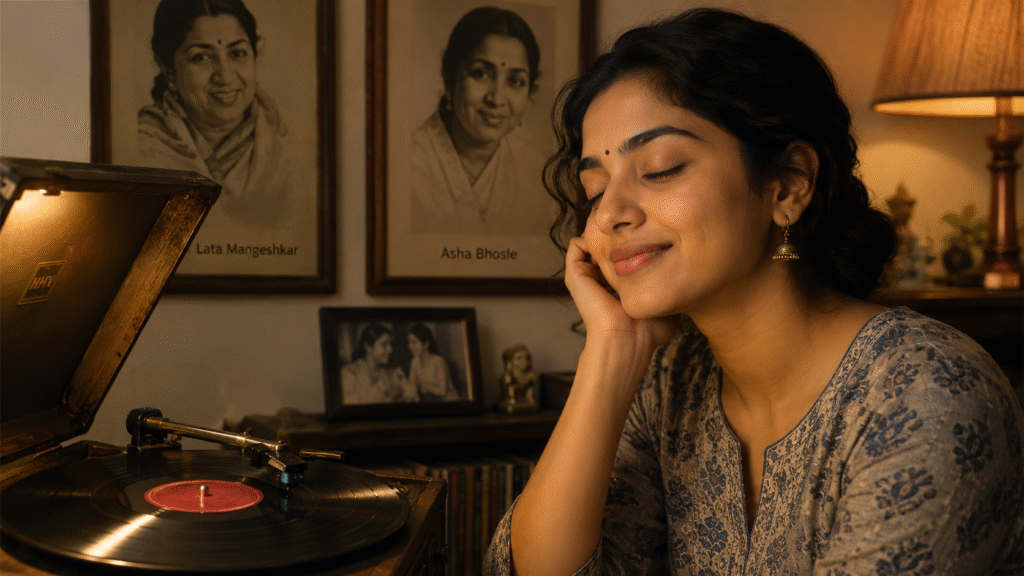
Lata Mangeshkar and Asha Bhosle were more than sisters—they were the twin pillars of Bollywood’s golden era. Lata, often called the Nightingale of India, enchanted millions with her ethereal, crystal-clear voice from the 1940s until her passing in 2022. Songs like “Aye Mere Watan Ke Logon” and “Lag Jaa Gale” became anthems of patriotism and heartbreak, touching every Indian heart regardless of language or region. She recorded over 25,000 songs in 36 languages, becoming the voice behind icons like Madhubala, Meena Kumari, and Nutan.
Asha, the younger sister who passed away in April 2026 at 92, carved her own unforgettable path. While Lata embodied serene melody, Asha was the bold experimenter—singing cabaret numbers, Western-infused tracks, ghazals, folk, and everything in between. From “Mera Naam Hai Shabnam” to “Dum Maro Dum” and countless chartbusters with R.D. Burman, her versatile soprano brought sass, rebellion, and joy to the screen. Together, they sang for generations, turning black-and-white films into emotional Technicolor and making playback singing an art form that defined Indian identity.
Their legacy isn’t just about hits—it’s about emotion. In an era before auto-tune and digital effects, they relied on raw talent, riyaaz, and deep understanding of raags and emotions. Their voices became the soundtrack of India’s independence, partition recovery, economic liberalization, and beyond. For desi families, Sunday mornings meant Lata bhajans; wedding playlists always had an Asha classic. They proved music could heal, unite, and uplift.
The End of an Era: Why the Melody Matters More Than Ever
With both legends gone, many feared the golden melody era had ended. Bollywood shifted toward high-energy item numbers, rapid beats, and short attention-span hooks. Social media favored quick virality over soul-stirring depth. Yet, paradoxically, this vacuum created space for revival. Young Indians, tired of superficial trends amid stress, job pressures, and digital overload, are craving substance. Streaming platforms are seeing spikes in classic playlists, tribute concerts are selling out, and YouTube covers of Lata-Asha songs rack up millions of views.
Why now? In a chaotic world, pure melody offers what algorithms can’t—genuine connection. Lata’s voice soothes anxiety; Asha’s energy sparks joy. Their songs carry stories of love, loss, resilience, and hope that feel timeless. Plus, with India’s cultural renaissance, Gen Z is rediscovering roots through fusion, unplugged sessions, and reality shows that celebrate classical training.
The Big Debate: Is the Legacy Fading or Thriving Through New Voices?
Experts and fans don’t always agree. Some worry commercialization dilutes purity—remixes and short Reels strip away nuance. Others celebrate how new artists make classics accessible to younger ears without losing essence.
The Pros: Why the Revival is a Blessing
- Emotional Depth in a Fast World: New singers bring fresh interpretations that resonate with today’s struggles while honoring the originals.
- Wider Reach: Platforms like YouTube and Instagram introduce Lata-Asha gems to global audiences, keeping the flame alive.
- Fusion Innovation: Blending with contemporary sounds keeps the music relevant without erasing its soul.
- Inspiration for Aspiring Talent: Young voices prove classical training still matters.
The Cons: The Pressure and Pitfalls
- Daunting Comparisons: Living up to “another Lata” or “modern Asha” can crush creativity.
- Industry Shifts: Auto-tune and quick productions sometimes favor style over substance.
- Generational Gap: Not every young listener connects immediately without context.
- Risk of Over-Commercialization: Some worry pure melody gets lost in marketing.
Yet the balance tilts positive when done respectfully. The difference lies in intent—artists who study the originals, train rigorously, and add personal touch create magic.
The Indian Twist: Melody Meets Modern Desi Life
India’s music has always been syncretic. Lata and Asha bridged classical, folk, and film worlds, much like our festivals blend traditions. Today, their legacy thrives in everything from family WhatsApp groups sharing old songs to corporate wellness playlists and college fests featuring tribute bands. In desi households, Sunday mornings still echo with “Vande Mataram.” Young professionals unwind to Lata playlists after hectic days in Gurugram or Mumbai traffic. Even weddings mix classics with new covers. The revival feels personal—like reclaiming a family heirloom in a shiny new wrapper.
Real Stories: Triumphs, Tears, and Transformations
Let’s hear from those living it.
- Vikram, 29, Mumbai: Burned out from startup life, he discovered Shreya Ghoshal’s live tribute to Asha. “Her version of ‘Ajeeb Dastan Hai Yeh’ brought back memories of my late grandmother. It helped me process grief I didn’t know I carried.”
- Anika, 19, Delhi: A college fresher who joined a campus melody club. “I thought old songs were boring until we performed ‘Chalte Chalte.’ The audience sang along—it felt like community therapy.”
These stories show melody heals across generations. Not every experience is perfect—some find initial sessions emotionally overwhelming—but openness turns listening into belonging.

New Age Artists Leading the Charge
The torchbearers are blending reverence with innovation:
- Zanai Bhosle: Asha’s granddaughter and a multi-talented singer-dancer. Having performed with her grandmother, she carries the family legacy directly, blending classical roots with contemporary appeal.
- Shreya Ghoshal: Often called a modern Lata, she delivers heartfelt tributes (like her recent London concert honoring Asha) while creating new hits that echo the golden era’s emotional depth.
- Armaan Malik: A bridge between playback and independent music, his soulful renditions and live performances keep melodic storytelling alive for younger audiences.
- Akasa Singh and Hansika Pareek: Trained in classical traditions, these rising stars fuse heritage with modern pop, proving melody can thrive in today’s charts.
- Emerging voices from reality shows and indie scenes: Singers like Kushagra Thakur and YouTube sensations who specialize in unplugged classics are introducing millions to the originals.
These artists show respect plus creativity equals longevity.

Safe Ways to Keep the Legacy Alive: Tips to Get It Right
Want to dive deeper? Here’s how:
- Start Slow: Begin with one iconic song daily—Lata’s bhajans in the morning or Asha’s peppy numbers in the evening.
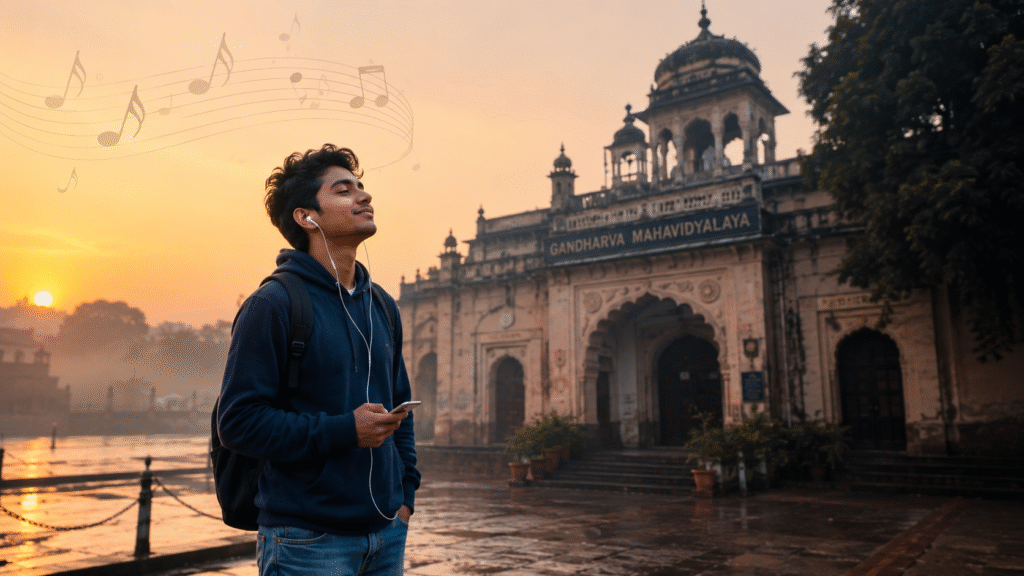
- Listen Mindfully: Use good headphones or a quiet space. Follow lyrics via apps to feel the poetry.
- Attend Live Experiences: Catch tribute concerts or mehfil-style events in your city.
- Support New Talent: Stream indie covers and buy tickets for young artists.
- Share the Joy: Create family playlists or sing along during gatherings.
- Learn Basics: Try simple vocal warm-ups or join online melody workshops.
- Balance It: Mix classics with new music—variety keeps the love fresh.
Desi Music Listening Hacks
- Morning Chai Ritual: Pair Lata bhajans with your filter coffee or masala chai for a peaceful start.
- Commute Companion: Curated Spotify playlists of Asha classics during metro rides.
- Family Evenings: Unplugged sing-alongs with grandparents—pure magic.
- Workout Motivation: Upbeat Asha tracks for energy without losing soul.
- Wind-Down: Soft Lata melodies before bed for better sleep and sweeter dreams.
Steer clear of low-quality remixes that miss the emotion. Nourish your ears the way our legends nourished ours.
Wrapping It Up: The Melody Lives On
The legacy of Lata Mangeshkar and Asha Bhosle isn’t fading—it’s evolving. For some, it’s pure nostalgia and comfort. For others, it’s a fresh discovery that adds depth to modern life. The young artists carrying the torch prove one thing: great melody never dies; it simply finds new hearts to sing through.
If this resonates, start today. Queue up a classic, share it with someone you love, or attend that next tribute event. You’re not just listening—you’re preserving a piece of India’s soul. What’s your favorite Lata or Asha song? Which new artist moved you most? Drop your stories in the comments below—let’s celebrate, remember, and keep the melody alive together. Tag a friend who needs this reminder. The nightingales may have flown, but their song echoes in all of us.
You May Like This
1



Advertisement

You May Like This







Advertisement
Advertisement
Advertisement