

Advertisement
- Updated on May 11, 2026
- IST 7:00 am
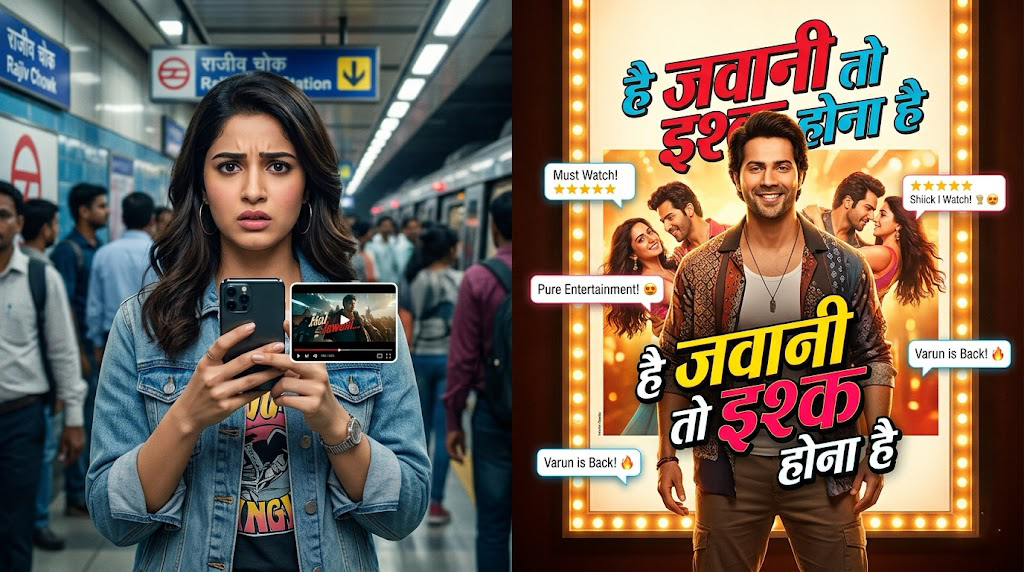
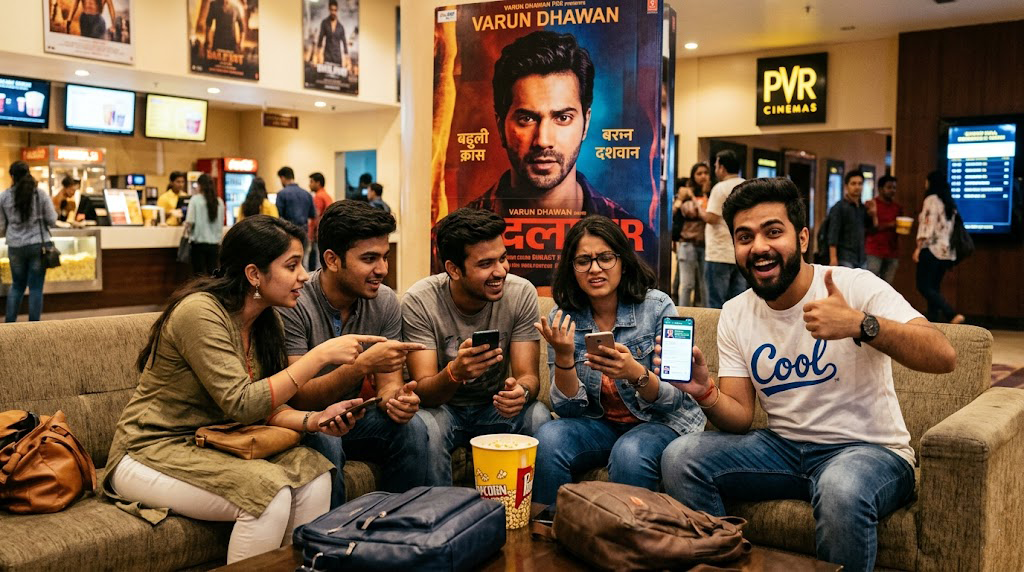
Imagine this: Rahul, a 22-year-old engineering student from Delhi, is glued to his phone during a late-night study break. The teaser for Varun Dhawan’s upcoming romantic comedy Hai Jawani Toh Ishq Hona Hai drops, and suddenly his feed explodes with glowing reactions—“Epic chemistry!”, “Varun is back in form!”, “Must-watch love story!” He shares them excitedly with his college group chat, already planning a first-day-first-show ticket with friends. Bollywood magic feels real again.
Now picture Priya, a 28-year-old content creator and die-hard Varun fan from Mumbai. She stumbles upon an Instagram Reel by influencer Simran Bhat. In it, Simran recounts being approached at a busy metro station by two strangers offering her a scripted “review” of the same teaser—despite admitting she hadn’t even watched it. Priya’s heart sinks. The comments section is on fire. “Is everything we see paid for?” she wonders aloud to her sister. Suddenly, those glowing reviews don’t feel so genuine anymore. The excitement turns to doubt, and doubt turns to disappointment.
So, what’s the truth? Is the buzz around Varun Dhawan’s new film built on authentic excitement or orchestrated hype? An influencer’s viral accusation has blown the lid off what many call Bollywood’s worst-kept secret: the shadowy world of fake reviews, paid promotions, and manufactured engagement. In this deep dive, we’ll unpack Simran Bhat’s shocking claim, Varun’s fiery response, the bigger picture of marketing ethics in the industry, real fan experiences, and what it all means for you—the audience that keeps the box office alive. Let’s separate the reel from the real and figure this out together, desi style.
Understanding the Scandal: How It All Unfolded
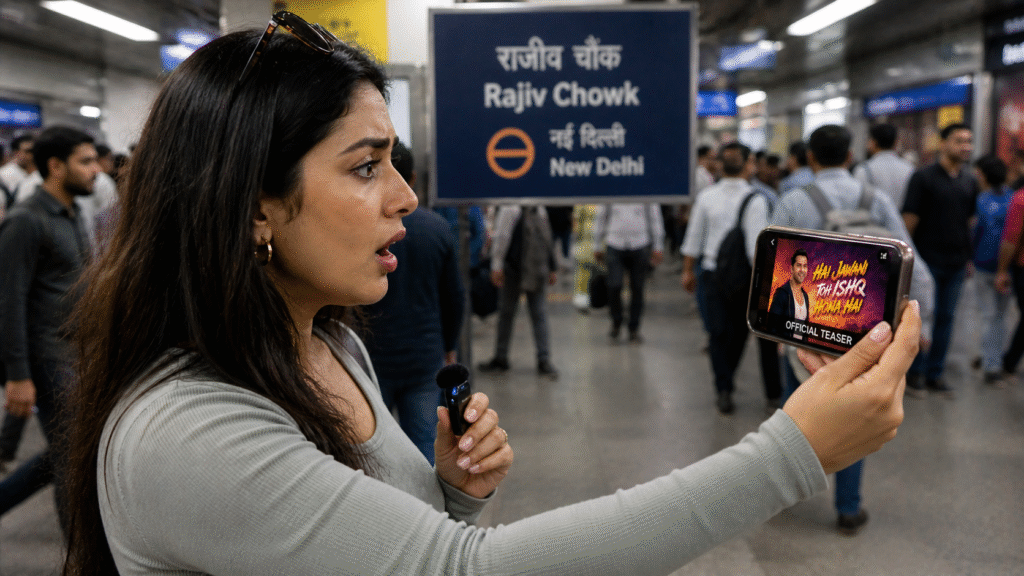
It started on April 14, 2026, at Delhi’s bustling Rajiv Chowk Metro station—one of those chaotic hubs where strangers cross paths every second. Instagram influencer Simran Bhat and her friend were minding their own business when two individuals approached them. According to Simran’s now-viral Reel, the pair excitedly mentioned that the first-look teaser for Varun Dhawan’s film Hai Jawani Toh Ishq Hona Hai (directed by David Dhawan and starring Varun alongside Mrunal Thakur and Pooja Hegde) had just dropped. They asked Simran to record a quick review.
Here’s where it gets eyebrow-raising. Simran hadn’t watched the teaser yet. She told them so. Instead of backing off, the strangers allegedly said, “It’s okay, we’ll tell you what to say.” When Simran pushed back, questioning how that could possibly count as a genuine review, one of them insisted she watch it right then and there. The exchange ended awkwardly, with the pair dismissing her with a curt “Accha niklo niklo! Jao jao!” (Okay fine, just leave!).
In her Reel, Simran didn’t hold back. With a mix of disbelief and sarcasm, she looked straight into the camera and said, “Bhai, Varun Dhawan ke itne bure din aagaye kya ki usko fake reviews lene pad rahe hai? What the hell?” The video struck a nerve. It spread like wildfire across Instagram, X, and Reddit, racking up lakhs of views and thousands of comments from fans who felt the same sting of betrayal.
The teaser itself—featuring quirky AI-generated toddlers debating their “father” in a playful, romantic-comedy setup—had already divided opinions. Some loved the fresh, fun vibe; others called the AI gimmick lazy. But the real firestorm was about authenticity.
Varun Dhawan’s Strong Reaction: Clapback or Damage Control?
Varun Dhawan didn’t stay silent. He jumped into the comments section of Simran’s Reel with a pointed reply: “Hope you get the views you really want with this video” (accompanied by clapping emojis). It was a classic celebrity clapback—sharp, dismissive, and laced with sarcasm. Reports suggest he posted (and later deleted) another comment suggesting Simran was imagining the connection to him and doing it purely for clout.
Simran fired back politely but firmly on her Stories. “Sir, with due respect, I don’t need to do these kinds of things for views. I’m already satisfied with my numbers.” She urged him to check with his PR team, warning that the episode was hurting his image more than hers. Screenshots of the deleted comment only added fuel to the fire, turning a one-off Reel into a full-blown online feud.
Fans were split down the middle. Some defended Varun, calling it a desperate attention-seeking stunt by the influencer. Others sided with Simran, arguing that if the accusation had even a grain of truth, it exposed deeper rot in how films are marketed today. The incident quickly became a trending topic, with hashtags like #VarunDhawanFakeReviews and #BollywoodMarketingEthics lighting up social media.
The Big Debate: Does Fake Engagement Help or Hurt Bollywood?
Here’s where things get juicy—and complicated. On one side, you have the harsh realities of the film business. Bollywood is a high-stakes gamble. With budgets touching ₹50-100 crore and theatrical releases facing stiff competition from OTT, South Indian cinema, and Hollywood blockbusters, every promo matters. Positive buzz can make or break opening weekend collections.
Why some say paid promotions are “necessary”:
- Box office pressure: Early hype can snowball into sold-out shows. Studies and industry insiders have long noted that social media sentiment directly influences footfalls.
- Algorithm game: Instagram and YouTube reward engagement. Genuine or not, a flood of positive comments keeps content visible.
- Competitive edge: When rivals are doing it, sitting back feels like losing the race. Many producers view influencer tie-ups as modern-day “word-of-mouth” marketing—updated for the digital age.
On the flip side, the cons are glaring and damaging:
- Erodes trust: When fans realize reviews are scripted, they stop believing anything. The magic of cinema dies a little.
- Hurts genuine creators: Honest reviewers and small influencers get drowned out by paid noise.
- Long-term backlash: One scandal can tarnish an actor’s entire image. Varun, known for his energetic, relatable persona, now faces questions about authenticity just months before release.
- Legal and ethical gray areas: While not always illegal, it borders on misleading advertising, especially when undisclosed.
Critics point out that 70-80% of online film promotions reportedly involve some form of paid or influenced content—an open secret that’s now biting back. Recent crackdowns by bodies like the Indian Film and Television Producers’ Council against “extortion” by certain influencers show the industry is fighting back, but the damage to audience faith runs deep.
Think of it like a lavish wedding feast where the hosts secretly paid guests to rave about the food. The first bite might taste good, but once you know the truth, the whole experience sours.
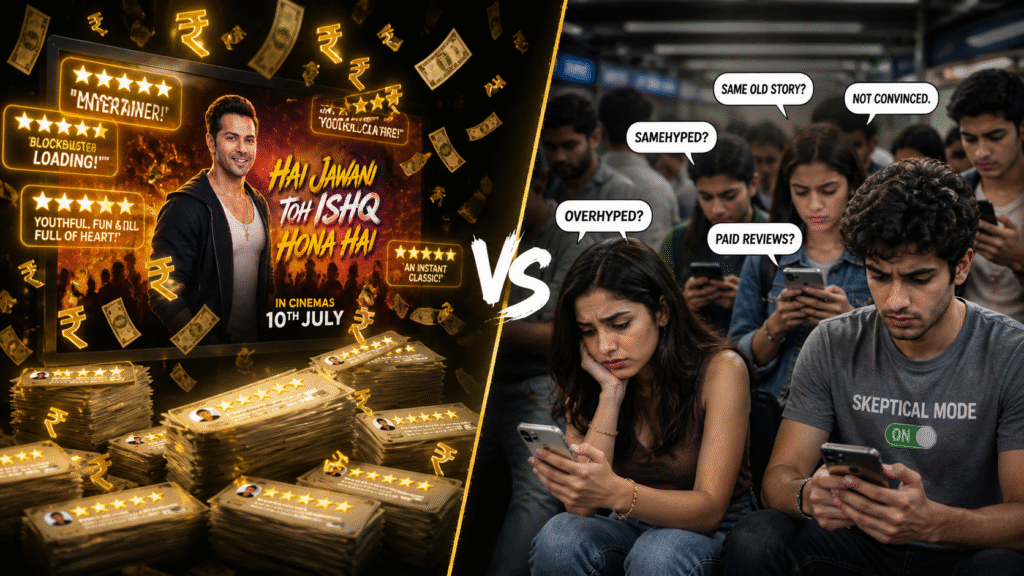
Bollywood’s Marketing Evolution: From Posters to Paid Posts
Rewind a couple of decades. Marketing meant giant hoardings, TV spots, and radio interviews. Today, it’s a multi-crore digital ecosystem—rate cards for influencers range from ₹15,000 for micro-influencers to lakhs for top-tier ones. Paid reviews, planted comments, bot armies, and “organic-looking” collaborations have become standard operating procedure.
Hai Jawani Toh Ishq Hona Hai—a fun, youthful rom-com from the Dhawan family factory—should have relied on Varun’s massive star power, catchy music (like the already-popular “Vyah Karwado Ji”), and the star cast’s charm. Instead, this controversy has shifted focus from the film’s merits to its promotion tactics.
Similar storms have hit other big names. From paid critic ratings to “reviewer shopping,” the pattern repeats. Fans aged 15-35, who form the core audience, are especially vocal because they grew up with social media. They can smell inauthenticity from a mile away.
Real Stories: Fans Speak Out
The internet is full of similar tales. One Reddit user from Bangalore shared how they bought tickets based on “100% verified” positive reactions only to feel duped after watching. Another young woman from Kolkata posted, “I unfollowed three big pages after realizing half their content is sponsored without disclosure. Now I only trust my friends’ WhatsApp forwards.”
Even industry voices are weighing in privately. A mid-level producer (who wished to remain anonymous) told a leading portal that while not every review is fake, the pressure to create “trend” is immense. “One bad weekend can sink careers,” he admitted.
On the brighter side, some creators are pushing back. Independent reviewers who call out flaws honestly are gaining loyal followings. The scandal has sparked conversations about demanding transparency—#BoycottFakeReviews trended briefly alongside the controversy.
How to Spot Genuine Reviews in the Age of Hype
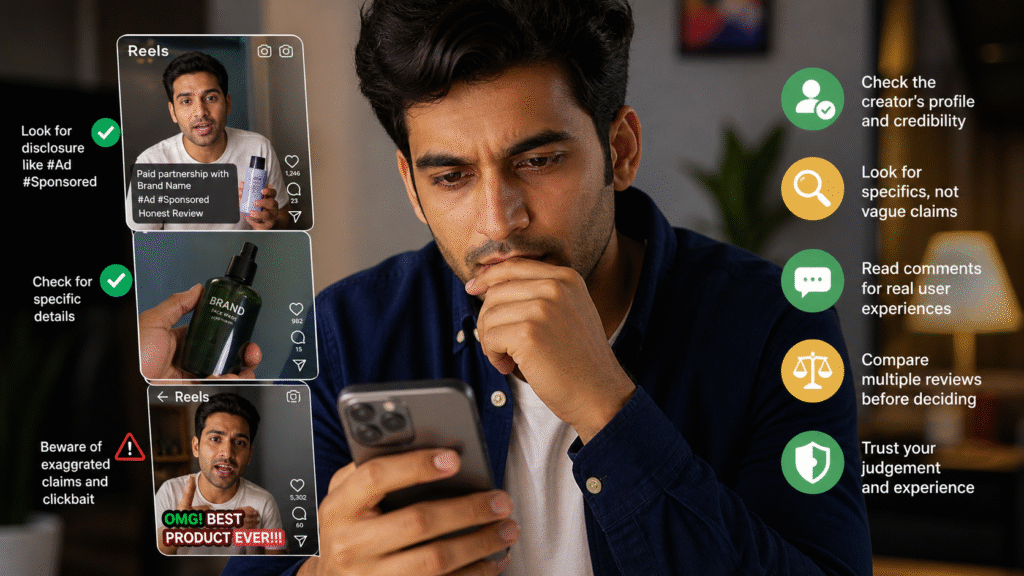
Don’t swear off Bollywood just yet! Here are practical, desi-friendly tips to navigate the noise:
- Check the source: Does the reviewer disclose partnerships? Genuine ones often do.
- Look for specifics: Vague praise like “mind-blowing” is a red flag. Real reviews mention plot points (without spoilers), acting nuances, or songs.
- Cross-verify: Compare multiple independent voices, not just one influencer wave.
- Trust your gut and friends: Personal recommendations from people you know still trump viral Reels.
- Watch trailer reactions carefully: If everyone sounds like they’re reading from the same script, pause.
- Follow ethical pages: There are credible film journalists and fan accounts that prioritize honesty over access.
Hydrate with skepticism, add a dash of critical thinking, and enjoy the cinema for what it is—entertainment, not gospel truth.
The Indian Audience Angle: Why This Matters to Us
For us Indians, Bollywood isn’t just films—it’s emotion, escapism, family bonding, and weekend plans. When the star we’ve cheered for since Student of the Year gets dragged into such controversies, it feels personal. The 15-45 age group that powers most theatrical releases is also the most active on social media. We want to celebrate our heroes, not question their every move.
This scandal highlights a bigger cultural shift: Gen Z and millennials demand authenticity. They’re quick to call out hypocrisy but equally generous when creators keep it real. Varun, with his boy-next-door charm and dance-floor energy, has built goodwill over years. One marketing misstep shouldn’t erase that—but it’s a wake-up call for the entire industry.
Wrapping It Up: Rebuilding Trust, One Honest Review at a Time
Varun Dhawan’s fake review scandal isn’t just about one influencer and one teaser. It’s a mirror held up to Bollywood’s marketing machinery. For some, it’s a storm in a teacup; for others, it’s proof that the house of cards is crumbling. The truth probably lies somewhere in the messy middle: aggressive promotion meets genuine fan love, but shortcuts erode the very foundation.
As Hai Jawani Toh Ishq Hona Hai gears up for its June 5, 2026 release, the real test will be in the theaters. Will audiences show up because of the hype or despite it? More importantly, will the industry learn to value transparency over tricks?
What’s your take? Have you ever felt duped by paid promotions? Drop your stories, theories, and hot takes in the comments below. Let’s keep the conversation real—because at the end of the day, the audience holds the real power. Share this with your squad if you’re tired of scripted hype, and tag a friend who needs to read this. Together, we can demand better from the films we love.
Stay curious, stay critical, and keep supporting cinema that deserves it. Jai Bollywood— but make it honest!
You May Like This
1



Advertisement
You May Like This








Advertisement
Advertisement
Advertisement