

Advertisement

- Updated on May 10, 2026
- IST 11:50 am
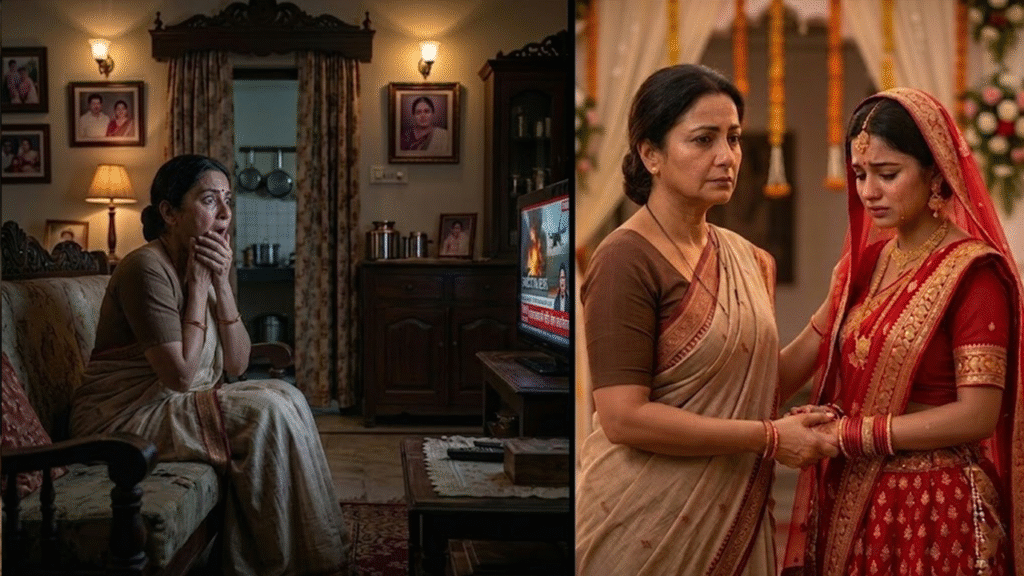
The conversation that television is afraid to have is now streaming. We examine the powerful series that is shattering taboos and forcing India to talk about the uncomfortable truth.
Imagine this: Meera, a 42-year-old homemaker from Lucknow, has spent 20 years in a marriage where “duty” was the unspoken rule. Late one evening in March 2026, she switches on JioHotstar after her family sleeps, drawn by the buzz around Chiraiya. As Divya Dutta’s character Kamlesh slaps her new daughter-in-law for speaking up about forced intimacy on her wedding night, Meera freezes. Tears roll down her cheeks—not from shock, but recognition. “This was my first night too,” she whispers to the screen, a truth she had buried under years of “adjust kar lo.” For the first time, she sees her pain named. Yet the next morning, guilt hits: How can I question 20 years of my own life?
Now, picture Priya, 28, a young corporate professional from Delhi, newly married and already navigating subtle pressures from her in-laws. She binges Chiraiya with her husband over a weekend. When Pooja’s character resists and is dismissed, Priya pauses the episode. “See? Consent matters even after ‘I do’,” she tells him gently. Their conversation stretches late into the night—awkward, raw, but honest. By the finale, Priya feels lighter, empowered to set boundaries early. For her, the series isn’t just drama; it’s a quiet revolution in her own home.
So, what’s the truth? Is Chiraiya, Divya Dutta’s hard-hitting JioHotstar series, a bold step forward in breaking taboos around marital rape and consent—or does it risk reopening wounds without enough safeguards? With India still lacking a specific law criminalizing marital rape for adult wives, can a single web series truly shift mindsets? In this blog, we’ll unpack the show’s emotional punch, the societal storm it has stirred, real viewer reactions, and the bigger role OTT platforms are playing in pushing uncomfortable conversations. Rooted in our desi realities of joint families, societal expectations, and silent suffering, let’s dive deep and figure this out together—no spoilers beyond the public discourse.
Understanding Marital Rape and Consent: India’s Unspoken Silence
First, let’s get the basics down without sugarcoating. Marital rape isn’t a “private matter” or a Western import—it’s a brutal reality affecting millions of Indian women. According to various studies and reports, a significant percentage of married women experience forced sexual acts by their husbands, yet most never report it. Why? Because our legal system, culture, and families have long treated marriage as an automatic blanket of consent. The Indian Penal Code’s Exception 2 to Section 375 still exempts non-consensual sex within marriage for wives above 18 from being classified as rape.
Think of it like an old, creaky door in every traditional household: everyone knows it’s there, but no one dares open it fully. Women are raised on phrases like “patni ka farz” (a wife’s duty) and “ghar ki izzat” (family honor). Consent? It’s rarely discussed before or after the wedding mangalsutra. The consequences ripple far beyond the bedroom—depression, anxiety, physical trauma, broken trust, and even generational cycles of normalized violence. For young couples in 2026, navigating love marriages or arranged setups amid social media ideals, this silence creates a dangerous gap between “happily ever after” on Instagram and the quiet pain behind closed doors.
That’s exactly where Chiraiya enters the chat. Streaming on JioHotstar since March 20, 2026, this six-episode drama doesn’t preach from a pedestal. It shows the messy, human side of awakening to these truths. But with such a sensitive subject, does shining a light help heal—or just expose raw nerves?
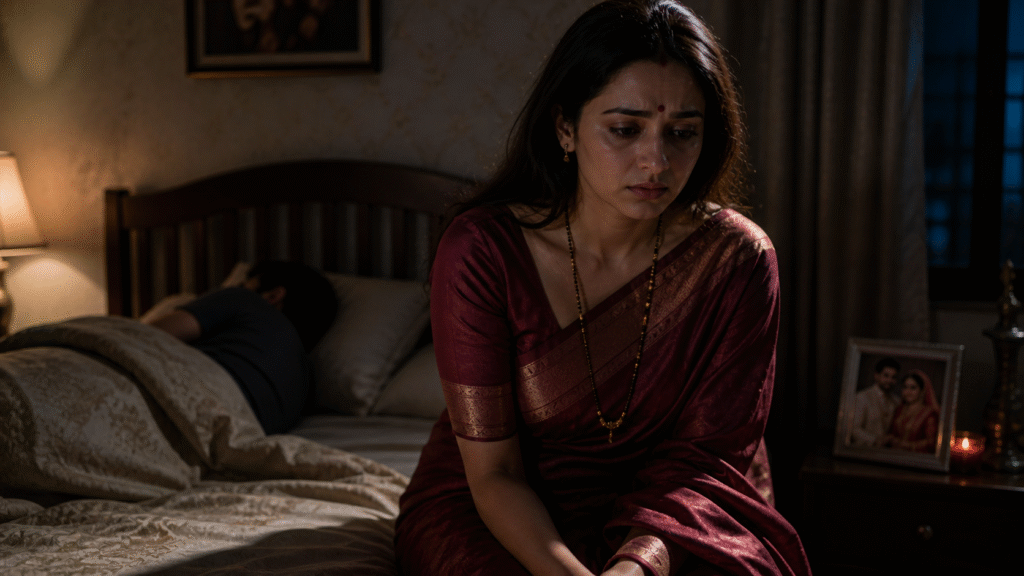
Chiraiya Explained: A Family Drama That Refuses to Look Away
Unlike glossy romantic sagas that dominate our screens, Chiraiya (meaning “little bird” in Hindi, symbolizing fragile yet resilient women) is grounded in the everyday chaos of a middle-class Lucknow joint family. At its heart is Kamlesh (Divya Dutta), the quintessential elder bahu—dutiful, self-sacrificing, and fiercely protective of family harmony. She runs the household like a well-oiled machine, believing in tradition above all.
Enter Pooja (Prasanna Bisht), the new bride married to Kamlesh’s devar Arun (Siddharth Shaw). What should be a joyous beginning turns nightmarish on the wedding night when Arun disregards Pooja’s clear discomfort and forces himself on her. Kamlesh’s initial reaction? Denial and disbelief—she slaps Pooja, unable to fathom that marriage doesn’t equal automatic consent. But as cracks appear and Pooja’s pain becomes impossible to ignore, Kamlesh embarks on her own quiet rebellion. She seeks answers from an NGO, learns about bodily autonomy, and slowly confronts the patriarchy she once upheld.
The series, directed by Shashant Shah and written by Divy Nidhi Sharma (adapted loosely from the Bengali series Sampurna), blends sharp dialogue, powerful performances, and unflinching realism. Divya Dutta delivers a career-defining turn, evolving from internalized conditioning to quiet strength. Supporting cast like Sanjay Mishra as the scholarly patriarch adds layers of generational conflict. It’s not high-octane thriller territory—it’s intimate, uncomfortable, and profoundly moving.
The pitch? In an era where OTT has freed creators from TRP fears and censor board scissors, Chiraiya uses its platform to hold up a mirror to Indian marriages. For viewers tired of sanitized family dramas, it feels like a much-needed reset. But with hormones of societal outrage already running high, does it sync with public readiness—or risk backlash?
The Big Debate: Does Chiraiya Break Taboos or Stir Unnecessary Controversy?
Here’s where it gets juicy—critics, families, and social media are split right down the middle, much like dinner-table debates in many Indian homes. Let’s break it down fairly, exploring multiple perspectives.
The Pros: Why Chiraiya Is a Game-Changer
- Raising Awareness on Consent: By showing marital rape not as dramatic villainy but as normalized “duty,” the series forces viewers to question long-held beliefs. It humanizes survivors and educates without lecturing—many women reported finally finding language for their experiences.
- Powerful Performances and Emotional Depth: Divya Dutta’s transformation anchors the show, making Kamlesh’s journey relatable to millions of mothers and daughters-in-law. The quiet moments of realization hit harder than any courtroom drama.
- OTT’s Fearless Storytelling: Unlike mainstream TV, JioHotstar allows raw depiction, sparking nationwide conversations on X, Instagram, and family WhatsApp groups about consent education.
- Societal Ripple Effect: It highlights legal gaps (marital rape still not fully criminalized) and encourages dialogue on mental health support for survivors.
Take Priya’s story—she and her husband started weekly “consent check-ins” inspired by the show. “It saved us from unspoken resentment,” she shared.
The Cons: Where It Might Backfire for Some
- Triggering Without Enough Triggers Warnings: For survivors watching alone, graphic emotional scenes can retraumatize. Some critics noted the need for better viewer advisories.
- Backlash and Polarization: Trolling labeled it “anti-men” or “breaking families,” with the writer admitting he didn’t foresee the intensity of reactions. In conservative households, it led to arguments rather than understanding.
- Pacing and Melodrama Concerns: A few threads felt stretched, shifting focus from Pooja’s experience to Kamlesh’s awakening, which some saw as diluting the victim’s voice.
- Limited Solutions: While it exposes the problem brilliantly, the show acknowledges legal limitations without offering clear “what next” for real families.
Meera admitted the initial episodes left her drained and questioning everything, but reflection brought clarity. “It hurt, but it healed too,” she reflected.
Overall, the strengths in courage and authenticity far outweigh the critiques for most. Chiraiya isn’t perfect, but its willingness to evolve the conversation feels necessary in 2026 India.
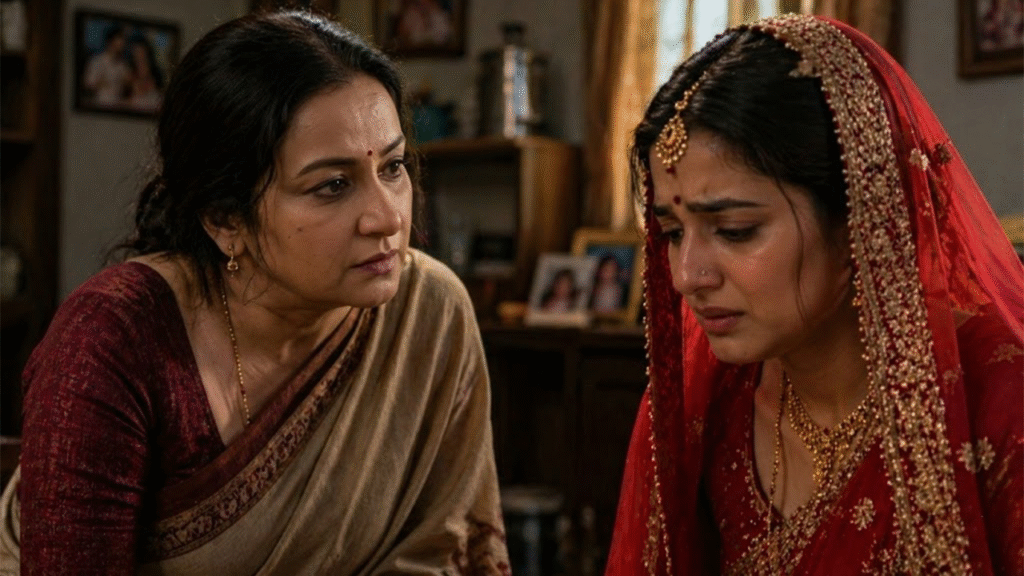
The Indian Twist: Tradition, Family Honor, and the Desi Marriage Script
Marital consent discussions aren’t new to our culture—they’ve been whispered in women’s circles for generations. From Karva Chauth fasts symbolizing devotion to the “suhaag raat” expectations glorified in countless films, our traditions often blur lines between love and obligation. Joint families amplify this: elders like Kamlesh’s character police “adjustments” to protect izzat.
Chiraiya nails this desi essence beautifully. Set in Lucknow’s tight-knit lanes, it shows how chai sessions, family pujas, and “log kya kahenge” shape silence. Yet it also taps into evolving India—younger women like Pooja bringing “woke” ideas from education and social media. The series subtly nods to real statistics: high unreported domestic violence cases, mental health stigma, and the slow legal battles for marital rape reforms. In a country where arranged marriages still dominate and love marriages face scrutiny, it asks: Can we rewrite the script without tearing the family apart?
Real Stories: Triumphs, Tears, and Transformative Conversations
Let’s hear from the women and families who’ve been there.
- Ritu, 35, Mumbai: “As a mother of a daughter about to marry, Chiraiya made me sit my son-in-law down for a talk. We discussed boundaries openly for the first time.”
- Kiran, 31, Bangalore: “I recognized my own marriage in Pooja’s struggle. Watched it with my husband—he was defensive at first, but it opened real dialogue. We’re in counseling now.”
- Aarav, 29, Delhi (husband’s perspective): “I thought it was exaggerated until my wife shared her fears. The show humbled me. Consent isn’t assumed—it’s ongoing.”
These aren’t isolated. Social media exploded with #ChiraiyaEffect trends—survivor stories, father-daughter talks, and even men reflecting on privilege. Reddit threads and Instagram reels show divided yet engaged audiences, proving the series struck a nerve.
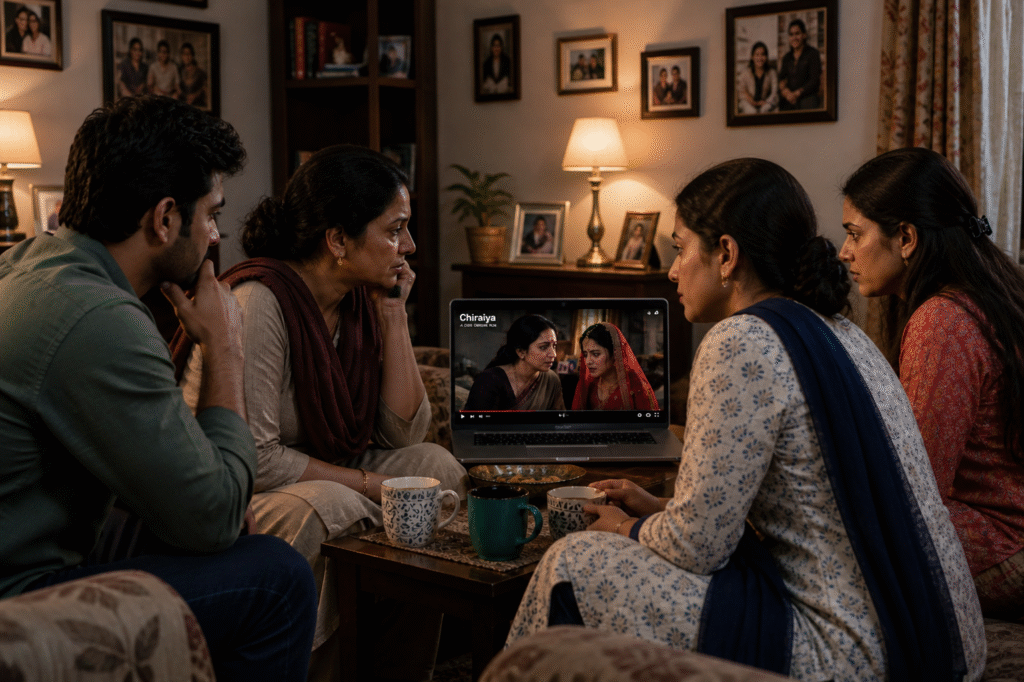
The Power of OTT: Why Streaming Is India’s New Taboo-Breaker
Television once dictated what families could watch together. OTT platforms like JioHotstar have changed the game—no censorship, no 9 PM slot restrictions. Chiraiya joins a growing list of shows tackling domestic violence, mental health, and gender norms with nuance. It proves streaming can educate while entertaining, reaching millions across metros and small towns without alienating core audiences entirely.
For India’s 15-45 demographic—juggling modern aspirations with traditional roots—this matters. It normalizes difficult talks in living rooms, bedrooms, and college hostels.
How to Have the Chiraiya Conversation in Your Home: Practical Tips
Thinking of watching or discussing Chiraiya with family? Here’s how to keep it safe and constructive:
- Start Small: Watch together or separately, then share one takeaway each—no judgments.
- Create Safe Space: Use “I feel” statements instead of accusations. Remember, change takes time.
- Educate Gently: Share simple resources on consent from credible NGOs or books.
- Listen Actively: To survivors or partners—validate feelings first.
- Seek Professional Help: If conversations unearth pain, consult counselors.
- Follow Up: Make consent an ongoing family value, not a one-time watch.
Wrapping It Up: The Chiraiya Effect—Hope or Headache?
So, does Chiraiya worsen taboos by stirring controversy or help by breaking them wide open? It’s not black-and-white. For some Indian families, it’s a painful but necessary mirror that fosters empathy and change. For others, it feels like an unwelcome intrusion. The difference lies in how we receive it— with open hearts, critical minds, and willingness to grow.
If the series tempts you, press play. Start with curiosity, watch your own reactions, and lean into the discomfort. Marriage in India is evolving, and conversations like these are the bridge. You’re not alone in this journey—millions are watching, reflecting, and yes, changing.
What’s your take? Watched Chiraiya yet? How did it hit your family or relationships? Drop your story in the comments below—let’s swap notes, share the tough truths, and lift each other up. Because the little birds (chiraiya) deserve to fly free. Stream it on JioHotstar today and join the conversation that India desperately needs.
You May Like This
1



Advertisement

You May Like This







Advertisement
Advertisement
Advertisement