

Advertisement

- Updated on May 10, 2026
- IST 1:51 pm
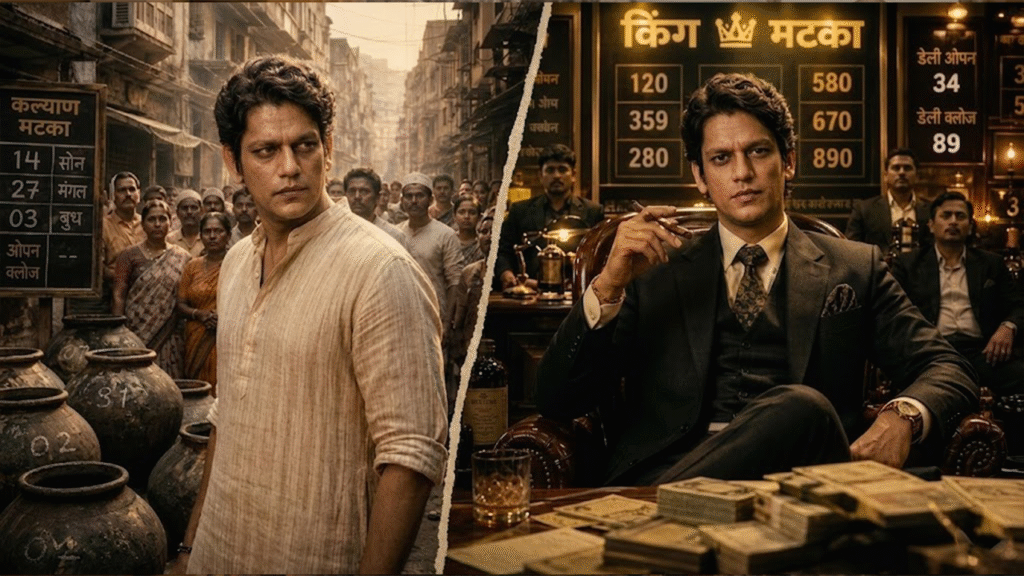
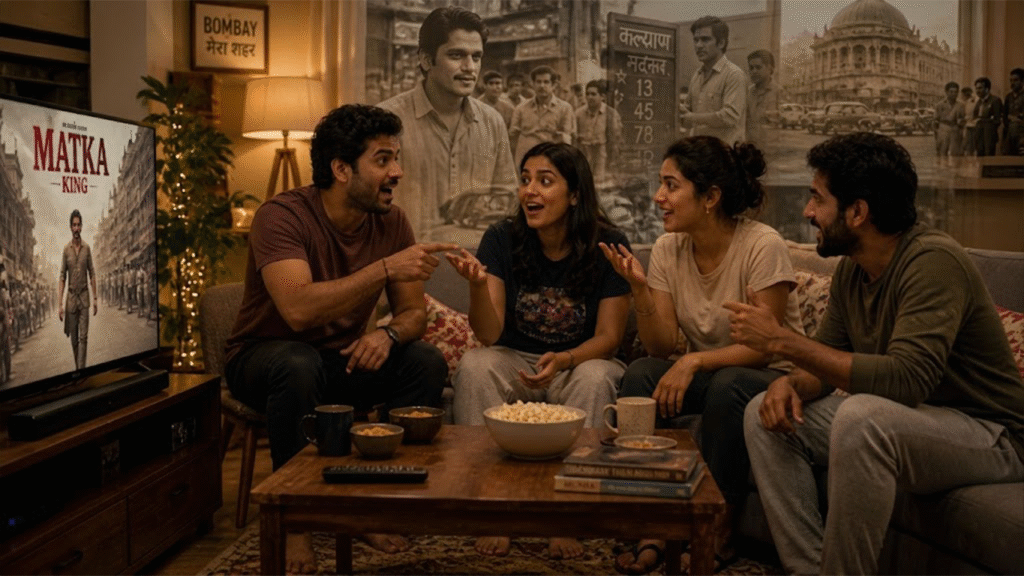
Imagine this: Rajesh, a 35-year-old IT professional from Pune, collapses on his couch after a long day of back-to-back meetings. Prime Video suggests yet another crime drama—Matka King. “Not another glorified gangster story,” he mutters, expecting the usual slick action and larger-than-life villains. He hits play anyway, more out of habit than hope. Two episodes later, the smoky chawls of 1960s Bombay pull him in. Vijay Varma’s quiet intensity as Brij Bhatti, the cotton trader turned empire-builder, keeps him glued. By sunrise, Rajesh has binged all eight episodes, whispering to his wife, “This isn’t just entertainment—it’s our history staring back at us.”
Now picture Sneha, a 22-year-old college student in Kolkata, scrolling through her feed. She’s a sucker for glossy thrillers with glamorous leads. Matka King pops up with its raw poster and understated trailer. “Too slow, too real,” she thinks, but her roommate insists. Reluctantly, she starts. What begins as mild curiosity turns into full-blown obsession. The moral gray areas, the matka draws echoing through narrow lanes, the quiet ambition of an ordinary man—she finishes the season in one weekend, teary-eyed. “It made me question what success really costs,” she later posts, tagging friends who were equally hooked.
So, what’s the truth? In an OTT world flooded with high-production crime sagas promising fast thrills and bigger stakes, is Matka King just another entry—or has Nagraj Manjule’s unflinching look at 1960s Mumbai’s underground gambling empire quietly rewritten the rules of binge-watching? With Vijay Varma delivering career-best restraint and a story that feels ripped from the streets rather than a studio soundstage, this series has become Prime Video’s biggest dark horse hit in years. In this blog, we’ll unpack the raw ambition behind Brij Bhatti’s rise, the masterful direction that brings old Bombay alive, the powerhouse performances, and why India can’t stop talking about a simple earthen pot that changed everything. Rooted in our desi love for underdog tales and high-stakes risk, we’ll explore the risks, the rewards, and the real reasons this gritty drama is winning hearts (and viewership charts). Let’s dive in and figure this out together!
The Matka Revolution: From Humble Cotton Trader to Underground King
First, let’s get the basics down. Matka King isn’t your typical flashy underworld tale of flashy dons and dramatic shootouts. It’s the story of Brij Bhatti, a modest cotton trader with Partition-era roots, scraping by in the bustling mills of 1960s Bombay. Think of it like a pressure cooker on a kerosene stove: everyday struggles, simmering resentment, and one spark of genius that blows the lid off an entire system.
Brij works for the ruthless Lalji Bhai (brilliantly played by Gulshan Grover), navigating a world where the rich gamble at elite racecourses while the common man bets on numbers in secret. Spotting the gap—why should only the privileged have access to the thrill and potential fortune?—Brij teams up with unlikely allies: a disgraced ex-soldier Dagdu and a sharp Parsi widow Gulrukh. Together, they transform a simple household matka (earthen pot) into a revolutionary betting system. Numbers are drawn transparently, results are fair, and suddenly, the game belongs to the masses. What starts as a clever side hustle snowballs into a massive underground empire, touching politics, police, family, and the very soul of a rapidly changing city.
Beyond the surface, the series digs deep into ambition’s double edge. Brij craves legitimacy and respect in a society that keeps pulling the ladder up. As his power grows, so do the moral compromises, betrayals, and personal costs. It’s not just about gambling—it’s about the human cost of turning luck into legacy. For millions of Indian viewers raised on stories of self-made men from chawls to boardrooms, Brij’s journey hits home like a perfectly timed matka draw.
Nagraj Manjule's Directorial Vision: Grit, Realism, and the Mumbai That Time Forgot
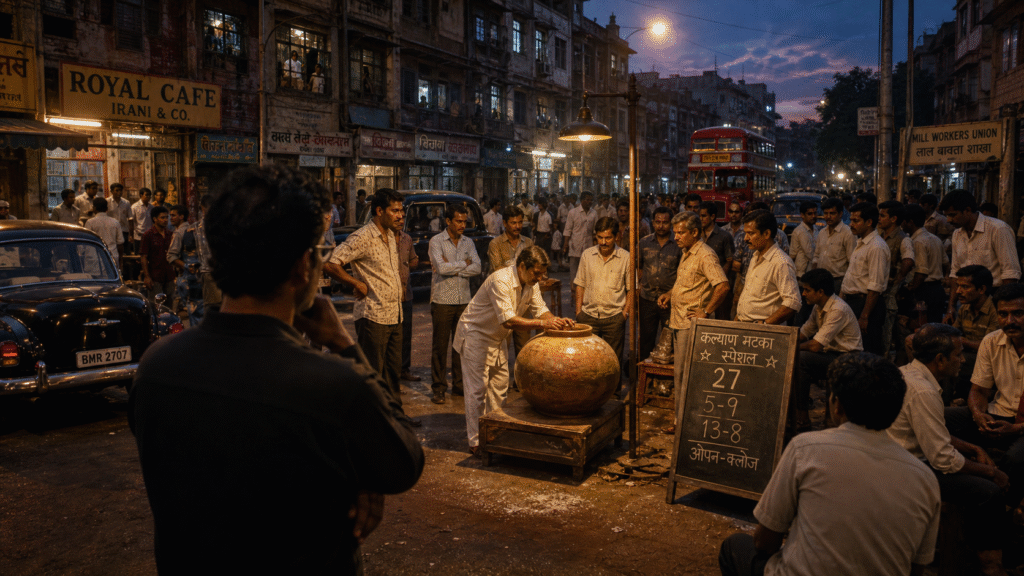
Unlike typical OTT gloss that prioritizes style over substance, Nagraj Manjule—fresh from his acclaimed films like Sairat and Fandry—brings his signature social realism to the small screen for the first time. His Bombay isn’t the postcard version with Marine Drive sunsets. It’s the sweaty chawls, overflowing drains, mill sirens at dawn, and the quiet desperation of migrant dreamers chasing a better tomorrow.
Manjule and co-writer Abhay Koranne paint 1960s Mumbai with meticulous detail: the clatter of matka pots, the haze of beedi smoke in dimly lit rooms, the rhythmic calls of number draws that echo like temple bells for the desperate. The camera lingers on faces—worn, hopeful, cunning—letting silence speak volumes. This isn’t fast-cut action; it’s slow-burn tension that builds like monsoon humidity, making every betrayal land heavier.
Critics have noted how Manjule democratizes storytelling the same way Brij democratizes gambling. He refuses to romanticize the underworld. Instead, he shows the systemic inequalities that make illegal betting feel like the only ladder available. It’s a fresh angle in Indian crime dramas: ambition isn’t glamorous—it’s survival with consequences. For an audience tired of the same old tropes, this grounded approach feels revolutionary, turning Matka King into the kind of series you don’t just watch—you feel it in your bones.
Vijay Varma's Masterclass: The Restrained Rise of Brij Bhatti
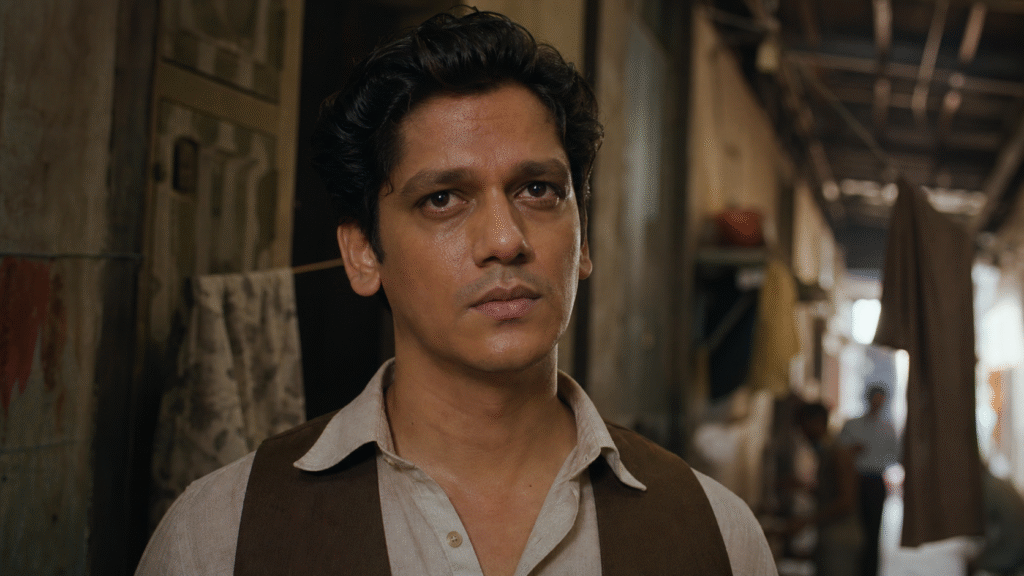
At the heart of it all is Vijay Varma, who turns Brij Bhatti into one of Indian OTT’s most compelling protagonists. Forget the brooding intensity we’ve seen in his earlier roles—here, Varma plays a man of quiet calculation and simmering resolve. His performance is all in the eyes: a flicker of doubt during a risky deal, a steel resolve when protecting his family, the subtle shift from honest trader to empire builder.
Varma carries the emotional weight without ever overacting. Whether negotiating with shady partners or facing the toll on his marriage to Barkha (Sai Tamhankar), he makes Brij feel achingly human. Viewers have called it a “masterclass in restraint,” and it’s easy to see why. In an industry that often demands loud heroism, Varma’s understated power makes Brij’s moral slide all the more heartbreaking—and relatable.
Supporting him is a stellar ensemble. Siddharth Jadhav’s Dagdu brings raw street energy and loyalty that cracks under pressure. Kritika Kamra’s Gulrukh adds layers of class and cunning as the unlikely partner. Gulshan Grover chews the scenery as the predatory Lalji Bhai, while Sai Tamhankar delivers quiet strength as the wife caught in the crossfire of ambition. Each character feels lived-in, like neighbors from your own mohalla.
The Big Debate: Why Matka King Became Everyone’s Dark Horse Obsession
Here’s where it gets juicy—experts, critics, and viewers don’t fully agree on whether Matka King is flawless, but everyone acknowledges its impact. Let’s break it down.
The Pros: What Makes It a Winner
- Authentic Storytelling: Manjule’s direction and the period recreation transport you straight to 1960s Bombay. The social commentary on class, migration, and inequality feels timely even today.
- Character Depth: No black-and-white heroes. Brij’s journey explores the gray areas of ambition, making you root for him even as you question his choices.
- Vijay Varma Effect: His performance elevates every scene, turning a familiar rise-and-fall tale into something profound.
- Cultural Resonance: Matka wasn’t just a game—it was hope for the hopeless. The series taps into India’s love for underdog stories, risk-taking, and the eternal dream of beating the system.
Sneha’s story mirrors thousands: “It wasn’t just entertainment; it made me reflect on my own hustle in a competitive world.”
The Cons: Where It Occasionally Misses a Beat
- Pacing in Parts: Some episodes lean into slow-burn a bit too much, testing patience for viewers craving constant twists.
- Familiar Tropes: Echoes of earlier crime dramas like Scam 1992 are noticeable, though Manjule’s realism gives it a distinct flavor.
- Emotional Payoff: The ending divides opinions—powerful for some, slightly underwhelming for others who wanted more fireworks.
Yet, these minor flaws don’t detract from the overall triumph. Matka King proves that substance can trump spectacle, becoming Prime Video’s most-watched new series in two years and topping charts in 17 countries.
The Indian Twist: Gambling, Chawls, and the Desi Dream of Risk and Reward
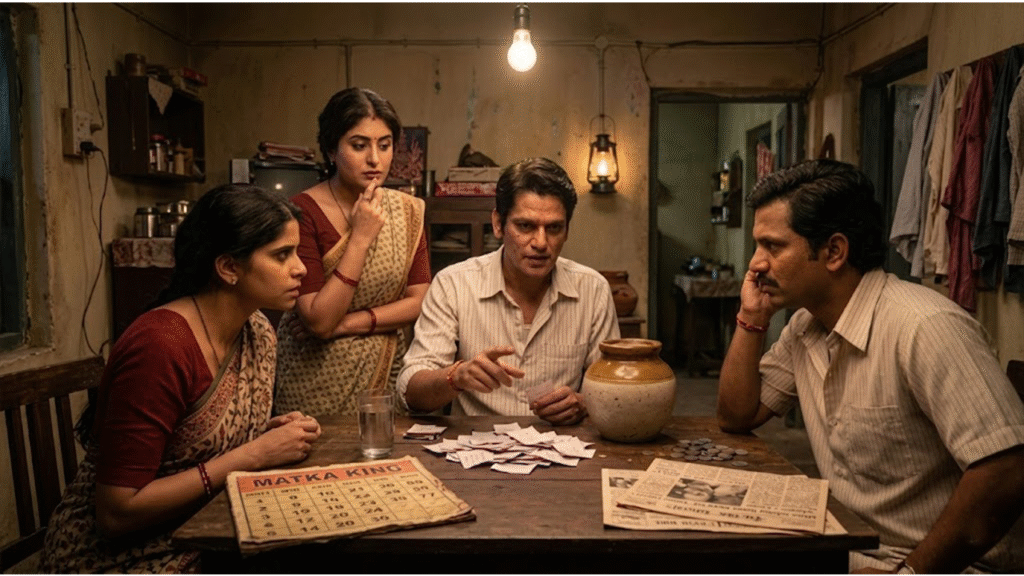
Matka isn’t new to us Indians—it’s woven into the cultural fabric like Diwali crackers or street-side chai. From family lore of “lucky numbers” during tough times to the underground networks that once powered parallel economies, the game represents something deeply desi: the belief that one bold move can change everything. In 1960s Mumbai, amid post-Partition struggles and industrial boom, Brij’s innovation mirrored our collective hunger for fairness in an unfair world.
The series brilliantly captures this through everyday details—rotis shared in cramped kitchens, heated debates over numbers, the quiet prayers before a draw. It’s not preachy; it shows how gambling offered agency to the powerless while highlighting the devastating ripple effects on families and society. For today’s audience juggling EMIs and side hustles, Brij’s story feels like a mirror: What price are we willing to pay for respect and stability?
Real Viewer Reactions: Triumphs, Reflections, and Binge Lessons
Let’s hear from the people who’ve lived it. Rajesh from Pune shared how the series sparked family discussions about risk versus stability. A Mumbai-based viewer posted, “Seeing those chawls felt like visiting my grandparents’ old building—pure nostalgia mixed with hard truths.” On social media, fans praised the show’s ability to humanize ambition without glorifying crime.
These reactions prove Matka King isn’t just a series—it’s a conversation starter about success, ethics, and the Indian middle-class dream.
Why You Should Binge Matka King: Smart Tips for Maximum Impact
Thinking of hitting play? Here’s how to make the most of it:
- Watch in One Go (If You Can): The slow-burn rewards patience—binge during a weekend for full immersion.
- Pay Attention to Details: The production design and sound design are characters themselves.
- Discuss It: Talk about Brij’s choices with friends or family— the moral dilemmas are gold for debate.
- Context Matters: Read a bit about real matka history beforehand for extra depth.
- No Spoilers: Go in blind to feel every twist.
- Reflect: Use it as a reminder that every “lucky draw” comes with real consequences.
Wrapping It Up: To Bet on Matka King or Not?
So, does Matka King live up to the hype as a dark horse hit? It’s not perfect, but in a sea of formulaic content, its gritty authenticity, stellar performances, and thoughtful exploration of ambition make it a winner worth every minute. Nagraj Manjule and Vijay Varma have delivered something rare: a series that entertains while making you think about the cost of dreams in our very Indian way.
If you’ve been sleeping on it, stop scrolling and start watching. Brij Bhatti’s journey from cotton trader to matka king might just remind you that the biggest risks—and rewards—often start with the simplest ideas. What’s your take? Have you binged Matka King yet? Drop your favorite moment or hot take in the comments below—let’s swap notes and keep the conversation going. Follow PBTrendz for more deep dives into the stories shaping our screens, and remember: sometimes the real jackpot isn’t the win itself, but the story behind it.
You May Like This
1



Advertisement

You May Like This







Advertisement
Advertisement
Advertisement