

Advertisement

- Updated on May 10, 2026
- IST 12:13 pm

Imagine this: Arjun, a 34-year-old software engineer from Bangalore, used to scroll through his Prime Video feed every Friday night, hoping for that one Hindi series that would blow his mind. He’d binge The Family Man or Panchayat and feel entertained for a while. But lately, the plots felt repetitive—same spy thrillers, same family sagas with predictable twists. “Another big-star vehicle with flashy action but no soul?” he’d mutter, switching off midway. Then a colleague from Hyderabad suggested a Tamil original on Disney+ Hotstar—Suzhal: The Vortex. Arjun tried it with English subtitles, expecting subtitles to ruin the vibe. Two episodes later, he was glued. The layered mystery, raw emotional depth, and culturally rooted characters had him hooked like nothing in Hindi OTT had in years.
Now picture Priya, a 29-year-old content creator from Chennai, who grew up watching Tamil TV but recently discovered Telugu gems on Aha. “I thought Hindi was the big league, but Telugu and Tamil series are giving us stories that feel real—our struggles, our festivals, our families,” she shares excitedly with her followers. Her latest binge? A fresh 2026 Telugu comedy-drama that had her laughing and tearing up in the same episode.
So, what’s happening? Move over, Mumbai—the new content kings are from the South. In 2026, Telugu and Tamil originals aren’t just keeping pace with Hindi content; they’re often outshining it in quality, viewership engagement, and cultural impact. This isn’t hype. It’s a full-blown regional renaissance powered by bold storytelling, creative freedom, and platforms finally waking up to India’s diverse tastes. Let’s unpack why South Indian OTT is stealing the spotlight—and how it’s reshaping pan-India entertainment.
Understanding the Regional OTT Landscape: Beyond the Hindi Belt
India’s OTT market has exploded, but the real growth engine in 2026 isn’t just Hindi originals anymore. According to industry reports, regional language content now accounts for over 56% of total OTT consumption, up dramatically from earlier years. Telugu and Tamil series, in particular, are leading the charge. Platforms like Aha (Telugu-focused with Tamil expansion), Sun NXT, Disney+ Hotstar, Netflix, and Prime Video are investing heavily in South originals, recognizing that audiences in Tier-2 and Tier-3 cities crave stories that mirror their lives.
Unlike the early days when Hindi dominated with big budgets and pan-India stars, South creators are leveraging hyper-local narratives that resonate universally. Think of it like a monsoon rain refreshing a parched field: Telugu and Tamil content brings authentic flavors—family dynamics during festivals like Pongal or Sankranti, workplace politics in Chennai or Hyderabad tech hubs, or gritty crime tales from Madurai streets—that feel fresh and grounded. Hindi content, while polished, often feels like it’s chasing formulas: the same anti-hero arcs or glossy romances. The result? South series frequently clock higher completion rates and repeat viewership.
The Telugu-Tamil Edge: Creative Freedom and Storytelling Mastery
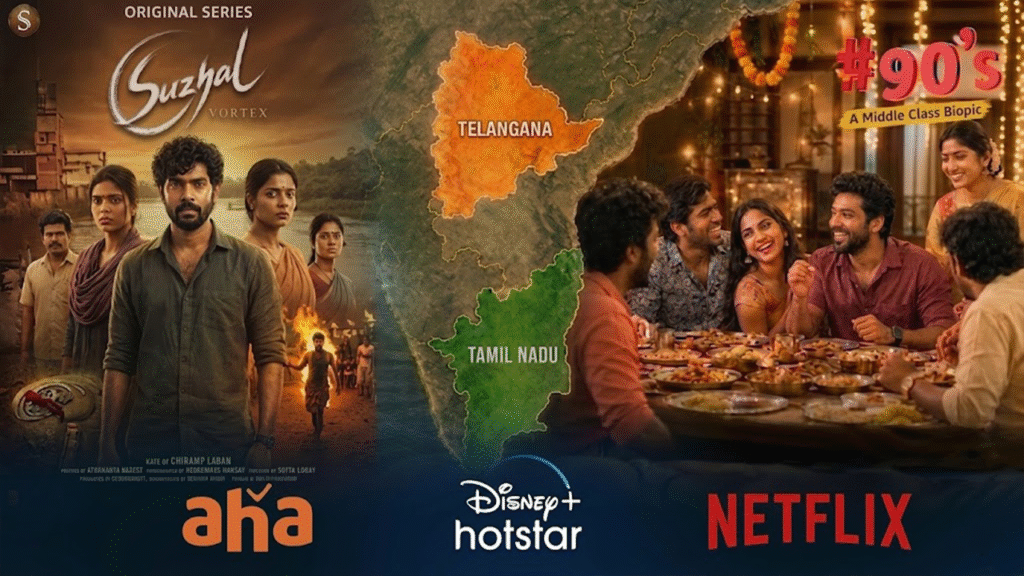
What sets Telugu and Tamil originals apart? Creative freedom tops the list. South filmmakers operate with fewer commercial pressures from star egos or formulaic mandates. Directors experiment boldly—mixing genres, weaving in local folklore, or tackling social issues with nuance. Take Suzhal: The Vortex (and its 2025-26 seasons), a Tamil crime thriller that masterfully blends mystery, family betrayal, and small-town politics. Viewers rave about how every twist feels earned, not forced for shock value.
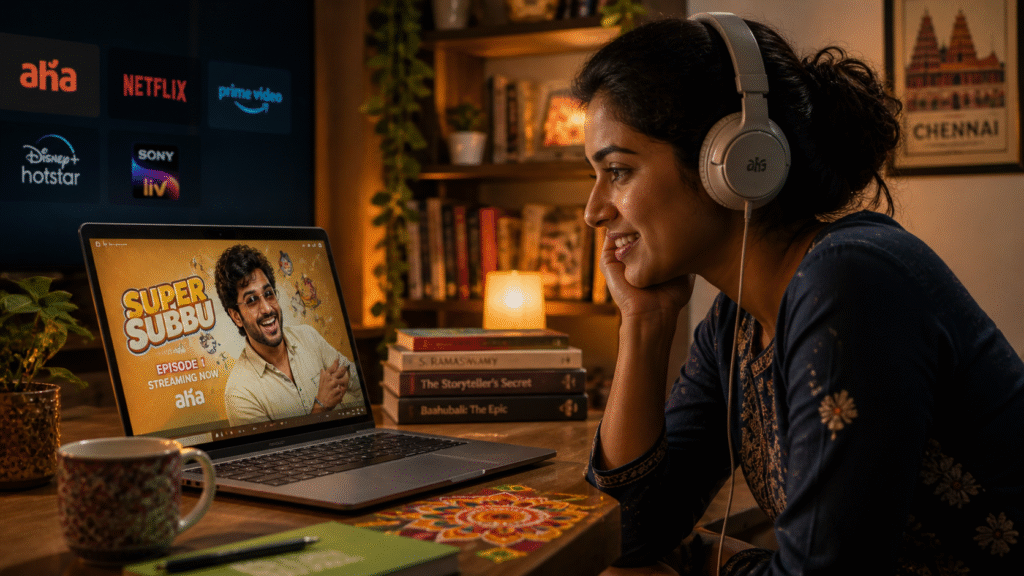
Telugu series shine with high production values and relatable characters. Netflix’s first Telugu original Super Subbu (2026), starring Sundeep Kishan, is a laugh-out-loud comedy about a teacher thrust into sex education in a conservative village. It balances humor, awkward social commentary, and heart—something Hindi comedies sometimes overdo with slapstick. Other hits like Mayasabha on Sony LIV and new 2026 releases on Aha (think Aa Gang Repu or family dramas like Maa Inti Katha) show Telugu’s strength in ensemble casts and emotional depth.
Tamil powerhouses such as Kuttram Purindhavan, Heart Beat, Om Kali Jai Kali, and Kaattaan (featuring Vijay Sethupathi) deliver gripping revenge thrillers and medical dramas with layered performances. These shows don’t rely on big stars alone; they build worlds where ordinary people face extraordinary moral dilemmas. The storytelling is tighter, pacing sharper, and cultural references richer—evoking that “this could be my neighbor” feeling.
The Big Debate: Why Telugu and Tamil Outperform Hindi Content
Here’s where it gets juicy. Experts and viewers don’t always agree, but data leans South. Pros for regional originals:
- Authentic Storytelling and Emotional Resonance: South creators draw from lived experiences. A Tamil series might explore caste dynamics in rural Tamil Nadu with subtlety that feels revolutionary, while Hindi often glosses over such realities for mass appeal.
- Creative Risk-Taking: Less interference means bolder plots. Telugu action-dramas blend mythology with modern tech (like fantasy elements in recent hits), creating binge-worthy spectacles.
- Viewer Engagement and Pan-India Reach: Dubbed versions and subtitles make them accessible. Films/series like Youth (Tamil rom-com) or Telugu theatrical-to-OTT hits like Ustaad Bhagat Singh have topped Netflix non-English charts in 2026, racking up millions of views. Regional content drives higher watch time in smaller cities.
- Affordable, Targeted Platforms: Aha’s low-cost model (under ₹100/month bundles) and Sun NXT’s focus on South languages build loyal subscriber bases.
But it’s not all smooth sailing. Cons include initial language barriers for North Indian audiences (though dubs help) and uneven production quality in some smaller shows. Hindi still leads in sheer volume and marketing muscle—think star-studded casts like those in Citadel spin-offs. Yet many argue Hindi has become “safe” and repetitive, chasing trends instead of innovating.
The Indian twist adds flavor: our culture of joint families, festival celebrations, and multi-generational conflicts finds perfect expression in South narratives. A Telugu family drama during Sankranti feels like watching your own relatives on screen—complete with emotional highs, food fights, and life lessons.
Real Stories: Triumphs from Viewers Across India
Let’s hear from the people living it. Meera, 27, from Mumbai, switched after Suzhal: “Hindi shows felt like fast food. South ones are home-cooked meals—satisfying and memorable.” She’s now a regular on Aha, discovering Telugu comedies that her family watches together.
Rahul, 31, from Hyderabad, laughs about recommending Super Subbu to his North Indian colleagues: “They started with subtitles and ended up learning Telugu phrases!” Riya, a 25-year-old student in Kolkata, shares how Tamil thrillers helped her unwind during exams: “The strong female leads and clever writing beat any Hindi web series fatigue.”
These tales prove one thing: IF isn’t a magic wand—no, wait, this boom isn’t luck. It’s how you wield authentic stories that matters.
Safe Ways to Dive In: Tips for Viewers
Thinking of exploring this regional goldmine? Here’s how:
- Start Small: Begin with popular crossovers like Suzhal or Super Subbu on mainstream platforms.
- Choose Platforms Wisely: Aha for pure Telugu vibes, Sun NXT for Tamil/Telugu mix, Netflix/Prime for dubbed pan-India access.
- Use Subtitles/Dubs Smartly: Most apps offer high-quality options—don’t let language deter you.
- Track Recommendations: Follow regional playlists or social media buzz for 2026 releases like new seasons or originals.
- Pair with Cultural Context: Watch during festivals for extra resonance (e.g., a family drama during Pongal).
- Balance Your Binge: Mix genres to avoid burnout—thriller one weekend, comedy the next.
Desi OTT Hacks: Maximizing Your Regional Experience
What you “consume” in your viewing window makes all the difference. Curate like a thali: pair a gripping Tamil thriller with a light Telugu rom-com. Avoid mindless scrolling—set theme nights (crime Fridays, family Sundays). Hydrate your mind with variety, and discuss episodes with friends for deeper connections. Steer clear of repetitive Hindi loops; nourish yourself with fresh South narratives instead.
Wrapping It Up: To Binge South or Stick to Hindi?
Does the regional OTT boom mean Hindi is done? Not at all—it’s not black-and-white. For many, Telugu and Tamil originals are game-changers: fresher plots, deeper emotions, and stories that feel truly Indian. For others, Hindi remains comfort food. The difference lies in how platforms and creators adapt—slowly, smartly, and with audience-first thinking.
If South originals tempt you, dip your toes in. Start with a hit like Suzhal or Super Subbu, watch your family’s reactions, and lean into the cultural richness. India’s entertainment is a marathon of diverse voices, and you’re tougher (and luckier) for having more choices. What’s your take? Binge-watched any Telugu or Tamil gems in 2026? Drop your favorite show or story below—let’s swap notes, celebrate the South surge, and keep the conversation going. Who knows? Your recommendation might just spark the next big pan-India obsession!

You May Like This
1



Advertisement

You May Like This








Advertisement
Advertisement
Advertisement