

Advertisement
- Updated on May 12, 2026
- IST 3:36 am
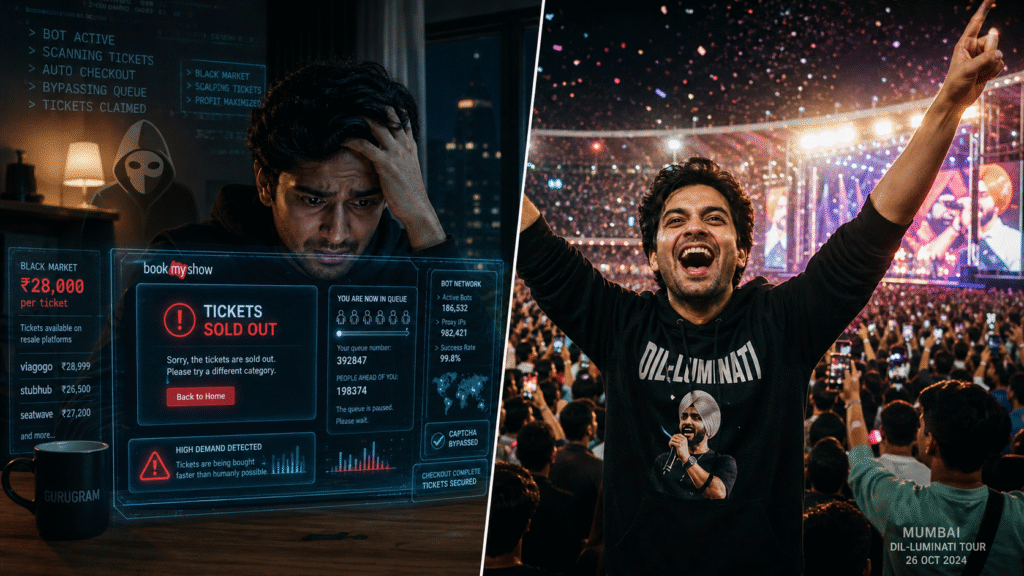
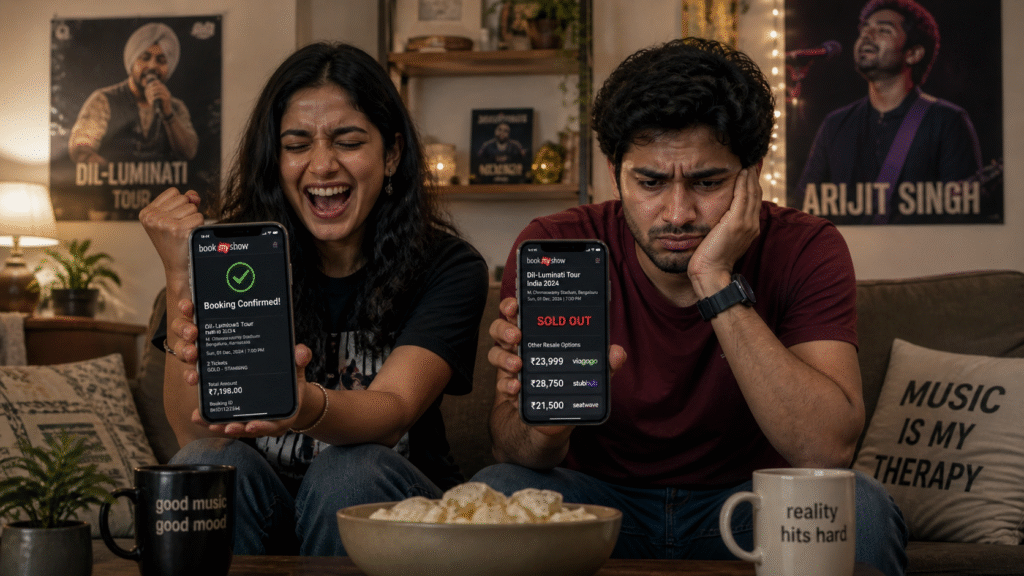
Imagine this: Rahul, a 27-year-old software engineer from Delhi, had been counting down the days for months. Diljit Dosanjh’s Dil-Luminati Tour was finally hitting his city. He refreshed BookMyShow like his life depended on it, credit card ready, fingers hovering over the keyboard. Tickets went live at 10 AM sharp. By 10:02, the page screamed “Sold Out.” Heart sinking, he checked resale sites. The same ₹5,000 ticket he dreamed of? Now listed for ₹45,000. “This isn’t fair,” he muttered, scrolling past shady links promising “guaranteed entry.”
Now picture Neha, 24, a college student in Bangalore. She’d read up on the frenzy around Coldplay’s India shows and prepped like a pro—verified fan registration, official app, payment details saved. She snagged decent seats during the first wave, not because she was luckier, but because she knew the tricks. Six months later, she’s belting out “Yellow” under the stadium lights, while Rahul’s story became another cautionary tale whispered in WhatsApp groups.
The person sitting next to you at the next big concert might have paid 10 times the price—or worse, handed over cash to a bot-powered scalper. Welcome to India’s exploding concert ticket black market, where sophisticated bots and underground resellers are turning live music dreams into expensive nightmares. With demand for Bollywood, Punjabi pop, and international acts like Coldplay skyrocketing, genuine fans are getting locked out while the underground economy rakes in crores.
In this deep dive, we’ll expose how ticket scalping bots work, why the concert ticket black market India is thriving, the real costs to fans and artists, and—most importantly—practical fan tips for buying concert tickets safely. Whether you’re chasing Arijit Singh anthems or global superstars, this guide arms you with the knowledge to beat the system. Let’s pull back the curtain on this digital heist.
Understanding the Concert Ticket Black Market: More Than Just Resale
The ticket black market isn’t new, but it’s evolved into a high-tech operation. Scalpers—once street touts outside venues—now operate like digital syndicates. They buy tickets in bulk the second they drop and flip them at massive markups on platforms like Viagogo, StubHub clones, or shady Telegram channels.
In India, the boom in live events post-pandemic has supercharged this. Concerts by Diljit Dosanjh and Coldplay in 2024-2025 became flashpoints. Tickets for Coldplay’s Mumbai shows vanished in minutes on the official partner site, only to flood resale markets at 10-100 times face value—some hitting ₹7 lakh or even $15,000 equivalents. Fans reported site crashes, endless queues, and instant sell-outs that smelled of automation.
Why does it matter? Beyond the money, it kills the joy. Music unites us—families saving for months, friends planning group outings, young fans experiencing their first live show. When bots rob that experience, it’s not just financial; it’s emotional. The black market creates artificial scarcity, driving prices up and leaving loyal fans in the lurch.
How Ticket Scalping Bots Work: The Invisible Army Stealing Your Seats
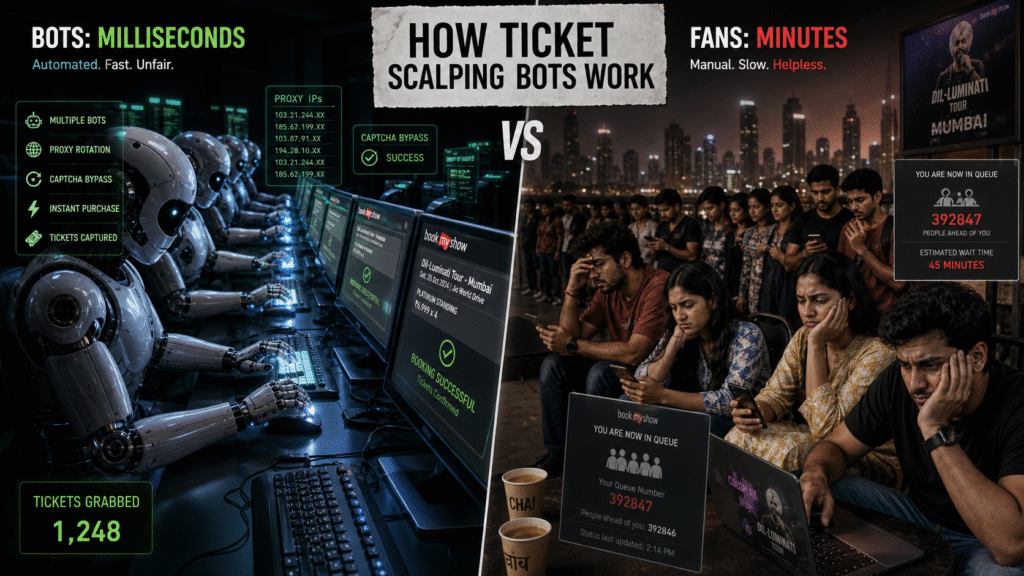
Think of ticket scalping bots as ruthless digital ninjas programmed for one mission: hoard and profit. Unlike humans who type slowly and hesitate, bots execute in milliseconds.
Here’s the playbook:
- Monitoring and Scraping: Bots constantly scan official sites, social media, and even insider leaks for sale times.
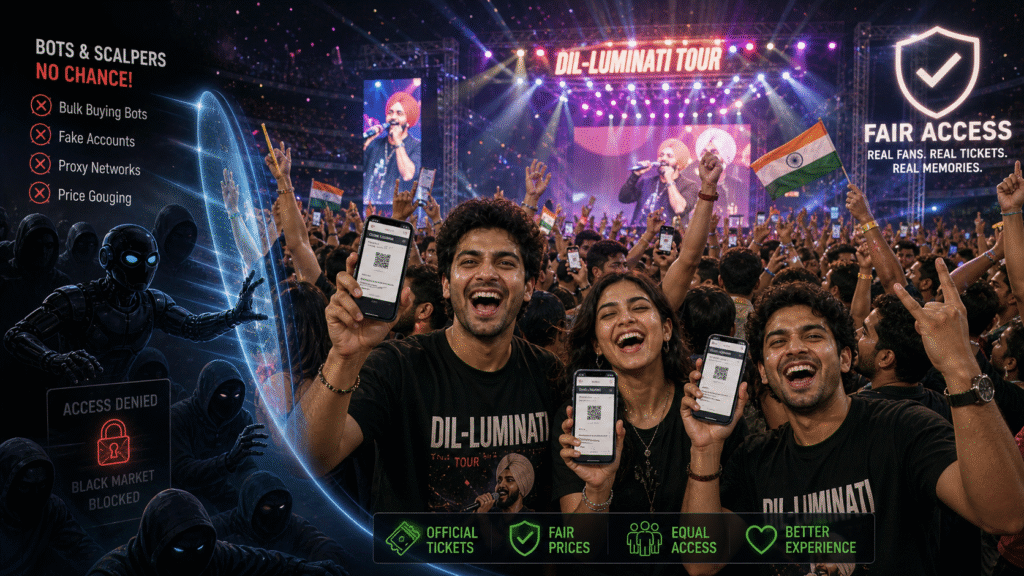
- Account Farming: They create hundreds of fake accounts using stolen or generated data, each with different IP addresses via residential proxies to look “human.”
- Speed Attacks: When tickets go live, bots auto-fill forms, bypass CAPTCHA with AI solvers, and checkout faster than you can blink. One bot can open dozens of browser sessions simultaneously.
- Volume Play: They ignore per-account limits by rotating identities, snapping up 20-25 tickets per person in seconds.
- Speculative Holding: Some bots “reserve” seats without immediate purchase, flooding queues and creating panic.
Research and real-world reports from Coldplay and Diljit events show bots and organized groups grabbed thousands instantly. Platforms like BookMyShow faced allegations of vulnerabilities, leading to police summons and public outrage. Advanced bots now use machine learning to mimic human behavior, dodging basic defenses.
It’s like a video game where scalpers have cheat codes and fans are stuck on beginner mode. The result? Genuine fans see “Sold Out” while bots feed the resale frenzy.
The Big Debate: Does the Black Market Hurt or (Somehow) Help?
Let’s explore multiple angles fairly. On one side, critics—including frustrated fans and artists like Diljit Dosanjh himself—call it outright exploitation. Artists pour heart and soul into tours; scalpers pocket the upside without contributing. Fans miss out, leading to empty seats or diluted atmospheres. Fake tickets add another layer of betrayal—many resale buys turn out invalid at entry.
Economically, it distorts the market. High resale prices signal massive demand, but artists and organizers rarely see that extra revenue. In India’s booming concert tourism scene, this could scare away international acts wary of fan backlash.
Yet some perspectives argue resale has a place. Life happens—people get sick, plans change. A controlled secondary market could offer flexibility. In theory, dynamic pricing or official resale platforms (like some global artists use) could balance supply. However, in practice, India’s gray legal area lets unchecked bots dominate.
Maharashtra’s recent crackdown—name-linked ticketing, ID checks at entry, and reporting suspicious bulk buys—shows authorities recognizing the issue. But without nationwide rules, the underground economy persists. Balanced view: A fair resale system might help, but bot-driven black marketing clearly robs fans and harms the industry’s growth.
The Indian Twist: Concert Mania Meets Desi Chaos
Fasting isn’t new to us Indians—it’s practically a family heirloom. Wait, no—concerts are the new festival! From IPL-style frenzy to standalone music events, India’s live scene is exploding. Karva Chauth vibes meet Coldplay lights: families, college squads, and corporate groups treat concerts like once-in-a-lifetime desi celebrations.
But our high-demand culture—Bollywood stars, Punjabi icons like Diljit, and global tours—makes us prime targets. Traffic jams, last-minute plans, and word-of-mouth hype amplify FOMO. Add cash-on-delivery resale scams and unverified WhatsApp groups, and the risks multiply for young fans aged 15-45 who form the core audience.
Everyday “desi hacks” like group bookings get weaponized by scalpers. The result? A cultural passion turned profit machine. Yet it also sparks innovation—fans sharing survival tips in Reddit threads and Instagram Reels.
Real Stories: Triumphs, Heartbreaks, and Lessons from the Trenches
Meera, 29, from Mumbai, queued for hours during Coldplay sales. “I had my Aadhaar ready, payment linked. Site crashed twice. Next day, same tickets were ₹3 lakh on shady sites.” She skipped the show, vowing never again.
Rohan, 22, Bangalore, beat the system for a Diljit concert. “I joined the verified fan list early, used mobile data for better queues, and grabbed tickets in the first minute. Best night ever—no regrets.”
These aren’t isolated. Thousands shared similar tales online after major tours. Some lost money on fakes; others bonded over collective frustration. The common thread: preparation separates winners from watchers.
Safe Buying Concert Tickets: Fan Tips to Outsmart Bots and Scalpers
Ready to fight back? Here’s your battle plan for buying concert tickets safely in India:
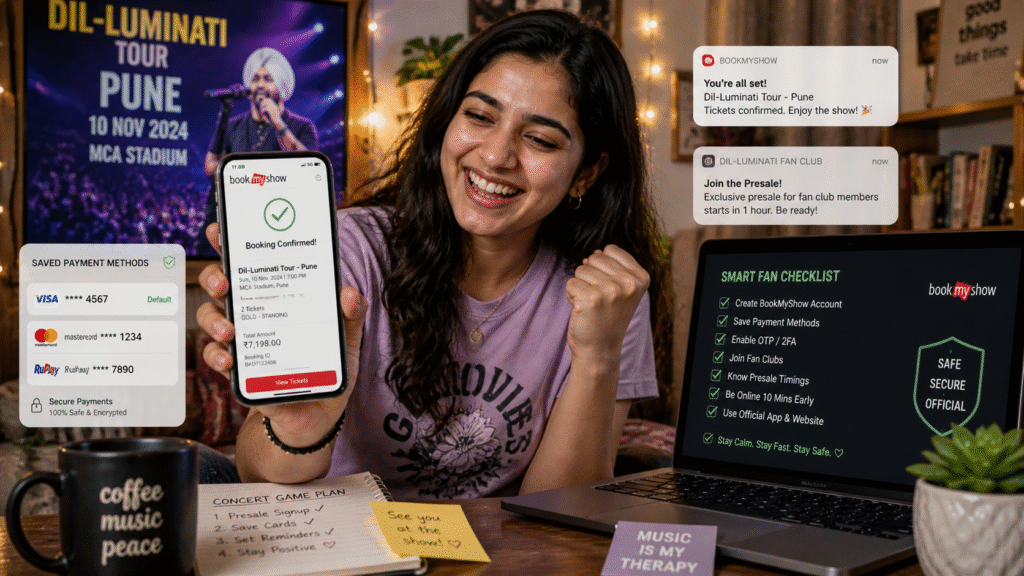
- Stick to Official Channels: Only use authorized platforms like BookMyShow. Ignore random links or “cheaper” offers.
- Prep Like a Pro: Create accounts days ahead. Save payment details, enable notifications, and join artist fan clubs for presales.
- Timing is Everything: Be online 10-15 minutes early. Use a strong Wi-Fi or mobile data mix. Avoid peak hours if possible.
- Spot Red Flags: If it’s too cheap or too expensive on resale, walk away. Demand name-linked tickets or non-transferable options where available.
- Verify Everything: Check seller ratings on any resale (if official). Test entry policies—many events now scan IDs.
- Tools and Tricks: Use browser extensions for queue alerts (ethically), multiple devices carefully, and apps with built-in anti-bot queues.
- Report and Rally: Flag suspicious activity to platforms and cyber police. Join fan communities for real-time intel.
- Budget Smart: Set your max and walk if prices spike.
Hydrate, stay calm, and treat it like a mission. Small steps like these have helped thousands secure fair tickets.
Desi Solutions: What Organisers, Platforms, and Fans Can Do Together
Platforms can deploy better CAPTCHA, virtual waiting rooms, purchase limits (2-4 tickets max), and AI bot detection. Verified fan programs and dynamic pricing could level the field.
Governments are stepping up—Maharashtra’s guidelines for high-demand events are a start. Nationwide ID verification and penalties for bulk bot use would help. Artists can push for fair ticketing in contracts.
Fans hold power too: Boycott shady resellers, support ethical organizers, and demand transparency. The concert ticket black market India thrives only because we sometimes feed it out of desperation.
Wrapping It Up: Reclaim Your Concert Experience
The great ticket black market isn’t inevitable. Bots and scalpers thrive on chaos, but informed fans, smarter tech, and stronger rules can turn the tide. Whether it’s your first Diljit mosh pit or a bucket-list Coldplay night, the magic belongs to real fans—not profiteers.
Next time tickets drop, you’ll be ready. Share your concert ticket horror stories or victory tips in the comments—let’s build a community that beats the bots together. Have you faced ticket scalping? Drop your story below and help fellow fans stay one step ahead. Your seat at the next show depends on it!
What’s stopping you from planning your next concert safely? Tag a friend who needs this guide and let’s make live music fair again.
You May Like This
1



Advertisement
You May Like This







Advertisement
Advertisement
Advertisement