

Advertisement

- Updated on May 12, 2026
- IST 11:50 am
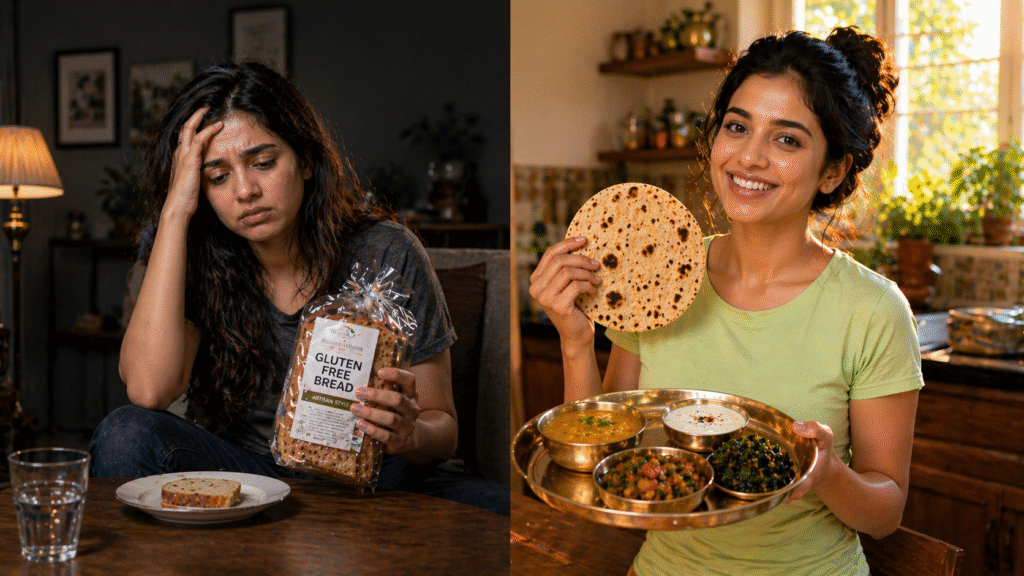
Imagine this: Neha, a 27-year-old marketing executive from Gurugram, scrolls through Instagram one evening and sees a glowing influencer declaring, “Gluten is poison—ditch the roti and watch your bloating vanish!” Convinced her occasional tiredness and stubborn belly fat are from wheat, Neha swaps her daily chapatis for expensive gluten-free breads, rice cakes, and almond-flour rotis. Three months later, she’s exhausted, her hair is thinning, she’s constipated, and her energy crashes by 4 pm. “I followed the trend to feel better, but I’ve never been sicker,” she confides to her sister over a hurried chai.
Now, picture Arjun, 34, a software engineer from Bengaluru. He sticks to his mother’s traditional thali—fresh phulkas, dal, sabzi, and a bowl of curd. No fancy diets, just balanced home-cooked meals with the occasional paratha on weekends. At his annual check-up, his doctor praises his iron levels, steady energy, and healthy gut. “I tried gluten-free once for a week—felt weak and cranky. My body thrives on real Indian wheat,” he laughs.
So, what’s the truth? With only about 1% of Indians actually having celiac disease, why have nearly 40% of urban youth jumped on the gluten-free bandwagon? Is this trend a smart health upgrade or a viral health misinformation trap that’s quietly damaging guts, draining nutrients, and making perfectly healthy people sick? In this blog, we’ll unpack the science, the scams, the desi realities, and the real-life stories of Indians caught in the gluten-free frenzy. Plus, we’ll share practical tips to protect your health without ditching your roti. Let’s separate fact from fad—together.
Understanding Gluten and Celiac Disease: Not the Villain You Think
First, let’s clear the air on what gluten actually is. Gluten is a natural protein found in wheat, barley, and rye. It gives dough its stretchy, chewy texture—think of it as the glue that holds your fluffy phulka together. For most people, it’s harmless and even nutritious when eaten as part of whole grains.
Celiac disease, on the other hand, is an autoimmune condition where gluten triggers the immune system to attack the small intestine. Symptoms include severe digestive issues, fatigue, and nutrient malabsorption. In India, it affects roughly 1% of the population—higher in northern states (around 1.23%) and much lower in the south (as low as 0.1%). That means the vast majority of us don’t have it. Yet influencers and wellness pages keep screaming “gluten-free for everyone!”
There’s also something called non-celiac gluten sensitivity (NCGS), where people report bloating or discomfort after eating wheat—but scientists debate how real or widespread it is for the general population. Many “intolerances” turn out to be reactions to FODMAPs, processed foods, or simply overeating refined carbs, not gluten itself.
The gluten-free movement exploded globally and hit India hard around 2020–2026, fueled by fitness apps, celebrity endorsements, and viral reels promising flat tummies and glowing skin. But here’s the twist: for the 99% without celiac disease, going gluten-free isn’t just unnecessary—it can backfire spectacularly.
The Gluten-Free Craze in Urban India: How a Fad Became a Rs. 1,000-Crore Market
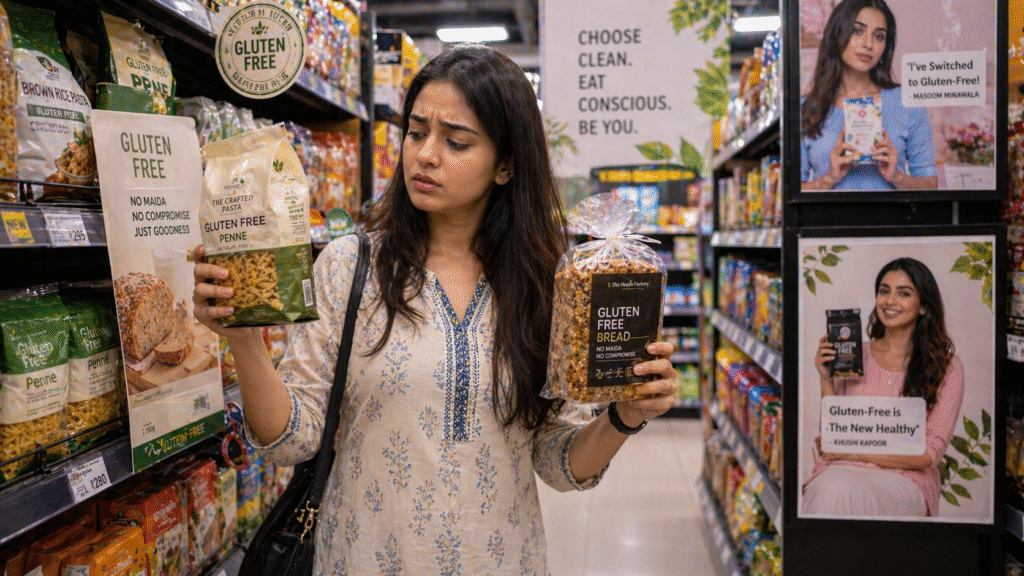
Walk into any supermarket in Mumbai, Delhi, or Hyderabad and you’ll spot gluten-free aisles bursting with pricey breads, cookies, pastas, and even “healthy” snacks. The Indian gluten-free market has skyrocketed, driven by urban youth aged 15–35 who follow international trends on TikTok and YouTube. “Gluten-free India myth” searches have surged, with hashtags like #GlutenFreeLife racking up millions of views.
Why the appeal? Many blame modern wheat hybrids for “wheat intolerance truth”—claiming they cause inflammation or gut issues. Social media amplifies stories of instant weight loss or clearer skin after ditching roti. But nutritionists are raising red flags. This unnecessary diet trend often replaces nutrient-dense whole wheat with ultra-processed gluten-free alternatives loaded with rice flour, starches, gums, and extra sugars to mimic texture. Result? Higher calories, lower fiber, and a lighter wallet.
The Big Debate: Does Going Gluten-Free Help or Hurt Healthy Indians?
Let’s break it down fairly—the pros, the cons, and the science.
The Pros: When Gluten-Free Actually Makes Sense
For the small percentage with confirmed celiac disease or genuine sensitivity, it’s life-changing. Eliminating gluten heals the gut lining, reduces inflammation, and restores nutrient absorption. Some people with autoimmune conditions or IBS report relief. In rare cases, a short-term elimination diet helps identify triggers.
The Cons: Why the Fad Diet Dangers Are Real and Widespread
For everyone else, the risks pile up fast:
- Nutrient Deficiencies: Whole wheat roti is packed with fiber, B vitamins (thiamine, folate), iron, magnesium, and antioxidants. Ditching it without smart swaps often leads to low fiber (causing constipation and poor gut health), iron deficiency (common in Indian women already), and B-vitamin shortages linked to fatigue and mood dips.
- Gut Microbiome Damage: Fiber from wheat feeds beneficial bacteria. Removing it starves them, potentially worsening digestion long-term.
- Weight Gain and Blood Sugar Spikes: Many gluten-free products are higher in refined carbs and sugars to compensate for taste. Studies show unnecessary gluten-free eaters often gain weight or struggle with energy crashes.
- Social and Financial Stress: Avoiding wheat in Indian households means separate cooking, higher grocery bills (gluten-free items cost 2–3x more), and missing out on family meals.
- Viral Health Misinformation: Influencers push “gluten-free scam 2026” narratives without evidence, ignoring that traditional Indian wheat has been a staple for centuries with proven benefits for sustained energy and heart health.
Research from Indian nutrition bodies and global reviews consistently shows: healthy people see no benefit—and often harm—from cutting gluten. One perspective argues modern farming changed wheat; another counters that lifestyle factors (stress, processed junk, lack of exercise) are the real culprits behind “urban Indian diet mistakes.”
The Indian Twist: Why Your Roti Is NOT the Enemy
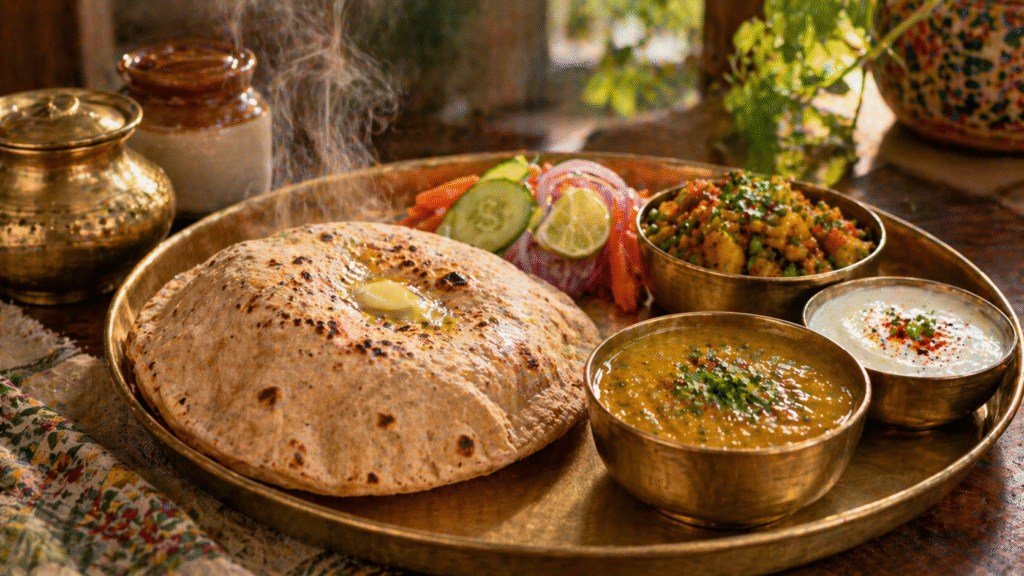
Fasting or extreme diets might feel modern, but gluten-free feels even more alien in India. Wheat has been central to our plates since ancient times—rotis, parathas, puris, and even sweets. A simple whole-wheat roti delivers complex carbs for steady energy, soluble fiber for cholesterol control, and minerals that combat the very deficiencies many urban Indians face (anemia, PCOD symptoms, low immunity).
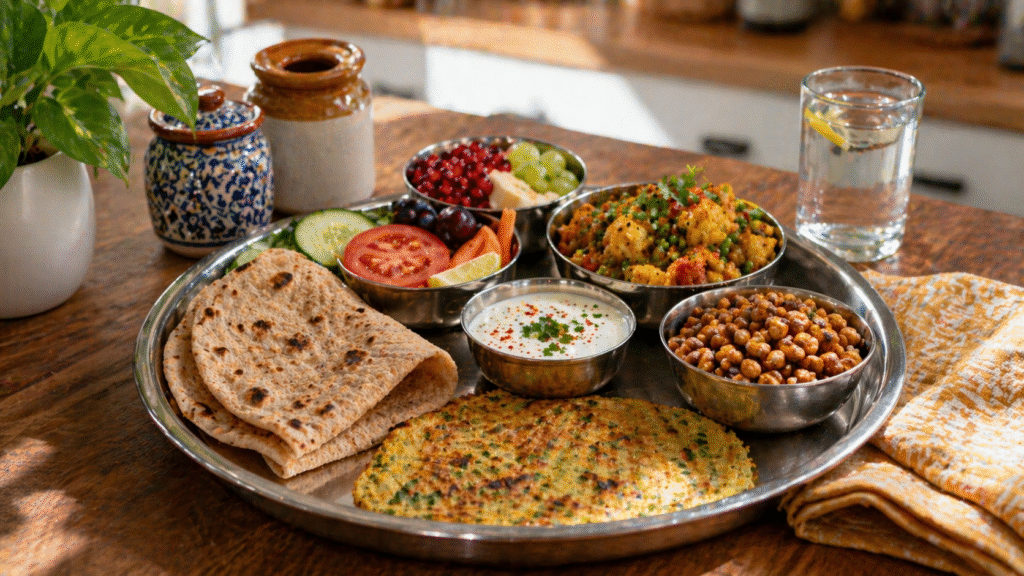
Our desi diet leans on wheat paired with dal, veggies, and spices— a perfect balance that modern gluten-free versions rarely match. Think about it: that hot phulka with ghee and sabzi isn’t just comfort food; it’s a nutritional powerhouse. The “Indian wheat health” story is strong—studies link whole-grain wheat consumption to better digestion, lower diabetes risk, and sustained satiety, especially when combined with our traditional spices like turmeric and cumin that aid gut health.
The real issue? Refined maida and over-processed bakery items, not the humble atta from your local chakki. Many who blame gluten are actually reacting to additives, pesticides, or simply eating too much without balancing meals.
Real Stories: Triumphs and Tumbles from Indian Kitchens
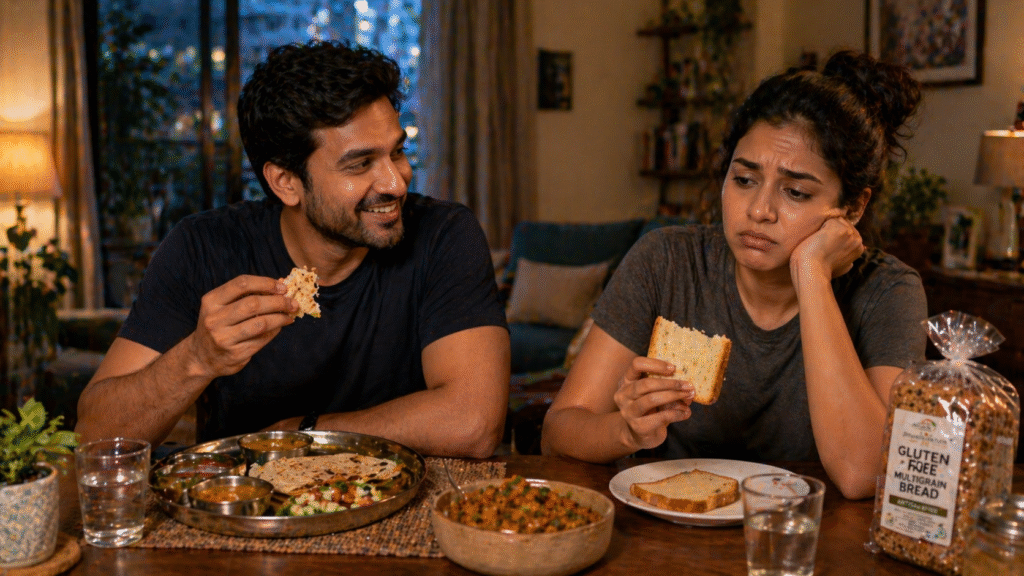
Neha’s story (from the intro) is common. After months of fatigue and doctor visits revealing low ferritin and B12, she reintroduced wheat gradually under guidance. “My energy came back within weeks. I feel like myself again,” she shares.
Then there’s Priya, 29, from Pune: Diagnosed with celiac after severe symptoms, she thrives on certified gluten-free options and careful label reading. “It saved my life—but I wish people wouldn’t jump on the bandwagon without testing.”
Arjun (our second story) represents the majority: “I tried gluten-free for fitness goals. Felt bloated and weak. Back to rotis and I’m stronger than ever.” These tales prove one thing: gluten-free isn’t universally good or bad—it’s personal, and for most healthy Indians, the fad is making things worse.
How to Know If You Really Need to Go Gluten-Free
Don’t self-diagnose from a reel.
- Get Tested: Blood tests for tTG-IgA and a biopsy (if needed) confirm celiac.
- Track Symptoms Honestly: Keep a food diary—note if issues persist with other foods too.
- Consult Experts: See a gastroenterologist or registered dietitian, not just influencers.
- Trial Smartly: If suspecting sensitivity, eliminate under professional supervision for 4–6 weeks, then reintroduce.
- Focus on Overall Diet: Stress, sleep, and exercise often fix “gluten issues” better than any diet.
Desi Diet Hacks: Eating Smart Without the Gluten-Free Hype
You don’t need fancy products to stay healthy.
- Breakfast: Besan cheela or moong dal chilla with veggies—naturally gluten-free and protein-rich, or classic whole-wheat paratha with curd.
- Lunch: Multigrain roti (wheat + millets) with dal, seasonal sabzi, and salad.
- Snack: Roasted chana, fruit with nuts, or homemade thepla.
- Dinner: Light khichdi with ghee or grilled paneer and roti.
Choose stone-ground atta, pair with probiotics (curd, pickles), and stay active. If you must reduce wheat, opt for millets, quinoa, or brown rice—but balance them properly. Nourish your body like your grandmother did: fresh, seasonal, and whole.
Wrapping It Up: Ditch the Fad, Embrace the Tradition
So, is the gluten-free trend in India helping or quietly making healthy people sick? For the tiny fraction with celiac disease, it’s essential. For the rest—especially urban youth chasing viral health misinformation—it’s often an unnecessary diet trend causing nutrient gaps, gut issues, and frustration. Your roti isn’t the enemy; it’s a trusted friend when eaten mindfully as part of a balanced Indian plate.
If you’re feeling off, don’t blame wheat first—get tested, tweak lifestyle, and choose real food over packaged “health” hacks. Your body, your wallet, and your family meals will thank you. What’s your experience? Went gluten-free and regretted it—or stuck with desi staples and thrived? Drop your story in the comments below. Let’s cut through the noise, support each other, and celebrate the wisdom of our traditional plates. Share this with anyone chasing the next diet trend—knowledge is the real superfood!
You May Like This
1



Advertisement

You May Like This






Advertisement
Advertisement
Advertisement