

Advertisement

- Updated on May 12, 2026
- IST 3:49 am
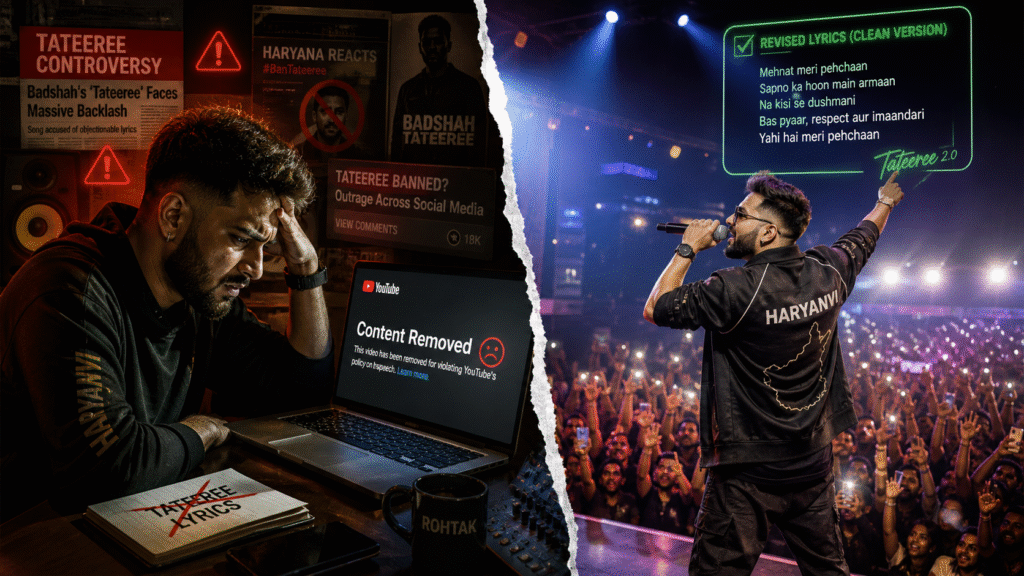
Imagine this: Arjun, a 26-year-old aspiring Haryanvi rapper from Rohtak, had just dropped his debut track on YouTube in early March 2026. It was raw, energetic, full of street swagger and those punchy double entendres that had helped him rack up 500,000 views in days. Then Badshah’s “Tateeree” exploded—and imploded. Within weeks, platforms started flagging similar lyrics, labels pulled Arjun’s song overnight, and sponsors ghosted him. “I thought I was keeping it real like the greats,” he told a friend over chai, voice cracking. “Now I’m scared to even write a hook.” His dreams of a music career? On pause, maybe forever.
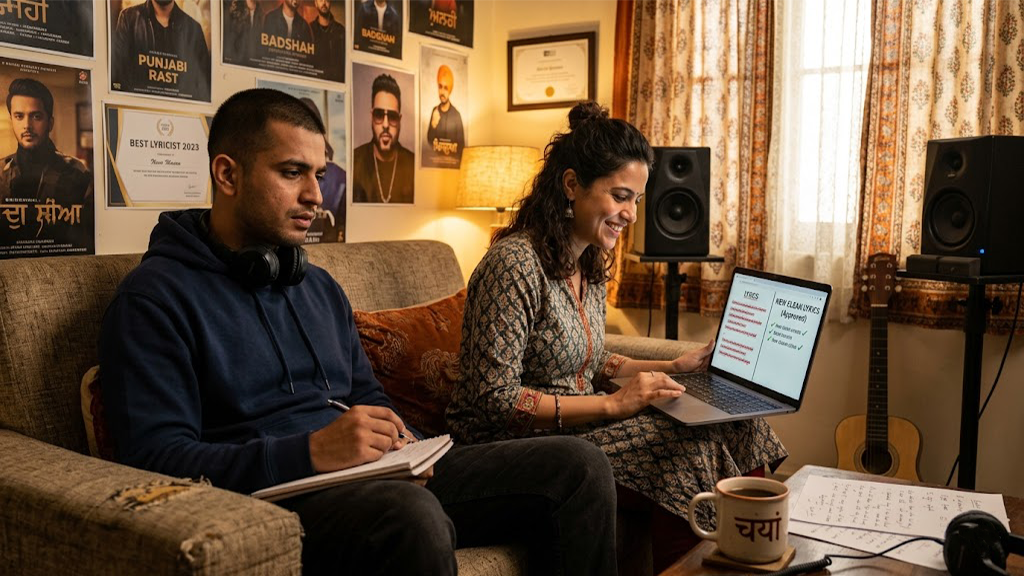
Now picture Priya, 31, a seasoned lyricist in Mumbai who works with major Punjabi and Bollywood artists. She was midway through a high-profile project when the Tateeree storm hit. Instead of panicking, she called her team for an emergency rewrite session. They toned down the suggestive lines, leaned into clever wordplay and emotional depth, and the track not only survived—it went viral for all the right reasons. Six weeks later, it’s climbing charts, and Priya’s inbox is flooded with offers. “One controversy taught us we can still create fire without burning bridges,” she says with a quiet smile.
So, what’s the truth? Was Badshah’s “Tateeree”—released on March 1, 2026, featuring vocalist Simran Jaglan—a bold Haryanvi-Hindi banger that got unfairly targeted, or a wake-up call for an industry drowning in provocation? With lyrics like “Aaya Badshah doli chadhaane, in sabki ghodi banaane” and visuals of school-uniformed girls sparking outrage over misogyny and the sexualisation of minors, the song was pulled from platforms amid FIRs, women’s commission summons, and nationwide backlash. In this blog, we’ll unpack the mechanics of the controversy, the chilling ripple effect it’s having on songwriters and labels, real-life stories from the trenches, and practical ways artists can thrive in this new era. Plus, we’ll explore whether this is protecting our youth or quietly silencing creativity in Indian music. Let’s dive in and figure this out together.
Understanding the Tateeree Controversy: A Lyrical Earthquake
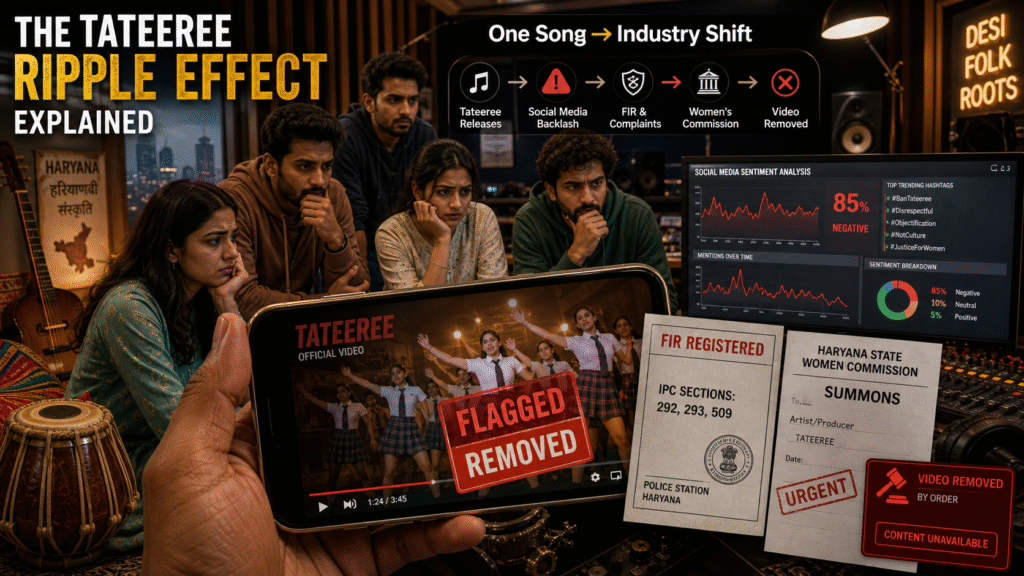
First, let’s rewind to March 1, 2026. Badshah, the chart-topping rapper known for his Haryanvi roots and massive following, dropped “Tateeree”—a high-energy track blending folk beats with modern hip-hop. It was meant to celebrate regional swagger and go viral. Instead, it lit a fuse. Critics zeroed in on suggestive lyrics and the music video’s imagery: young girls in school uniforms dancing in ways many called inappropriate, especially for impressionable audiences. Women’s groups, parents, and Haryana locals cried foul, filing complaints under laws addressing indecent representation.
The Haryana State Commission for Women and National Commission for Women got involved fast. Police registered FIRs, summons flew, and Badshah faced a potential arrest notice. He responded with a heartfelt public apology, emphasising his pride in Haryana and clarifying that competitive rap wordplay was never meant to disrespect women or children. He pulled the original song, and later dropped a revised version, “Tateeree Phir Se,” with the objectionable parts scrubbed. But the damage—and the conversation—had already spread like wildfire across social media, news outlets, and industry WhatsApp groups.
This wasn’t just one song’s downfall. It exposed deeper fault lines in India’s booming music scene, where algorithm-driven virality often rewards shock value over substance. With billions of streams on platforms like YouTube and Spotify, the stakes are sky-high. One misstep, and careers can unravel overnight.
The Tateeree Ripple Effect Explained: From One Track to Industry-Wide Caution
Unlike past controversies that fizzled out, “Tateeree” created a domino effect. Labels suddenly demanded lyric audits before greenlighting releases. Songwriters report getting notes like “tone down the double meanings” or “avoid anything that could be misread as objectifying.” Platforms tightened content moderation, and artists began self-censoring to avoid the legal and reputational heat.
Think of it like a seesaw that finally tipped: on one side, creative freedom and the raw energy of Punjabi and Haryanvi folk traditions that have always used bold, competitive language. On the other, growing societal pushback from parents, women’s rights groups, and a new generation demanding respectful representation. The result? A quiet but profound shift in how hits are written in 2026.
This ripple has touched everyone—from underground rappers to Bollywood music directors. Similar scrutiny hit other tracks, echoing earlier rows like Nora Fatehi’s “Sarke Chunar” or Honey Singh’s past controversies. The message is clear: provocation for clicks now comes with real consequences.
The Big Debate: Creative Freedom vs Social Accountability
Here’s where it gets juicy—artists, producers, fans, and critics don’t agree. Let’s break it down fairly, with multiple perspectives.
The Case for Accountability: Why the Backlash Matters
- Protecting Youth and Culture: In a country where family values run deep, songs reaching millions of teens can shape mindsets. Critics argue that normalising objectification or suggestive content around minors harms society, especially in Haryana and Punjab where cultural pride is strong. Women’s commissions highlighted how such lyrics reinforce harmful stereotypes.
- Industry Responsibility: Labels and artists wield massive influence. With music consumption exploding among 15-45-year-olds, accountability ensures the industry grows ethically. Badshah’s own revised version shows adaptation can work without killing the vibe.
- Long-Term Benefits: Cleaner, more thoughtful lyrics could attract global audiences and premium brand deals, elevating Indian music beyond viral gimmicks.
Sona Mohapatra and other voices publicly called out the need for change, saying it’s time to move past outdated tropes.
The Case Against Over-Censorship: The Chilling Effect on Creativity
- Stifling Artistic Expression: Hip-hop and folk roots thrive on raw storytelling and wordplay. Forcing every line through a “safe” filter risks bland, formulaic music. Some rappers like Santy Sharma defended the genre’s competitive style, arguing context matters.
- Selective Outrage: Why this song when similar content existed before? Critics of the backlash point to double standards—plenty of older tracks got a pass. It could discourage risk-taking and innovation.
- Economic Impact: Self-censorship slows releases, hurts independent artists, and might push talent underground or abroad. Fans miss out on the edgy, authentic sounds that made Indian pop global.
Balanced view: Freedom isn’t absolute, but heavy-handed reactions risk turning music into a minefield. The sweet spot lies in thoughtful creation that respects audiences without losing soul.
The Indian Twist: Haryanvi Pride Meets Modern Music Mania
Folk traditions like Haryanvi and Punjabi music have always been vibrant and unfiltered—think saucy wedding songs or competitive rap battles at village fairs. But in 2026, with smartphones in every hand and virality dictating success, the old rules clash with new sensitivities. Families in small towns watch the same content as urban youth. A track meant to celebrate “desi swag” can quickly be seen as disrespectful when it hits the wrong notes.
Our love for music as emotional release—whether it’s blasting tracks during road trips or at family functions—makes this personal. Yet the Tateeree saga shows how social media amplifies voices from all sides, turning one release into a national conversation. The positive? It’s forcing creators to root their work in real cultural pride without crossing lines that alienate the very audience they serve.
Real Stories: Triumphs, Tumbles, and Lessons from the Frontlines
Let’s hear from those living it.
- Vikram, 28, Chandigarh: A producer who worked on several Punjabi singles pre-Tateeree. Two of his projects got stalled for “risky” lines. “We rewrote everything twice. Lost time, but the final tracks feel stronger—more layered.” He’s now booking more studio time than ever.
- Meena, 24, Delhi: An independent female rapper who paused her edgy style after seeing the fallout. She pivoted to empowerment anthems with clever metaphors. “My streams doubled because people connected emotionally, not just to shock value,” she shares proudly.
- Rahul, 35, Mumbai Producer: He lost a big collaboration when the artist refused changes. “It hurt short-term, but it made me realise sustainable success means thinking ahead.”
These tales prove one thing: the Tateeree effect isn’t a death sentence for creativity—it’s a pivot point. How you adapt determines whether you sink or soar.
Navigating the New Landscape: Practical Tips for Artists and Songwriters
Thinking of dropping your next track? Here’s how to stay authentic while dodging the ripple:
- Know Your Audience: Test lyrics with diverse focus groups—friends, family, online communities—before release.
- Layer Your Wordplay: Use clever metaphors and storytelling instead of direct double entendres. Depth wins over cheap thrills.
- Collaborate Early: Involve sensitivity readers or cultural consultants, especially for regional folk fusions.
- Document Intent: Have a clear artist statement ready. Transparency builds trust.
- Build Community: Engage fans positively on socials. Strong relationships weather controversies.
- Stay Updated: Follow platform guidelines and legal trends. Quick adaptation is key.
- Prioritise Mental Health: The pressure is real—lean on mentors and peers.
Small shifts like these keep the fire alive without the burn.

Desi Innovations: Building a Responsible Yet Hit-Making Music Industry
The industry isn’t standing still. Labels are investing in lyric workshops. Platforms are rolling out better AI moderation with human oversight. Artists are experimenting with “clean” versions alongside originals. Some are turning the moment into gold—think songs that celebrate women’s strength or Haryanvi heritage in fresh ways.
Government and industry bodies could formalise guidelines that protect creativity while setting clear boundaries. Fan-driven movements demanding better content are already shifting the needle. The future? Music that feels proudly Indian—bold, emotional, and respectful.
Wrapping It Up: The Future Sound of Indian Music
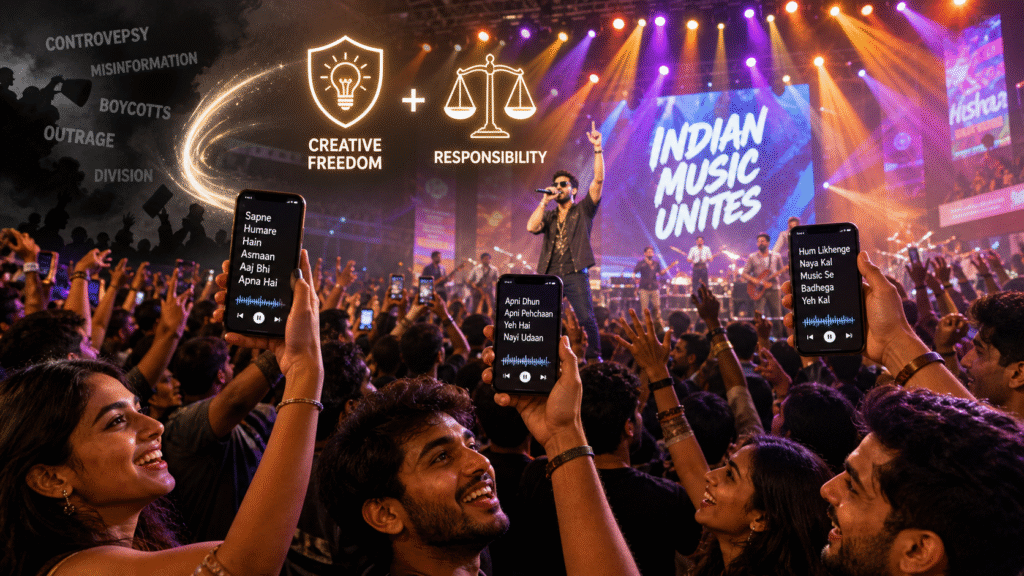
So, has the “Tateeree” ripple effect silenced artists or saved the industry’s soul? It’s not black-and-white. For some, it’s a painful lesson in responsibility that could elevate Indian music globally. For others, it feels like a creative straitjacket. The difference lies in how the ecosystem responds—with fear or with smarter, more inclusive creativity.
If you’re a fan, artist, or just someone who loves a good beat, the power is in your hands (and playlists). Demand music that moves you without compromising values. Support artists who evolve thoughtfully. The Tateeree saga reminds us that one song can change everything—but together, we can shape what comes next.
What’s your take? Has the controversy changed how you listen to or create music? Dropped a track that had to be tweaked? Share your story in the comments—let’s keep the conversation going and build a music scene that truly resonates. Tag a fellow music lover who needs to read this, and let’s make the next big hit one we can all vibe with proudly!
You May Like This
1



Advertisement
You May Like This








Advertisement
Advertisement
Advertisement