

Advertisement

Advertisement

- Updated on May 12, 2026
- IST 7:25 am
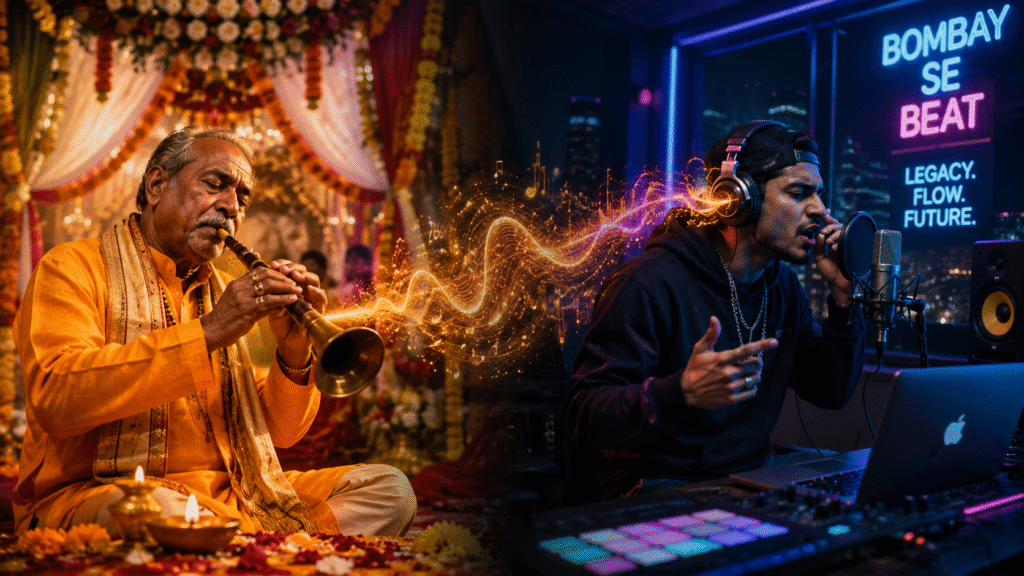
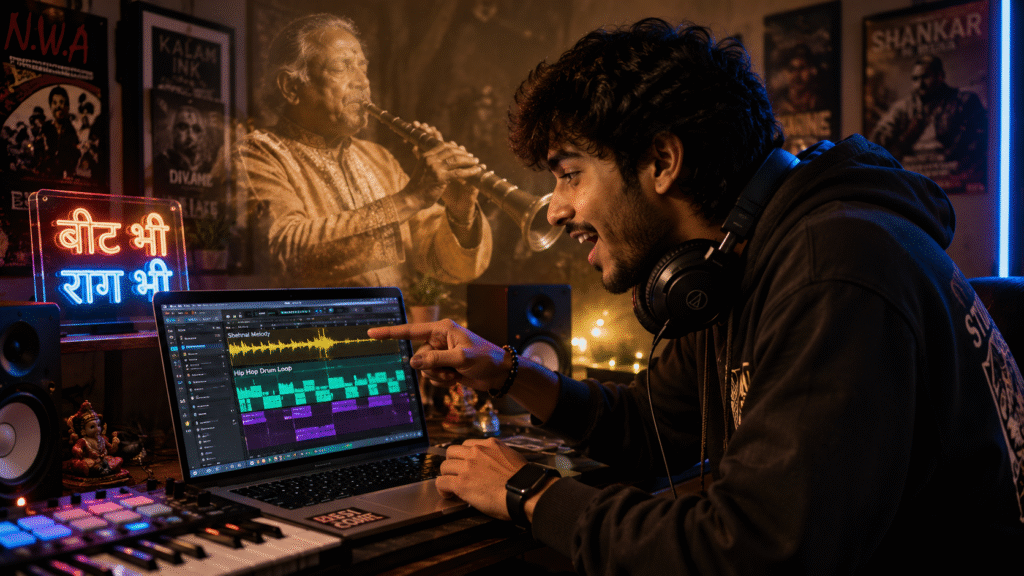
Imagine this: 24-year-old Karan from Mumbai, a street-smart rapper who’s been grinding in tiny Andheri studios for years. He’s dropped bars over heavy trap beats, Punjabi folk loops, even global drill influences—but nothing quite sticks. His tracks get plays, sure, but they feel like everyone else’s. Then one late night, scrolling Instagram Reels, he hears it: that unmistakable, soul-piercing wail of the shehnai slicing through thunderous 808s and crisp hi-hats. His jaw drops. The track? A flip of a viral sample that’s everywhere. Karan fires up his DAW, layers his own aggressive flow over it, and drops it the next day. Within 48 hours, it’s racking up thousands of shares. “Bhai, this is our sound finally hitting different,” he texts his crew, eyes wide with disbelief.
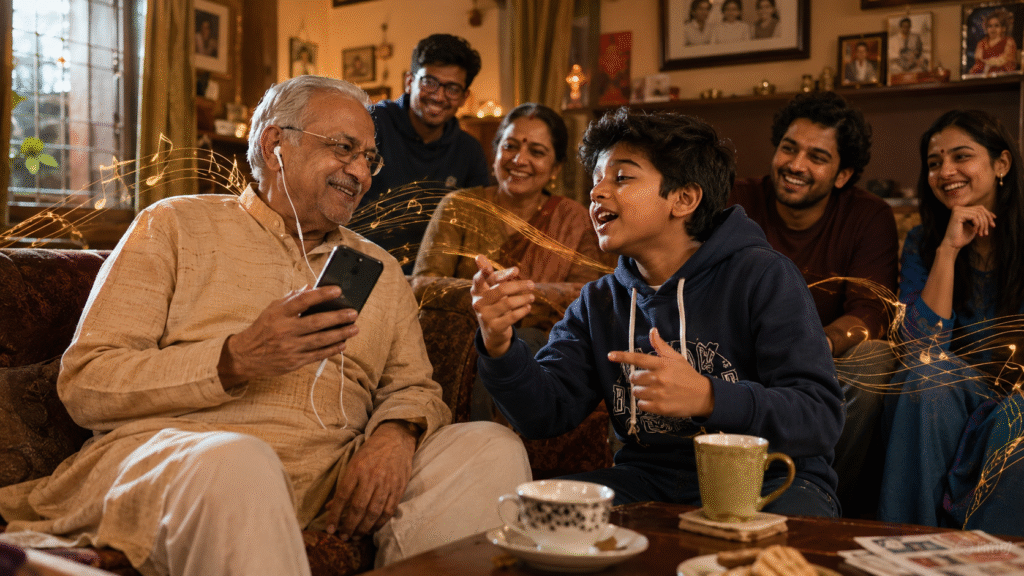
Now picture 58-year-old Ustad Ramesh Mishra, a shehnai maestro from Varanasi whose family has played at weddings, temples, and classical festivals for generations. He’s performed for presidents and pandits alike, his instrument evoking tears at auspicious ceremonies. One evening, his teenage grandson blasts a hip-hop track through the living room speakers. The familiar melody of his beloved shehnai hits him—but twisted, remixed, riding a bass-heavy beat with raw rap verses. At first, he frowns: “Yeh kya tamasha hai?” But as the rhythm builds and the emotion swells, something shifts. He taps his foot, a reluctant smile forming. “Arre wah… purana swar, nayi zubaan mein. Yeh toh zinda ho gaya!”
So, what’s the truth? Is the ‘Shehnai’ remix trend—a wild fusion of ancient classical instruments like the shehnai and sitar with cutting-edge Indian hip hop—just another passing TikTok gimmick, or a genuine cultural revolution that’s redefining the new Indian sound? With producers sampling these timeless instruments and layering them over trap, drill, and boom-bap beats, this movement is bridging generations, sparking debates, and exploding across playlists, reels, and stages. In this deep dive, we’ll explore the origins, the biggest tracks leading the charge, the emotional pull on both traditionalists and Gen Z, real-life stories from the scene, production secrets, and why this fusion feels like the freshest breath of air in Indian music right now. Let’s break it down together.
The Shehnai: From Wedding Melodies to Hip-Hop Heartbeats
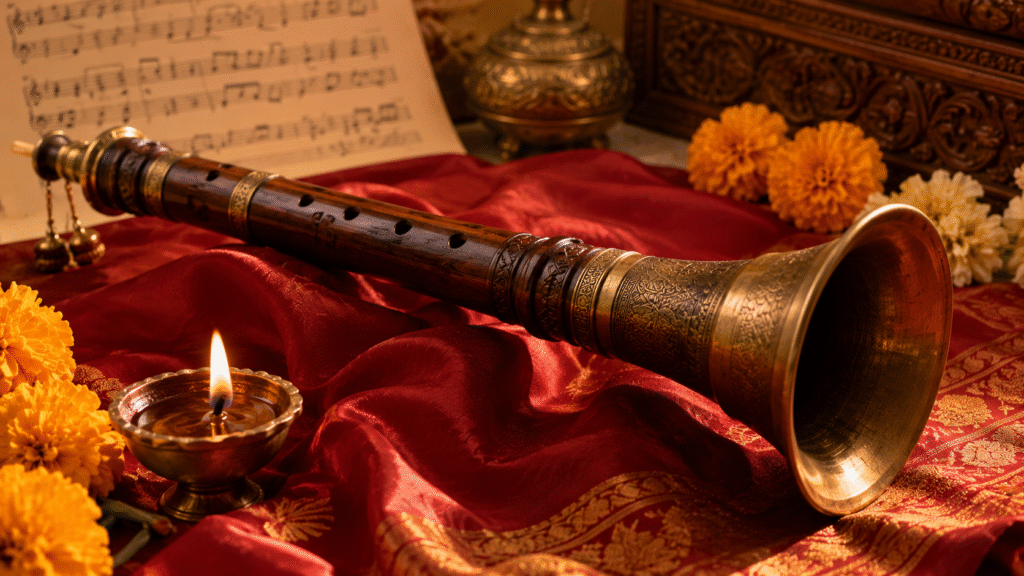
First, let’s rewind to the roots. The shehnai isn’t just an instrument—it’s the heartbeat of celebration in North India. This double-reed woodwind, with its haunting, oboe-like tone that can soar from joyful shrills to mournful depths, has echoed through weddings, festivals, and temples for centuries. Popularised globally by the legendary Ustad Bismillah Khan, who played it at India’s Independence Day in 1947 and elevated it to classical status, the shehnai carries the weight of tradition, spirituality, and pure emotion.
Closely related cousins like the sitar (that plucked, resonant string giant made famous by Ravi Shankar’s global collaborations), tabla (the rhythmic heartbeat), and harmonium add layers of intricate ragas and talas. These instruments weren’t built for clubs or car stereos—they were crafted for live, immersive performances where every microtone and breath tells a story. Yet, in the hands of modern producers, they’re being reborn. Think of it like taking your grandfather’s vintage vinyl, dusting it off, and spinning it at 150 BPM over a trap kit. The result? A sound that feels both deeply familiar and thrillingly new. This isn’t random sampling; it’s a deliberate nod to India’s 5,000-year musical legacy colliding with hip hop’s raw storytelling.
For many young listeners aged 15-35—the core of India’s booming hip-hop audience—this fusion hits different. It’s not just music; it’s identity. In a world of global streaming where Western beats dominate, slipping a shehnai riff into a rap verse screams “this is desi excellence.”
Indian Hip Hop’s Evolution: Where the Fusion Spark Ignited
Indian hip hop didn’t start with classical samples. It emerged from the underground in the early 2000s with pioneers like Bohemia, who rapped in Punjabi and English about immigrant life. Then came the Gully Boy era—DIVINE, Raftaar, Emiway Bantai, and KR$NA—putting Mumbai streets and Delhi alleys on the map with gritty, relatable bars over trap and drill. But something was missing for many creators: that unmistakable Indian soul.
Fast-forward to 2024-2026, and the scene is maturing. Producers aren’t just copying American templates anymore. They’re digging into sample packs like “Winds of India” on Splice, flipping real shehnai recordings played by masters like Lokesh Anand. The trend exploded with tracks that blend these organic, emotive melodies with modern production—think heavy bass, skittering percussion, and auto-tuned hooks. It’s part of a larger wave of Indian classical-hip hop fusion that’s gaining steam, from sitar solos narrating emotional verses to tabla grooves locking in with 808s.
This isn’t happening in isolation. Bollywood has long borrowed classical elements (think A.R. Rahman’s innovative blends), but hip hop takes it street-level. The result is a “new Indian sound” that feels authentic yet innovative—perfect for a generation raised on both Bismillah Khan bhajans and Travis Scott drops.
The Shehnai Remix Trend Explained: Timing, Samples, and the Viral Explosion
Unlike pure classical or straight hip hop, this trend is all about the clever flip. Producers chop shehnai phrases—those long, sustained notes or trills—pitch them, layer effects like reverb and distortion, and drop them into sparse beats. Popular methods mirror global trends but with an Indian twist:
- Shehnai-Led Trap/Drill Beats: 140-160 BPM tracks where the shehnai acts as the main melody hook, replacing synths.
- Sitar and Tabla Hybrids: Plucked sitar arpeggios over boom-bap drums, or tabla loops synced to hi-hats.
- Sample Flips from Viral Hits: The biggest catalyst? The 2025 viral smash “FA9LA” (Fasla) by Bahraini rapper Flipperachi and producer DJ Outlaw. Featured in the Bollywood film Dhurandhar as Akshaye Khanna’s (Rehman Dakait) iconic entry track, it uses a prominent shehnai sample from the “Winds of India” pack. The piercing melody over Khaleeji-influenced grooves and hip-hop energy went mega-viral on reels, sparking hundreds of Indian producers to create “Shehnai Type Beats 2026.”
Other standouts include DIVINE’s earlier “Shehnai” from his Punya Paap album (a more introspective nod), recent type beats flooding YouTube (search “Shehnai Indian Hip Hop Instrumental”), and tracks like those from up-and-coming producers flipping the same sample for desi rap cyphers. Even albums like Farhan Khan’s Alif Laila weave sitar into emotional hip-hop storytelling.
The pitch? These instruments add melody, emotion, and cultural depth that generic beats lack. For the average listener, it’s a metabolic reset for the ears—familiar yet fresh.
The Big Debate: Does This Fusion Elevate Hip Hop or Risk Losing Its Edge?
Here’s where it gets juicy—artists, purists, and fans are split. Let’s break it down, balanced and research-driven.
The Pros: Why This Sound is Dominating Playlists
- Emotional and Cultural Resonance: The shehnai’s raw, human tone evokes nostalgia, joy, or melancholy in ways synths can’t. It makes rap feel more personal and rooted—perfect for storytelling about family, struggle, or celebration.
- Viral and Commercial Power: Tracks like FA9LA prove the formula works. Reels explode, streams skyrocket, and it crosses over to Bollywood and global audiences. Producers report 10x engagement when classical samples drop.
- Innovation and Differentiation: In a saturated market, this sets Indian hip hop apart globally. It’s not mimicry; it’s evolution. Young creators gain instant identity while honouring heritage.
- Audience Bridge: Appeals to 15-45 demographic—teens love the energy, elders connect with the instruments. Families vibe together at weddings now blasting remixes.
Take Karan’s story: His shehnai-infused track not only went viral but got love from his conservative family. “Finally, something they understand and I can rap to,” he laughs.
The Cons: Where Critics Push Back
- Authenticity Concerns: Some classical musicians worry about “dilution”—samples taken out of raga context or played without proper training can feel superficial. “It’s not the real shehnai experience,” one veteran noted in producer discussions.
- Over-Saturation Risk: With every other type beat using the same sample, tracks risk sounding formulaic. The FA9LA flip is everywhere, leading to “sample fatigue.”
- Production Pitfalls: Poorly executed flips can clash tonally or culturally, alienating core hip-hop heads who value raw lyricism over gimmicks.
- Cultural Gatekeeping: Debates rage online about who “owns” these sounds—should only trained musicians sample them?
Ustad Mishra’s initial scepticism mirrors this: “Music must have soul, not just beats.” Yet even he came around when done with respect.
These tales prove one thing: the trend isn’t a magic wand. It’s a tool—how producers and artists wield it with respect and creativity matters most.
The Indian Twist: Classical Meets Street in Our Desi DNA
Fusing isn’t new to us Indians. Our music has always been about blending—Carnatic and Hindustani, folk and film, now hip hop and classical. Festivals like Navratri or weddings already mix dhol with modern DJ drops. Hip hop just amplifies it for the digital age.
Everyday life in India—traffic jams with shehnai processions, family gatherings with live music—makes this fusion feel organic. Producers in Mumbai slums or Delhi colonies draw from real life: the sound of a neighbourhood wedding band inspiring late-night studio sessions. It’s cultural pride weaponised into bars: “Shehnai in my veins, 808s in my brain.”
Real Stories: Triumphs, Tumbles, and Turning Points
Let’s hear from the trenches.
- Lokesh Anand (Shehnai Player behind FA9LA sample): The maestro who recorded for the “Winds of India” pack was stunned seeing his notes go global in a rap track. “Music needs no language,” he shared in interviews, proud that his traditional art reached new generations via hip hop.
- Young Producer from Bangalore: A 19-year-old beatmaker flipped the FA9LA shehnai for a local cypher. It got picked up by a bigger artist, landing him studio time. “Classical saved my beats from sounding generic,” he says.
- Fan from Kolkata: A 30-something corporate worker who grew up on Bismillah Khan records now blasts shehnai rap during commutes. “It makes me feel connected to my roots while escaping the daily grind.”
These stories show the trend’s power: it’s not just audio—it’s an emotional connection across divides.
Behind the Beats: Smart Tips for Creators and Listeners Embracing the Trend
Thinking of trying your hand (or ears) at this? Here’s how to do it right:
- Respect the Source: Use high-quality samples from ethical packs. Study the original raga or scale—don’t just chop randomly.
- Layer Thoughtfully: Balance the organic shehnai/sitar with modern elements. EQ to avoid muddiness; add subtle effects like delay for space.
- Collaborate: Team up with classical musicians for authenticity or live recordings.
- Test the Vibe: Play it for diverse crowds—family elders and street cyphers. If both nod, you’re golden.
- Evolve It: Don’t stop at one sample. Experiment with bansuri, sarod, or full ensemble fusions.
- Stay True: Let lyrics and flow carry the emotion—the classical element enhances, not replaces, the rap.
Listeners: Curate playlists mixing OG classical shehnai with new remixes. Support independent producers dropping these beats on YouTube and Spotify.
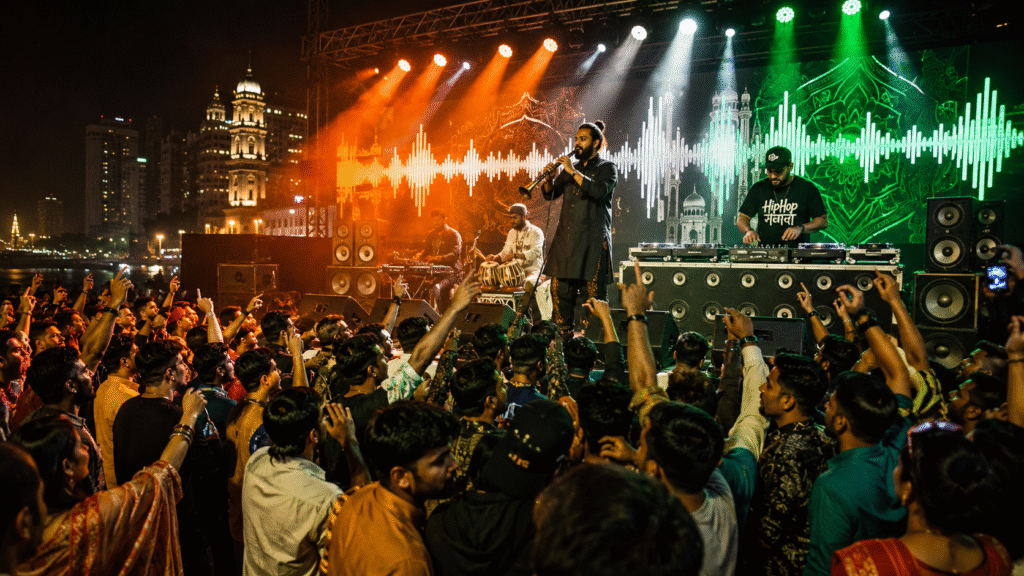
Wrapping It Up: To Remix or Not to Remix? The Future Sounds Bright
So, does the Shehnai remix trend make hip hop better—or just different? It’s not black-and-white. For some, it’s a game-changer: giving Indian rap its own global identity, blending grandfather’s music with today’s hottest flows, and creating that powerful new sound everyone’s craving. For others, it’s a reminder to honour tradition amid innovation.
The difference lies in execution—done with depth, respect, and creativity, it’s here to stay. As Indian hip hop matures, expect more sitar solos, tabla drops, and shehnai hooks defining the scene. This fusion isn’t diluting anything; it’s amplifying our rich heritage for a new era.
If this trend has you hooked (or inspired to create), what’s your take? Dropped a shehnai beat yet? Heard your favourite classical flip? Drop your stories, track recommendations, or producer tips in the comments below—let’s keep the conversation (and the beats) going! Share this with your crew, blast those remixes, and celebrate the new Indian sound. Your grandfather’s music just got a glow-up.
You May Like This
1



Advertisement

Advertisement
You May Like This







Advertisement
Advertisement
Advertisement
Advertisement
Advertisement
Advertisement