

Advertisement
- Updated on May 12, 2026
- IST 3:05 am
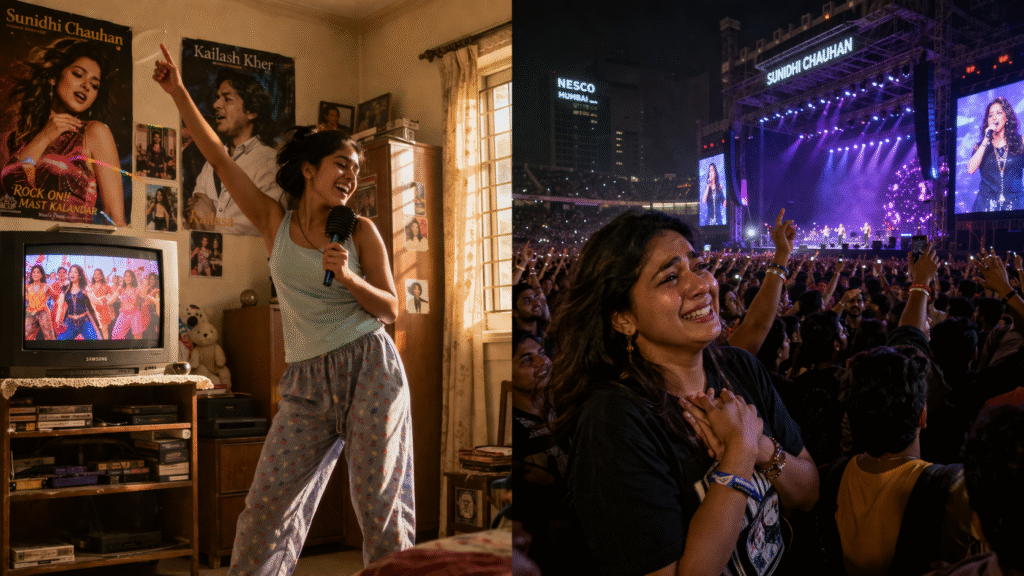
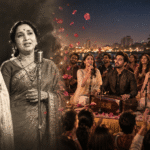
Imagine this: It’s a humid Mumbai evening in 2005. Twelve-year-old Priya is glued to the TV, belting out “Aankhiyon Se Gulaabi” at the top of her lungs while her mother cooks dinner. Fast-forward to December 2025. That same Priya—now a 32-year-old marketing executive—stands shoulder-to-shoulder with 20,000 screaming fans at Sunidhi Chauhan’s sold-out “I Am Home India Tour” opener at NESCO Centre. Tears stream down her face as Sunidhi hits the high notes of “Kamli.” “It felt like my entire childhood rushed back in one song,” Priya later posts on Instagram. “I hadn’t cried like that since my first breakup.”
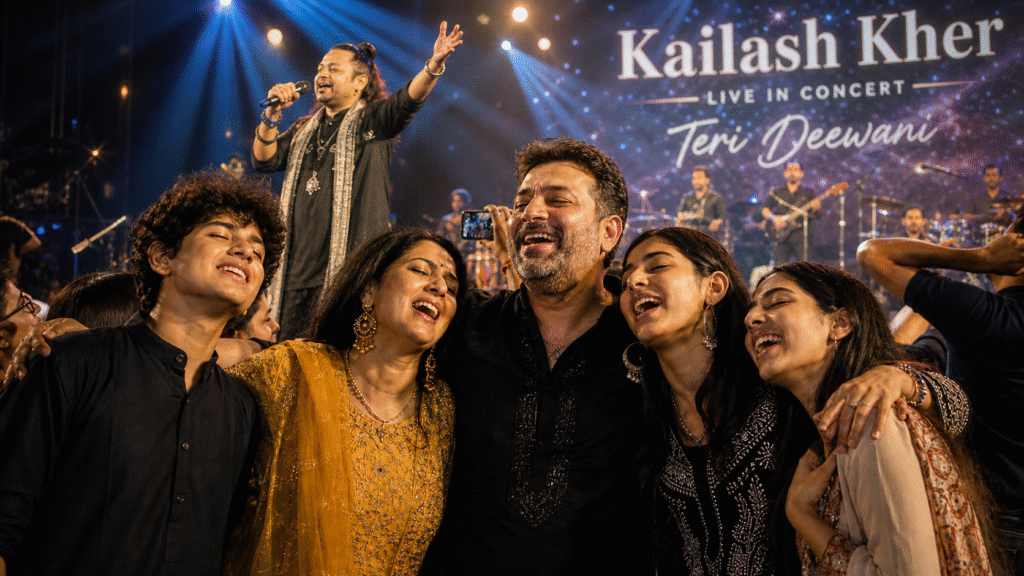
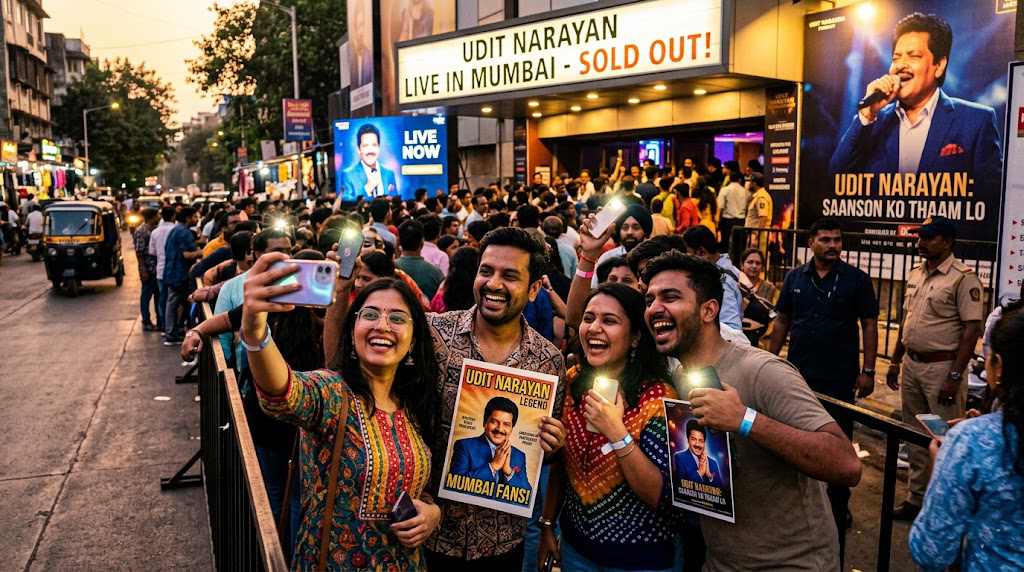
Now picture Arjun, a 27-year-old software engineer from Bengaluru who grew up on Spotify playlists of new hits. He scoffed when his colleagues dragged him to a Kailash Kher & Kailasa show last year. “Old music? Really?” But halfway through “Teri Deewani,” he was jumping, phone light waving, phone forgotten. Six months later, he’s booked tickets for Udit Narayan’s upcoming Mumbai gig. “I didn’t know I needed this,” he admits.
So what’s happening? Why are 2000s Bollywood playback singers—once the soundtrack to our cassette players and family car rides—now the hottest tickets in town? From Sunidhi Chauhan packing stadiums to Kailash Kher’s soul-stirring anthems selling out in weeks, the “nostalgia act” has become India’s biggest live-music phenomenon. In this blog, we dive deep into the emotional, cultural, and economic forces behind it, meet the legends leading the charge, hear real fan stories, and explore whether this retro wave is here to stay. Grab your headphones (or better yet, your concert tickets)—your childhood soundtrack is back, louder than ever.
Understanding the Nostalgia Act: More Than Just Old Songs
The term “nostalgia act” isn’t just marketing jargon—it’s a cultural movement. These aren’t fading stars doing farewell tours. They’re powerhouses like Sunidhi Chauhan, Kailash Kher, Udit Narayan, Alka Yagnik, Shaan, and Sonu Nigam who defined the 2000s Bollywood sound: the high-energy item numbers, soulful love ballads, and foot-tapping qawwalis that blasted from every autorickshaw and wedding playlist.
Unlike today’s algorithm-driven streaming hits that often feel disposable, 2000s playback songs were tied to blockbuster films, epic dance sequences, and family viewing rituals. Think Sunidhi’s “Desi Girl” or Kailash Kher’s raw Sufi energy in “Allah Ke Bande.” These tracks didn’t just play—they became part of our lives. They soundtracked first crushes, Diwali parties, and late-night road trips. Now, in 2026, with India’s live entertainment economy exploding (up 17% in 2025 alone, according to industry reports), fans are paying premium prices to relive those memories in person.
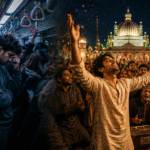
This isn’t random. Post-pandemic, Indians—especially millennials (now in their 30s with disposable income) and Gen Z (discovering these songs via reels and parents’ playlists)—crave real, shared experiences. Streaming is convenient, but nothing beats 20,000 voices singing “Chand Sifarish” in unison under stadium lights.
The Perfect Storm: Why 2025-2026 Is the Golden Era of Retro Revival
Several forces collided to make this nostalgia wave unstoppable. First, the live music boom. BookMyShow and promoters report that fans traveled across cities for concerts in record numbers last year—over 5.6 lakh people moved for music events. Gen Z surveys show 62% plan to travel specifically for live shows in 2026. Rising incomes, better venues, and improved production quality turned concerts from rare treats into must-do events.
Second, emotional timing. Life feels chaotic—job stress, social media fatigue, economic uncertainty. Nostalgia acts as a comforting hug. Psychologists call it “solastalgia’s antidote”: when the present feels overwhelming, the past feels safe and joyful. A 2000s Bollywood song instantly transports you to simpler times—no algorithms, just pure melody and memory.
Third, smart marketing meets cultural DNA. Promoters like Noizz Entertainment and ABP Network cleverly package “Bollywood Blockbuster” and “Rewind” tours featuring legends like Udit Narayan with son Aditya. Social media amplifies it: Reels of fans crying during Sunidhi’s live “Ainvayi Ainvayi” go viral overnight. Plus, the diaspora effect—NRIs in the US and UK flock to these shows, turning them into global reunions.
Critics might argue it overshadows new talent, but the data tells another story. These tours often introduce younger audiences to classics while giving veterans a platform to evolve. Sunidhi’s three-hour powerhouse sets mix old hits with fresh arrangements—proving nostalgia doesn’t mean stuck in the past.
Spotlight on the Icons: The Voices Selling Out Venues
Let’s meet the superstars driving this trend.
Sunidhi Chauhan – The Powerhouse Queen
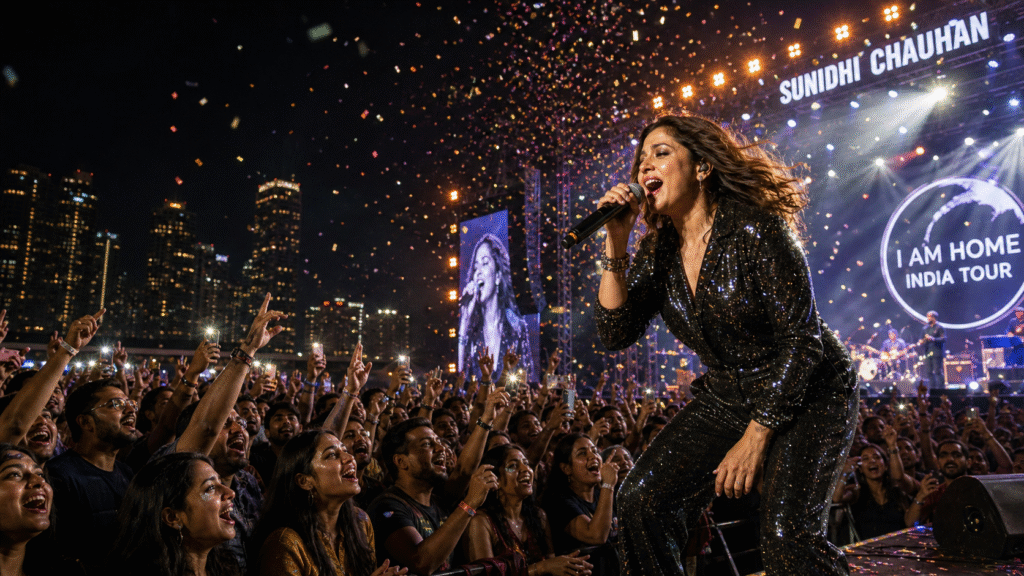
Her “I Am Home India Tour 2025-26” is the poster child. Mumbai’s opening night drew over 20,000 fans in a record-breaking turnout. Delhi and Bengaluru shows sold out fast. From “Kamli” to “Mere Haath Mein,” Sunidhi delivers raw energy that feels both timeless and electric. Fans call her performances “therapy with beats.” At 42, she’s not just singing—she’s owning the stage like it’s 2005 all over again, but with 2026 production values.
Kailash Kher & Kailasa – The Soul Stirrer
With his signature Sufi-folk fusion, Kailash turns concerts into spiritual experiences. Recent shows in Delhi’s Taj Palace and multi-city gigs have fans chanting “Teri Deewani” like a mantra. His band’s live improvisation—dhol beats thundering, voice cracking with emotion—creates goosebumps every time. In 2026, he continues packing halls, reminding us that authenticity never goes out of style.
Udit Narayan – The Evergreen Romantic
Paired with son Aditya for “Bollywood Blockbuster” nights, Udit’s velvet voice still melts hearts. His April 2026 Mumbai concert at Shanmukhananda Hall is already buzzing. Classics like “Pehla Nasha” and “Dil Ne Dil Ko Pukara” prove one thing: some voices improve with age.
Others like Shaan (the smooth crooner), Alka Yagnik (queen of melody), and even tributes to late greats keep the flame alive. These aren’t one-off gigs—they’re multi-city marathons proving demand is massive.
The Emotional Connection: Why These Songs Still Own Our Hearts
Nostalgia isn’t just fuzzy feelings—it’s science. Hearing “Dhadak Dhadak” or “Salaam Namaste” triggers dopamine and oxytocin, the same chemicals behind falling in love or hugging family. For millennials, these tracks mark coming-of-age: the liberalization era, colorful films, and unapologetic romance. For Gen Z, they’re fresh discoveries—vibrant, melodic escapes from auto-tuned pop.
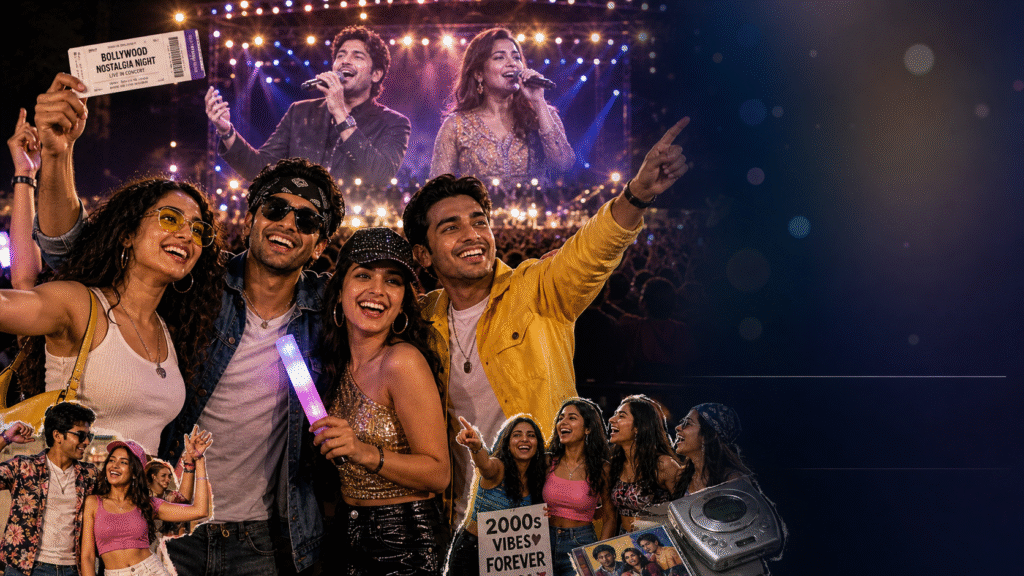
Indian families bond over this music. Wedding playlists, festive gatherings, even school functions featured these songs. Live, the experience multiplies: collective singing creates instant community. Strangers high-five during choruses. Parents and kids bond. It’s therapy, reunion, and celebration rolled into one.
Real Stories: Triumphs, Tears, and Ticket Wins
Meera from Delhi waited two hours in traffic for Kailash Kher but called it “life-changing.” “His voice healed something I didn’t know was broken,” she shared. Riya from Chennai flew to Bengaluru for Sunidhi’s show: “I took my mom. We danced like teenagers. Best mother-daughter date ever.”
Even skeptics convert. Arjun (from our opening) now plans annual nostalgia trips. “These singers don’t just perform—they remind us who we were before adulting hit.”
Of course, not every experience is perfect. Some complain about high ticket prices or crowded venues. Yet the overwhelming feedback? Worth every rupee and traffic jam.
Safe (and Smart) Ways to Ride the Nostalgia Wave
Ready to join? Here’s how to make it unforgettable:
- Plan Ahead: Tours like Sunidhi’s sell out fast—set alerts on BookMyShow or District.
- Choose Your Vibe: Prefer intimate? Go for Shaan or Kailash. Epic stadium energy? Sunidhi or Udit blockbusters.
- Budget Smart: Tickets start around ₹1,000-₹4,000. Book early for better seats.
- Enhance the Experience: Go with family or friends. Dress in 2000s-inspired outfits for fun. Hydrate and eat before—dancing is guaranteed!
- Support Ethically: Choose verified promoters. Follow artists on socials for authentic updates.
- Balance It: Mix nostalgia with new music. Discover emerging voices too—keeps the industry thriving.
The Bigger Picture: Culture, Economy, and the Future
This trend reflects India’s maturing live music ecosystem. Once a “one-off” market, we’re now a global player. Concerts generate tourism, jobs, and cultural pride. Yet questions remain: Will oversaturation dilute the magic? Can new artists carve space alongside legends?
The answer lies in balance. Nostalgia refreshes the soul; innovation keeps it alive. Thankfully, many veterans collaborate with fresh talent, blending eras beautifully.
Wrapping It Up: Your Childhood Soundtrack Is Calling
The rise of the nostalgia act isn’t a fleeting trend—it’s a cultural reset. In a world of fleeting trends and digital noise, 2000s Bollywood playback singers remind us of music’s true power: connection, joy, and memory. Whether you’re reliving your first crush through Sunidhi’s vocals or discovering Kailash Kher’s magic for the first time, these shows deliver something streaming never can—pure, unfiltered emotion shared with thousands.
So, what’s your move? Book that ticket. Dust off those old playlists. Share your story in the comments below: Which 2000s song hits you hardest live? Tag a friend you’d drag to the next show. Let’s keep the nostalgia alive—together.
Your childhood soundtrack is waiting. Don’t miss the encore.
You May Like This
1


Advertisement
You May Like This




Advertisement
Advertisement
Advertisement