

Advertisement

- Updated on May 10, 2026
- IST 5:33 am

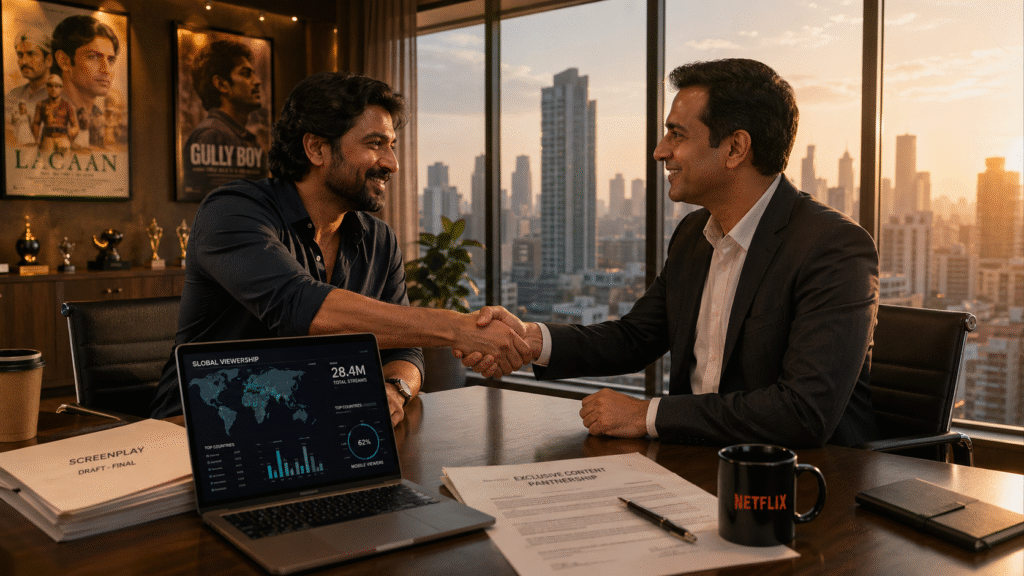
Imagine this: Rohan Sharma, the 42-year-old director whose last two blockbusters had fans queuing for hours outside multiplexes in Mumbai and Delhi, had his next big-ticket project locked and loaded for a Diwali theatrical splash. Larger-than-life action sequences, star-studded cast, and that unmistakable big-screen goosebumps factor—he was ready to deliver the magic. Then came the call from a streaming giant. An exclusive multi-film deal running into hundreds of crores, complete creative freedom, no last-minute censor cuts, and a guaranteed global audience from day one. Rohan paused, weighed the box-office gamble against the safety net, and signed on the dotted line. His film dropped on OTT, racked up millions of views, but the collective roar of a packed hall? That part felt missing. “It’s liberating,” he later confided to a close friend, “but something about the theatre experience just hits different.”
Now picture Vikram Rao, another powerhouse director whose films have defined the phrase “event cinema.” Tempted by similar offers, he chose to stay the course. He fought for a proper theatrical window, poured his heart into spectacle that demanded 70mm screens and surround sound, and watched his release become a box-office phenomenon in early 2026. “The big screen isn’t just a venue—it’s the soul of the story,” he told reporters after the opening weekend. For him, the war wasn’t worth losing the communal thrill that only theatres deliver.
So, what’s the real story behind the 2026 OTT vs theatre debate? As Bollywood’s biggest directors get poached with lucrative exclusive deals and streaming platforms flex their muscle, is this the beginning of the end for traditional cinema—or a much-needed evolution that’s actually saving the industry? With hybrid releases, post-theatrical licensing battles, and exhibitors demanding longer windows before films hit OTT, the power shift is undeniable. In this deep dive, we’ll unpack the lucrative offers pulling directors to streaming, the creative freedom they crave, the risks to the big-screen experience, and what it all means for us, the Indian audience aged 15 to 45 who grew up loving both midnight premieres and weekend binge sessions. Rooted in our desi love for masala movies, let’s explore whether this war will leave theatres empty or spark a golden age of storytelling. Grab your popcorn (or your phone)—we’re diving in.
Understanding the Shift: How OTT Became Bollywood’s New Power Player
Bollywood’s distribution model has been evolving since the pandemic forced everyone indoors. What started as a survival tactic—direct-to-OTT releases during lockdowns—quickly became a strategic goldmine. By 2025, platforms like Netflix, Amazon Prime Video, and Disney+ Hotstar were no longer just safety nets for producers; they were dictating terms. Fast forward to 2026, and the landscape is a full-blown war zone.
OTT platforms have invested heavily in Indian content. Multi-year deals with production houses like Maddock Films (eight films with Prime Video) and partnerships with Yash Raj Films show the scale. Directors once tied to the unpredictable box-office cycle now find themselves courted with upfront payments, global reach, and data-driven insights into what audiences actually want. The keyword here? Control. Streaming giants are listening to full scripts, influencing release strategies, and even tying final payouts to theatrical performance in some cases. No more blank cheques based purely on star power—content quality and audience engagement now rule.
Yet theatres aren’t going down without a fight. South Indian exhibitors have pushed hard for an eight-week exclusive theatrical window before films hit OTT, arguing it protects the big-screen experience and gives films time to build word-of-mouth. Some big-budget spectacles still prove the model works: event films packed with spectacle continue to draw crowds, proving that the magic of collective viewing isn’t dead. The 2026 reset, as many insiders call it, is forcing everyone—directors, producers, exhibitors—to rethink what “success” really looks like.
The Allure of OTT: Why Top Directors Are Jumping Ship
Let’s be honest—the offers are insanely tempting. Here’s why Bollywood’s biggest directors are increasingly signing exclusive or multi-film deals with streaming platforms:
- Lucrative Financial Security: Forget the nail-biting box-office weekends. A single multi-film deal can guarantee crores upfront, shielding creators from flops. Maddock Films’ global multi-year licensing collaboration with Prime Video is a prime example—worldwide rights secured, creative risks minimized.
- Unparalleled Creative Freedom: Theatres come with censor boards, runtime constraints, and family-friendly pressures. OTT allows bolder storytelling, longer runtimes, complex narratives, and niche experiments. Directors like Hansal Mehta and Neeraj Pandey have leveraged this for critically acclaimed series and films that might never have seen the light of day in traditional cinema.
- Global Reach and Data-Driven Storytelling: One release can reach 100+ million subscribers across India and the diaspora. Platforms provide analytics on viewer drop-off, pause points, and engagement—tools that help refine future projects in real time.
- Shorter Turnaround and More Opportunities: No waiting for festival slots or multiplex chains. Directors can create multiple projects a year instead of one every 18-24 months.
Take the trend of star kids and established names dipping toes (or diving headfirst) into OTT. Aryan Khan’s directorial debut on a streaming series showed how the platform can launch new voices without the pressure of a 200-crore theatrical budget. It’s not just about money—it’s about artistic breathing room in an industry where one flop can stall a career.
Yet not everyone is convinced. Some veterans argue that the big screen’s discipline forces tighter, more impactful storytelling. The debate rages on forums, industry panels, and even dinner tables across Mumbai and beyond.
The Theatre Counterpunch: Why the Big Screen Refuses to Fade
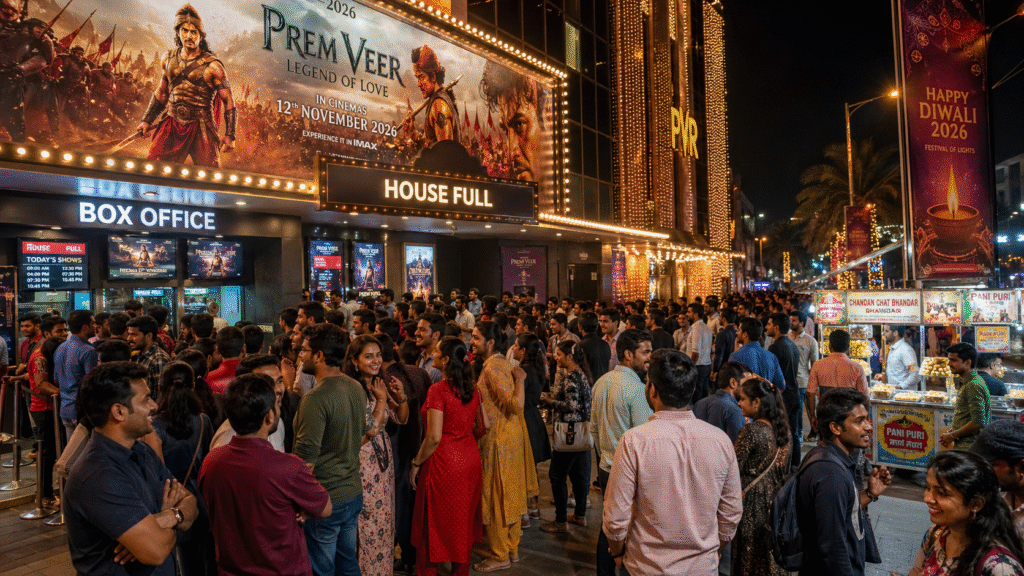
Theatres still hold a special place in the Indian heart. There’s something irreplaceable about the darkened hall, the collective gasps during a climax, the interval buzz, and the standing ovation for a well-earned mass scene. Diwali and Eid releases have always been cultural events—families dressing up, street vendors selling samosas outside, and that electric energy you simply can’t replicate on a laptop.
Exhibitors know this and are pushing back. The demand for an eight-week OTT window isn’t just about revenue; it’s about preserving the ritual. Big films like certain 2026 spectacles are proving that when the content delivers spectacle, audiences still flock to multiplexes. Aamir Khan’s reported rejection of massive OTT deals for pure theatrical runs in recent years sent a strong message: some stories deserve the silver screen first.
Hybrid models are emerging as the middle ground—limited theatrical runs followed by strategic OTT drops. But the fear remains: if too many top directors migrate exclusively to streaming, what happens to the quality and quantity of theatrical content? Will cinemas become glorified event venues only for the biggest blockbusters, leaving mid-budget gems to struggle?
The Big Debate: Blessing or Curse for Bollywood and Audiences?
This OTT vs theatre debate 2026 isn’t black-and-white. Let’s break down the pros and cons with clear eyes.
The Pros – Why the Migration Might Save Bollywood:
- More content variety and experimentation.
- Opportunities for regional stories to go pan-Indian and global.
- Financial stability that encourages risk-taking.
- Accessibility—anyone with a phone can watch, breaking geographical and cost barriers.
The Cons – Where It Might Backfire:
- Potential scarcity of quality theatrical releases, hurting exhibitors and the entire ecosystem (technicians, distributors, single-screen cinemas).
- Loss of the shared cultural experience that binds generations—think families bonding over a theatrical hit.
- Algorithm-driven content that might prioritize binge-ability over cinematic craft.
- Pressure on directors to conform to platform metrics rather than pure artistic vision.
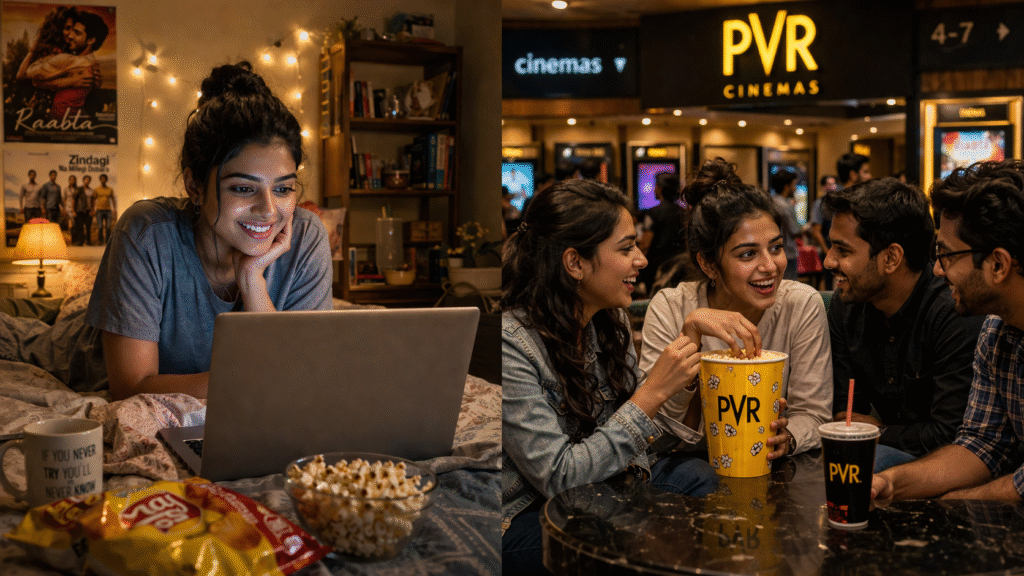
Real stories from the trenches reflect this divide. One director who moved to OTT described the relief of not chasing opening-day collections, while another who stayed theatrical spoke of the unmatched high of seeing fans line up at 7 AM shows. Fans are split too: younger audiences (15-25) love the convenience of streaming after a long college day, while 25-45-year-olds often crave the “outing” experience that theatres provide.
The Indian Twist: Desi Culture Meets the Streaming Revolution
In India, cinema has always been more than entertainment—it’s a social glue. From village single-screens to urban multiplexes, going to the theatre is a family affair, a date night, a celebration. Our festivals, weddings, and even political conversations revolve around the latest releases. OTT platforms understand this and are tailoring content with local flavors—think relatable family dramas, cricket-themed thrillers, or stories inspired by real Indian headlines.
Yet the migration of directors raises questions about cultural preservation. Will the grand song-and-dance sequences that define Bollywood lose their shine when optimized for small screens? Or will streaming actually democratize our stories, letting fresh voices from smaller towns reach millions without gatekeepers?
Audience awareness is key here. Many in our 15-45 demographic juggle busy lives—work, studies, family—and appreciate the flexibility of pausing a show. But ask anyone who experienced a packed house for a big release, and they’ll tell you the energy is addictive. The future likely lies in coexistence: theatres for spectacles and events, OTT for intimate, character-driven tales.
Real Stories: Triumphs, Tumbles, and Lessons Learned
Let’s hear from voices in the mix (inspired by real industry trends). Meera, a 28-year-old marketing professional in Bangalore, used to plan movie nights weeks in advance. “I loved the theatre vibe, but after a tiring week, streaming wins. Still, nothing beats the big screen for action films.” Her friend Arjun, a 35-year-old IT professional, disagrees: “I signed up for Prime mainly for the deals, but I miss the collective laughter in a comedy hall.”
On the creator side, directors navigating both worlds share mixed feelings. Some praise OTT for reviving stalled projects; others worry about the long-term health of the theatrical business that trained generations of technicians and artists.
Navigating the New Normal: Tips for Viewers and Aspiring Filmmakers
Whether you’re a fan or someone dreaming of directing:
- Support quality theatrical releases when they drop—your ticket buys the future of big-screen cinema.
- Explore OTT originals with an open mind; some of the boldest storytelling is happening there.
- Follow the 8-week window debate—longer theatrical runs often mean better films overall.
- Engage with the community: discuss releases on social media, join fan clubs, and vote with your time and money.
- For aspiring creators: Build skills in both formats. The directors who thrive in 2026 and beyond will master hybrid storytelling.
Wrapping It Up: To Stream or To Theatre? The Choice Is Yours
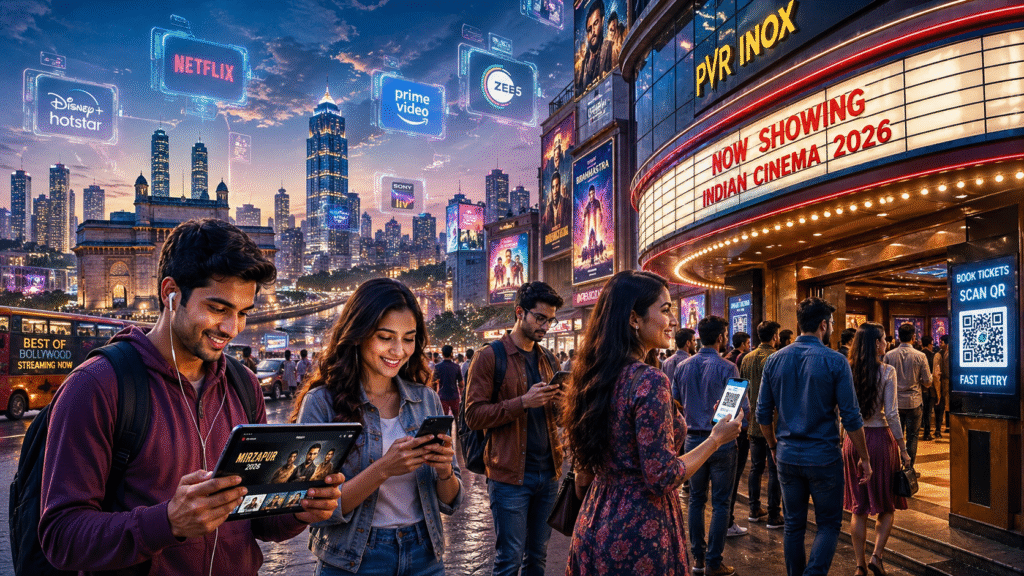
The 2026 war between streaming and theatres isn’t about one side winning—it’s about Bollywood reinventing itself in a digital-first world. OTT platforms poaching top directors with exclusive deals brings creative freedom, financial muscle, and global eyeballs. Theatres fight back with spectacle, cultural relevance, and the irreplaceable magic of shared experience. The winners? Smart directors who play both fields, producers who balance risk, and audiences who get the best of both worlds.
Will we see a scarcity of quality content in cinemas, or a renaissance of event films that make theatres unmissable again? Only time—and your viewing habits—will tell. What’s your take on the OTT vs theatre debate 2026? Have you noticed the shift in releases? Which side are you rooting for— the big screen thrill or the comfort of streaming? Drop your stories and opinions in the comments below. Let’s keep the conversation alive and support the content we love, whether it’s on the 70-foot screen or our 6-inch phones. Share this piece if it sparked a thought, and stay tuned to PBTrendz for more fresh takes on the ever-evolving world of Indian cinema. Your voice matters in shaping what comes next!
You May Like This
1



Advertisement

You May Like This








Advertisement
Advertisement
Advertisement