

Advertisement

- Updated on May 10, 2026
- IST 6:56 am
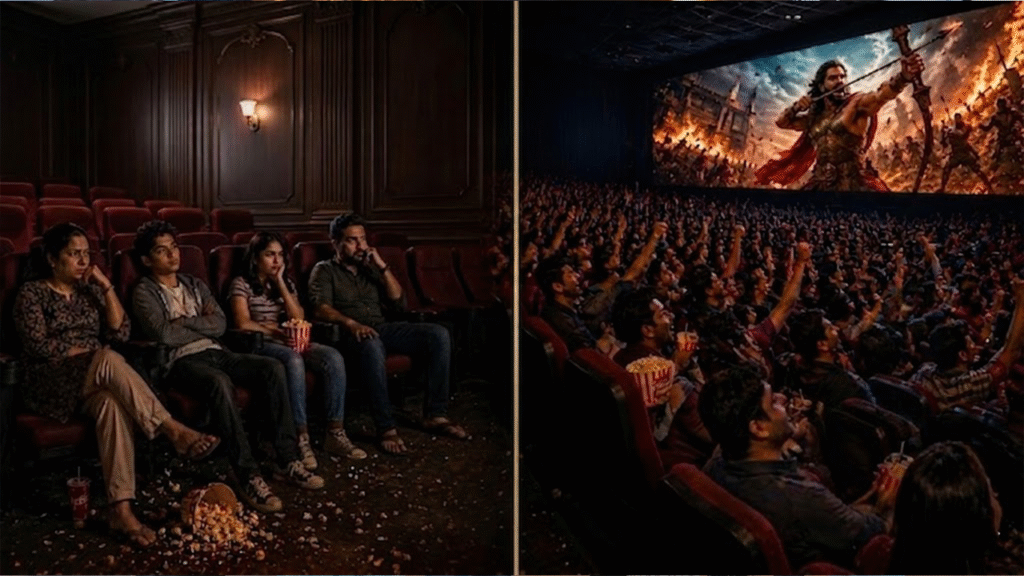
Imagine this: It’s a lazy Sunday afternoon in 2023. Rohan, a 38-year-old software engineer from Gurugram, bundles up his wife Priya and their two kids for the multiplex. The star cast promises light laughs, a few songs, some family drama, and a happy ending—the perfect “comfort movie.” Popcorn in hand, they settle in. Two hours later, they walk out smiling, chatting about the predictable but warm storyline. Fast-forward to April 2026. The same family scrolls through trailers on their phone. Another superstar-led mid-budget film? Rohan shrugs. “Why spend ₹800 on tickets when we can watch something bigger on the big screen or just stream a decent story at home?” They skip theatres entirely.
Now picture Meena, 29, from Mumbai. She drags her friends to a 2026 release that’s pure spectacle—jaw-dropping VFX, larger-than-life action, and a national pride angle. The theatre erupts in cheers. They leave buzzing, already planning a repeat watch. For her, the cinema experience still delivers magic. But that reliable, no-frills family entertainer? It’s vanishing faster than a Monday morning show.
So, what happened to the comfort movie—the dependable mid-budget Bollywood staple that once guaranteed Sunday matinee crowds, steady box office, and weekend family bonding? Despite superstar power and record-breaking hits elsewhere, the era of the safe, feel-good film is fading. Audiences now crave either grand-scale spectacles or skip theatres for OTT convenience. In this blog, we unpack the shocking Bollywood flop trend of 2026, the OTT vs theatre debate, shifting Indian audience tastes, and the uncertain future of mid-budget films. We’ll hear real voices from the multiplex, explore why even A-listers are struggling, and ask: is the comfort movie facing extinction—or can it evolve? Let’s settle into our seats and find out.
What Exactly Is a “Comfort Movie”? The Nostalgic Heart of Bollywood
Comfort movies were Bollywood’s reliable heartbeat for decades. Think mid-budget (₹40-100 crore) films featuring big names but not insane VFX budgets. They blended romance, drama, songs, comedy, and a message—perfect for families, couples, or solo weekend escapes. No high-stakes risks, just escapist joy rooted in relatable Indian life: joint family tensions, love triangles, or light social commentary.
These weren’t event films; they were the bread-and-butter of single-screen and early multiplex eras. A Shah Rukh Khan or Salman Khan vehicle with a solid script could run for weeks on word-of-mouth. They mirrored our lives—desi weddings, sibling rivalries, moral dilemmas—while delivering goosebumps through item numbers and climactic fights. For the 15-45 age group, they were cultural glue: first dates, family outings, and Diwali releases that united generations.
Metaphorically, comfort movies were like your favourite home-cooked dal-chawal—familiar, comforting, always there. But today, audiences want either a Michelin-star feast (grand spectacles) or quick delivery (OTT). The middle ground feels bland. As one industry analyst noted in 2026 reports, the “safe middle” is disappearing because viewers have become picky. They demand either scale that justifies ₹300-500 tickets or stories so fresh they don’t need theatres at all.
This shift isn’t overnight. Post-pandemic habits, smartphone addiction, and algorithm-curated content changed everything. But 2026 has made the crisis crystal clear.
Bollywood in 2026: The Numbers That Tell a Tragic Tale
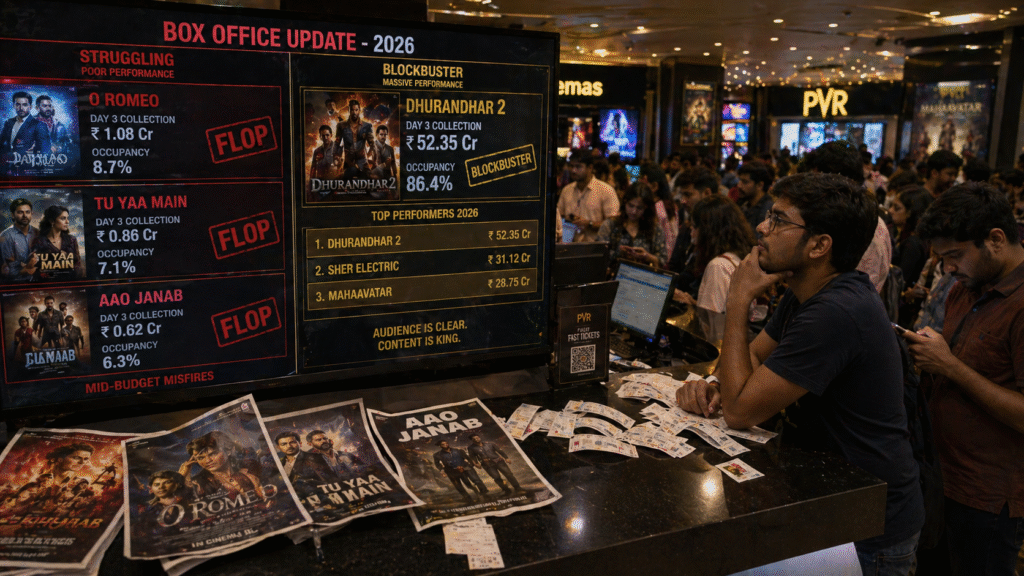
Step into any box office tracker this year, and the story is stark. While mega-hits like Dhurandhar: The Revenge and Border 2 shattered records (crossing ₹1,800 crore and ₹460 crore worldwide respectively), mid-budget comfort films are bleeding money. Films like O Romeo, Tu Yaa Main, Do Deewane Seher Mein, Happy Patel, and Vadh 2 opened to decent expectations but ended as flops or “losers,” with many struggling to cross even ₹10-50 crore net in India.
Even star-driven attempts faltered. Salman Khan’s projects and Hrithik Roshan-led sequels underperformed despite massive hype, proving stardom alone can’t fill seats. Small-budget gems occasionally surprise (rooted stories with strong word-of-mouth), but the reliable mid-tier family entertainer? It’s vanishing. Reports highlight “why mid-budget Bollywood films are disappearing in 2026,” pointing to a polarised market: either all-out blockbusters or niche OTT successes.
Ticket prices have soared—average multiplex tickets now hover around ₹200-400 in metros—making families think twice about “just okay” films. Meanwhile, grand spectacles with VFX and pan-Indian appeal justify the spend. The result? Theatres are empty mid-week, single screens shutting down, and producers are shying away from the middle ground. The Bollywood flop trend of 2026 isn’t random; it’s systemic.
The OTT Vs Theatre Debate: Convenience Killed the Comfort Vibe
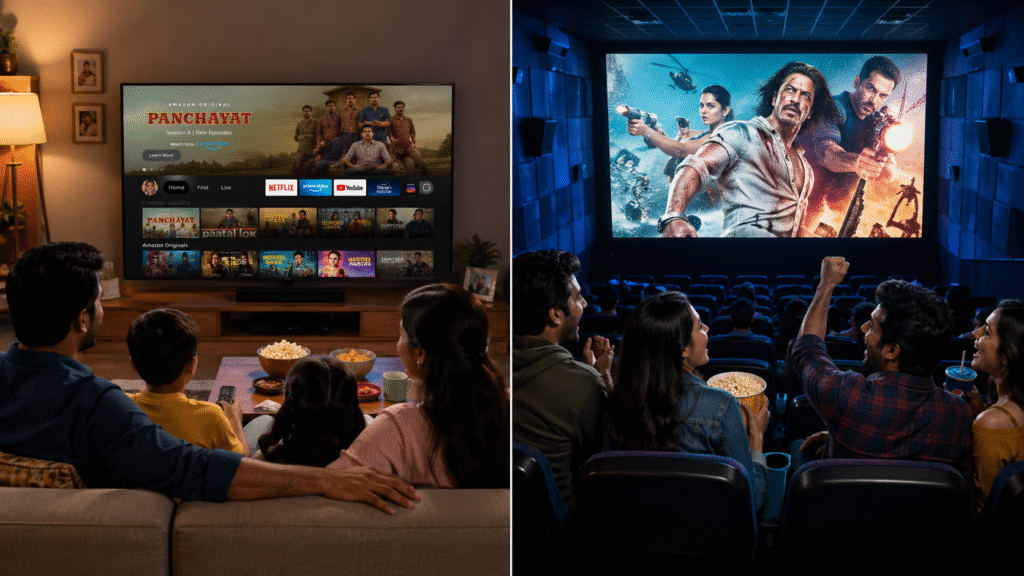
Here’s the elephant in the auditorium: OTT platforms. Netflix, Prime Video, and JioCinema didn’t just compete—they rewired habits. Why brave traffic, parking, and ₹1,000+ family expenditure for a predictable plot when you can pause a similar story on your 65-inch TV?
The debate rages in 2026. Short theatrical windows (often 4 weeks or less before OTT drop) mean audiences wait it out. Exhibitors demand longer gaps (some South industries pushing 8 weeks), but streamers prioritise subscribers. Result? Theatres become “event-only” venues. Comfort movies, which thrived on sustained runs and repeat viewings, suffer most.
Changing Indian audience taste plays a huge role. Gen Z and millennials (core 15-45 demographic) grew up with global content. They crave authenticity, high production values, or pure adrenaline. Algorithm-driven recommendations on OTT push personalised picks, making “average” theatrical releases feel irrelevant. A 2026 survey-like industry chatter shows 88 million Indians use both theatres and OTT—but theatres win only for “big moments.” Everyday stories? Home is better.
Economically, it stacks against comfort films. High star salaries inflate mid-budgets without matching returns. Producers lose on satellite and digital rights if the theatrical fails. It’s a vicious cycle: weaker content → poor openings → quicker OTT shift → even fewer theatre-goers.
Why Audiences Are Ghosting the Middle Ground: Fresh Perspectives
Let’s explore multiple angles. First, content fatigue. Many comfort movies recycled the same tropes—hero’s journey, villain monologues, forced songs. Audiences now spot formula from the trailer. As Avinash Tiwary noted recently, kids aren’t watching these films; they want something fresh or spectacular.
Second, economic and lifestyle shifts. Rising incomes in tier-2/3 cities mean families can afford occasional big-ticket experiences but not weekly average ones. Post-pandemic, “experience over expense” rules: why not save for a Dhurandhar-level visual feast?
Third, cultural evolution. Nationalism, rooted mythology, or hard-hitting realism (seen in hits like Chhaava or Saiyaara echoes) resonates more than light masala. Regional cinema’s success (South films dominating) shows audiences reward originality and scale. Bollywood’s “safe” comfort zone feels outdated.
Critics argue this polarisation is healthy—survival of the fittest. Defenders mourn lost diversity: not every story needs ₹500 crore VFX. Multiple perspectives exist: some blame producers for risk-aversion, others credit audiences for demanding better. Research-driven view? Data shows content > stars. Well-made mid-budget films with strong scripts occasionally break out, proving the model isn’t dead—just evolving.
The Superstar Struggle: Even A-Listers Can’t Guarantee Seats
Here’s the irony: your favourite stars are no longer a golden ticket. Salman, Hrithik, Ranbir—names that once printed money—face flops when the vehicle feels mid-tier. 2025-2026 saw several high-profile disappointments despite star wattage. Why? Audiences separate “star” from “story.” A superstar in a formulaic comfort flick feels like overpaid nostalgia.
This hurts careers and industry confidence. Producers hesitate to greenlight mid-budget projects, starving the pipeline of diverse cinema. For actors, it means chasing spectacles or OTT prestige roles. The tragic part? Many superstars grew up on these comfort films. Now, they’re struggling to keep us in theatres.
The Indian Family Lens: Sunday Matinees Become Distant Memories
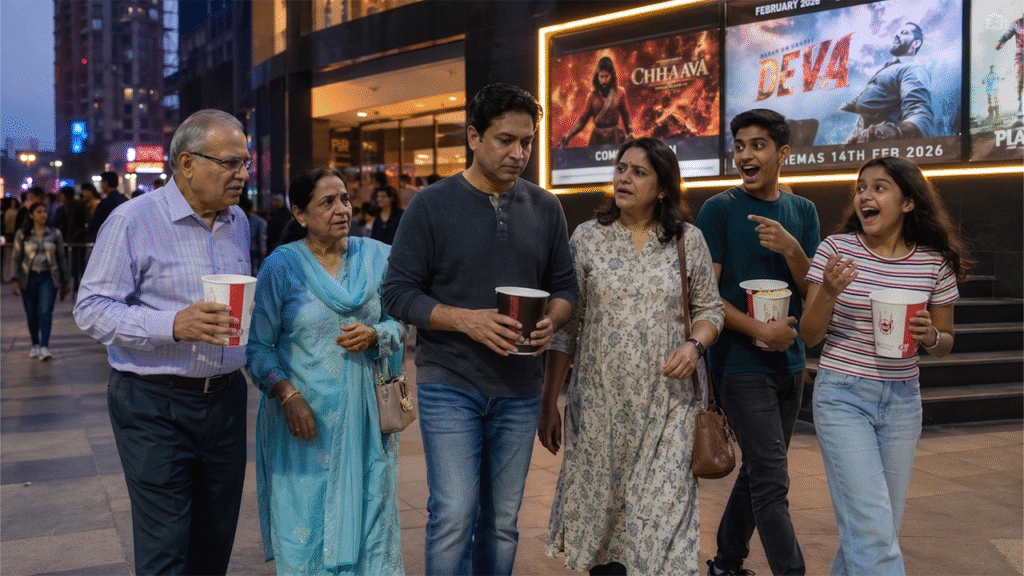
For desi families, this hits hardest. Remember Karva Chauth specials or Eid releases? Comfort movies were affordable family rituals—grandparents, kids, everyone laughing together. Now, with busy schedules and streaming, theatres feel like a luxury for “must-see” events only.
High ticket prices, crowded multiplexes, and a lack of parking deter middle-class outings. Kids prefer gaming or watching shorts on phones. Parents weigh “Is it worth it?” against home comfort. Yet, when a true spectacle arrives, families flock—proving demand exists for the right experience. The challenge: how do comfort movies reclaim that desi magic without losing soul?
Real Stories from the Front Row: Triumphs, Tumbles, and Turning Points
Let’s hear from the audience. “I took my family to a recent mid-budget release expecting light entertainment,” shares 42-year-old banker Vikram from Bangalore. “It was okay, but we felt we’d seen it before. Next weekend, we caught a big actioner, and it was electric. Comfort films need to step up or go home.”
Contrast with Sneha, 27, a content creator in Pune: “I loved a small-budget gem last year—fresh story, real emotions. It worked because it wasn’t trying to be everything.” These tales mirror industry data: success comes from either scale or substance, not safe mediocrity.
Filmmakers experimenting with hybrid models (strong scripts + modest VFX) are the quiet heroes. But many mid-budget projects still chase yesterday’s formula, leading to predictable flops.
Safe(ish) Strategies: Can Comfort Movies Survive or Revive?
Thinking of reviving the format? Here’s practical wisdom:
- Start with substance: Prioritise original scripts over star salaries. Root stories in contemporary Indian realities—work-life balance, mental health, evolving relationships.
- Hybrid appeal: Blend comfort elements (songs, emotion) with modern twists—subtle VFX, diverse casting, shorter runtimes.
- Theatre-first marketing: Build genuine buzz through trailers that promise more than “star power.” Leverage social media for audience connect.
- Smart budgeting: Keep costs realistic so even modest collections yield profit.
- Audience-first: Test with focus groups. Listen to 15-45 demographic feedback on what feels fresh yet familiar.
- Evolve the experience: Partner with theatres for family deals, live events, or post-show interactions.
Industry voices call for longer OTT windows and government support for single screens. Small-budget successes prove that rooted, well-told stories can thrive. The future isn’t extinction—it’s reinvention.
Wrapping It Up: To Comfort or Not to Comfort?
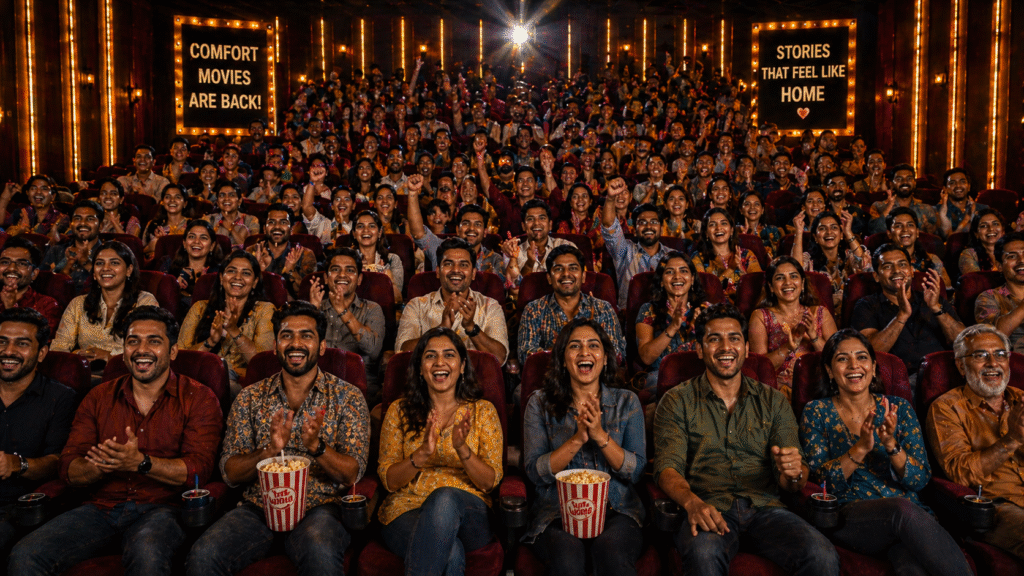
The tragic downfall of the comfort movie isn’t the end of cinema—it’s a wake-up call. In 2026, Bollywood stands at a crossroads: grand spectacles dominate, OTT claims everyday tales, and the middle ground shrinks. Yet, the Indian audience’s love for shared laughter, tears, and songs endures. We still crave stories that feel like home.
The difference lies in execution. Filmmakers who blend familiarity with innovation, respect audience intelligence, and deliver value will revive the format. Superstars can still shine—if the vehicle matches their wattage.
What’s your take? Do you miss those reliable Sunday comfort movies, or are you all-in on spectacles and streaming? Have you walked out of a recent release thinking “this could’ve been better at home”? Drop your stories in the comments below—let’s swap notes, celebrate the hits we loved, and dream up the next wave of desi cinema that brings families back to theatres. Your voice matters more than ever. Share this if you’re rooting for a comeback, and keep supporting stories that move you—whether on the big screen or small.
You May Like This
1



Advertisement

You May Like This








Advertisement
Advertisement
Advertisement