

Advertisement

- Updated on May 9, 2026
- IST 8:52 am
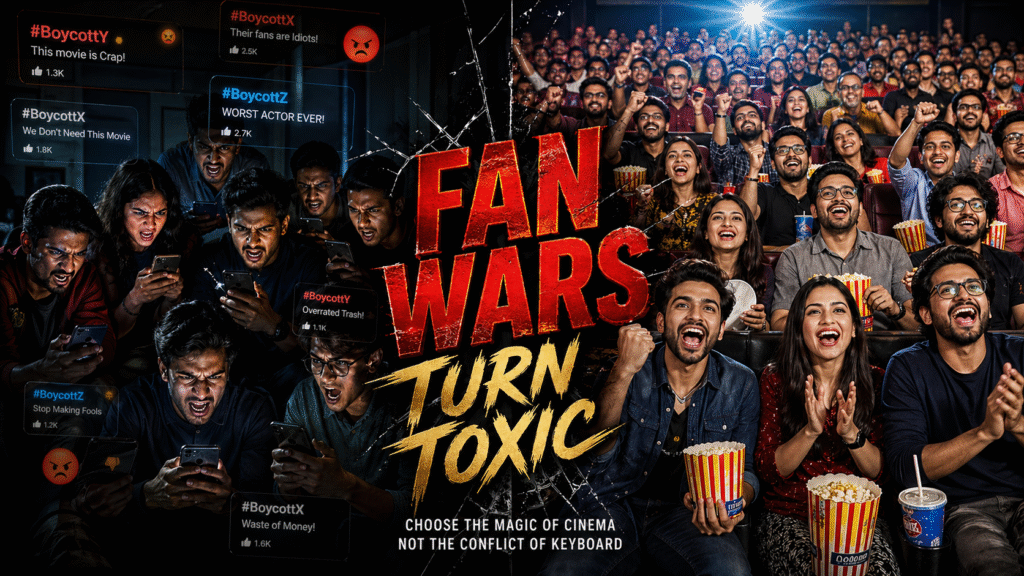
Imagine this: Rahul, a 19-year-old college student from Delhi, stays up till 3 AM on his phone, not studying for exams but coordinating with his “army” on X and Instagram. His favourite superstar’s new film is clashing with a rival’s release. “We have to protect our hero!” he types furiously, downvoting the competitor’s trailer on YouTube, flooding IMDb with one-star reviews, and trending #BoycottRivalMovie. By morning, his timeline is a war zone of memes, screenshots, and victory chants. But weeks later, when the dust settles, Rahul feels a strange emptiness. “Did I even watch the movie for fun anymore?” he confides to a friend, exhausted and secretly doubting if the hype was worth the hate.
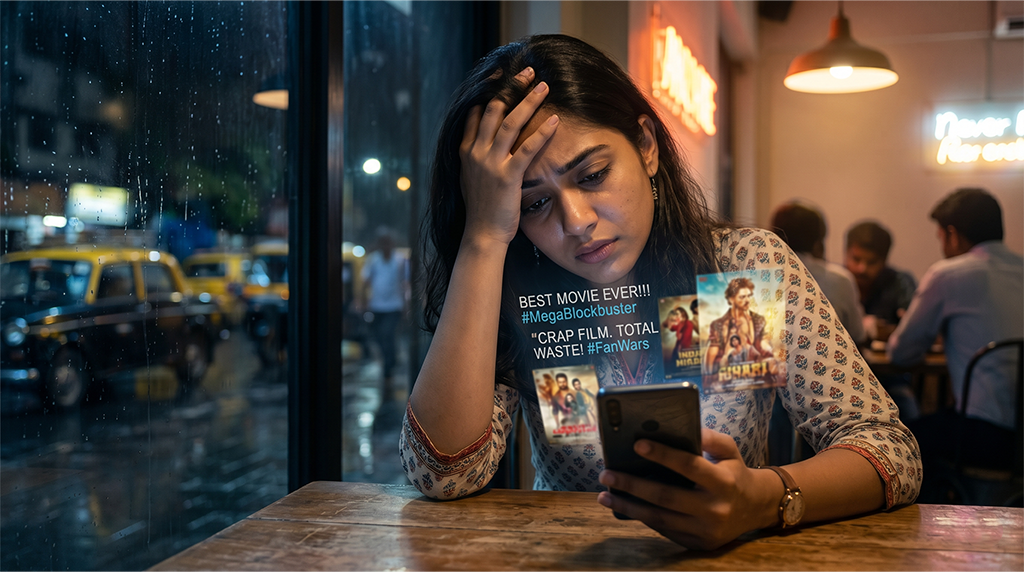
Now, picture Neha, 27, a software engineer from Bangalore, who used to binge-watch every big Bollywood and pan-India release with her squad. She opens IMDb to check ratings for a much-awaited 2026 clash and sighs. The page is flooded with polarised reviews—glowing 10s from one fanbase, brutal 1s from another. Trailers she once enjoyed now come with comment sections full of venom. “I just wanted to enjoy cinema,” she tells her group chat. “Now it feels like picking a side in a battlefield I never signed up for.” She skips theatres more often, opting for quiet OTT watches.
So, what’s the truth? Are these passionate “stans” breathing life into films or poisoning the entire ecosystem? With box-office clashes like Toxic versus Dhurandhar 2 dominating 2026 headlines, fan wars have moved from harmless banter to organised digital campaigns that can make or break a movie’s opening weekend. In this blog, we’ll unpack how social media feuds between fan armies are reshaping reviews, influencing ticket sales, and taking a toll on everyone—from stars to everyday cinegoers. We’ll explore the hype they create, the damage they cause, real-life stories from Indian youth, and practical ways to enjoy cinema without the toxicity. Let’s dive into the trenches of this very 21st-century drama and figure it out together!
Understanding Toxic Fandom: When Passion Turns Poisonous
First, let’s get the basics. “Stans” (a blend of “stalker” and “fan,” popularised by Eminem) are super-dedicated followers who treat their celebrity like family—or a cause worth fighting for. In Indian cinema, this isn’t new—think of the intense loyalty around Shah Rukh Khan, Salman Khan, or pan-India stars like Yash. But social media has supercharged it into something fiercer.
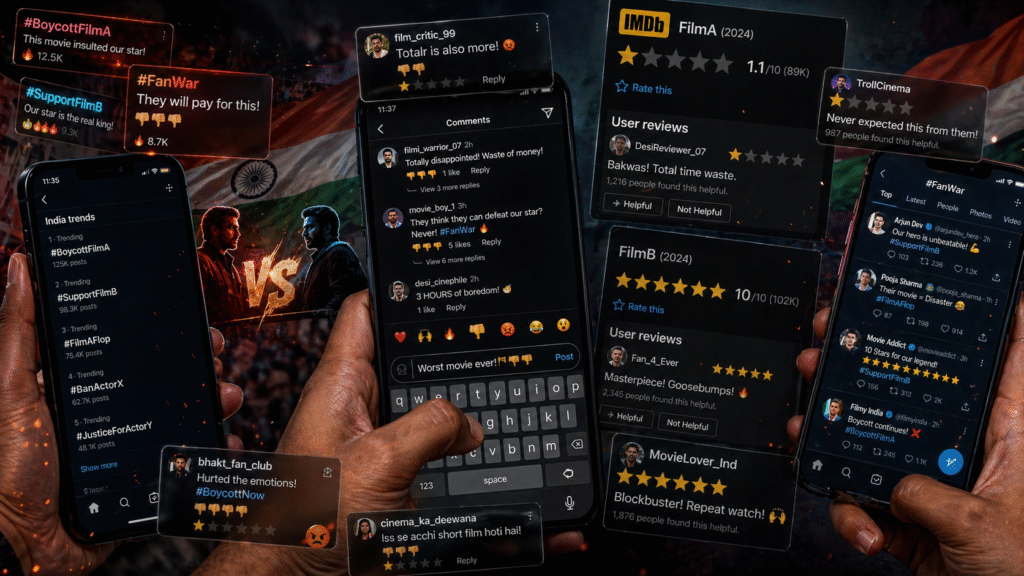
Fan wars happen when two or more star camps clash, especially during release dates. One side boosts their film with mass liking, sharing, and positive reviews. The other counters with review bombing—deliberately tanking ratings on IMDb, Rotten Tomatoes, or Google. Hashtags trend overnight, memes go viral, and suddenly a movie’s fate feels decided before the first show. It’s like two cricket teams facing off, except the stadium is your timeline and the ball is public opinion. For the 15-45 age group—students, young professionals, and families glued to phones—this isn’t background noise; it’s daily entertainment that spills into real life.
Social Media Feuds Explained: The Digital War Room
Unlike old-school word-of-mouth, today’s battles are strategic. Here’s how they play out:
- Review Bombing Tactics: Coordinated groups flood platforms with fake or exaggerated negative (or positive) feedback. A single trending hashtag can shift a film’s IMDb score by whole points in hours.
- Trend Jacking: Fans hijack unrelated trends or create viral challenges to dominate feeds.
- Meme Warfare and PR Amplification: Edited clips, deepfakes, or out-of-context quotes spread like wildfire, shaping narratives before anyone sees the film.
- Cross-Platform Attacks: From X (formerly Twitter) to Instagram Reels and WhatsApp groups, the war spreads across borders—North vs South, Bollywood vs pan-India.
The pitch? Fans believe they’re “supporting” their idol. For the average moviegoer, it’s a noisy distraction. But in 2026 India, with massive clashes like Yash’s Toxic being postponed to avoid Dhurandhar 2, these feuds aren’t just online—they directly influence release strategies, marketing budgets, and even actors’ mental health.
The Big Debate: Do Fan Wars Help or Hurt Indian Cinema?
Here’s where it gets juicy—filmmakers, critics, and audiences are split. Let’s break it down fairly.
The Pros: Why Fan Energy Can Feel Like Rocket Fuel
- Massive Hype Machine: Loyal stans create organic buzz that no paid campaign can match. Pre-release trailers rack up millions of views, and theatres fill up on day one because fans show up in droves.
- Box-Office Boost: Organised campaigns have helped films cross opening records. In an era of short attention spans, fan armies keep the conversation alive for weeks.
- Community and Belonging: For young Indians navigating jobs, studies, and city life, these groups offer friendship, identity, and shared excitement—much like following a favourite IPL team.
Think of it as desi fandom at its energetic best: the same passion that fills stadiums for cricket or melas now fills multiplexes.
The Cons: Where Things Turn Truly Toxic
- Review Manipulation: Honest criticism gets drowned out. A genuine 7/10 film can look like a 3/10 disaster, scaring away neutral viewers and hurting long-term collections.
- Psychological Toll on Artists: Stars report anxiety, depression, and burnout from constant online hate. Directors and writers hesitate to take creative risks when one bad trend can tank reputations.
- Dividing Audiences: Instead of uniting over great cinema, fans draw lines—Bollywood vs South, Star A vs Star B. It fosters negativity that spills into real-world arguments, even family dinners.
- Credibility Crisis: Insiders whisper about paid reviews, bulk ticket buying, and manipulated numbers, eroding trust in the entire industry.
Recent clashes in 2026—whether Toxic’s strategic shift or heated debates around big releases—show how these wars force studios to play defense rather than focus on storytelling. One side’s “victory” often leaves the audience as the real loser: fewer quality films, more safe formulaic fare.
The Indian Twist: Desi Stans, Pan-India Clashes, and Cultural Heat
Fan wars aren’t new to us Indians—we’ve always been passionate about our heroes, from Amitabh Bachchan’s era to the current pan-India wave. But our unique mix of star worship, regional pride, and social media makes it explosive. Think Karva Chauth-level devotion meeting IPL-level rivalry.
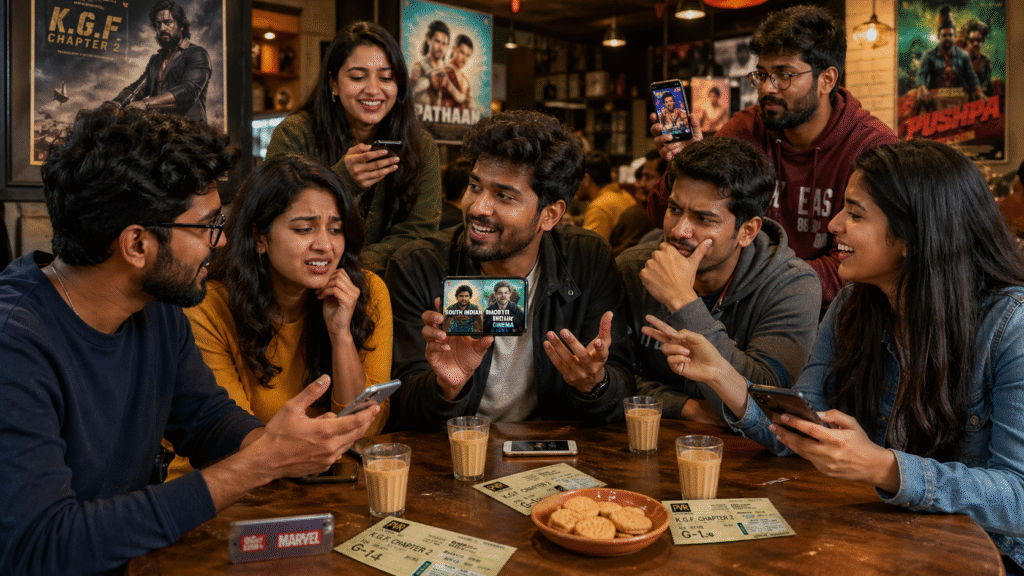
Every big clash—be it North-South face-offs or same-weekend releases—ignites fresh battles. Fans from different states bring their own flavors: intense loyalty in the South, mass appeal in the North, and everything amplified by affordable data and endless scrolling. Our everyday lives—college canteens, office chai breaks, family WhatsApp groups—become extensions of the war. Delicious? Sometimes. Ideal for cinema? Not when it turns friends into rivals or makes neutral viewers tune out entirely.
The 2026 calendar is packed with potential flashpoints. With films like Border 2 proving patriotism sells but also drawing fan armies, the line between celebration and sabotage is thinner than ever.
Real Stories: Triumphs, Tumbles, and Heartbreaks from the Frontlines
Let’s hear from the youth living it.
- Vikram, 21, Hyderabad: A proud pan-India fan, he campaigned hard for a South-led release. “We trended worldwide and the opening was massive!” But when backlash hit the rival camp, he stepped back. “I realized I was part of the problem. Now I just watch and share good stuff.”
- Ananya, 24, Mumbai: She stopped engaging after her favorite actor faced brutal trolling. “The memes hurt. I unfollowed fan pages and started watching films offline with friends. Cinema feels fun again.”
These tales prove one thing: fan wars aren’t a game. They’re real emotions with real consequences. Some emerge stronger, building genuine appreciation; others burn out and walk away.
Healthy Fandom: Tips to Enjoy Cinema Without the Drama
Thinking of jumping into the next big release? Here’s how to keep it fun and fair:
- Watch First, Judge Later: Form your opinion after the film, not the trailer war.
- Support, Don’t Sabotage: Like and share what you love—ignore or mute what you don’t.
- Seek Diverse Voices: Follow critics from different backgrounds and read balanced reviews.
- Take Breaks: Set phone limits during release weekends to protect your peace.
- Celebrate Talent, Not Just Stars: Praise great performances across camps.
- Talk It Out Offline: Discuss movies with family or friends face-to-face—it builds real connections.
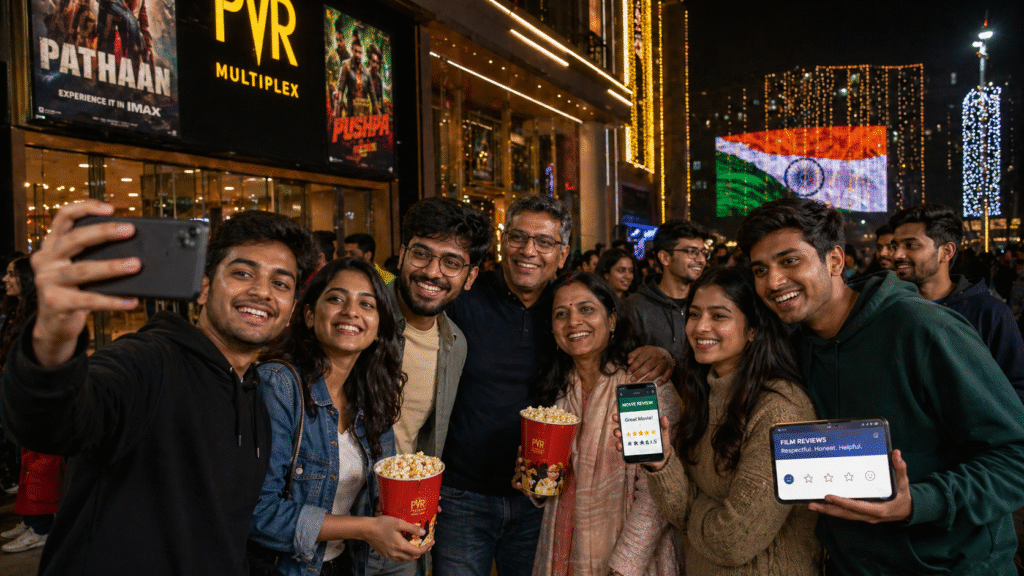
Desi Social Media Hacks: Navigating the Timeline Smartly
What you engage with in your feed can make or break your love for cinema. Here’s a balanced Indian approach:
- Curate Your Feed: Follow official handles and positive creators, mute toxic keywords.
- Fact-Check Hype: Cross-verify box-office claims and reviews from multiple sources.
- Create Positive Content: Post your honest reviews with spoilers hidden—help others decide.
- Offline Rituals: Plan theater outings with mixed groups to enjoy the big-screen magic together.
Steer clear of endless arguments, anonymous hate, and one-sided echo chambers. Nourish your passion—don’t let it consume you.
Wrapping It Up: Passion or Poison? The Choice Is Yours
So, do fan wars help or hurt Indian cinema? It’s not black-and-white. For some, they’re an adrenaline rush that fills seats and creates cultural moments. For others, they’re a toxic cloud that ruins the joy of storytelling and drives people away from theaters. The difference lies in how we participate: with enthusiasm and respect, or with blind loyalty and aggression.
Studios are watching closely—postponing releases, ramping up PR, even calling for healthier discourse. But real change starts with us, the audience aged 15-45 who hold the power in our thumbs. If fan wars tempt you into the fray, pause and ask: Am I celebrating cinema or just my side?
Cinema is a marathon of stories, not a sprint of rivalries. You’re bigger than any hashtag war. What’s your take? Got caught in a fan war or found a way to enjoy films peacefully? Drop your story in the comments below—let’s swap notes, support great movies, and keep the conversation respectful. Jai Hind to good cinema!
You May Like This
1



Advertisement
You May Like This








Advertisement
Advertisement
Advertisement