

Advertisement

- Updated on May 9, 2026
- IST 12:08 pm
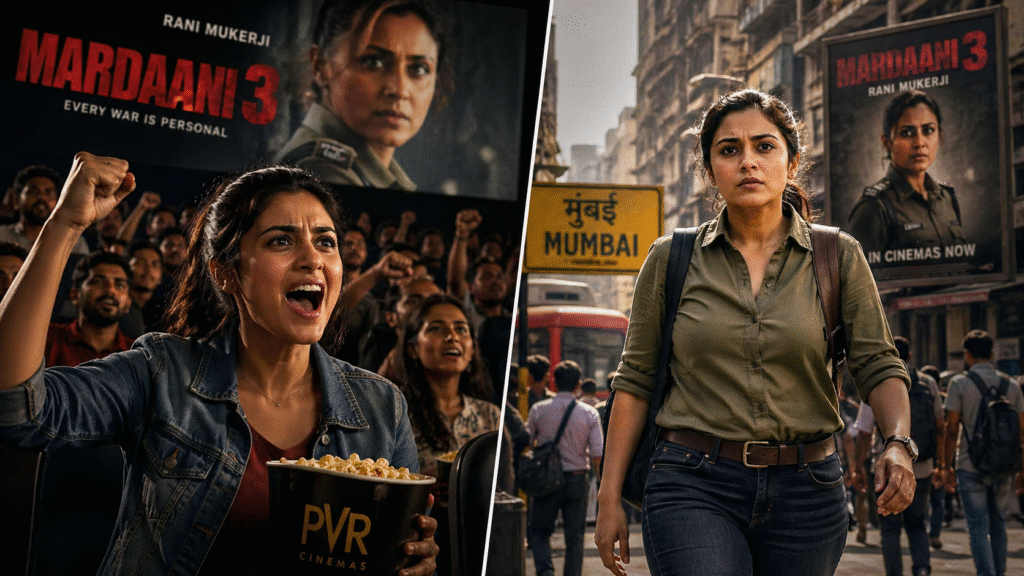
Imagine this: 19-year-old Sneha from Kolkata is glued to her phone in a crowded metro, heart pounding as she watches the trailer for Mardaani 3. Rani Mukerji as ACP Shivani Shivaji Roy storms the screen—fierce eyes, no-nonsense stance, delivering a punchy line that echoes through the carriage: “Main ek aurat hoon, lekin woh bhi hoon jo dar nahi lagti.” Sneha cheers silently. She drags her college gang to the theatre on opening day. Two hours later, they’re buzzing: “Yeh toh asli action thi, bhai! No item songs, no unnecessary drama—just pure power.” For Sneha, it’s not just a movie; it’s validation that women can headline the big screen and still pack a punch.
Now picture 42-year-old Rajesh Uncle from Pune, a die-hard Shah Rukh Khan fan who’s seen every Pathaan and Jawan screening. He sits through Mardaani 3 with his family, arms crossed, muttering, “Achha hai, but kya yeh 100 crore wala blockbuster ban payega? Hero ke bina action picture chalti hai kya aaj kal?” He enjoys Rani’s intensity but leaves wondering if the industry will ever give female-led spectacles the same massive budgets and marketing muscle that male megastars command.
So, what’s the real verdict? Can a woman carry a ₹100 crore-plus action film on her shoulders without a male superstar propping her up? The release of Mardaani 3—the third instalment in the only female-fronted action franchise in Bollywood—has put the entire industry to the ultimate test. With Rani Mukerji returning as the unstoppable cop Shivani Shivaji Roy, this film isn’t just another thriller; it’s a litmus test for the viability of female-led action in a market still dominated by larger-than-life male heroes. In this blog, we’ll break down the box office numbers, audience reactions, representation wins, and the tough challenges ahead. We’ll explore whether Mardaani 3 signals a new dawn for women in Bollywood action or if it’s still fighting an uphill battle. Let’s dive deep and figure this out together, desi style.
Understanding the Mardaani Legacy: From One Cop to a Movement
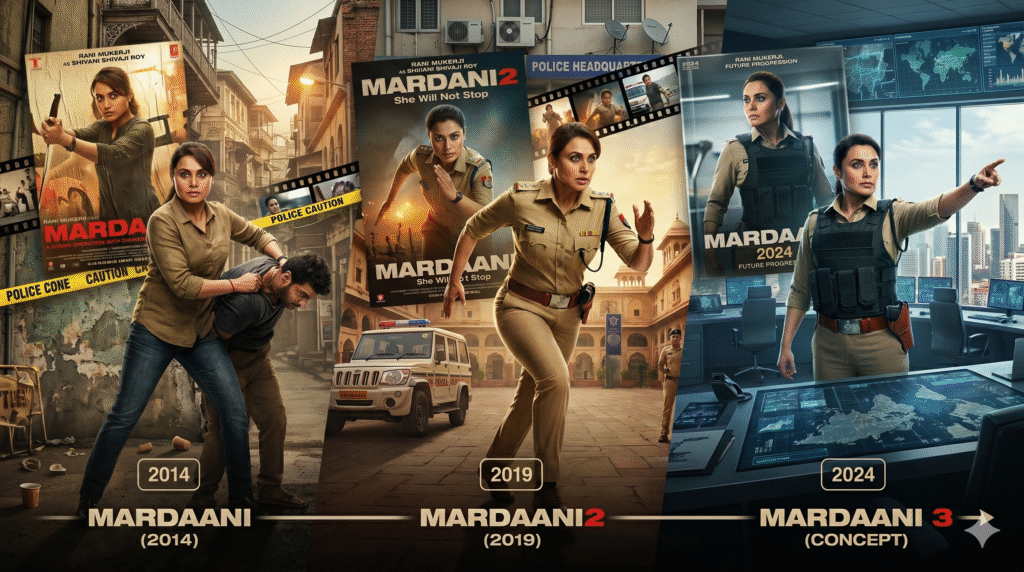
Let’s rewind a bit. When Mardaani hit theatres in 2014, it was a quiet revolution. Rani Mukerji, fresh off versatile roles in dramas and comedies, transformed into ACP Shivani Shivaji Roy—a no-nonsense, morally upright police officer tackling child trafficking with raw intensity. No glamour, no romance subplot dominating the narrative—just a woman doing her job with grit. The film wasn’t a box office juggernaut (around ₹35 crore nett), but it carved a niche. It proved audiences were ready for strong, unapologetic female leads in action territory traditionally ruled by men like Akshay Kumar or Salman Khan.
Then came Mardaani 2 in 2019, which upped the ante. With a tighter script and even bolder confrontation scenes, it grossed nearly ₹47 crore nett—better than its predecessor. Rani’s performance earned critical acclaim, and the franchise became synonymous with hard-hitting stories on crimes against women. Fast-forward to 2026: Mardaani 3 arrives on January 30 with a reported ₹60 crore budget, the highest yet for the series. Directed with the same YRF polish, it dives into a darker, more brutal case, keeping the focus laser-sharp on Shivani’s unyielding fight. But in an era of ₹200-300 crore male-led spectacles like recent SRK or Hrithik blockbusters, can this franchise truly break out? That’s the million-rupee question.
Mardaani 3 Explained: Action with a Conscience
Unlike typical masala actioners loaded with high-octane chases, item numbers, and star power, Mardaani 3 sticks to its roots: gritty realism meets pulse-pounding sequences. Rani Mukerji once again shoulders the film entirely—no big male co-star to share the load. The story follows Shivani as she investigates what’s described as her most challenging case yet, blending procedural drama with intense action set-pieces that feel grounded yet cinematic. Think hand-to-hand combat in narrow Mumbai alleys, tense interrogations, and emotional stakes rooted in real societal issues like violence against women.
Early reports peg its worldwide gross at around ₹78-79 crore (India nett approximately ₹53 crore), making it the highest earner in the franchise. It opened decently at ₹4 crore on Day 1, built momentum over the weekend, and showed remarkable hold in subsequent weeks despite competition from newer releases. Critics praised Rani’s commanding screen presence—she “kills it,” as one review put it—while noting the film’s unflinching look at systemic failures. But here’s the twist: in a market where male megastars routinely cross ₹100-200 crore with ease, Mardaani 3 is respectable yet not a runaway blockbuster. It recovered a solid chunk of its budget but fell short of massive profitability. Is this a win for female-led action, or does it highlight the persistent shadow of male stardom?
The Big Debate: Does Female-Led Action Help or Hurt the Cause?
Here’s where things get juicy—industry insiders, audiences, and analysts are divided. Let’s unpack both sides with clear eyes.
The Pros: Why Mardaani 3 Feels Like a Breakthrough
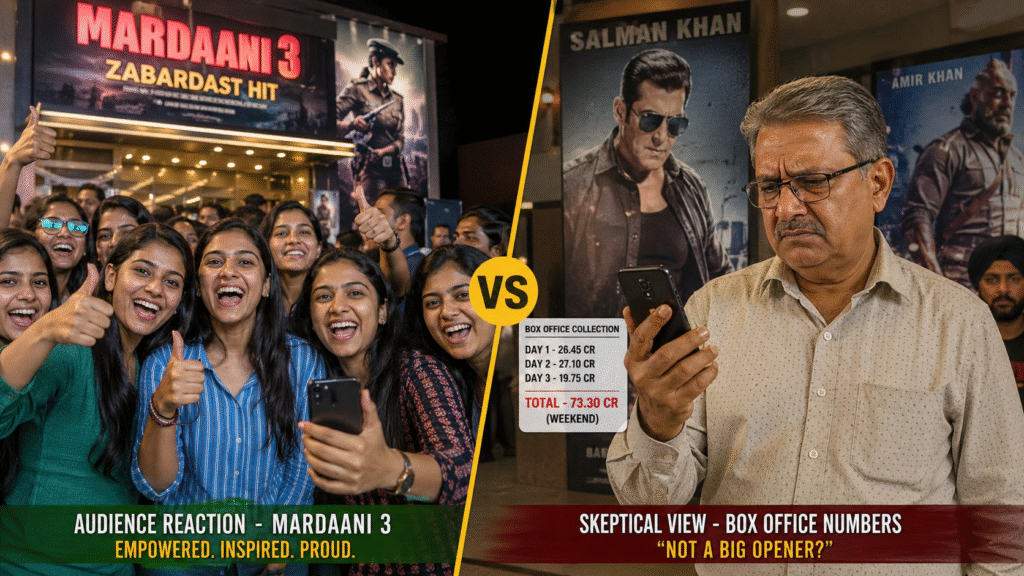
- Box Office Resilience Without a Male Lead: In a star-driven industry, Mardaani 3 proved a solo female performer can open and sustain a franchise film. It outperformed its predecessors and drew strong word-of-mouth, especially from women and younger audiences. Rani herself called it a “healthy sign” that female-led films are getting theatrical love even amid “alpha male” dominance.
- Powerful Representation: The franchise has consistently spotlighted crimes against women—trafficking, assault, systemic injustice—without diluting the action. It empowers viewers, particularly young girls, showing that heroism isn’t gender-specific. Sneha and her friends aren’t alone; social media was flooded with women sharing how Shivani inspired them to speak up.
- Budget Efficiency and Longevity: Made on a controlled ₹60 crore, it delivered solid returns and has strong OTT potential (hitting Netflix later). This model could encourage studios to greenlight more female-fronted projects without needing sky-high male-star salaries.
- Cultural Shift: It joins a growing list of women-led successes (think Gangubai Kathiawadi, Crew, or South hits like Lokah: Chapter 1). Rani’s role challenges the notion that action requires bulging muscles and mass appeal tied to male charisma.
The Cons: Where the Shadow of Male Megastars Looms Large
- Scale Limitations: ₹53 crore nett is impressive for a female-led cop drama, but compare it to recent male-led actioners that routinely hit double or triple that. Marketing budgets, screen counts, and pre-release hype still favour stars like Salman or SRK. Many theatres prioritised bigger releases, limiting Mardaani 3’s reach.
- Audience Expectations and Fatigue: Some viewers (like Rajesh Uncle) crave the escapist spectacle—larger-than-life stunts, romances, and star wattage. Pure, hard-hitting action without those elements can feel “heavy” or niche to mass audiences.
- Industry Scepticism: Despite the numbers, greenlighting similar projects remains tough. Producers often cite “risk” when a female lead doesn’t have a male co-star to “balance” the appeal. Budgets for female-led action still lag behind male counterparts.
- Sustainability Question: One film doing okay doesn’t guarantee a flood of opportunities. Without consistent hits, the momentum could stall, leaving talented actresses fighting for scraps.
Priya’s excitement shows the hunger is there; Rajesh Uncle’s doubt reflects entrenched mindsets. The truth? Mardaani 3 is proof of concept—but not yet a complete paradigm shift.
The Indian Twist: Action Meets Desi Realities and Societal Pulse
Bollywood action has always mirrored our cultural love for larger-than-life heroes—think Amitabh Bachchan’s angry young man or today’s patriotic blockbusters. But Mardaani flips the script by rooting its action in everyday Indian struggles: unsafe streets, corrupt systems, and the daily battles women face in homes, workplaces, and public spaces. In a country where conversations around women’s safety spike with every headline, Shivani Shivaji Roy becomes more than a character—she’s a symbol of resilience.
Our desi audiences connect deeply with stories that blend thrill with social commentary. Karva Chauth or Navratri might celebrate traditional roles, but urban youth and working women crave narratives that show them as warriors. Mardaani 3 taps into this by keeping the action raw and relatable—no Swiss Alps chases, just gritty Mumbai or small-town settings that feel like our neighbourhoods. Yet, the Indian market’s preference for “masala” entertainment means pure action without songs or star power often needs an extra push. The franchise’s success lies in balancing intensity with emotional hooks that resonate across generations—from college girls in Tier-2 cities to working moms in metros.
Real Stories: Triumphs, Challenges, and Turning Points
Let’s hear from those living this shift.
- Rani Mukerji herself: At success events, she’s been emotional, noting the franchise gives strength to women and raises awareness. “Even if one girl is affected, it’s a failure of society,” she’s said, emphasising why these films matter beyond the box office.
- Young viewer Ayesha, 24, Bengaluru: “I walked out feeling powerful. Finally, a heroine who doesn’t need saving—she does the saving. My friends and I recreated her dialogue on Reels!”
- Industry insider (director, name withheld): “We pitched a female-led spy thriller recently. Mardaani 3’s numbers helped, but the studio still asked for a male co-lead ‘for safety.’ Progress is slow.”
- Veteran critic: “Rani carries it brilliantly, but the industry must invest equally in promotion. Male stars get month-long campaigns; women get two weeks.”
These voices highlight both inspiration and frustration. Triumphs are real; systemic hurdles remain.
Smart Strategies: How Female-Led Action Can Truly Thrive
Thinking of backing or watching more such films? Here’s how to make it work:
- Strong, Layered Writing: Focus on character depth alongside action. Audiences want heroes they root for emotionally.
- Smart Marketing: Leverage social media, women-centric events, and Reel-friendly clips to build grassroots buzz.
- Budget Discipline with Scale: Control costs but don’t skimp on production values that make action pop.
- Collaborate Across Genders: Male directors/writers bringing fresh perspectives, like in the Mardaani team.
- Audience Engagement: Host special screenings and panel discussions on women’s safety to turn viewers into advocates.
- Hybrid Releases: Theatrical push followed by a strong OTT strategy to maximise reach.
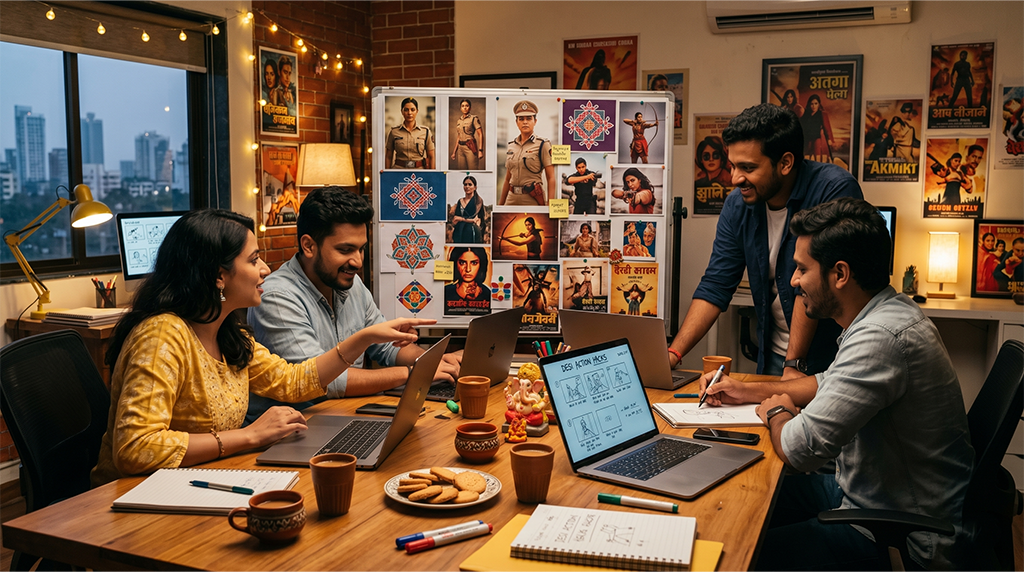
Desi Action Hacks: Crafting Hits That Click with Indian Hearts
What elevates a female-led actioner in our market?
- Relatable Stakes: Tie personal stories to broader issues—like family pressure, workplace bias, or street safety.
- Powerful Dialogues: Memorable one-liners that go viral, perfect for Reels and WhatsApp forwards.
- Authentic Locations: Shoot in real Indian spaces—local trains, crowded markets—for that immersive feel.
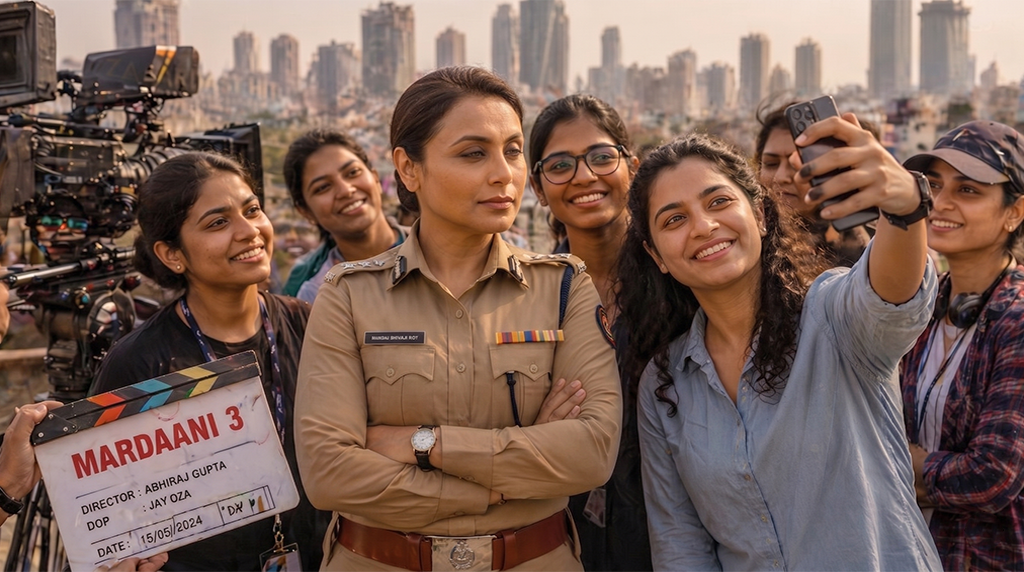
- Diverse Casting: Supportive female ensembles (as seen with new talents in Mardaani 3) to broaden appeal.
- Balanced Tone: Mix intensity with lighter, culturally resonant moments without diluting the core.
Steer clear of tokenism. Audiences can smell inauthenticity from a mile away.
Wrapping It Up: The Verdict on Bollywood’s Action Future
So, does Mardaani 3 pass the test? It’s not black-and-white. The film has grossed respectably, outperformed its predecessors, and reaffirmed that female-led action can draw crowds and spark conversations. Rani Mukerji has once again proven that one woman can command the screen with unshakeable authority. For Sneha’s generation, it’s a beacon of possibility; for sceptics like Rajesh Uncle, it’s a nudge toward change.
Yet the shadow of male megastars lingers—bigger budgets, wider releases, and cultural inertia mean female franchises still fight harder for every rupee. The future isn’t guaranteed, but Mardaani 3 lights the path: invest in strong stories, back talented women fully, and audiences will show up. Bollywood has evolved before—from the silent era to talkies, single screens to multiplexes. This could be the next chapter if we dare to write it.
If you’re a movie lover, aspiring filmmaker, or just someone who roots for powerful women on screen, what’s your take? Did Mardaani 3 inspire you, or do you think we need more bold risks? Drop your stories, favourite female action moments, or hot takes in the comments below. Share this with your gang, tag a friend who loves strong heroines, and let’s keep pushing for cinema that reflects our real strength. The reel is changing—now it’s time for the real shift. Your voice matters!
You May Like This
1



Advertisement

You May Like This








Advertisement
Advertisement
Advertisement