

Advertisement

Advertisement

- Updated on May 15, 2026
- IST 1:58 pm
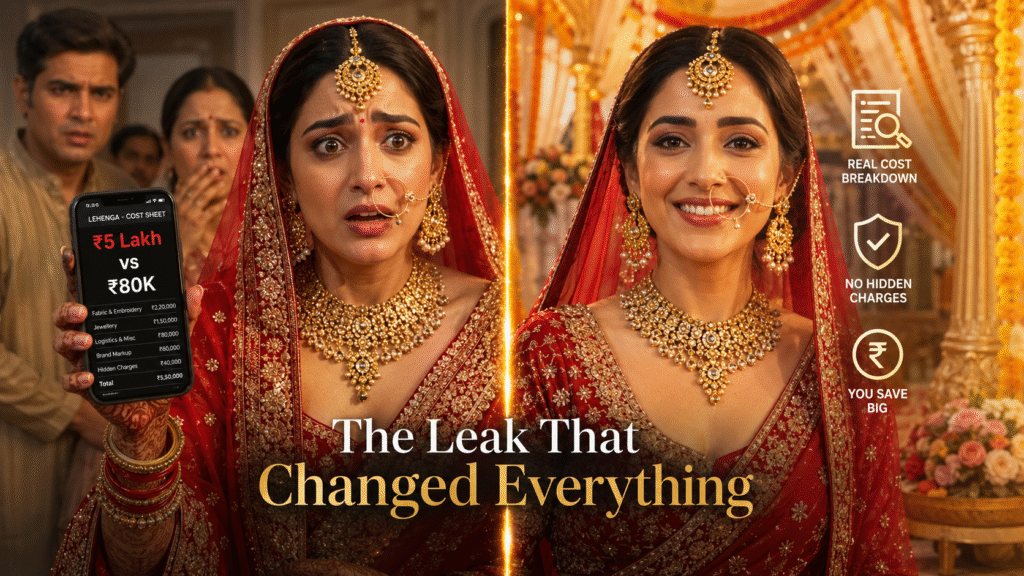
Imagine this: Priya, a 27-year-old marketing executive from Mumbai, had pictured her wedding day a thousand times. She and her family scrimped, saved, and even took a small loan so she could walk down the mandap in a Sabyasachi bridal lehenga priced at ₹5 lakhs. The rich red silk, the breathtaking zardozi embroidery that caught every flicker of light—it made her feel like a modern-day maharani. “This is an investment in my memories,” her mother said proudly as they swiped the card. But just weeks after the wedding, when a purported internal cost sheet from Sabyasachi’s atelier leaked on Reddit in April 2026, Priya stared at her phone in disbelief. Raw materials and karigar wages totaling around ₹80,000? “Did we just pay six times the real cost for a label?” she whispered to her husband, the magic of her big day suddenly feeling a little tarnished.
Now picture Anjali, 29, from Hyderabad. She too fell in love with Sabyasachi’s signature aesthetic during her wedding shopping. But when the leak went viral and #ShowUsTheMarkup started trending, she paused. After talking to industry insiders and comparing notes with friends, she chose a skilled local couturier who replicated the exact look—same silk, same hand-embroidery—for under ₹1.5 lakhs. Her wedding album looks every bit as regal. “I honored the craft without funding the markup,” she later told her cousins over chai. “My lehenga still makes me feel like royalty, but my bank balance stayed intact.”
So what’s the truth? When a secret document itemizing raw silk, zardozi labor, and atelier overheads for a bestseller lehenga lands online, does it expose ruthless profiteering or simply reveal the hidden realities of luxury Indian couture? With weddings costing families lakhs and middle-class dreams on the line, this leak has ignited a fiery debate across Reddit, Instagram, and family WhatsApp groups. In this blog, we’ll dissect the leaked numbers, hear from brides, karigars, and insiders, explore the real economics behind those breathtaking lehengas, and help you decide whether the Sabyasachi price tag is worth it in 2026. Let’s unpack the glamour, the grit, and the growing call for transparency—together.
Understanding the Sabyasachi Phenomenon: Heritage on the Runway
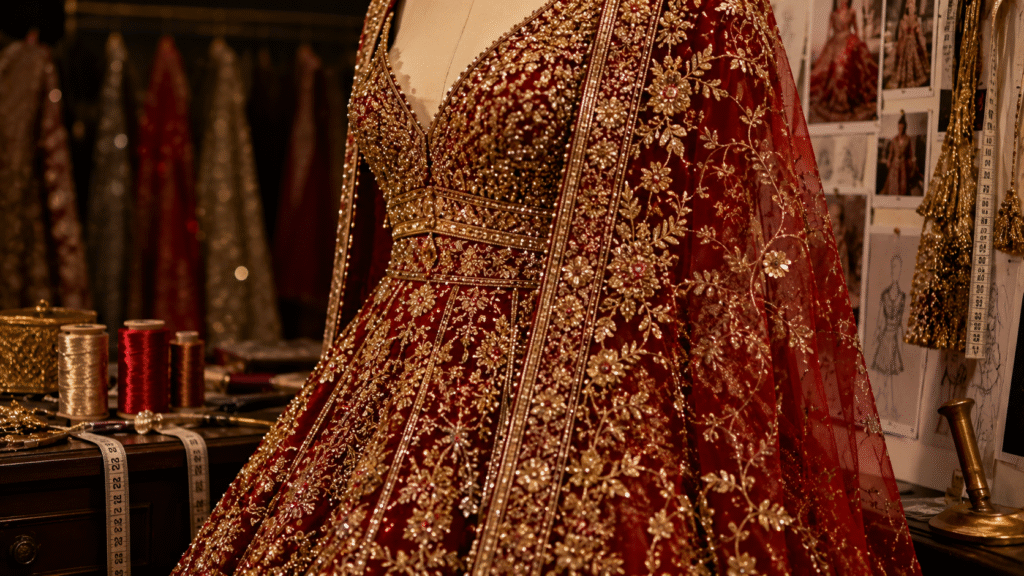
Sabyasachi Mukherjee isn’t just a designer—he’s a cultural icon. For over two decades, his label has defined Indian bridal couture with its opulent silks, intricate hand-embroidery, and unapologetic celebration of heritage. Think heavy zardozi, vintage-inspired motifs, rich color palettes that scream timeless royalty. Brides from Delhi to Dubai, Mumbai to Manhattan dream of wearing his pieces because they represent more than fabric; they represent legacy, exclusivity, and that unmistakable “I’ve arrived” moment captured in a thousand wedding reels.
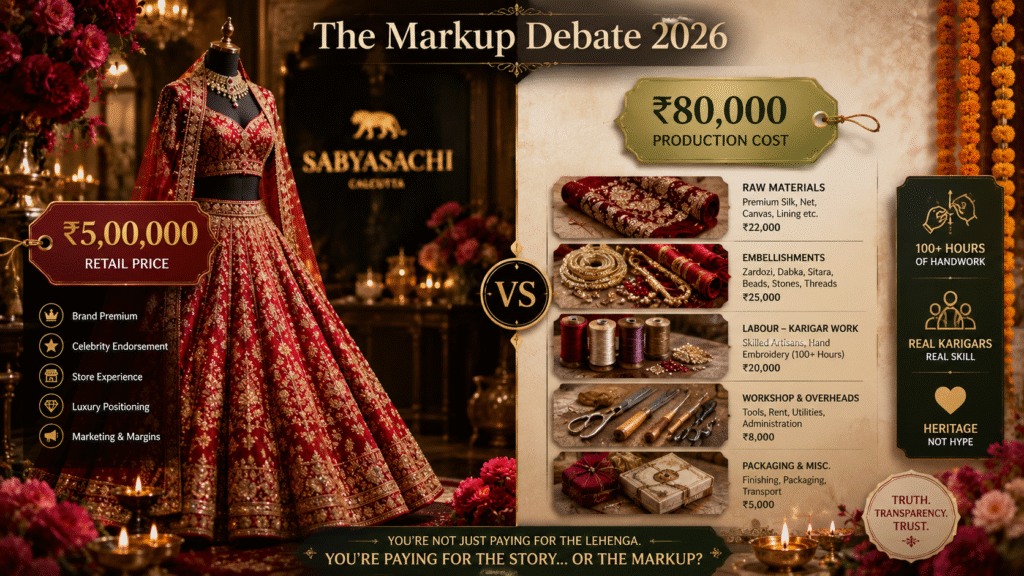
But in 2026, with average Indian wedding spends hitting ₹25-40 lakhs, that dream comes with a steep price tag. A signature Sabyasachi bridal lehenga routinely starts at ₹5 lakhs and climbs to ₹10-15 lakhs for fully customized masterpieces. The brand’s aura is built on limited drops, meticulous craftsmanship, and celebrity endorsements that make every piece feel rare. Yet the leaked cost sheet—circulating widely on Reddit’s r/DesiWeddings and fashion forums—claims to break it all down: raw silk and base fabric around ₹20,000-25,000, zardozi and embroidery labor ₹30,000-40,000, trims and finishing another ₹10,000-15,000, plus overheads. Total production? Roughly ₹80,000. The internet did the math instantly: 500-600% markup.
Is this just standard luxury pricing, or something more? To understand, we first need to look at what actually goes into creating one of these showstoppers.
The Leaked Cost Sheet Explained: Numbers Behind the Glamour
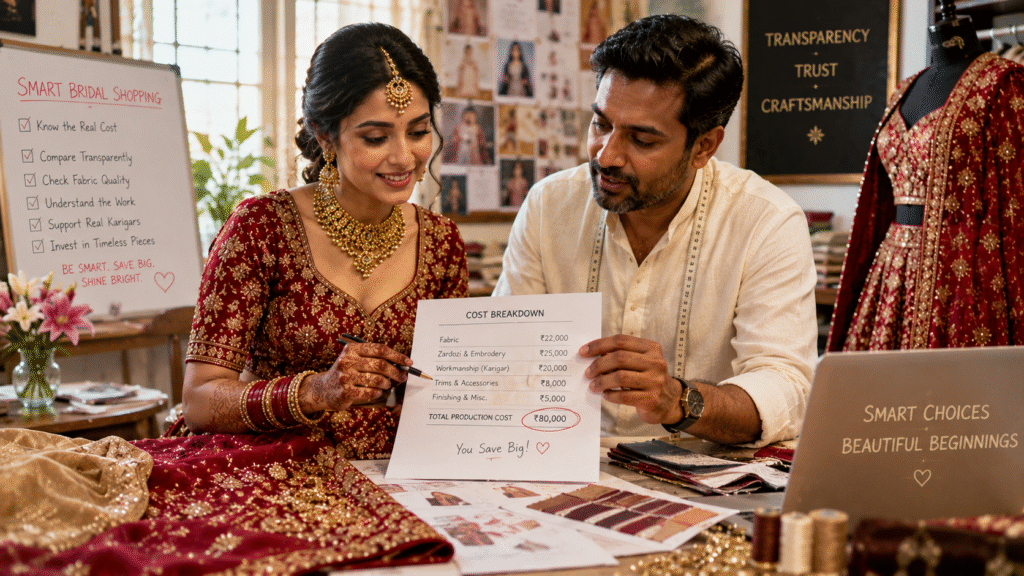
According to the document that went viral, the breakdown for a popular red bridal lehenga looked something like this:
- Raw materials (silk, threads, beads): ₹25,000-30,000
- Karigar wages (zardozi, aari, hand-embroidery—often 200-400 hours of skilled labor): ₹35,000-45,000
- Atelier overheads (design, fitting, quality checks, packaging): ₹15,000-20,000
- Total estimated production cost: ₹75,000-85,000
Retail price: ₹5,00,000+.
The leak didn’t come with official confirmation from the brand, but it sparked immediate outrage and defense. Some called it a fake; others pointed to similar whispers in the industry about high markups. What it did reveal, however, is the vast gap between what artisans earn and what brides pay. Zardozi karigars in Lucknow or Kolkata often work 12-16 hour days for ₹100-150 daily—barely enough for basic survival—while the final piece sells for lakhs.
This isn’t unique to Sabyasachi, but the brand’s visibility made it the perfect lightning rod. Suddenly, every bride-to-be was asking: Am I paying for the art or for the name?
The Big Debate: Masterpiece Markup or Ethical Overreach?
Here’s where it gets juicy—brides, designers, karigars, and fashion insiders are deeply divided. Let’s break it down fairly.
The Pros: Why the Price Tag Might Actually Be Justified
- Intangible Brand Value: Sabyasachi isn’t selling just a lehenga—it’s selling heritage, storytelling, and status. The design process, celebrity association, global marketing, and exclusivity create emotional and social capital that no local tailor can match. For many families, it’s an heirloom piece that elevates the entire wedding narrative.
- True Craftsmanship Costs: Hand-embroidery takes hundreds of hours. Premium silk sourcing, multiple fittings, and flawless execution aren’t cheap. When done right, these pieces last generations.
- Supporting an Ecosystem: The brand employs hundreds of skilled artisans, preserves dying crafts like zardozi and gota work, and pays above-average wages in some cases compared to unorganized sectors. Luxury pricing subsidizes this ecosystem.
- Perceived Quality and Resale: Many brides report their Sabyasachi pieces hold resale value on platforms like OLX or Instagram, unlike mass-produced alternatives.
Take Anjali’s friend Riya, who wore hers for her destination wedding: “The compliments never stopped. It wasn’t just clothing—it was confidence.”
The Cons: Where the Outcry Feels Valid
- Astronomical Markups: A 500%+ gap between production and retail raises eyebrows, especially when karigars live in poverty. Critics argue the brand profits disproportionately while romanticizing “heritage” labor.
- Lack of Transparency: No official cost breakdowns, no public wage audits. In an era of conscious consumerism, opacity feels outdated.
- Pressure on Middle-Class Families: With inflation and rising wedding costs, many feel forced into debt for “prestige” that benefits the brand more than the bride.
- Replicas Proving the Point: Skilled artisans in smaller ateliers create near-identical looks for a fraction of the price, fueling the “why pay more?” narrative.
Priya’s post-leak regret is shared by many: “I still love the lehenga, but knowing the numbers changed how I feel about the purchase.”
The debate isn’t black-and-white. It forces us to ask deeper questions about value in Indian luxury fashion.
The Indian Twist: Tradition, Status, and the Big Fat Wedding Reality
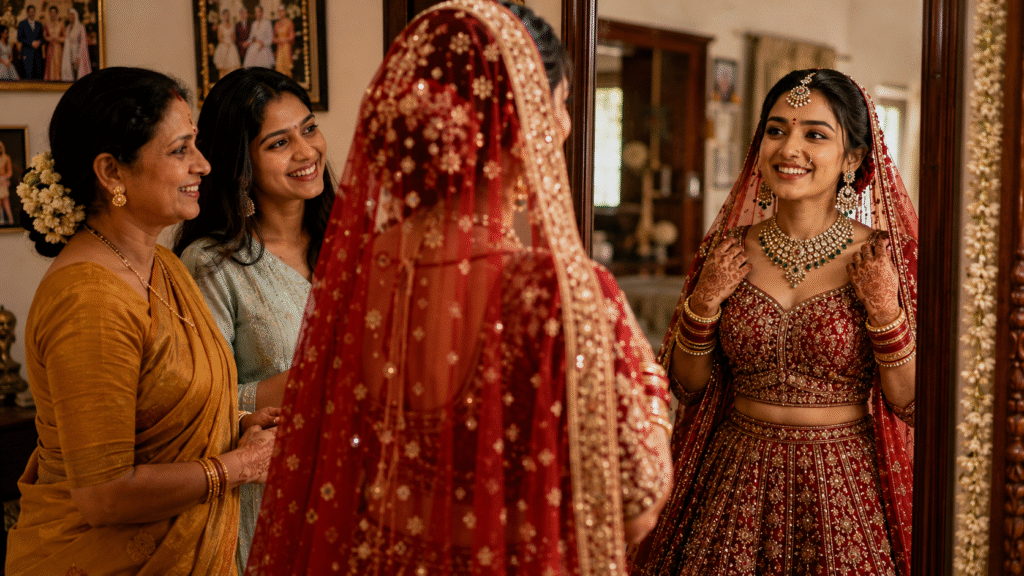
In Indian weddings, clothing has never been just fabric—it’s identity, family honor, and generational legacy. From Mughal-era zardozi to modern bridal couture, lehengas carry stories of resilience and celebration. Sabyasachi tapped perfectly into this, turning bridal wear into aspirational art. Yet 2026 India is different: nuclear families, dual-income couples, and skyrocketing living costs mean the average middle-class wedding budget is stretched thin.
South Indian, North Indian, and even diaspora brides are now weighing sentiment against sensibility. Viral Instagram reels showing “Sabyasachi dupes” done by local karigars for ₹1-2 lakhs are changing minds. Elders who once insisted on big designer labels are quietly acknowledging the financial strain. The leak has accelerated a cultural shift: prestige is being redefined from “most expensive” to “smartest choice.”
Real Stories: Brides, Karigars, and the Human Side
Let’s hear from those living it.
- Meena, 26, Bengaluru: “I bought a Sabyasachi for ₹6.5 lakhs. The leak made me question everything, but my husband reminded me we bought the experience. Still, next time I’m exploring ethical alternatives.”
- Ritu, 30, Kolkata: A karigar’s daughter herself, she chose a custom piece from a smaller atelier. “My father embroidered similar work for big brands for pennies. I refused to pay lakhs that never reached his pocket.”
- Aarohi, 28, Delhi: “The leak went viral in our family group. My mother-in-law actually supported renting a Sabyasachi-inspired set instead. Saved us ₹4 lakhs for the honeymoon!”
- Sneha, 25, Chennai: Wore a high-end replica and received endless compliments. “No one could tell the difference on camera. The math just made more sense.”
These voices show the debate is personal, emotional, and evolving.
Smart Bridal Shopping Tips for 2026: Make Informed Choices
Thinking of investing in couture? Here’s how to navigate wisely:
- Do the Math Yourself: Ask for detailed quotes and compare with local artisans.
- Prioritize Craft Over Label: Focus on quality of embroidery, fabric, and fit rather than name.
- Consider Pre-Owned or Rental: Platforms now offer authentic Sabyasachi pieces at 40-60% off.
- Support Transparent Brands: Seek designers who share wage info or fair-trade practices.
- Mix and Match: Buy one statement piece and replicate the rest affordably.
- Talk to Karigars: Visit ateliers; understand the real labor behind the glamour.
- Budget Realistically: Allocate savings to experiences that last longer than one day.
Wrapping It Up: Worth the Hype or Time for Change?
The leaked cost sheet didn’t just expose numbers—it exposed a larger conversation about value, ethics, and what we truly celebrate in Indian weddings. For some, a ₹5 lakh Sabyasachi lehenga remains a proud symbol of achievement and artistry. For others, it’s a wake-up call that tradition shouldn’t come at the cost of transparency or fairness.
In 2026, the smartest brides are asking harder questions and making choices that honor both heritage and household budgets. Whether you choose the original, a brilliant replica, or something entirely new, your wedding should feel like a celebration—not a financial burden.
What’s your take? Did the leak change how you view designer pricing? Have you bought Sabyasachi or opted for alternatives? Drop your stories, questions, or tips in the comments below. Let’s keep this important conversation going and help fellow brides make empowered decisions. Share this with any wedding WhatsApp group—you might just save a family lakhs and spark some real talk!
You May Like This
1



Advertisement
Advertisement
You May Like This






Advertisement
Advertisement
Advertisement
Advertisement
Advertisement
Advertisement