

Advertisement

- Updated on April 17, 2026
- IST 9:38 am
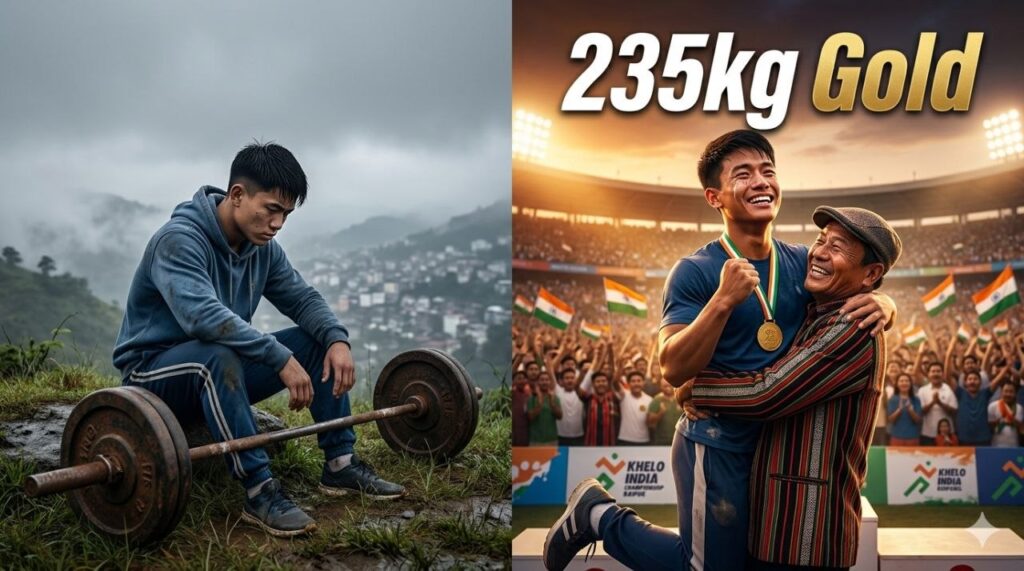
Imagine this: It’s a misty morning in Aizawl, 2024. Sixteen-year-old Isak Malsawmtluanga stares at the rusted barbell in his coach’s makeshift gym, tears mixing with sweat. His father was taken in a bike accident back in 2018—the same year Isak first picked up weights as a way to cope. Now his mother has just lost her battle with cancer. The bar feels heavier than ever. “I’m done,” he whispers to his uncle, a small restaurant worker scraping by on meagre tips. “How can I lift when everything’s broken?” His childhood coach gently places a hand on his shoulder. “Beta, the iron doesn’t care about your pain—it only respects your fight.” Isak nearly walks away forever.
Now picture 18-year-old Rohan, a lanky teen from a small village near Imphal. He scrolls through his phone late at night, watching grainy clips of the Khelo India Tribal Games 2026 in Raipur. His own family struggles with daily-wage jobs and no sports support. But when he sees Isak—back aching, parents gone—step up, snatch 100 kg, then explode in the clean and jerk to hit 235 kg total and claim men’s 60 kg gold, Rohan’s eyes light up. “If he can do it after losing everything, maybe I can too.” He grabs his old dumbbells and starts training the next dawn.
So, what’s the truth? Can unimaginable loss and a nagging back injury crush a young athlete—or forge him into something unbreakable? In this blog, we’ll unpack Isak Malsawmtluanga’s incredible journey from the hills of Mizoram to the podium in Raipur. We’ll explore the heart-wrenching lows, the gritty comeback, the power of family and coaching, and what his story means for every young dreamer in India’s Northeast and beyond. Rooted in real events, tribal spirit, and desi resilience, let’s lift the curtain on a tale that proves adversity isn’t the end—it can be the ultimate warmup. Let’s dive in together!
Understanding Isak’s Journey: From Heartbreak to Heavy Lifts
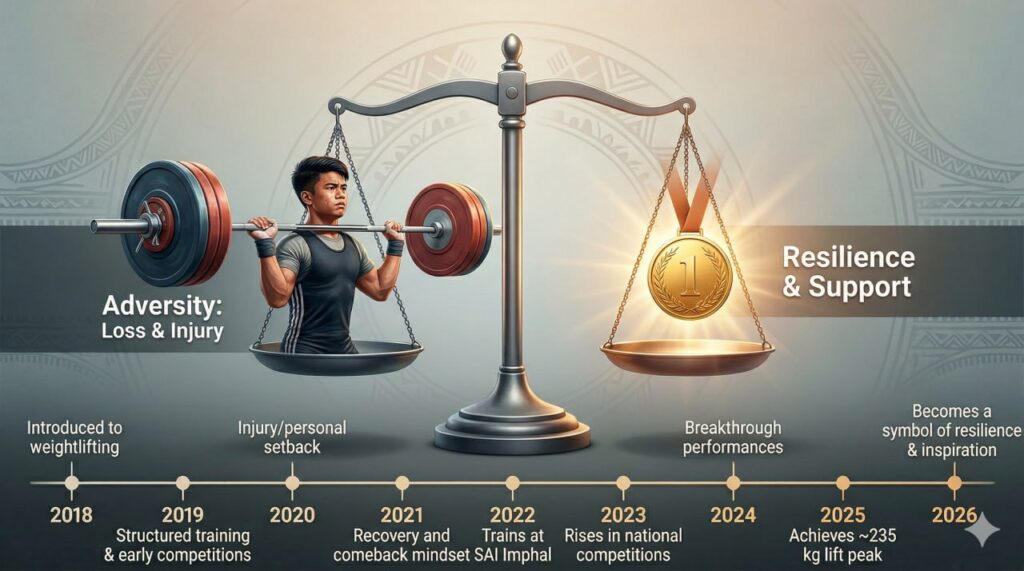
Born around 2008 in Mizoram’s verdant hills, Isak grew up in a close-knit Mizo family where community meant everything. Weightlifting entered his life in 2018, right after his father’s tragic bike accident. What started as a way to channel grief quickly became passion. The boy with quiet determination began training on basic equipment—sometimes just concrete blocks and bamboo poles—under his childhood coach’s watchful eye. Life in Aizawl isn’t easy: steep roads, unpredictable monsoons, and limited facilities. Yet Isak’s raw talent shone through.
Fast-forward to 2024. His mother’s battle with cancer ended, leaving him orphaned before he even turned 16. The grief hit like a missed lift—debilitating. Studies through Indira Gandhi National Open School in Aizawl felt pointless. Training? Almost impossible. Financially, his uncle stepped up, balancing long restaurant shifts with late-night calls of encouragement. “We may not have money, but we have each other’s backs,” the uncle would say, a line that became Isak’s quiet mantra.
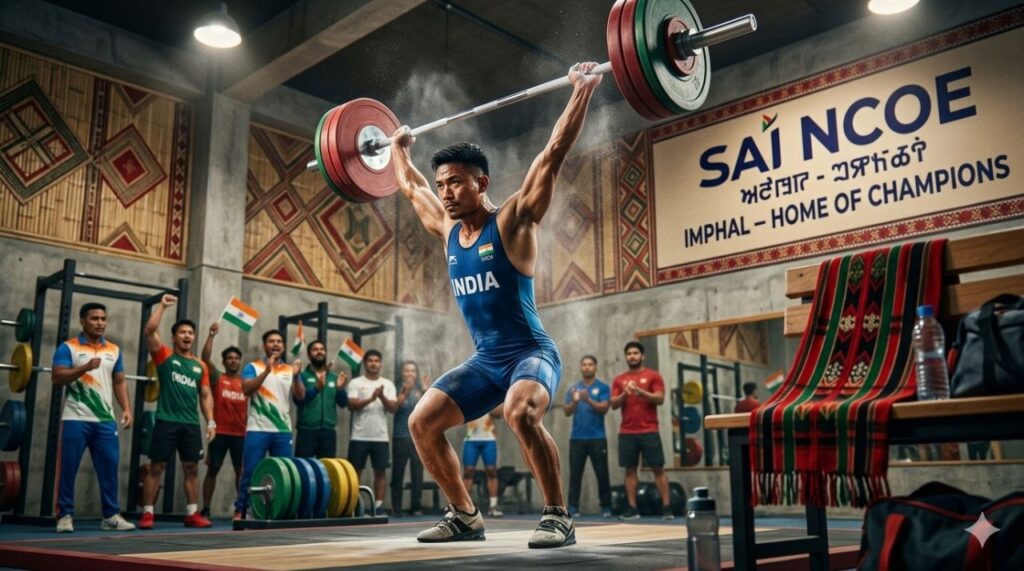
In 2024, a lifeline arrived: admission to the Sports Authority of India’s National Centre of Excellence (SAI NCOE) in Imphal. There, structured coaching, proper nutrition, and peers from across the Northeast transformed him. He balanced Class 12 studies with intense sessions. By 2025, results started trickling in—a silver at a junior event in Modinagar, a bronze at the National Weightlifting Championships. But success wasn’t linear. Every lift carried the weight of loss.
Think of it like a seesaw in the misty Mizo hills: one side loaded with tragedy, the other with unyielding will. Isak’s story isn’t just about talent; it’s about refusing to let the heavier side win.
The Khelo India Tribal Games Explained: A Platform for Forgotten Heroes
Unlike the glitzy national games, the Khelo India Tribal Games 2026—held in Raipur from March 25 to April 6—shines a spotlight on India’s tribal athletes. Launched to nurture talent from remote corners, it celebrates indigenous strength, culture, and grit. Categories span weightlifting, wrestling, football, hockey, and more. For Mizoram, it was a big stage: 13 weightlifters, including Isak, represented the state alongside teams in other sports.
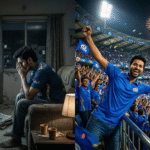
The men’s 60 kg category is no joke. Athletes battle for total lift (snatch + clean and jerk). Isak entered the final day nursing a back injury from training—his coach had even urged him to skip to avoid worsening it. Yet he showed up. Second after snatch, he dug deep in clean and jerk, pushing through pain for a stunning total of 235 kg. Gold! The crowd erupted. His uncle, who had travelled despite tight finances, rushed to the podium and lifted Isak in pure joy—the moment that broke the internet and hearts across India.
For a nation where mainstream sports often overlook Northeast talent, these games are a game-changer. They bridge the gap, offering exposure, scholarships, and recognition. Isak’s win wasn’t just personal; it was a victory for every tribal kid dreaming big on limited resources.
The Big Debate: Does Adversity Fuel Champions or Break Them?
Here’s where it gets real—experts, coaches, and athletes don’t always agree. Can tragedy create unbreakable spirits, or does it leave scars too deep?
The Pros: Why Pain Can Propel You Forward
- Mental Toughness: Studies on elite athletes show that overcoming personal loss builds resilience. Isak’s grief forged focus; every rep became a tribute to his parents.
- Community Support: In Mizo culture, “tlawmngaihna” (selfless help for others) kicked in. His uncle and coach became his new foundation, turning isolation into strength.
- Perspective Shift: Losing everything early taught Isak that medals aren’t everything—effort is. This mindset helped him push past the back injury when others might quit.
Take Isak’s clean and jerk surge: doctors might call it risky, but for him, it was proof that the human spirit can rewrite scripts.
The Cons: When Adversity Overwhelms
- Physical and Mental Toll: Back injuries in weightlifting are common; ignoring them risks long-term damage. Isak’s coach’s warning wasn’t drama—it was wisdom.
- Financial and Emotional Strain: Orphaned athletes often juggle grief with poverty. Without uncle’s support or SAI’s facilities, many fade away.
- Burnout Risk: The pressure of being “the hope” can crush young shoulders. Not every story ends in gold; some need time to heal first.
Isak himself admitted the injury made him doubt. Yet he chose to compete—balanced by smart recovery and belief. His story highlights both sides: adversity can elevate, but only with the right safety net.
The Mizo Twist: Northeast Resilience Meets Modern Sports
Weightlifting isn’t new to Mizoram. Traditional Mizo life—carrying loads up steep hills, farming terraces—naturally builds strength. Festivals like Chapchar Kut celebrate community through dance and games, echoing the “never quit” spirit. But modern sports face hurdles: remote locations, fewer elite coaches, monsoon disruptions, and the brain drain to mainland cities.
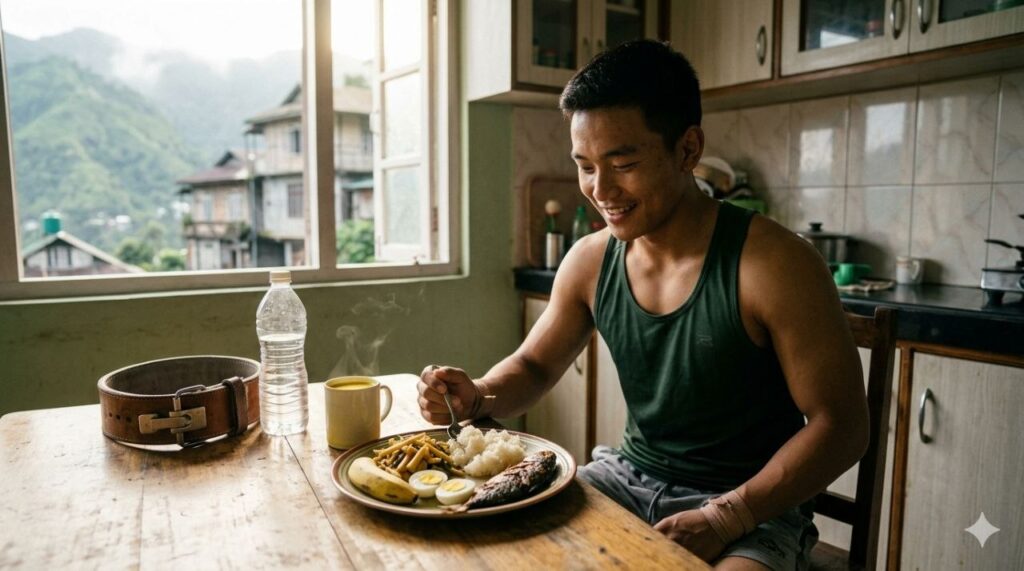
Isak’s journey flips the script. Training at SAI NCOE Imphal blended traditional Mizo discipline (early rises, simple living) with scientific programs—video analysis, strength metrics, injury prevention. His diet? Local rice, bamboo shoots, fermented fish, and greens for recovery—desi superfoods powering world-class lifts.
For families in Nagaland, Manipur, or Arunachal, this is inspiring. No need for fancy gyms; start local, dream national. Government schemes like Khelo India and tribal sports quotas are helping, but stories like Isak’s show what personal grit plus smart support can achieve.
Real Stories: Triumphs and Tumbles from Tribal Athletes
Let’s hear from others who’ve walked similar paths.
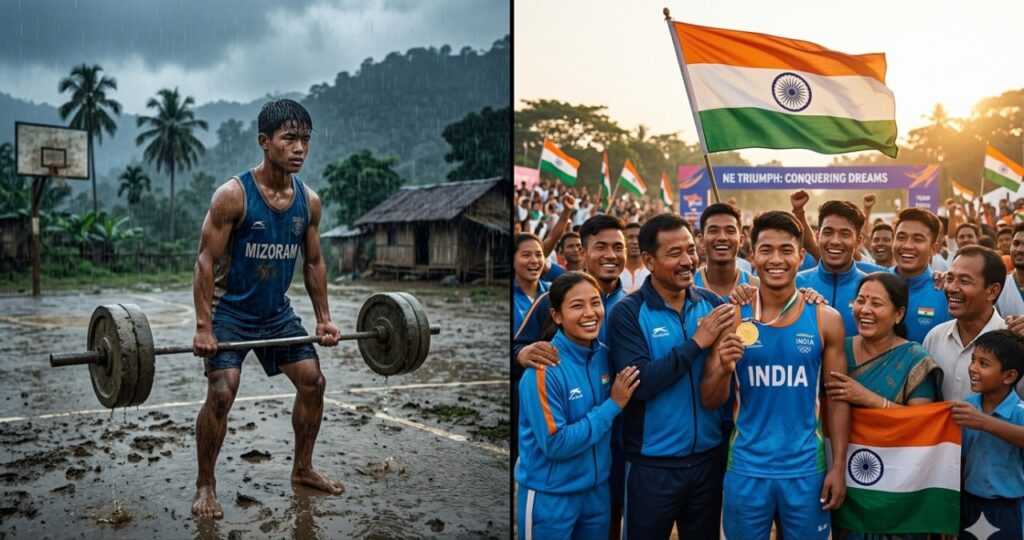
- Lalrin, 19, from Aizawl: Like Isak, he lost his father young and trained on village grounds. A shoulder niggle nearly ended his wrestling dream at the 2025 nationals. With coach guidance and family prayers, he pushed through for a bronze. “Isak’s gold gave me hope—our hills make us strong,” he shares.
- Priya, 17, from Shillong: Orphaned early, she faced funding woes in archery. A wrist injury in 2025 tempted her to quit. Support from a local NGO and Khelo India trials helped her medal. “Watching Isak lifted by his uncle reminded me: family isn’t always blood—it’s who shows up.”
These tales prove one thing: Isak isn’t alone. Tribal athletes across the Northeast face unique battles—yet their wins ripple far beyond medals.
Safe Training for Young Lifters: Tips to Get It Right
Thinking of chasing your own gold? Here’s how to train smart, especially with setbacks:
- Ease Into Intensity: Start with bodyweight and light loads. Build gradually—Isak’s early years on basic gear taught patience.
- Listen to Your Body: Pain vs discomfort? Ice, rest, and physio first. Isak’s back injury could have worsened; professional advice saved him.
- Warm Up Like a Pro: Dynamic stretches, mobility drills—crucial in humid Northeast weather.
- Strengthen Core and Back: Planks, deadlift variations (light!), and yoga for stability. Prevent injuries before they strike.
- Seek Expert Help: Join SAI centers or local academies. Mental health check-ins matter too—grief counseling helped Isak.
- Balance Life: Studies, rest, family time. Isak studied via open school while lifting—proof it’s possible.
Remember: consistency beats intensity. One bad lift doesn’t define you.
Desi Diet Hacks: Fueling Strength the Mizo Way
What you eat powers every lift. Isak’s success hints at smart, accessible fuel:
- Breakfast (Power Start): Sticky rice with boiled eggs, local greens, and a banana—carbs and protein for sustained energy.
- Post-Training Meal: Fermented bamboo shoot stir-fry with chicken or fish, dal, and sweet potatoes. Anti-inflammatory and recovery-friendly.
- Snack: Roasted chana mixed with peanuts or a glass of buttermilk—keeps you light yet strong.
- Dinner (Light and Early): Vegetable soup, grilled fish or paneer, and a side of millet roti. Avoid heavy oils.
Steer clear of junk and excessive sweets—common in celebrations but killers for recovery. Hydrate with herbal teas or coconut water. Incorporate turmeric milk for joint health and ginger for digestion. These hacks, rooted in Northeast kitchens, kept Isak competition-ready without fancy supplements.
Wrapping It Up: From Heartbreak to Gold—Your Turn to Rise
So, does losing both parents before 16 and battling a back injury end a dream or launch a legacy? For Mizoram’s Isak Malsawmtluanga, it became fuel for 235 kg of glory at the Khelo India Tribal Games 2026. His story isn’t black-and-white: tragedy tested him, support lifted him, and sheer will sealed the gold. For some young athletes, it’s a reminder that pain can polish potential; for others, a call to build better systems—more coaches, funding, mental health resources—for tribal talent.
If Isak’s journey moves you, start small today. Pick up those weights, find a mentor, lean on family. You’re tougher than your toughest day. What’s your take? Has a story of resilience inspired your own goals? Drop your thoughts or your own comeback tale in the comments below—let’s celebrate every underdog and lift each other up. Share this with a young dreamer in your circle. Who knows? The next Isak might be reading right now, ready to write their own golden chapter.
You May Like This
1



Advertisement
You May Like This

Advertisement
Advertisement
Advertisement