

Advertisement

- Updated on April 18, 2026
- IST 2:58 am
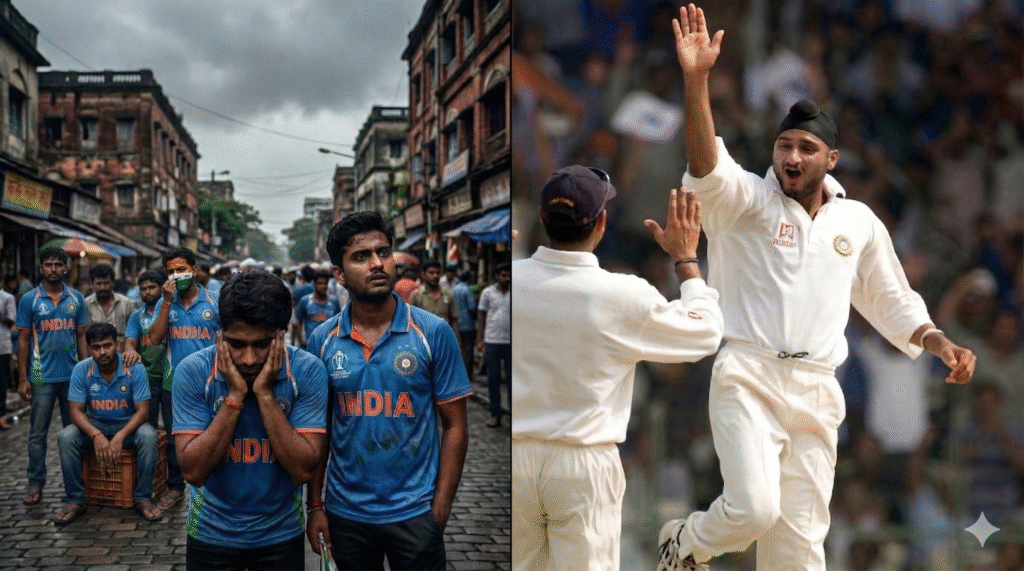
Imagine this: Rajesh, a 28-year-old accountant from Kolkata in March 2001, sits glued to his old black-and-white TV in a cramped living room, heart sinking as India is forced to follow-on against an unstoppable Australian side. Steve Waugh’s team had just posted 445, India crumbled to 171, and the crowd at Eden Gardens was booing their own heroes. Rajesh switches off the set in disgust, muttering, “Test cricket in India is finished—Australia will crush us again.” Defeated, he tells his friends the next day that the match was over before it began.
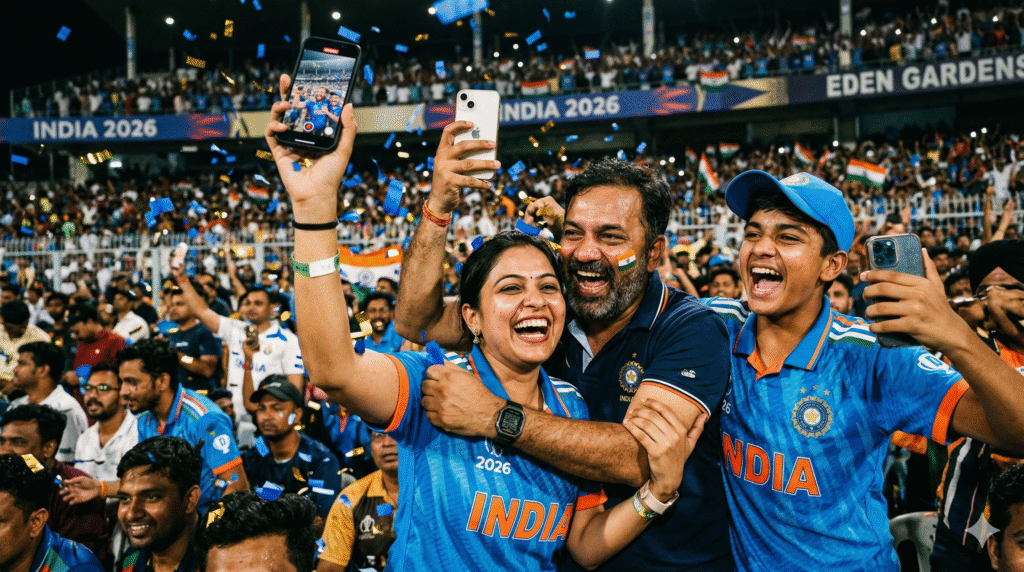
Now, picture young Arjun, a 19-year-old college student from Bengaluru in March 2026, watching highlight reels on his phone during the 25th anniversary celebrations. He’s never seen live Test cricket from that era, but the clips of VVS Laxman’s elegant drives and Rahul Dravid’s rock-solid defense make him jump off his chair. “How did India pull this off? It’s pure magic!” he texts his cricket group chat, already planning a watch party with friends to relive the miracle that broke Australia’s 16-match winning streak.
So, what’s the truth? Was the 2001 Eden Gardens Test a fluke or the greatest comeback in cricket history? With Australia on fire and India staring at humiliation after being asked to follow-on, how did one partnership, one hat-trick, and one bold captaincy decision rewrite the script? In this blog, we’ll unpack the drama, the heroes, the heartbreak, and the lasting legacy of that historic match. Plus, we’ll share real fan stories, lessons for today’s young players, and desi ways to celebrate this milestone 25 years later. Let’s step back in time to Eden Gardens and figure this out together!
Understanding the 2001 Eden Gardens Test: A Battle of Invincibles vs Underdogs
First, let’s set the stage properly. The third Test between India and Australia at Eden Gardens, Kolkata, from March 11 to 15, 2001, wasn’t just another match—it was David versus Goliath on steroids. Steve Waugh’s Australia had won 16 Tests in a row, a record streak that made them look invincible. They won the toss and batted first, piling up 445 runs. India, under new captain Sourav Ganguly, responded with a shaky 171 and were forced to follow-on for the first time in 17 years at home.
Think of it like a seesaw tilted heavily one way: Australia’s pace and spin attack (Glenn McGrath, Shane Warne, Jason Gillespie) looked unplayable, while India’s batting order seemed fragile after early collapses. Beyond the scoreboard, this series was about pride. India had lost the first Test in Mumbai; a 3-0 whitewash loomed. For millions of Indian fans aged 15 to 45 who grew up on tales of this match, it represented more than cricket—it was about resilience in the face of impossible odds, much like everyday battles against pressure at school, college, or work.
Yet, something magical happened on day three. India didn’t roll over. They scripted one of the most improbable fightbacks in Test history, turning certain defeat into a 171-run victory. This wasn’t just a win; it ended Australia’s streak and sparked a new era for Indian cricket. But with the follow-on rule in play and history stacked against them, how did it all unfold?
The Eden Gardens Test Explained: From Follow-On to Unforgettable Drama
Unlike modern T20 thrillers that hinge on sixes, this was pure Test cricket—patience, grit, and moments of genius unfolding over five days. Australia’s first innings set a daunting total of 445. India’s reply was a disaster at 171, and Steve Waugh enforced the follow-on, a rare but confident call.
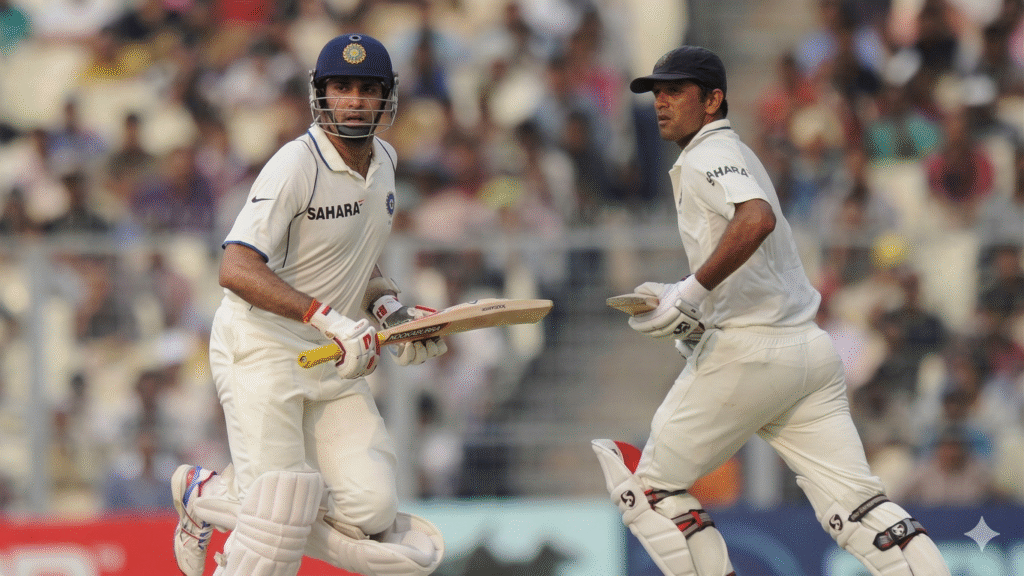
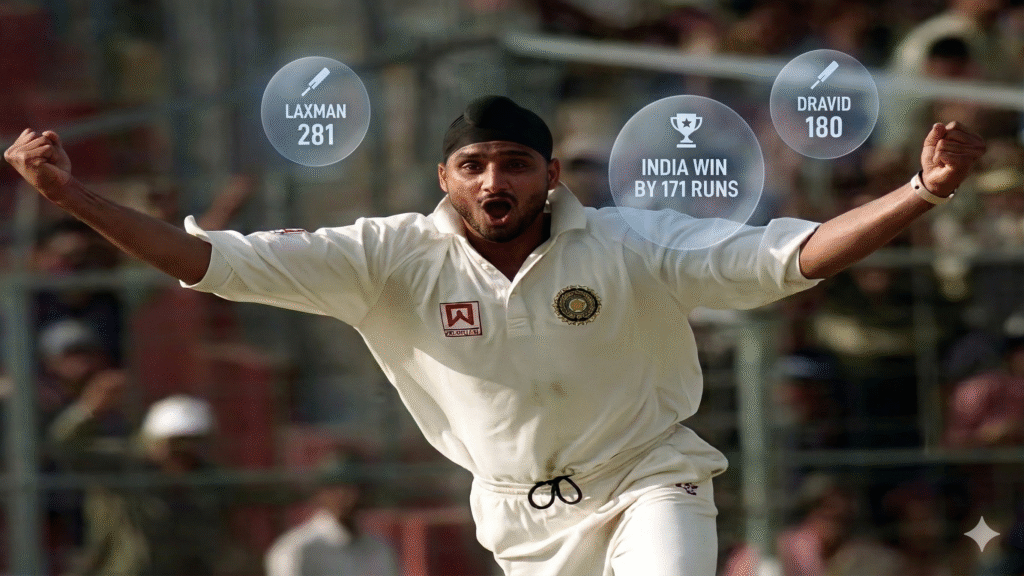
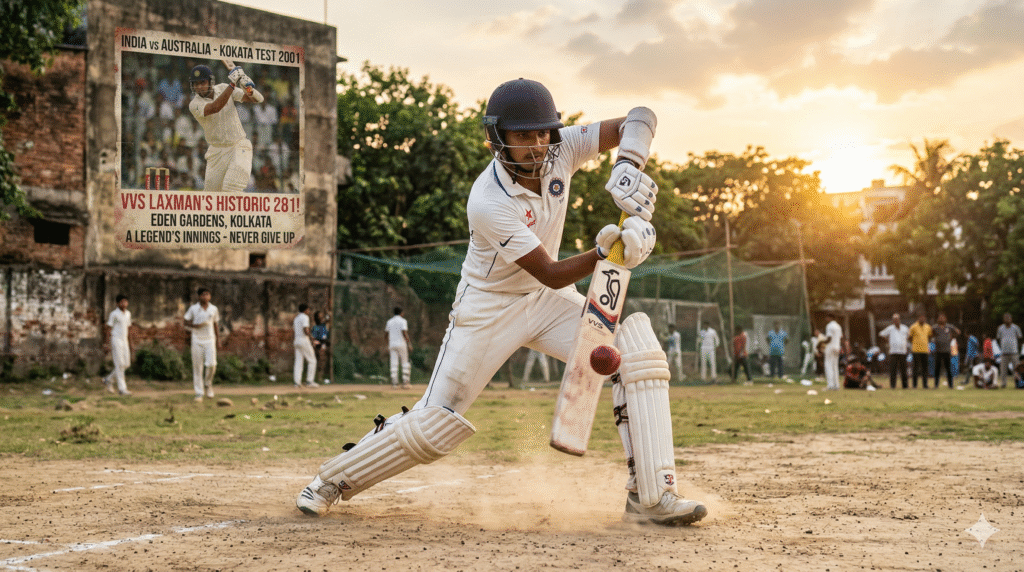
What followed is legend. In their second innings, India batted for nearly two full days, posting a mammoth 657 for 7 declared. The heroics? VVS Laxman’s career-defining 281—the highest score by an Indian in Tests at the time—and Rahul Dravid’s marathon 180 not out. Their 376-run fifth-wicket partnership (still one of the greatest in Test cricket) turned the match on its head. They batted an entire day together, facing hostile bowling under pressure, with Eden Gardens slowly shifting from boos to roars.
Then came the final twist. Australia, chasing 384 to win, collapsed to 212. Harbhajan Singh, the “Turbanator,” spun his web and took a hat-trick—the first by an Indian in Test cricket—dismissing Ricky Ponting, Adam Gilchrist, and Shane Warne in consecutive deliveries. It was poetic justice. India won by 171 runs, only the third time in Test history a team had triumphed after following on. Sourav Ganguly later called it “more special than any ODI win” because it proved character under fire.
For the packed Eden Gardens crowd waving tricolours, it felt like a festival—firecrackers, chants, and tears of joy. The match wasn’t just about runs or wickets; it was about belief when the world had written you off.
The Big Debate: Does the 2001 Miracle Still Define Test Cricket’s Greatest Comeback?
Here’s where it gets juicy—cricket experts, players, and fans still debate whether this was the ultimate Test turnaround or if modern epics have eclipsed it. Let’s break it down fairly.
The Pros: Why the Miracle Changed Everything
- Historic Fightback: Being asked to follow-on usually signals doom. India not only avoided defeat but won by a huge margin, breaking Australia’s 16-Test streak and boosting national morale after years of overseas struggles.
- Iconic Partnerships and Records: Laxman’s 281 and Dravid’s 180* showcased defensive mastery mixed with flair. Their stand remains a masterclass in concentration that inspired generations of batters like Virat Kohli and Cheteshwar Pujara.
- Spin Magic and Hat-Trick Glory: Harbhajan’s hat-trick turned the game into folklore. It was the first by an Indian and highlighted how home conditions could be a weapon when used smartly.
Take Laxman’s own words in later interviews (rephrased): “We just played one ball at a time—the crowd’s energy carried us.” That day-long partnership felt like a lifeline for Indian cricket.
The Cons: Balanced Views That Keep It Real
- Luck and Conditions: Some argue the pitch offered turn later, and Australia missed key players or were fatigued after a long tour. Was it pure skill or a bit of destiny?
- Not the Only Great Comeback: Critics point to later miracles—like India’s 2011 World Cup or England’s Headingley 2019—as equally thrilling in different formats. Does one Test from 2001 still top the list 25 years on?
- Pressure of Expectations: While it boosted India, it also raised the bar so high that every home Test now carries the weight of that legacy, sometimes adding unnecessary stress for modern players.
Yet, the balanced truth? This match didn’t just win a game—it shifted power in world cricket, proving that no lead is safe against a determined Indian side.
The Indian Twist: Eden Gardens Magic Meets Tradition and Passion
Test cricket isn’t new to us Indians—it’s woven into our cultural fabric like a family heirloom. Eden Gardens has hosted epic battles since 1934, but 2001 felt personal. Kolkata’s streets erupted with celebrations rivaling Durga Puja—conch shells, drums, and sweets distributed like after a festival victory.
Our love for cricket runs as deep as our festivals. Families skipped meals to watch, offices declared unofficial holidays, and radio commentaries in Hindi and Bengali united North and South. But back then, with no smartphones or live streaming, fans relied on transistor radios and neighborly updates. The follow-on drama mirrored real-life Indian struggles: falling behind but rising stronger through unity and grit.
So, can the spirit of 2001 fit today’s fast-paced world? Absolutely—if we tweak how we celebrate. A quick 25-year rewind watch party with friends feels less like nostalgia and more like passing the torch. The trick is blending old glory with new energy, not just replaying highlights but discussing what it teaches us now.
Real Stories: Triumphs and Tumbles from Fans Who Lived the Miracle
Let’s hear from the people who were there.
- Rajesh, 52, Kolkata (who lived the 2001 despair and joy): “I was ready to give up on day three. Then Laxman and Dravid batted forever. When Harbhajan took that hat-trick, I ran into the streets crying tears of joy. It changed how I face challenges at work even today.”
- Priya, 28, Mumbai (Gen Z fan discovering it in 2026): “I watched the highlights during the 25th anniversary. As a young woman playing club cricket, Laxman’s elegance and Dravid’s patience showed me technique beats power. It made me believe girls can dream big in Tests too.”
These tales prove one thing: the 2001 miracle isn’t ancient history. It’s a living inspiration—how you face the follow-on in life matters more than the scoreboard.
Lessons from the Miracle: Tips to Get It Right for Today’s Young Cricketers and Fans
Thinking of drawing inspiration for your own game or fandom? Here’s how to channel that 2001 magic safely and smartly:
- Ease Into Pressure: Start small like Laxman and Dravid—focus on one session, one over at a time. Build resilience before going all out.
- Build Strong Partnerships: Cricket (and life) thrives on teamwork. Pair aggression with defense, just as Laxman and Dravid did.
- Stay Hydrated and Focused: Long days demand fuel—water, nuts, and short breaks. Fans, keep energy high with desi snacks during replays!
- Listen to Your Instincts: Track your form. If something feels off (like early collapses), tweak your approach or seek coach advice.
- Get Expert Guidance: Chat with mentors or watch old footage. Every player’s journey is personal.
- Keep Calm Under Fire: Stress amplifies mistakes. Meditation, a quick jog, or visualizing Eden Gardens roars can keep nerves in check.
Desi Cricket Hacks: Reliving the 2001 Glory in 2026 Style
What you do while watching or playing can make or break the vibe. Here’s a 2001-inspired Indian match-day plan for fans and young players:
- Morning Warm-Up (Building Focus): Start with filter coffee and a quick review of Laxman’s drives—protein-packed poha or idli to fuel the day.
- Lunch Break: Brown rice with dal, sabzi, and curd—balanced like Dravid’s defense.
- Snack Time: Roasted chana or a fruit with almonds—small boosts during highlights.
- Evening Celebration: Light and fun—veggie pakoras (baked, not fried), chai, and group chants of “India! India!”
Steer clear of over-the-top junk or negativity. Nourish your passion, don’t punish it with doom-scrolling.
Wrapping It Up: 25 Years Later, Has Test Cricket Changed Forever?
So, did the 2001 Eden Gardens miracle truly change Test cricket, or was it a one-off spark? It’s not black-and-white. For some Indian fans, it’s the ultimate game-changer—ending a streak, birthing legends, and proving heart beats hype. For others, it’s a beautiful memory in an era now dominated by T20. The difference lies in how we honor it—slowly, smartly, and with fresh eyes.
If the story tempts you, dip your toes in. Stream the highlights, discuss with friends, and let it inspire your own battles. Test cricket is a marathon, not a sprint, and India’s spirit is tougher than any follow-on. What’s your take? Lived through 2001 or discovering it now? Drop your story or favorite moment below—let’s swap notes and lift each other up like true cricket family!
You May Like This
1



Advertisement

You May Like This







Advertisement
Advertisement
Advertisement