

Advertisement
- Updated on May 12, 2026
- IST 3:25 am
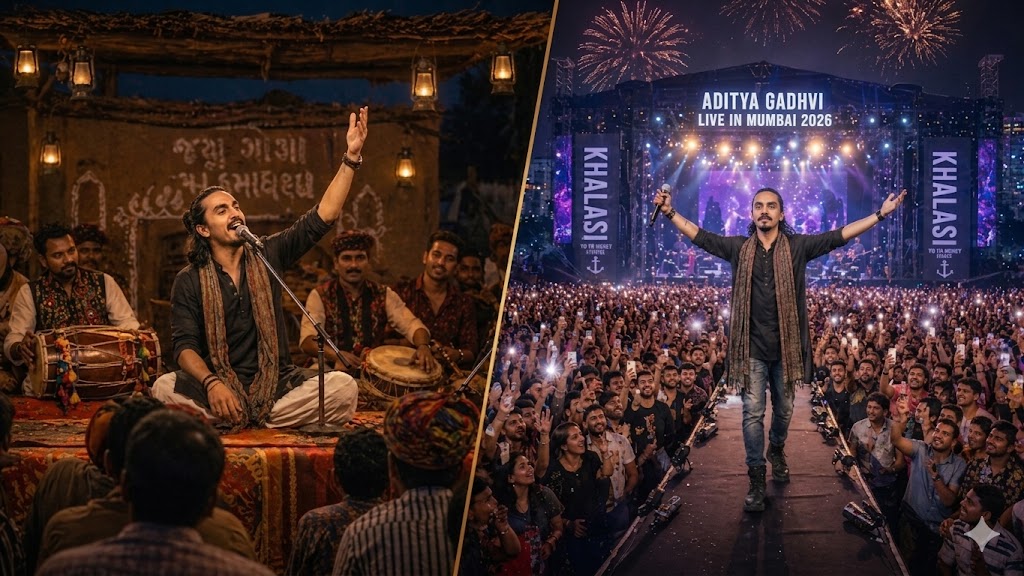
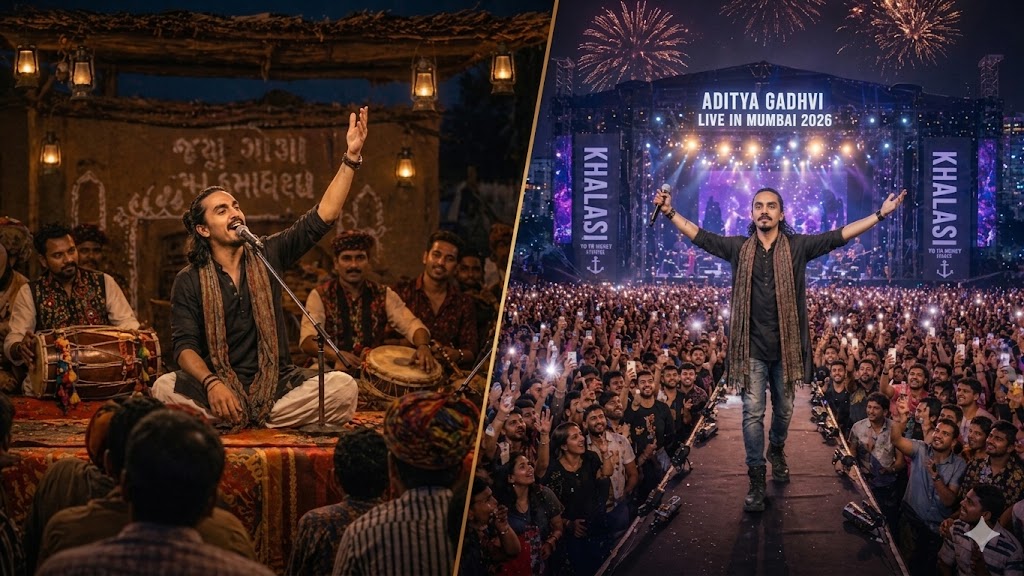
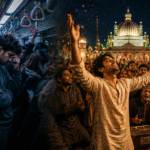
Imagine this: It’s a sweltering Navratri night in 2023 in a small town near Rajkot. Nineteen-year-old Rahul, a college student who grew up listening to his grandfather’s dayro performances, is spinning in a traditional garba circle. The beats are familiar, the dhol thunders, but something feels missing. Then his phone buzzes with a new Coke Studio drop—“Khalasi.” One listen, and he’s hooked. The raw energy, the soaring vocals, the story of fearless sailors chasing the horizon—it feels like Gujarat’s soul had been waiting for this exact moment. Fast-forward to April 2026. Rahul, now 22 and working in Mumbai, stands in a sea of 15,000 fans at Jio World Garden, screaming “Gotilo, tame gotilo!” as Aditya Gadhvi lights up the stage. “That one song didn’t just change my playlist—it changed how I see my own roots,” he later shares with friends.
Now picture Sneha, a 29-year-old IT professional from Hyderabad who rarely ventures beyond Telugu or Hindi film songs. Scrolling Reels during a boring commute, she stumbles upon “Khalasi.” She doesn’t understand every word, but the infectious rhythm and powerful voice pull her in. By the chorus, she’s replaying it on loop. Months later, she books tickets for Aditya’s Hyderabad show, dragging her skeptical colleagues along. “I went for the viral hit and left obsessed with Gujarati folk,” she laughs. “Music really has no language!”
So, what’s the truth behind this phenomenon? One song, one voice, one nation. How did Aditya Gadhvi, a regional Gujarati folk artist, transform a traditional seafarer’s tale into a pan-India anthem that’s still giving everyone a massive “Khalasi hangover” three years later? In this blog, we’ll trace his meteoric rise from dayro stages to sold-out arenas, unpack the magic of that viral track, explore the cultural and digital forces at play, hear real fan and artist stories, and look at what it means for the future of regional music in India. Let’s set sail together and discover how one folk star captured millions of hearts.
Aditya Gadhvi: Roots Deep in Gujarat’s Folk Soil
Before the national spotlight, Aditya Gadhvi was already a force in Gujarat’s vibrant music scene. Born on April 3, 1994, in Surendranagar, he grew up surrounded by the rich oral traditions of Gujarati folk—dayros, garba, and the soul-stirring Charan style of storytelling through song. At just 18, he won Gujarat’s high-TRP reality show “Lok Gayak Gujarat,” earning the affectionate title “Kaviraj” from fans. He wasn’t chasing fame in Mumbai studios; he was performing live, writing lyrics, and keeping ancient folk alive in village fairs and city auditoriums.
Aditya collaborated with legends like A.R. Rahman and lent his voice to Gujarati films and devotional tracks. But he always stayed rooted. His performances blended traditional instruments like the sapakhru with heartfelt poetry. Little did he know that a 2023 Coke Studio Bharat collaboration would launch him into the stratosphere. By 2026, he’s headlining multi-city tours, selling out Mumbai’s Jio World Garden for two nights straight, and drawing crowds from Delhi to Bengaluru—and even international stops in the US and UK. His journey isn’t just about talent; it’s about timing, tenacity, and the power of authentic roots meeting modern ears.
The Song That Set Sail: Decoding ‘Khalasi’ (Gotilo)
Released on July 5, 2023, as part of Coke Studio Bharat, “Khalasi” (also known as “Gotilo”) is no ordinary track. Composed by Achint Thakkar, with lyrics by Saumya Joshi and vocals by Aditya Gadhvi (joined by Achint), it tells the tale of the fearless “khalasi”—the sailors and dock workers of Gujarat’s coastal communities. It’s a metaphor for life’s adventurous voyage: facing storms, embracing the unknown, and dancing through it all with unyielding spirit.
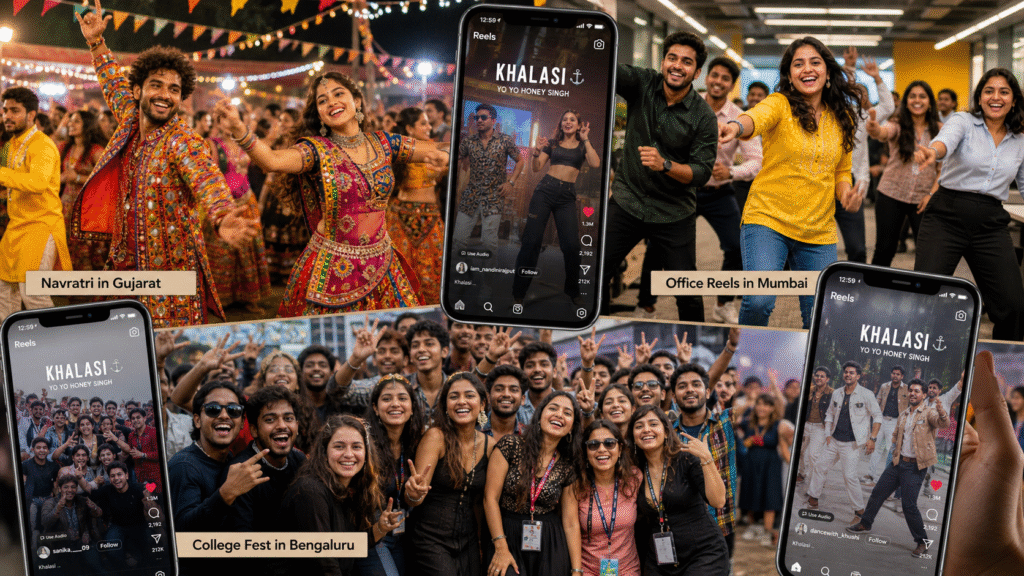
The song fuses raw Gujarati folk with contemporary beats—think thunderous dhol, soulful raags, and a chorus that begs to be chanted in a crowd. “Gotilo, tame gotilo gotilo gotilo!” became the battle cry of Navratri 2023, exploding across Reels, weddings, and college fests. Unlike polished Bollywood numbers, it felt earthy, energetic, and deeply emotional. Within months, it crossed billions of views across platforms, becoming one of the first Gujarati songs to dominate national charts and global playlists. Even industrialist Harsh Goenka famously tweeted that he didn’t understand the words but “music has no language.”
For Aditya, it was validation. He had always believed regional music could transcend borders. “Khalasi” proved it wasn’t just a song—it was a cultural reset button.
The Viral Storm: Why One Track Conquered India (And Beyond)
Here’s where it gets fascinating—experts, fans, and industry insiders still debate what made “Khalasi” unstoppable. Let’s break it down.
The Magic Ingredients Behind the Success
- Emotional Resonance: In a fast-paced, screen-saturated world, people craved something real. The sailor’s story mirrored everyone’s inner desire for freedom and resilience—perfect for post-pandemic hearts.
- Perfect Fusion: Traditional folk meets modern production. Achint’s beats made it dance-floor ready without losing soul, while Aditya’s powerful, untrained-in-Bollywood voice felt refreshingly authentic.
- Social Media Amplification: Reels, TikTok challenges, and garba dances turned it into a movement. From Mumbai offices to small-town temples, everyone was recreating it.
- Cultural Pride Meets Curiosity: Non-Gujaratis discovered a new flavor of India. It sparked pride in Gujaratis and curiosity in others—bridging divides like never before.
- Timing and Platform: Coke Studio Bharat gave it national visibility at the perfect festive moment.
But not everyone sees it as purely positive. Some worry that viral fame pressures artists to chase trends over depth. Others celebrate it as proof that folk traditions can evolve without dying. The debate rages on forums and comment sections: Is this the future of Indian music, or just a one-hit wonder?
The Gujarati Folk Renaissance: From Regional to Pan-India
Gujarat has always had a rich folk heritage—Navratri garba, devotional bhakti, and seafaring ballads. But “Khalasi” took it mainstream in a way few expected. Suddenly, Gujarati folk wasn’t “niche”—it was cool, shareable, and everywhere. Aditya’s follow-up tracks like “Meetha Khaara” (highlighting salt farmers’ struggles) show he’s not stopping at one hit; he’s using the platform to shine light on unsung stories.
This success mirrors other regional breakthroughs (think “Pasoori” from Pakistan or South Indian folk fusions), but “Khalasi” stands out for its organic, grassroots-to-global journey. It’s inspired a new wave of young artists to stay true to their languages and dialects. Economically, it’s a game-changer too—ticket sales for folk-inspired concerts are booming, venues are booking more regional acts, and streaming numbers prove audiences are hungry for diversity.
For millennials and Gen Z (the 15-45 crowd this blog targets), it’s a reminder that our cultural roots aren’t outdated—they’re the coolest thing going.
Real Stories: Triumphs, Tears, and Ticket Wins
Let’s hear from the people living the “Khalasi” hangover.
- Rahul, 22, Mumbai (via Ahmedabad): “I grew up on dayros. ‘Khalasi’ made my friends from other states ask, ‘Teach us this!’ Now I host garba nights at my PG. Aditya’s Mumbai concert? I cried during the live version.”
- Sneha, 29, Hyderabad: “It got me into Gujarati music. I started learning basic phrases just to sing along. Booked my first-ever folk concert ticket—best decision ever.”
- Aditya himself (in interviews): He’s spoken about how the song opened doors but also brought the pressure of expectations. “I want to keep creating music that honors my roots while speaking to every Indian.”
These tales show one thing: “Khalasi” isn’t just a song—it’s a connector.
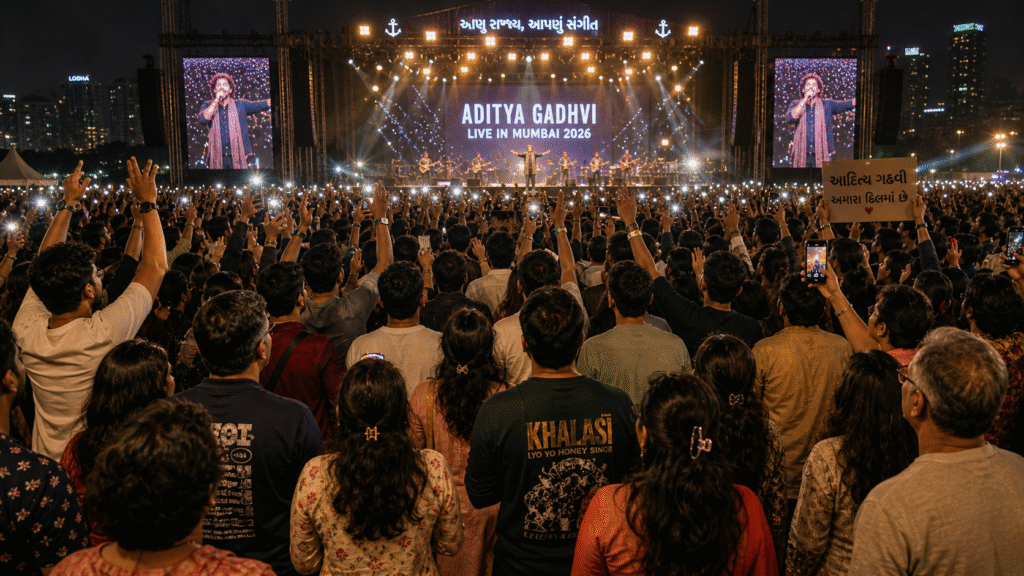
Riding the Wave: Tips to Catch Aditya Gadhvi Live
Thinking of experiencing the magic yourself? Here’s how to make it unforgettable and hassle-free:
- Plan Ahead: Tours sell out fast—follow Aditya on Instagram (@adityagadhviofficial) and set BookMyShow alerts. Mumbai, Delhi, Bengaluru, and US shows in 2026 are already buzzing.
- Choose Your Vibe: Want high-energy garba fusion? Go for big arena nights. Prefer intimate folk storytelling? Look for smaller dayro-style events.
- Dress the Part: Throw on some traditional or fusion Gujarati attire—kurta, bandhani dupatta, or even a simple ethnic tee. It adds to the fun!
- Bring the Energy: Hydrate, eat light (those dhol beats will have you dancing non-stop), and learn the chorus beforehand.
- Support Ethically: Buy from verified promoters. Follow Aditya’s official channels for authentic updates.
- Extend the Joy: After the show, explore more Gujarati folk playlists or attend local garba events to keep the spirit alive.
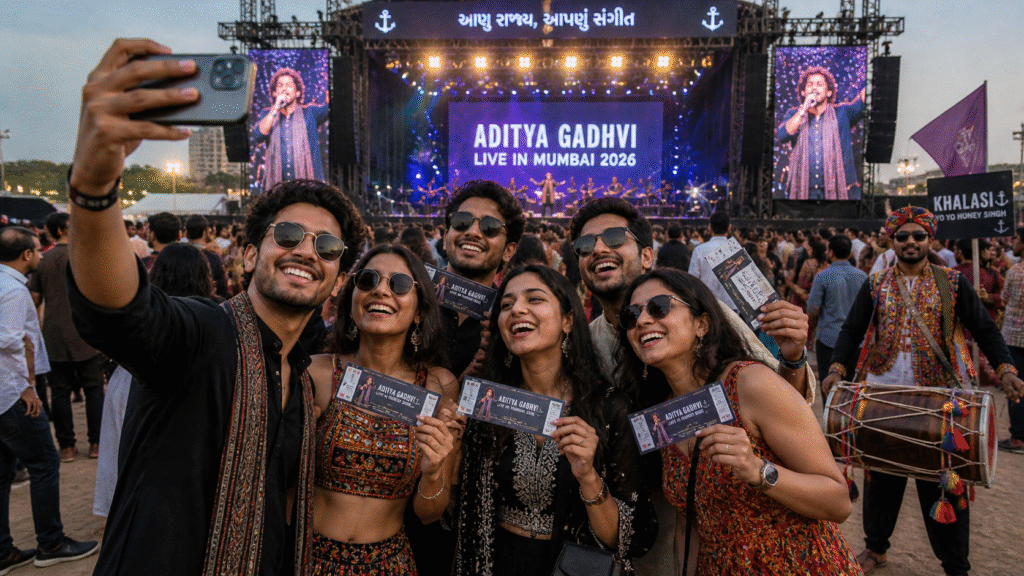
Beyond the Hangover: The Future of Regional Music Stars
Aditya Gadhvi’s story is bigger than one hit. It signals a new era where regional voices don’t need Bollywood approval to rule charts. With better production, social media reach, and audiences craving authenticity, more artists from Rajasthan, Bengal, Northeast, and beyond are poised to break through.
Challenges remain—sustaining momentum, avoiding typecasting, balancing commercial success with artistic integrity. Yet the optimism is real. “Khalasi” proved folk isn’t fading; it’s evolving. And in 2026, with Aditya headlining major tours and inspiring the next generation, the future looks bright, bold, and beautifully desi.
Wrapping It Up: One Song, Endless Waves
Aditya Gadhvi’s “Khalasi” hangover isn’t ending anytime soon. From a Gujarat folk singer to a national sensation filling stadiums and hearts, his journey reminds us of music’s incredible power—to unite, uplift, and sail us through life’s storms. In a world of fleeting trends, this is the kind of story that sticks: rooted, resonant, and revolutionary.
If you’ve felt the pull of “Gotilo” or danced your heart out at a live show, you know the magic. What’s your favorite Aditya track or live moment? Have you discovered new Gujarati folk because of him? Drop your stories in the comments below—let’s celebrate the rise of regional stars together and keep the folk fire burning!
Your next concert ticket might just change how you see Indian music. Don’t miss the wave.
You May Like This
1



Advertisement
You May Like This






Advertisement
Advertisement
Advertisement