

Advertisement

- Updated on May 9, 2026
- IST 4:28 am
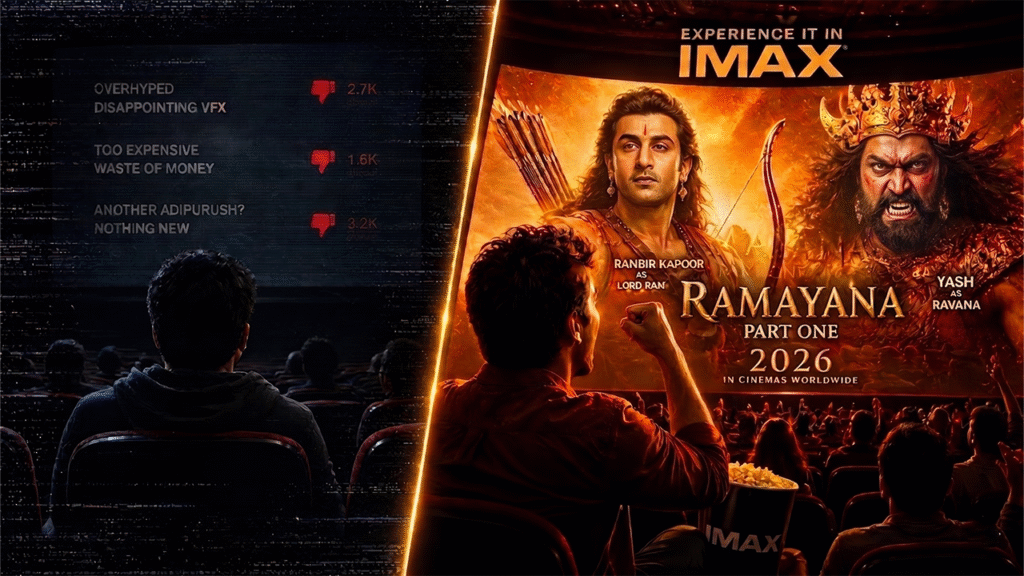
Imagine this: Arjun, a 19-year-old college student from Delhi, grew up in a middle-class home where Sunday mornings meant gathering around the old TV for Ramanand Sagar’s Ramayan reruns. His grandmother would narrate tales of Lord Rama’s dharma, Sita’s resilience, and Ravana’s fall, her eyes lighting up with every episode. Fast-forward to April 2026—Arjun scrolls through his phone during a boring lecture when the first teaser for Nitesh Tiwari’s Ramayana drops. There’s Ranbir Kapoor as a radiant Lord Rama, Yash towering as the formidable Ravana, and breathtaking visuals that make ancient Ayodhya feel alive. His heart swells with pride. “Finally, our epics on the big screen like never before!” he texts his group chat.
Now, picture Meera, a 35-year-old working mom in Bangalore, scrolling the same teaser during her metro commute. She remembers the hype around big-budget spectacles that promised the world but delivered empty CGI. “Another ₹3000 crore gamble on gods and legends?” she mutters to herself. “Will it inspire my kids or just drain the industry dry with star salaries and VFX overkill?” She’s seen Bollywood chase global glory before—sometimes striking gold, often stumbling.
So, what’s the real story? Is 2026 the dawn of Bollywood’s mythological renaissance, powered by projects like Ramayana and Vicky Kaushal’s Mahavatar Parushram, or is it a high-stakes bet that could redefine—or risk—Indian cinema forever? With stars like Ranbir Kapoor stepping into Lord Rama’s sandals and Vicky Kaushal embodying the warrior-sage Parashurama, the industry is pouring in massive resources. This isn’t nostalgia; it’s a calculated cultural and commercial reset. In this blog, we’ll unpack the frenzy, the financial tightrope, the VFX breakthroughs, and the deep-rooted Indian connection that makes this wave feel unstoppable. Let’s dive into why 2026 might just be the year mythology meets its cinematic destiny.
Understanding the Ramayana Effect: Bollywood’s Mythological Gold Rush
The “Ramayana Effect” isn’t just a catchy phrase—it’s the seismic shift happening right now in Bollywood. For decades, Indian cinema dabbled in mythology. Think back to the 1920s silent era with films like Shree Krishna Leela, or the golden age of devotional tales that filled theaters. But post-1970s, contemporary stories took over as audiences craved urban dramas and romances. Fast-forward to the 2010s and 2020s: Baahubali proved that epic scale could conquer hearts and box offices, while Brahmastra blended modern heroes with ancient astras. Now, in 2026, mythology isn’t a side genre—it’s the main event.
Studios are betting big because the data screams opportunity. Post-pandemic, audiences crave stories that connect emotionally and culturally. With India’s young population (over 65% under 35) hungry for pride-filled narratives, mythological epics offer escapism rooted in shared heritage. The numbers? Insiders whisper combined investments across key projects hovering around ₹3000 crore or more when factoring in Ramayana’s two-part extravaganza alone, which reports suggest could touch ₹4000 crore total for its global ambition. It’s not blind faith—it’s strategy. International markets are opening up, VFX tech has matured, and streaming plus theatrical hybrids mean wider reach than ever.
But here’s the fresh angle: this isn’t just about gods on screen. It’s about reclaiming storytelling power in a world dominated by Hollywood franchises. While Marvel churns out multiverses, Bollywood is mining its own infinite lore—from the Ramayana to avatars of Vishnu. The gamble? Make it feel fresh, respectful, and spectacular enough to pull families, youth, and even global viewers into theaters.
Spotlight on the Blockbusters: Ramayana and Mahavatar Parushram Leading the Charge
At the heart of 2026’s mythological wave sits Nitesh Tiwari’s Ramayana. Directed by the Dangal and Chhichhore maestro, Part 1 hits theaters on Diwali 2026, with Part 2 following in 2027. Ranbir Kapoor embodies Lord Rama—the ideal man of dharma—bringing his understated intensity to one of Hinduism’s most revered figures. Sai Pallavi steps in as Sita, Yash (fresh off KGF dominance) transforms into the learned yet vengeful Ravana, Sunny Deol channels Hanuman’s devotion, and Ravi Dubey plays Lakshmana. Production by Namit Malhotra’s Prime Focus Studios teams up with DNEG for VFX and Monster Mind Creations. Early teasers (unveiled on Hanuman Jayanti in April 2026) promise IMAX-scale grandeur, with music reportedly involving heavyweights like A.R. Rahman and even Hans Zimmer influences in fan discussions.
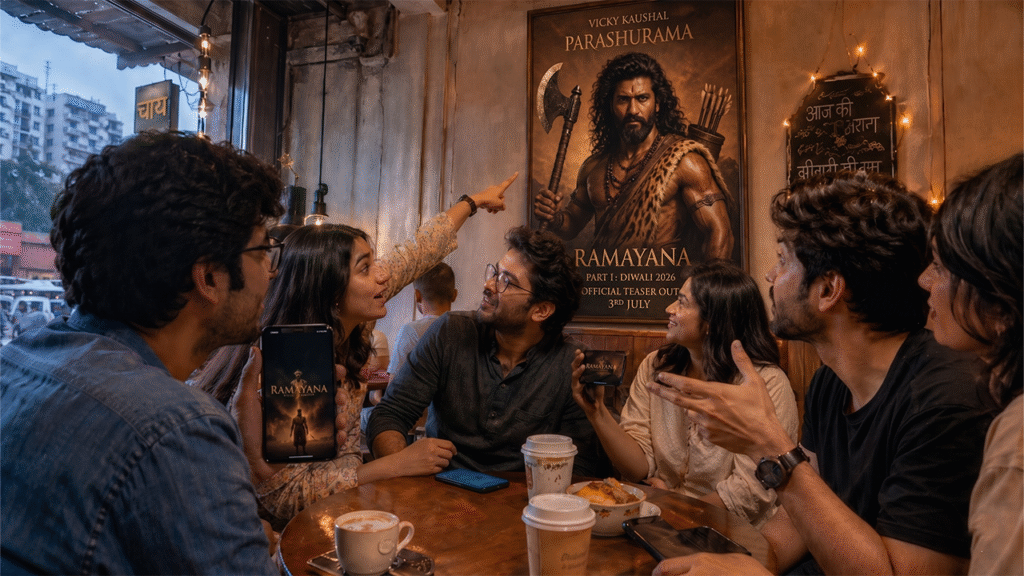
Then there’s Mahavatar, where Vicky Kaushal steps into the fierce sandals of Lord Parashurama—the sixth avatar of Vishnu, the eternal warrior-sage known for wielding the axe against tyranny. Produced under the Maddock Films banner with Dinesh Vijan at the helm (and direction whispers pointing toward Amar Kaushik), it’s slated for a December 2026 release. Vicky’s first-look posters dropped recently, capturing raw power and righteousness. This isn’t a side project—it’s positioned as a standalone epic that could spawn its own universe, tapping into the same avatar lore that Ramayana explores.
These aren’t isolated bets. 2026 teems with similar ambition: whispers of Chiranjeevi Hanuman and other divine tales. The common thread? Massive scale, star power, and a push for global appeal. But with such lofty stakes, the big question lingers…
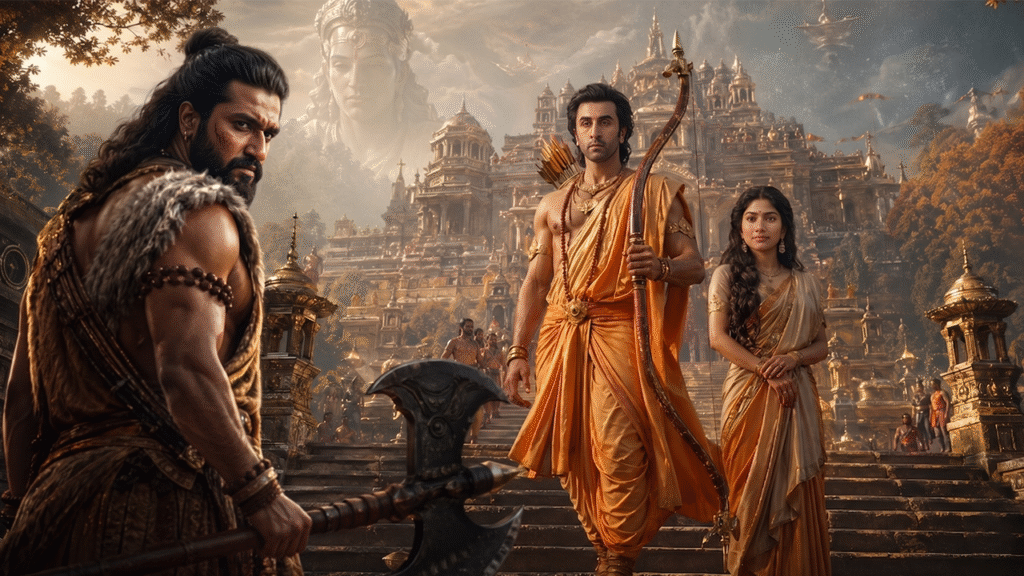
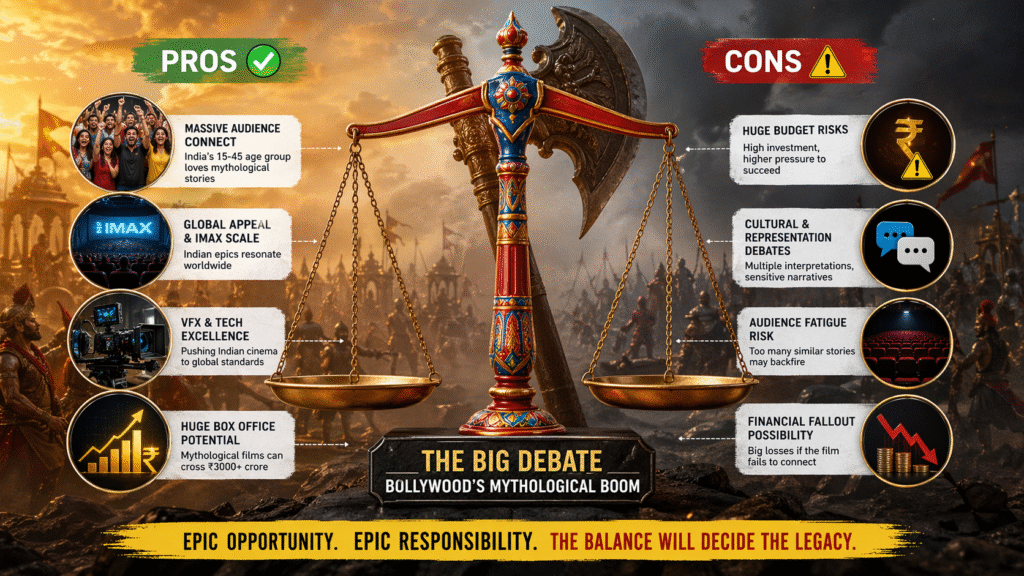
The Big Debate: Will This Mythological Gamble Soar or Stumble?
Experts and audiences are split, and that tension fuels the excitement. Let’s break it down fairly.
The Pros: Why 2026 Could Be a Game-Changer
- Cultural Revival and Emotional Resonance: These films tap into something primal. For Gen Z and millennials (our 15-45 target), raised on Amar Chitra Katha comics and YouTube mythology explainers, seeing epic battles in 4K IMAX feels like heritage coming alive. It fosters pride—think how RRR or Kantara blended folklore with spectacle and won hearts worldwide.
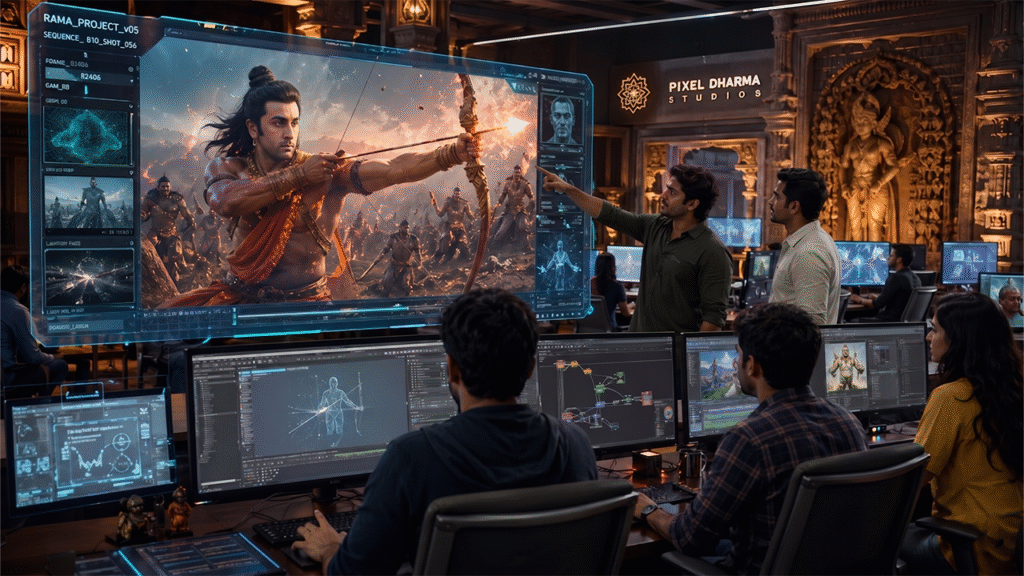
- VFX Advancements Pushing Boundaries: DNEG’s involvement in Ramayana signals world-class tech. Early CinemaCon 2026 screenings of unseen footage left viewers buzzing about refined visuals—no more “teaser criticism” worries, as Yash himself assured refinements. This could set a new benchmark, rivaling Hollywood’s Dune or Godzilla clashes.
- Box Office and Global Potential: If Baahubali hit ₹1800+ crore and recent non-mythological hits like the Dhurandhar franchise crossed ₹3000 crore combined, imagine mythology’s pull. Overseas markets (US, UK, Middle East) love culturally rich epics. Diwali 2026 window for Ramayana Part 1 could clash thrillingly with Hollywood but dominate diaspora screens.
- Industry-Wide Boost: Big wins fund smaller films, nurture VFX talent in India, and inspire young writers to adapt more Puranas or regional legends.
Take Arjun’s excitement—he’s already planning a theater outing with cousins. “It’s not just a movie; it’s our identity on screen.”
The Cons: Where the Risks Could Backfire
- Financial Overkill and Star Salaries: Budgets balloon with A-list paychecks (reports of ₹100+ crore fees) and years-long VFX pipelines. One underperformance—like past big swings that fizzled—could sink studios and squeeze mid-budget gems that once defined Bollywood creativity.
- Cultural Sensitivity Tightrope: Mythology is sacred. Missteps in portrayal (even unintentional) spark backlash. Audiences demand authenticity—Rama’s ideals, Parashurama’s dharma-driven rage—without modern dilution or controversy.
- Audience Fatigue and Over-Saturation: If every big release is an epic, where’s the variety? Skeptics like Meera worry it sidelines original stories, turning cinema into a “franchise factory” chasing spectacle over substance.
- Production and Release Pressures: Global IMAX ambitions mean tight deadlines. Delays or uneven quality could tarnish the “redefine cinema” promise.
Priya, our critic friend, raises valid points: “Scale is great, but heart matters more. Remember when over-hype met reality?”
Balanced view? History shows risks pay when storytelling shines. Baahubali balanced both worlds beautifully.
The Indian Twist: Mythology Meets Modern Desi Reality
Fasting during Navratri or listening to Ramayana kathas at temples isn’t new—it’s woven into our DNA. Bollywood’s 2026 push feels like a full-circle moment. Our grandparents queued for mythological films in the 1950s-60s; now, we queue for IMAX. But the desi lifestyle adds layers: busy professionals like Meera juggle jobs and family, seeking stories that reaffirm values amid chaos. These films could spark dinner-table debates on dharma in 2026 India—AI ethics anyone?—making ancient wisdom relevant.
Real families are already buzzing. WhatsApp groups light up with teaser reactions. Regional cinema (South Indian successes) inspires Bollywood to go pan-Indian, dubbing in multiple languages for maximum reach.
Real Stories: Fan Voices and Industry Echoes
Let’s hear from those living it.
- Siddharth, 24, Hyderabad: “The Ramayana teaser gave me goosebumps. Ranbir as Rama? It feels personal—like my childhood stories upgraded. I’m dragging my entire family to opening night.”
- Neha, 31, Pune, content creator: “As a woman, Sita’s arc in modern retellings excites me. If they handle it with sensitivity, it could empower conversations on resilience. But please, no tokenism.”
- Industry insider (anonymous producer): “VFX is no longer the weak link. With DNEG and global talent, Ramayana aims for Oscar-level craft. The gamble? Making it emotionally universal without losing Indian soul.”
These voices show the divide—and the hope.
How This Wave Succeeds: Smart Strategies for the Mythological Boom
Want this renaissance to thrive? Here’s how:
- Prioritize Storytelling Over Spectacle: VFX dazzles, but dharma, sacrifice, and human flaws win hearts.
- Involve Cultural Experts: Consult scholars for authenticity—avoid controversies that tank goodwill.
- Hybrid Release Magic: Theatrical for grandeur + strategic streaming for longevity.
- Youth Engagement: AR filters, interactive apps, school tie-ups to make epics cool for teens.
- Sustainable Budgeting: Learn from hits—focus on talent that serves the story, not just star power.
- Global Yet Rooted Marketing: Tease universal themes (good vs evil) while celebrating Indian pride.
Desi Cinema Hacks: Making Mythology Click for Today’s Audience
Pair the epic with real life:
- Family Viewing Rituals: Host watch parties with homemade snacks—echoing old TV serial nights.
- Social Media Challenges: Recreate iconic scenes or discuss “What would Rama do in 2026?”
- Merch and Experiences: Themed pop-ups, VR temple tours, or comic book tie-ins.
- Balanced Consumption: Enjoy the film, then read original texts for deeper connection.
Steer clear of mindless hype—engage thoughtfully.
Wrapping It Up: To Gamble or Not? The Choice That Redefines Us
So, does Bollywood’s ₹3000 crore mythological gamble in 2026 redefine Indian cinema? It’s not black-and-white. For some, it’s a triumphant return to roots—slimming doubts and amplifying cultural pride on a global stage. For others, it’s a high-wire act where one misstep echoes loudly. The difference lies in execution: authentic narratives, groundbreaking yet respectful VFX, and heartfelt respect for the source.
2026 isn’t just a release year—it’s a cultural moment. Dip into the excitement. Watch the teasers, debate with friends, and let these stories remind us why dharma, courage, and legacy still matter. Indian cinema stands at a crossroads, and mythology might just light the path forward.
What’s your take? Are you hyped for Ranbir’s Rama or Vicky’s Parashurama? Have these epics shaped your life? Drop your stories, predictions, and favorite mythological moments in the comments below—let’s swap notes and celebrate together. Share this if you’re Team Ramayana Effect! Your voice fuels the conversation.
You May Like This
1



Advertisement

You May Like This








Advertisement
Advertisement
Advertisement