

Advertisement

- Updated on April 17, 2026
- IST 8:22 am
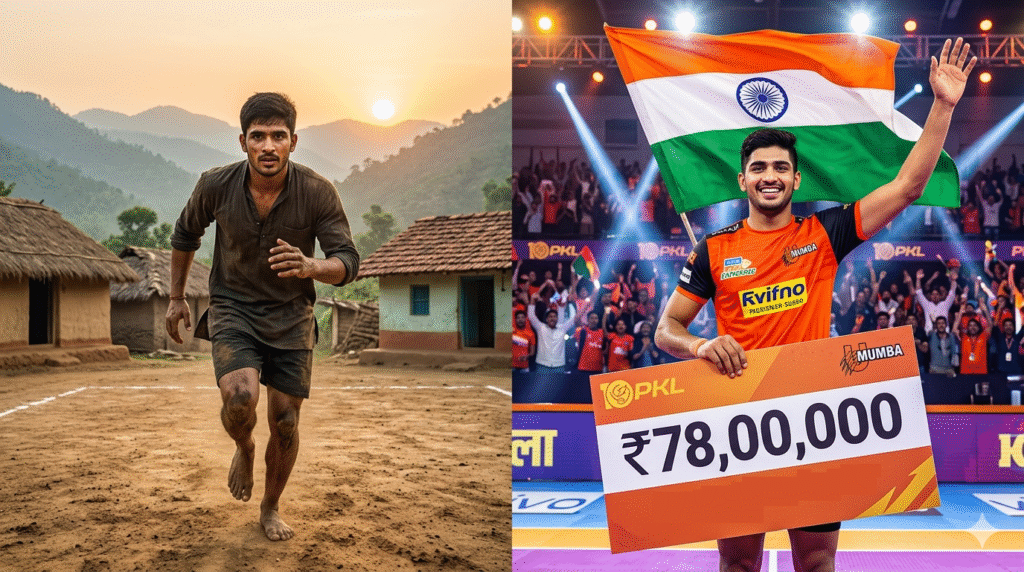
Imagine this: Rahul, a 19-year-old from a sleepy village in Haryana’s dusty fields, grew up raiding makeshift circles drawn in the mud with his friends after school. He had raw talent—quick feet, sharp instincts—but no coach, no trials, no money for kits. One day, he hung up his faded shorts, joined a local job, and watched his dreams fade into daily chores. “Kabaddi was just a game for us village boys,” he says now, coaching kids on weekends with whatever time he can spare.
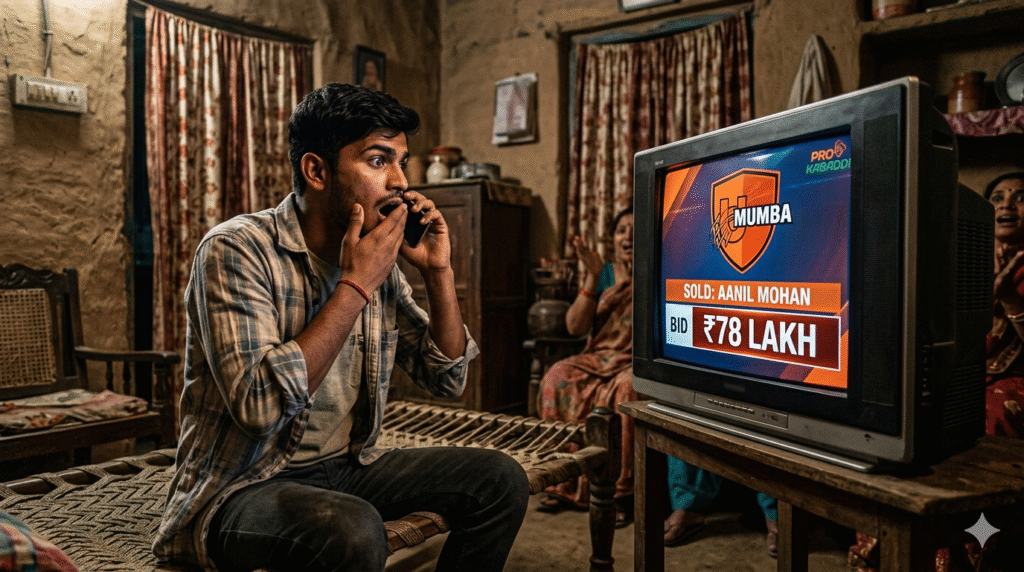
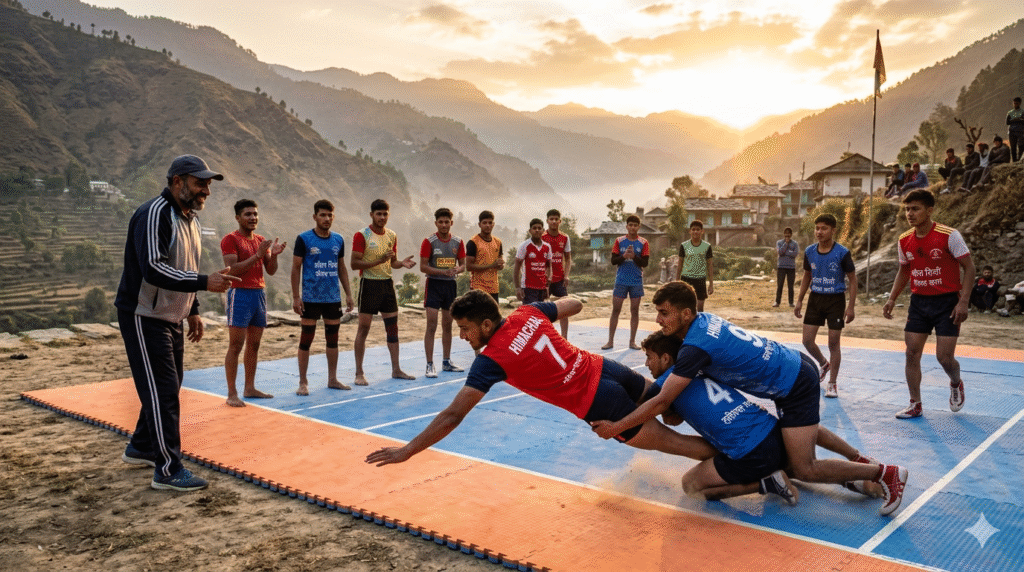
Now picture Aanil Mohan, 22, from the even quieter village of Jasui in Himachal Pradesh’s Sirmaur district. Same dusty courts, same raw passion, but his story flips the script. He raided on those same muddy patches, got spotted in 10th grade, moved to Haryana’s kabaddi heartland on sheer grit, and kept pushing. Then, on auction day for PKL Season 12, while he was fast asleep, U Mumba dropped a bombshell—₹78 lakh, the highest-ever bid for a Category D player in league history. When he woke up, his phone was exploding. “I just couldn’t believe it was real,” Aanil later shared, voice still filled with disbelief.
So, what’s the truth? Is the Pro Kabaddi League (PKL) truly opening doors for village talents like Aanil, or is it just a rare lightning strike in a sea of struggle? With kabaddi’s deep roots in rural India and the league’s growing glamour, can one massive bid really change the game for thousands of dreamers? In this blog, we’ll unpack Aanil’s incredible journey, the risks and rewards of chasing pro kabaddi, real-life stories from the mat, and practical tips rooted in our desi villages. Plus, we’ll explore how grassroots efforts are turning dust-court raiders into league stars. Let’s dive in and get inspired together!
Understanding Kabaddi and the PKL Revolution: From Ancient Roots to Modern Millions
First, let’s get the basics down. Kabaddi isn’t just a sport—it’s woven into India’s soul, especially in villages. Think of it like a high-stakes game of tag meets chess: one raider crosses into the opponent’s half, chanting “kabaddi” non-stop, while defenders try to tackle him before he returns safely. It demands speed, strength, strategy, and breath control—all on a 13×10 meter mat. No equipment needed, just heart. That’s why it thrived in rural India for centuries, from Tamil Nadu’s temples to Haryana’s akharas and Himachal’s hilly fields.
But for decades, it stayed a local passion. Then came the PKL in 2014—a game-changer that turned kabaddi into prime-time entertainment, complete with celebrity owners, packed arenas, and life-changing contracts. Today, it’s a ₹100-crore-plus industry, drawing millions of viewers and giving rural athletes a real shot at stardom. Season 12’s auction (held in 2025) was electric, with big bids flying and surprise picks stealing the show. U Mumba’s ₹78 lakh splash on Aanil Mohan wasn’t just big news—it was history.
For many young players, shedding the “village boy” tag can tip the scales toward success, boosting confidence and opening doors to better training and nutrition. That’s where PKL enters the chat—praised as a talent factory. But with limited infrastructure in places like Himachal, is the leap from dust courts to league mats smooth, or does it leave most behind? Let’s explore.
Aanil Mohan’s Humble Beginnings: Dust Courts and Family Dreams
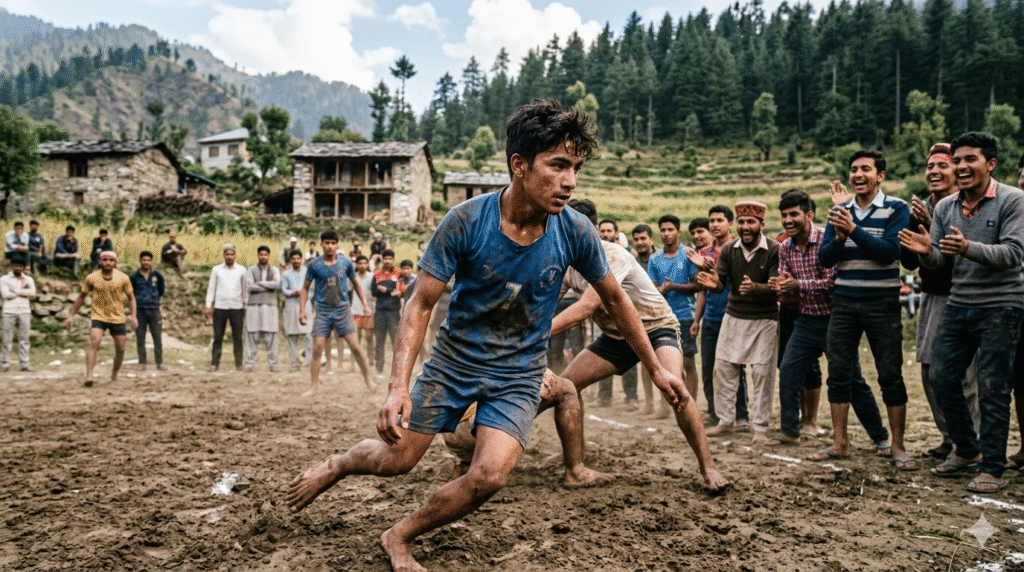
Unlike typical pro stories that start in city academies, Aanil’s began in the most humble setting: the dusty courts of Jasui village. “I used to play kabaddi in my village,” he recalls simply. No fancy mats, no floodlights—just bare earth, friends, and pure joy. His elder brother played more seriously but joined the army, leaving the family’s sporting hopes on Aanil’s shoulders. His parents supported him quietly, even as resources were tight.
In 10th grade, a local coach spotted his natural raiding skills—left-raider instincts that combined power with agility. That was the spark. But staying in Himachal meant limited exposure. So, like many before him, Aanil made the brave move to Haryana, the undisputed kabaddi capital. There, he trained harder, faced tougher competition, and represented Himachal Pradesh in Senior Nationals. It wasn’t glamorous—long bus rides, basic meals of dal-roti, and nights doubting if it was worth it.
Metaphor time: Aanil’s early journey was like a raider holding his breath in enemy territory—pushing forward with nothing but belief, dodging tackles from doubt and lack of support. Yet he kept chanting his dream.
The Breakthrough Moment: From State Trials to National Buzz
Talent alone doesn’t always win, but persistence does. Aanil’s breakthrough came through consistent performances in domestic circuits and state teams. He wasn’t a household name yet—just another promising all-rounder in Category D, the entry-level pool for fresh talents. But scouts noticed. His raiding raids were clinical, tackles rock-solid, and fitness unmatched for someone from a non-traditional kabaddi state like Himachal.
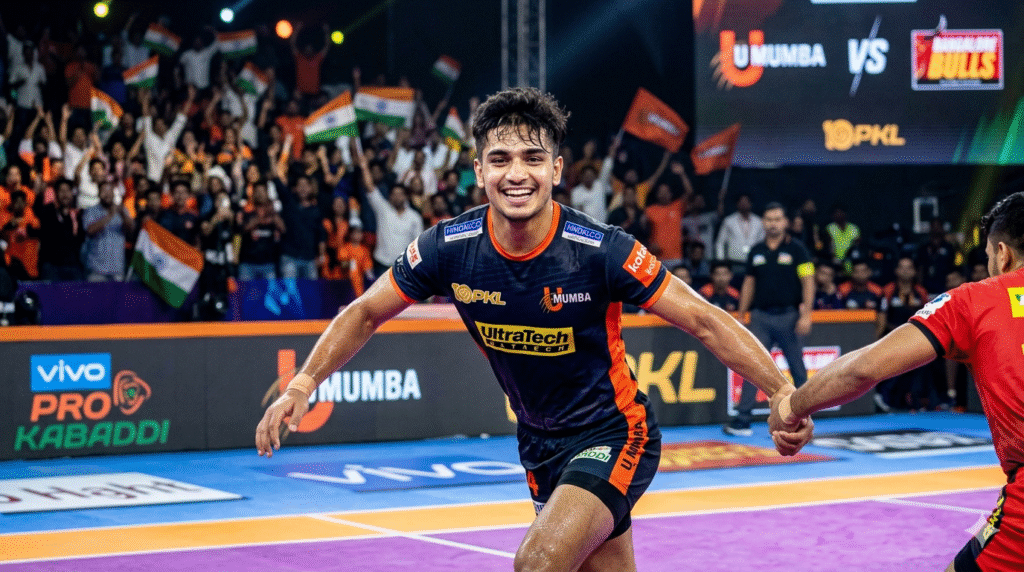
Enter the PKL Season 12 auction. Teams like Jaipur Pink Panthers and U Mumba locked in a fierce bidding war. While Aanil slept peacefully (unaware of the drama), the gavel fell at ₹78 lakh. U Mumba, known for smart youth investments, saw in him the next big thing—pairing him with captain Sunil Kumar, the “Captain Cool” of the league.
This wasn’t just a bid; it was validation. For Himachal, it was historic—the first major PKL spotlight on their talent.
The Big Debate: Does PKL Truly Lift Village Talents or Create False Hopes?
Here’s where it gets juicy—experts, players, and fans don’t always agree. Let’s break it down fairly.
The Pros: Why Stories Like Aanil’s Inspire Millions
- Grassroots Spotlight: PKL has democratized kabaddi. Category D bids like Aanil’s prove that scouts are hunting beyond Haryana and Maharashtra, reaching Himachal’s hills and other overlooked regions.
- Financial Security: ₹78 lakh isn’t just money—it’s life-changing. It funds family needs, better training, and even inspires entire villages to take up the sport.
- Skill Elevation: League exposure means world-class coaching, fitness science, and global techniques. Aanil will now train with pros, sharpening his game for nationals and maybe even international duty.
Take Aanil’s own words: He’s now living the dream alongside legends, carrying his village’s pride.
The Cons: Where the Journey Can Hit Roadblocks
- Pressure Cooker: Massive bids bring sky-high expectations. One injury or poor season, and the spotlight turns harsh. Mental health struggles are real for young players suddenly thrust into fame.
- Infrastructure Gaps: Most villages lack basic facilities. Aanil had to migrate; many can’t, leading to early burnout or talent waste.
- Sustainability Questions: Not every big buy becomes a superstar. Without ongoing support post-auction, some fade. Critics ask: Is PKL doing enough for long-term development beyond auctions?
Aanil himself navigated doubts, but not everyone is as lucky.
The Indian Twist: Kabaddi Meets Village Tradition
Kabaddi isn’t new to us Indians—it’s practically our backyard sport. From rural akharas during festivals to school grounds in monsoon mud, it’s embedded in our culture. Himachal adds its own flavor: hilly terrains build natural stamina, while community spirit turns every match into a village festival. But pro leagues demand more—scientific diets, recovery routines, and mental prep.
Our everyday village life has carbs-heavy meals like parathas and rice—great for energy but tricky for peak performance. So, can kabaddi fit into this desi framework? Absolutely—if tweaked smartly. A simple village-style training mimics natural movement, but adding modern edges makes the difference.
Real Stories: Triumphs, Tumbles, and Lessons from the Mat
Let’s hear from others who’ve walked similar paths.
- Pawan Sehrawat’s Early Struggles: The “Raider Supremo” from a modest background faced rejections before PKL stardom. His story echoes Aanil’s grit.
- A Village Raider from Tamil Nadu: Many anonymous talents in lower categories share how one PKL chance changed family fortunes, but others talk of returning home broke after short stints.
- Himachal’s Own Rising Stars: Local players in nationals credit state programs but note PKL as the real game-changer for visibility.
These tales prove one thing: PKL isn’t a guaranteed fairy tale. It’s a platform—how you raid it matters.
Safe Path for Aspiring Kabaddi Stars: Tips to Get It Right
Thinking of lacing up and raiding your way to the PKL? Here’s how to keep it real and sustainable:
- Start Local, Train Smart: Play on village courts daily but add basic drills—shadow raiding, breathing exercises. No gym? Use hills for stamina.
- Fuel Like a Raider: Village meals work—focus on millets, dal, greens, and ghee for strength. Avoid junk; hydrate with nimbu paani or buttermilk.
- Seek Mentors Early: Join local clubs or Khelo India-style programs. Record your games on a phone and analyze like pros do.
- Balance Life and Mat: Study alongside training. Family support is gold—communicate dreams openly.
- Mental Toughness: Meditation or village walks beat stress. Injuries happen; recover smartly with rest.
- Network and Stay Updated: Follow PKL trials, apps, and federation updates. Volunteer at events to learn.
Desi Training Hacks: Eating and Training Smart for Kabaddi Glory
What you do off the mat can make or break your raid. Here’s a village-friendly plan inspired by players like Aanil:
- Morning Warm-Up (Breaking the Day): Ragi porridge with nuts or moong dal cheela—protein-packed for energy without heaviness.
- Midday Fuel: Brown rice with dal, sabzi, and curd. Balance for sustained power.
- Snack Attack: Roasted chana with fruit or lassi—quick, desi, and mighty.
- Evening Recovery: Light grilled paneer or fish (if available), salad, and early dinner before rest.
Steer clear of sugary chai overloads or deep-fried snacks. Nourish your body like you raid the mat—smart and fierce.
Wrapping It Up: One Raid Can Change Everything
So, does Aanil Mohan’s ₹78 lakh PKL journey prove the league is a village hero-maker, or is it still a long shot for most? It’s not black-and-white. For talents like him, it’s a game-changer—turning dust into gold and inspiring millions. For others, it highlights the need for better grassroots support, more inclusive scouting, and mental health focus.
If kabaddi calls to you, dip your toes (or feet) in. Start small, raid with heart, watch your body’s signals, and lean on coaches and family. Kabaddi is a marathon of short bursts, and you’re tougher than any tackle. What’s your take? Have you played village kabaddi or followed PKL dreams? Drop your story below—let’s swap notes, cheer each other, and build the next generation of raiders. Jai Hind—let the raids begin!
You May Like This
1



Advertisement
You May Like This





Advertisement
Advertisement
Advertisement