

Advertisement

- Updated on April 17, 2026
- IST 9:07 am
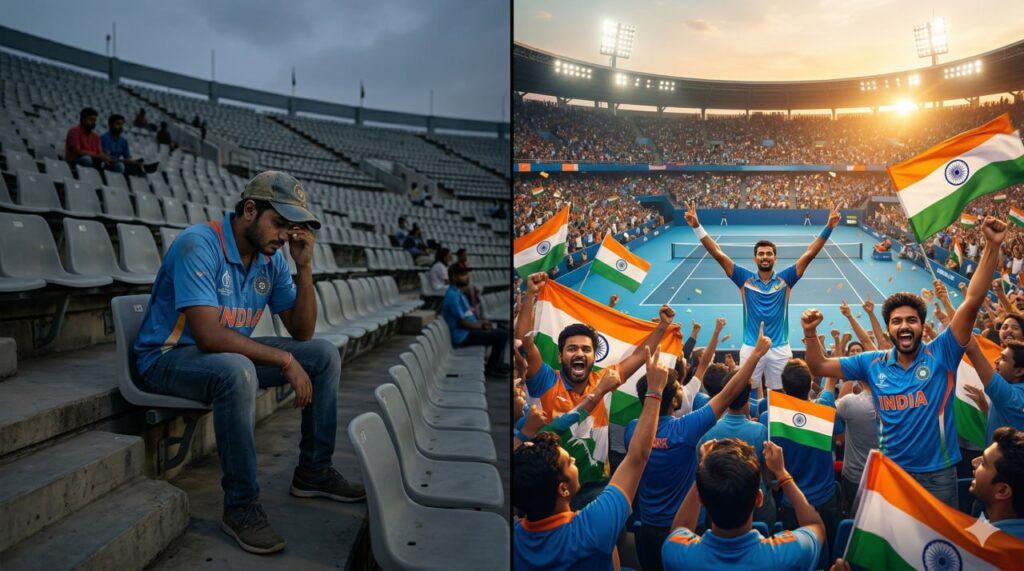
Imagine this: Arjun, a 22-year-old college student and passionate tennis fan from Bengaluru, had been glued to his phone all weekend in February 2026. The Davis Cup qualifiers were happening right in his backyard at the SM Krishna Tennis Stadium, and India—ranked a modest 33rd—were up against tennis powerhouse Netherlands, sitting at No. 6. Arjun had skipped his usual weekend cricket binge to cheer for the underdogs. When 22-year-old Dhakshineswar Suresh, a relatively unknown player ranked around 457, sealed the decisive point in a nail-biting reverse singles, Arjun jumped up from his couch, screaming with joy as the crowd erupted. “We just beat the sixth-best team in the world! This is bigger than any IPL moment for me,” he posted on Instagram, tagging his friends and sharing clips of the wild celebrations. For Arjun, it felt like a dream—India suddenly rocketing 14 spots to No. 19 in the latest Davis Cup rankings.
Now, picture Pieter, a 35-year-old Dutch tennis enthusiast from Amsterdam, watching the same tie from halfway across the globe. He’d expected a straightforward win for his team, packed with top-200 ATP stars. Instead, he watched in stunned silence as India pulled off a 3-2 thriller. “How did a low-ranked Indian kid dismantle our lineup? This ranking drop hurts, but credit where it’s due—pure grit,” he admitted in a forum post, shaking his head at the upset that sent shockwaves through the tennis world.
So, what’s the truth? Is India’s historic 3-2 victory over the Netherlands and that massive 14-place jump in the 2026 Davis Cup rankings a one-off fairy tale, or the start of a genuine renaissance for Indian tennis? With the sport often overshadowed by cricket in our country, can this underdog triumph spark a new wave of interest, investment, and success on the global stage? In this blog, we’ll unpack the dramatic match, the ranking explosion, the unsung heroes, and the real-life ripple effects for Indian players and fans. Plus, we’ll share expert insights, fan stories, and practical tips rooted in our desi tennis culture. Let’s dive in and figure this out together!
Understanding Davis Cup: The Ultimate Team Tennis Battle
First, let’s get the basics down. The Davis Cup isn’t just another tournament—it’s the World Cup of tennis, a fierce team competition where nations battle it out in a best-of-five rubbers format. Think of it like a high-stakes relay race where singles and doubles players carry the flag for their country, with no room for individual glory alone. Started back in 1900, it’s all about national pride, with ties played on home soil or neutral venues, adding that electric crowd energy that can turn underdogs into giants.
For India, the Davis Cup has always been a mixed bag. We’ve had glorious peaks—like reaching the finals in 1966 and 1975—but recent years saw us hovering in the lower tiers, battling to stay competitive against stronger European and Asian sides. The 2026 qualifiers marked a fresh chapter under the ITF’s updated format, where the top teams fight for a spot in the prestigious Finals. A win here isn’t just about points; it’s about momentum, sponsorships, and inspiring the next generation of racquet-wielding kids in our parks and academies.
Beyond the surface, this format rewards depth, teamwork, and home advantage. India’s clay or grass courts can become fortresses when the crowd roars in Hindi, Tamil, or Kannada. For many young Indians aged 15-45 who follow the sport between board exams, office jobs, or gym sessions, Davis Cup feels personal—it’s our chance to punch above our weight on the world stage. That’s where the magic of this Netherlands upset enters the chat—praised as one of India’s biggest upsets in decades. But with tennis infrastructure still growing in India, is this ranking jump sustainable, or just a flash in the pan? Let’s explore.
The Historic Win Explained: A 3-2 Thriller That Defied the Odds
Unlike individual ATP tours that focus on personal rankings, Davis Cup is pure team warfare—singles, doubles, and reverse singles deciding the fate of nations. The pitch? It gives rising stars a platform to shine under pressure, tweaking strategies and building unbreakable bonds. For the average tennis fan, it’s a reset button for national hope. But for India facing the mighty Netherlands, whose squad boasted multiple top-200 players, did it sync up—or was it destined to be another brave effort?
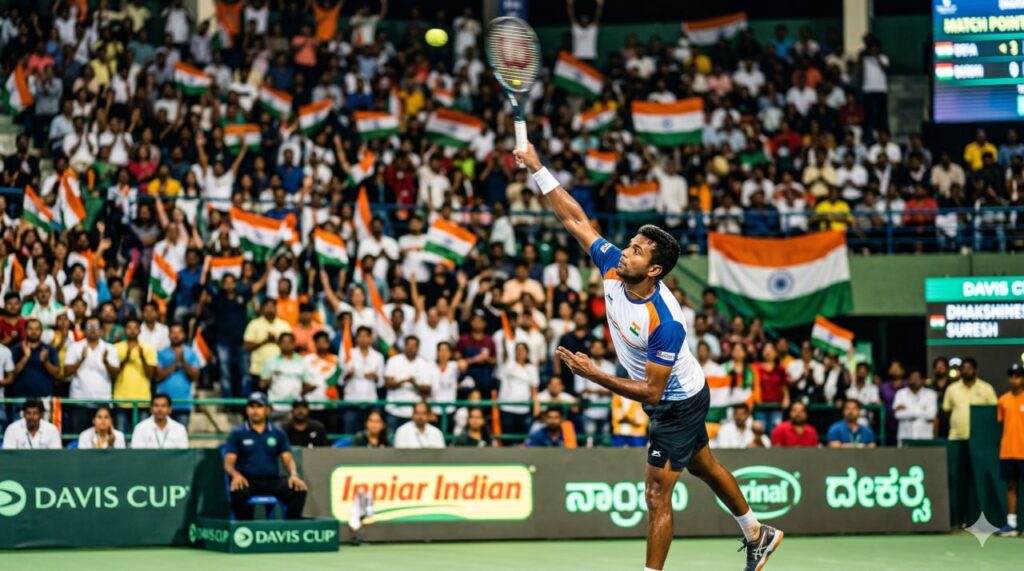
The tie unfolded in Bengaluru over two gripping days in early February 2026. Match 1 saw Dutchman Guy Den Ouden edge out Sumit Nagal 6-0, 4-6, 6-3, putting India on the back foot. But then came the heroics. In Match 2, Dhakshineswar Suresh— the 6’5” giant from Madurai, ranked a humble 457—stunned World No. 88 Jesper de Jong in straight sets (6-4, 7-5). The crowd went wild as Suresh’s powerful serve and fearless groundstrokes turned the tie on its head.
Day 2 was pure drama. The doubles rubber saw Suresh team up with Yuki Bhambri for the first time, battling Sander Arends and David Pel in a three-hour epic: 7-6(0), 3-6, 7-6(1). That victory gave India a 2-1 lead. Netherlands fought back when de Jong defeated Nagal in the reverse singles (5-7, 6-1, 6-4), leveling it at 2-2. Enter Suresh again for the decider against Den Ouden. In a tense battle of nerves, Suresh prevailed 6-4, 7-6(4), clinching the 3-2 win and sending the stadium into frenzy.
Suresh’s triple blow—two singles and one doubles—made him the undisputed star. As one commentator put it, “This wasn’t just a win; it was a statement from a player who trained on dusty courts back home.” For India, it was more than points; it was validation after years of near-misses.
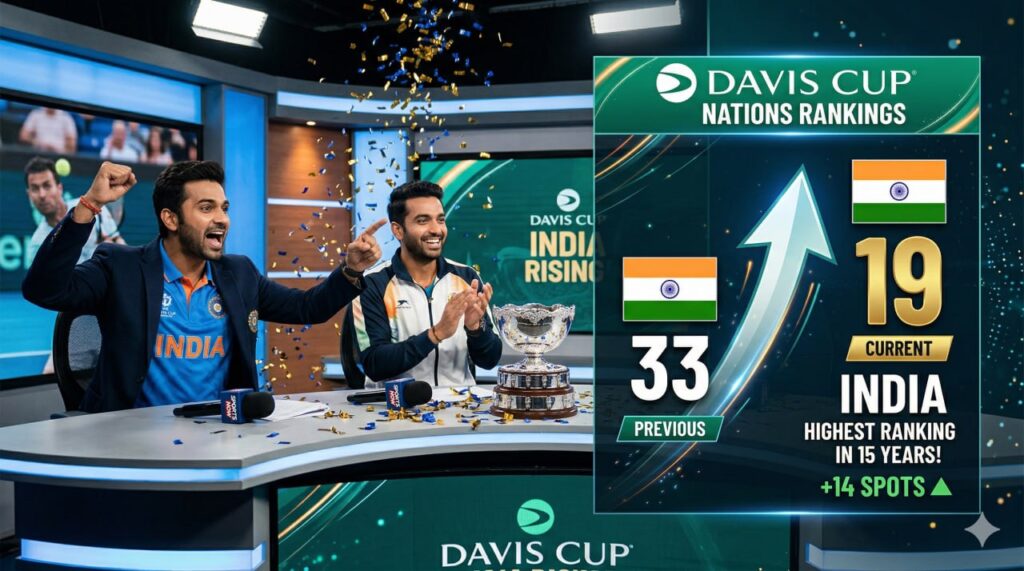
India’s Ranking Rocket: From 33rd to 19th – What Changed?
Here’s where it gets juicy—experts and fans are buzzing. Let’s break it down.
The Pros: Why This Jump Matters
- Momentum Boost: Climbing 14 spots to No. 19 catapults India into the top 20, easing their path in future qualifiers and opening doors to better seeding.
- Player Confidence: Low-ranked talents like Suresh gain massive exposure, attracting sponsors and wildcards on the ATP tour.
- Fan and Funding Surge: Historic wins like this spark interest among young Indians, potentially increasing academies, government grants, and corporate backing for tennis.
Take Arjun’s story: After the match, he and his friends started a local tennis meetup group. “One win changed how we see our players,” he beams.
The Cons: Where Challenges Lurk
- Depth Concerns: Relying on one hero like Suresh highlights gaps—top players like Nagal need consistent support to avoid burnout.
- Infrastructure Gaps: India’s tennis scene still battles limited courts and funding compared to Europe. One upset won’t fix systemic issues overnight.
- Sustainability: Can this ranking hold against tougher teams like South Korea next? Pressure mounts fast in team events.
Pieter from the Netherlands side saw it too: “India deserved it, but maintaining No. 19 will test their squad depth big time.”
These tales prove one thing: The ranking jump isn’t a magic wand. It’s a tool—how India wields it matters.
The Indian Twist: Davis Cup Meets Desi Passion
Davis Cup isn’t new to us Indians—it’s practically woven into our sports heritage, much like cricket World Cups or badminton triumphs. From the 1966 final run to modern qualifiers, our culture is steeped in underdog stories. But those past efforts often ended in heartbreak against stronger sides, sending hopes on a wild ride. For tennis fans juggling college, jobs, or family in bustling cities like Bengaluru or Delhi, that’s a tricky combo.
Our everyday sports diet leans heavy on cricket—IPL, T20s, Test matches. Thrilling? Yes. Ideal for building tennis stars? Not always. So, can this Davis Cup moment fit into our desi framework? Absolutely—if we tweak it. Home ties with roaring crowds mimic our natural passion for team sports and feel less like a leap. The trick is building on it with balanced development, not just one-off celebrations.
Real Stories: Triumphs and Heartbreaks from the Court
Let’s hear from the players and fans who lived it.
- Dhakshineswar Suresh, 22, Madurai: The breakout hero who trained in the US on college scholarships. “I just played for my country—nothing else mattered,” he shared post-match, eyes shining with pride after his triple contribution.
- Sumit Nagal, Veteran Campaigner: Despite his loss, he backed the team: “Suresh carried us. This win shows what hunger can do.”
- Rohan, 28, Mumbai Fan: “I stayed up all night watching. It felt like India winning an Olympic gold in tennis. My kids now want to pick up racquets!”
These stories prove one thing: Davis Cup isn’t just rankings. It’s emotion—how you channel it defines the future.

Safe Strategy for Indian Tennis: Tips to Keep the Momentum
Thinking of how India can build on this? Here’s how to keep it safe and sustainable:
- Ease In: Focus on consistent training blocks for rising talents like Suresh before tougher ties.
- Fuel Up Right: Invest in world-class coaching, fitness, and nutrition—pair raw talent with science-backed support.
- Hydrate with Support: Back players with mental health resources and financial stability during lean periods.
- Listen Up: Track performances across ATP tours and adjust team selections dynamically.
- Get Expert Eyes: Collaborate with ITF and AITA for better infrastructure and grassroots programs.
- Chill Out: Manage player workload to avoid injuries—balance Davis Cup with individual careers.
Desi Tennis Hacks: Supporting the Team Like True Fans
What fans and young players do next can make or break this momentum. Here’s an India-friendly game plan:
- Morning Drill (Building Habit): Join local clubs for group sessions—focus on basics like serve and volley with friends.
- Lunch Break Strategy: Watch highlight reels during work or college—analyze Suresh’s shots for inspiration.
- Snack Time Motivation: Follow players on social media for daily doses of positivity.
- Dinner Huddle: Organize community watch parties for future ties—mix it with chai and pakoras, but keep the focus on cheering smart.
Steer clear of fleeting hype or ignoring grassroots. Nourish the ecosystem, don’t just celebrate one win.
Wrapping It Up: From 33 to 19—Heartbreak No More?
So, does India’s 14-place Davis Cup ranking jump after the historic Netherlands win change everything or just give us temporary cheers? It’s not black-and-white. For some Indian fans, it’s a game-changer—boosting pride and opening doors for young talents. For others, it’s a reminder of how far we still have to go. The difference lies in how we build on it—smartly, steadily, and with collective passion.
If this victory inspires you, dip your toes into tennis—whether as a fan, player, or supporter. Start small, watch the next qualifiers, and lean on community for momentum. Indian tennis is a marathon, not a sprint, and we’re tougher than the odds. What’s your take? Watched the Netherlands thriller? Drop your story below—let’s swap notes and lift Indian tennis together!
You May Like This
1



Advertisement

You May Like This








Advertisement
Advertisement
Advertisement