

Advertisement

Advertisement

- Updated on May 15, 2026
- IST 6:43 am
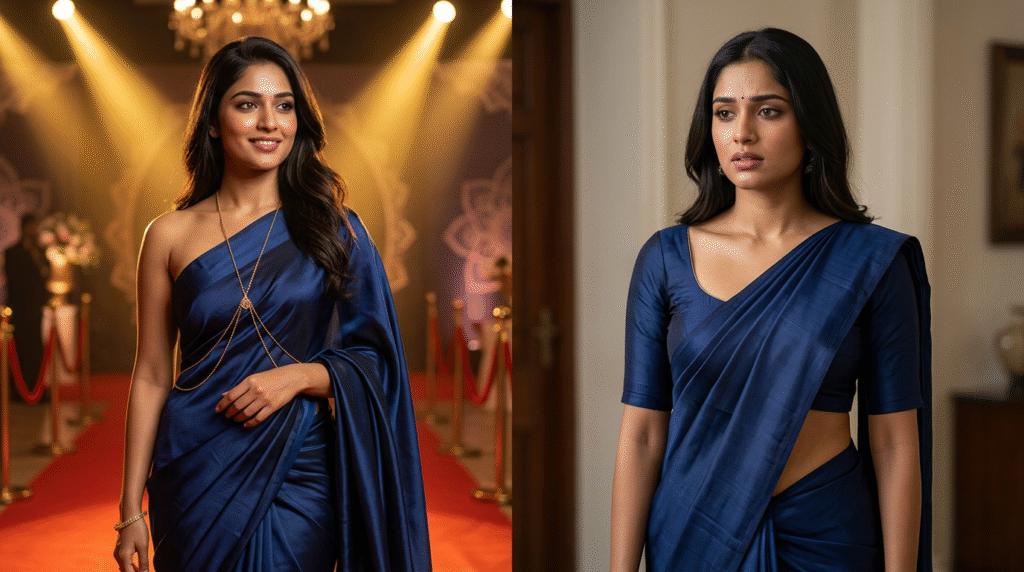
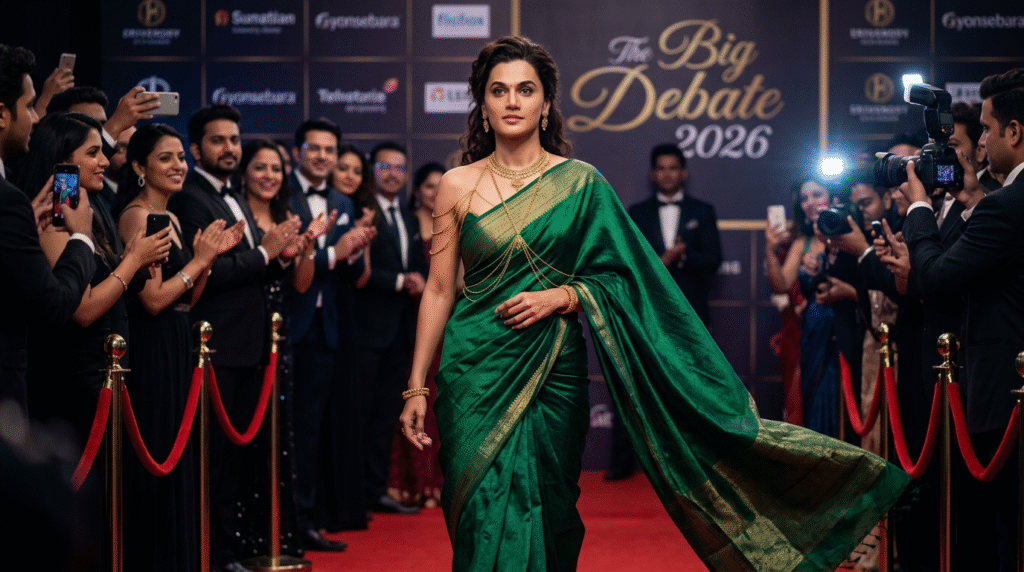
Imagine this: Taapsee Pannu, the fierce actor known for calling out patriarchy on screen and off, steps onto the red carpet at a high-profile 2026 awards night. Draped in a flowing silk sari the color of midnight, she pairs it not with the usual fitted blouse but with a delicate body chain that gleams under the lights. No choli, no cover-up—just confident skin, ancestral drape, and unapologetic poise. Cameras flash wildly. Social media erupts. “She’s reclaiming what was ours all along,” one fan posts. But not everyone cheers. A prominent conservative voice tweets, “This isn’t fashion—it’s erasing 150 years of our refined tradition!”
Now picture Priya, a 29-year-old marketing executive from Delhi, trying the same at her cousin’s wedding. She chooses a lightweight cotton sari, skips the blouse for a stylish body chain inspired by Taapsee, and feels liberated, powerful, alive. Her family? Shocked. Aunties whisper about “modern nonsense,” while her grandmother quietly smiles, remembering village stories of her own mother draping saris bare-shouldered for fieldwork. Priya’s Instagram Reel gets thousands of supportive comments from young women—but also DMs calling her “disrespectful to Indian culture.”
So, what’s the truth? Is the 2026 sari reformation—a wave of Indian divas ditching blouses for body chains and bold drapes—true empowerment and decolonized fashion, or is it cultural erosion dressed up as feminism? With Taapsee Pannu and Mrunal Thakur leading the charge alongside other celebrities, this isn’t just a trend; it’s a conversation about body autonomy, history, and what it means to wear our heritage on our own terms. In this blog, we’ll unpack the roots of the blouse, the risks and rewards of going blouseless, real-life stories from the spotlight and streets, and practical desi tips to try it safely and stylishly. Let’s dive into the sari without blouse 2026 movement and figure out where we stand—together.
Understanding the Sari: A Fabric Woven with Layers of History
First, let’s get the basics straight. The sari isn’t just six yards of cloth—it’s one of the world’s oldest surviving garments, tracing back over 5,000 years to the Indus Valley Civilization. Think of it like a living storybook: unstitched, versatile, and adaptable to climate, work, and identity. From ancient sculptures at Khajuraho to temple carvings, women often draped saris with bare torsos or minimal upper coverage. It was practical for labor in fields, graceful for rituals, and deeply tied to regional identities across India.
Then came the colonial era. Victorian notions of modesty hit hard. British rulers viewed bare-breasted drapes as “indecent,” pushing for “civilized” Western influences. Enter the blouse—popularized in the late 19th century by trailblazers like Jnanadanandini Debi, who adapted Western styles to preserve the sari rather than abandon it entirely. What started as a response to colonial pressure and club entry rules became standard. Petticoats and stitched blouses turned the sari into “proper” attire. Fast-forward to post-Independence Bollywood glamour, and the fitted choli became synonymous with tradition itself.
But here’s the fresh angle most fashion gatekeepers miss: the blouse is barely 150 years old. Pre-colonial drapes like the Venukagundaram (tulip drape) from coastal Andhra were designed for freedom of movement—no blouse, no petticoat, just pure functionality and power. For many women, going blouseless in 2026 isn’t rebellion for rebellion’s sake. It’s a quiet reclamation of what was always ours before outsiders stitched their morality into our wardrobes. This sari reformation taps into feminist fashion India, challenging the idea that covering up equals respect.
The Sari Reformation Explained: From Choli to Body Chain
Unlike rigid Western gowns that demand tailoring from scratch, the sari reformation is all about reimagining the drape itself. It’s timing, intention, and confidence over construction. Popular styles in 2026 include:
- Body Chain Drape: A delicate gold or silver chain replaces the blouse, accentuating the waist and pallu while letting skin breathe.
- Modern Tulip or Cape Styles: Inspired by ancient regional drapes, with strategic pleats for coverage and flow.
- Layered Minimalism: Sheer dupattas or statement jewelry providing just enough artistry without stitching.
The pitch? This isn’t about shock value. It’s about body autonomy sari—letting women decide how much to reveal based on comfort, context, and self-expression. For celebrities like Mrunal Thakur, who’s been experimenting with fluid, opulent drapes that nod to heritage while pushing boundaries, it feels like a natural evolution. In an era of viral Indian fashion, these looks dominate editorials and Reels, proving that traditional modern conflict can spark creativity instead of division.
Yet with hormonal… wait, no—with cultural imbalances already in the mix (societal expectations clashing with personal freedom), can ditching the blouse really empower—or does it invite unnecessary backlash? Let’s explore the debate.
The Big Debate: Does the Blouseless Sari Empower or Erode?
Here’s where it gets juicy—progressives, conservatives, historians, and everyday women don’t fully agree. Let’s break it down with balance.
The Pros: Why This Reformation Feels Like Freedom
- Body Autonomy and Decolonization: By choosing what covers (or doesn’t), women reclaim agency lost to colonial modesty standards. It’s feminist fashion India at its core—celebrating the body as powerful, not shameful.
- Practical Comfort and Confidence: In India’s heat and humidity, less fabric means more ease. Many report feeling lighter, more connected to their roots, and bolder in their skin.
- Cultural Revival with a Twist: It spotlights ancient drapes and handloom weaves, boosting artisans and sparking global interest in decolonized clothing.
- Inclusivity Boost: Body positivity statement—curves, scars, or comfort levels become part of the story, not hidden.
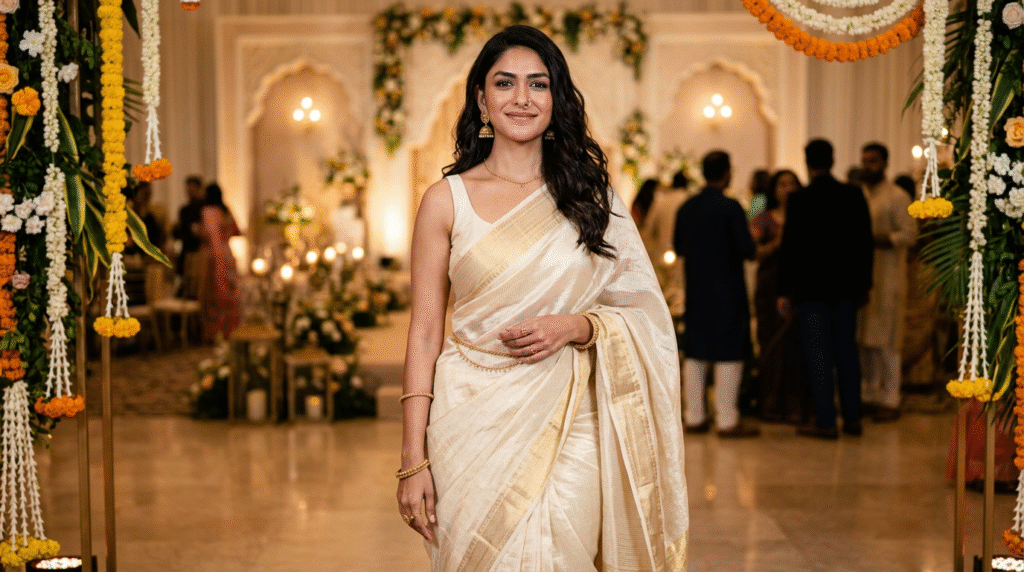
Take Mrunal Thakur’s elegant 2026 appearances: her reimagined saris with minimal upper styling radiated quiet strength, inspiring countless women to experiment without fear.
The Cons: Where Pushback Hits Hard
- Cultural Erosion Fears: Critics argue it dilutes the “refined” image built over generations, risking misinterpretation as Western imitation rather than Indian revival.
- Social Backlash and Safety: In conservative settings, it can invite judgment, slut-shaming, or family tension—especially for non-celebs navigating real-life scrutiny.
- Misrepresentation Risk: Without context, it might exoticize or sensationalize heritage instead of honoring it thoughtfully.
- Practical Challenges: Coverage concerns for certain body types or events; not every sari or occasion suits the style seamlessly.
Priya’s wedding story highlights this: empowerment for her, but tension for her family. The divide shows how celebrity empowerment fashion can feel aspirational yet divisive.
These perspectives keep the conversation research-driven and balanced—history reminds us nothing is static; evolution is our tradition.
The Indian Twist: When Ancient Roots Meet 2026 Vibes
Sari draping isn’t new to us Indians—it’s practically stitched into our cultural DNA. From Durga Puja processions to village fairs, regional styles have always varied: some bare-shouldered for practicality, others layered for modesty. Karva Chauth rituals or harvest celebrations once featured unstitched freedom. Colonial influence standardized it, but 2026’s divas are circling back.
Our everyday wardrobes lean heavy on “proper” blouses and petticoats—comfortable, yes, but sometimes restrictive. Can the blouseless look fit into this desi framework? Absolutely—if tweaked mindfully. A 2026 sari without blouse paired with tasteful jewelry or strategic pallu placement honors heritage while embracing body autonomy. The trick? Intention over imitation. It’s not erasing culture; it’s expanding it.
Real Stories: Triumphs, Tears, and Takeaways
Let’s hear from the women living it.
- Taapsee Pannu: At that 2026 event, her bold choice sparked global headlines. “I’m not chasing controversy—I’m honoring the women before blouses existed,” she shared in interviews. Fans flooded her with stories of personal liberation, though trolls called it attention-seeking.
- Mrunal Thakur: Her graceful, opulent drapes blended tradition with modernity. “It’s about feeling authentic in my skin,” she said, inspiring mid-20s professionals to try subtle versions at office parties.
- Neha, 26, Mumbai: A content creator who went blouseless for a cultural festival. Initial nerves gave way to confidence as strangers complimented her poise. “It felt like wearing my history proudly.”
- Ritu, 34, Jaipur: Faced family disapproval at a wedding but stood firm. Therapy and open talks helped; now she drapes selectively. “It taught me boundaries are personal.”
These tales prove one thing: the sari reformation isn’t a magic wand. It’s a tool—how you wield it, with respect and self-awareness, matters most.
Empowering Sari Styling: Tips to Get It Right
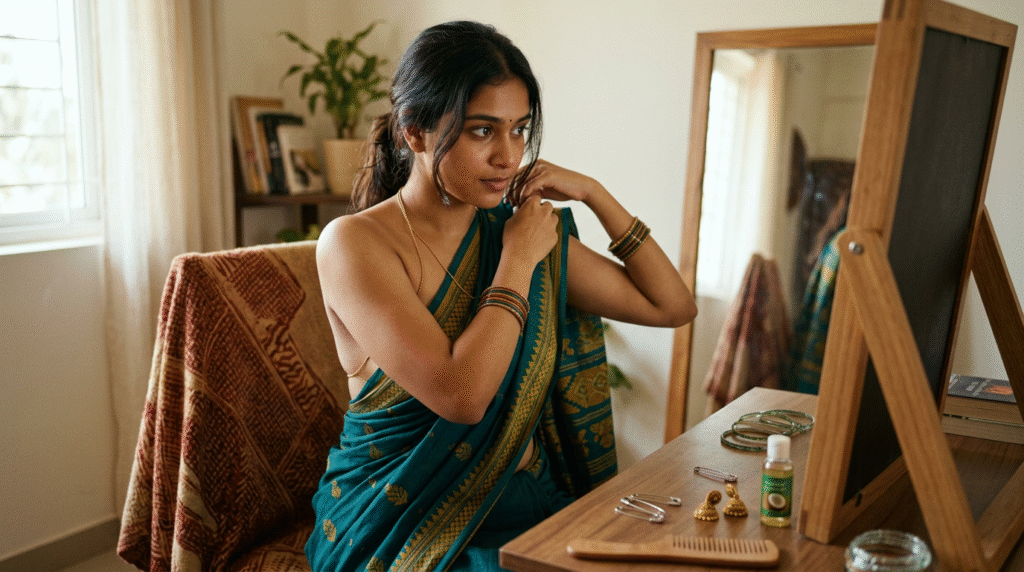
Thinking of trying the sari without blouse 2026 vibe? Here’s how to keep it confident and comfortable:
- Ease In: Start with a short drape or indoor trial. Gauge your comfort before big events.
- Choose the Right Fabric: Lightweight cottons, silks, or blends that drape naturally—avoid stiff materials that slip.
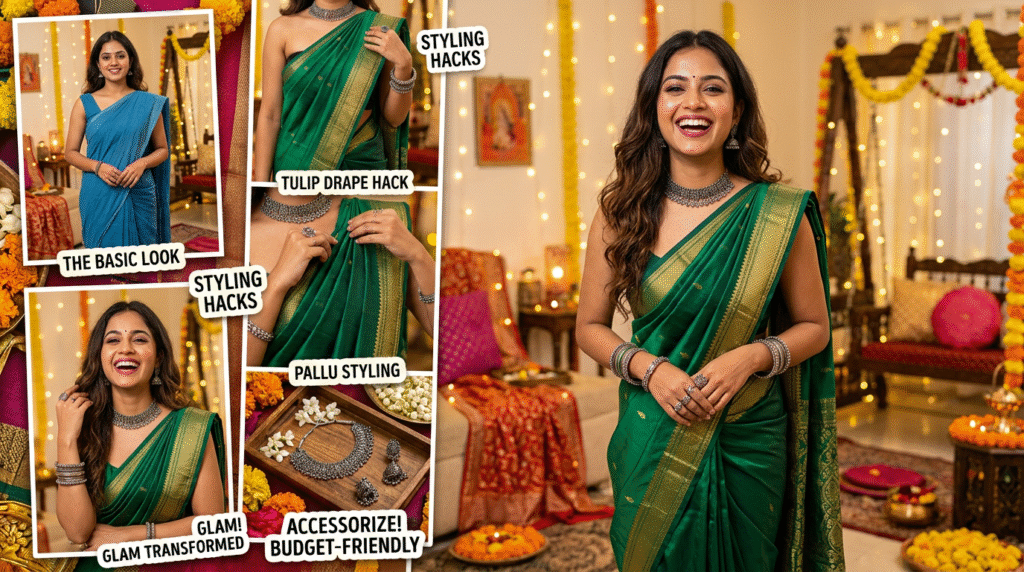
- Accessorize Thoughtfully: Body chains, maang tikka, or statement earrings provide coverage illusion and glam.
- Mind the Occasion: Red carpets yes; conservative family functions? Maybe layer lightly or opt for subtle twists.
- Posture and Pallu Power: Master your drape—strategic pleats and pallu placement offer natural elegance.
- Self-Care First: Hydrate, practice in front of a mirror, and remember: your body, your rules. Consult a tailor for custom tweaks if needed.
Desi Fashion Hacks: Rocking the Blouseless Look on Any Budget
You don’t need designer labels to join the reformation. Try these practical twists:
- Pair a plain sari with affordable oxidized chains or kundan jewelry for instant drama.
- Upcycle an old blouse by removing sleeves or layering a sheer scarf creatively.
- Use safety pins discreetly for security while keeping the unstitched spirit.
- Experiment with regional styles—like Andhra tulip drapes—for authentic roots.
- Document your journey on socials; your Reels could inspire others navigating the viral Indian fashion wave.
Steer clear of forced trends. Nourish your confidence—don’t punish yourself chasing perfection.
Wrapping It Up: Reformation or True Revolution?
So, does the 2026 sari reformation—ditching blouses for empowerment—worsen cultural fabric or strengthen it? It’s not black-and-white. For some, it’s a game-changer: slimming insecurities, taming outdated norms, and celebrating body positivity statement. For others, it stirs debate and discomfort. The difference lies in how we do it—mindfully, respectfully, and with deep roots in our shared history.
If this trend calls to you, dip your toes in. Start small, listen to your inner voice (and maybe your elders), and lean into the conversation. The sari has survived empires, trends, and time itself. You’re tougher than the controversy. What’s your take? Tried a reimagined sari draping or have thoughts on feminist fashion India? Drop your story below—let’s swap notes, celebrate diversity, and lift each other up in this beautiful cultural evolution!
You May Like This
1



Advertisement

Advertisement
You May Like This







Advertisement
Advertisement
Advertisement
Advertisement
Advertisement
Advertisement